WASHINGTON — U.S. President Donald Trump said American forces have sunk up to 10 Iranian naval vessels and largely destroyed Iran’s naval headquarters, marking a sharp escalation in a widening military confrontation between the United States and Iran that now threatens to disrupt one of the world’s most critical oil corridors.
The operation, dubbed “Operation Epic Fury,” began in the early hours of February 28 and has targeted Iranian naval assets, missile and drone facilities, air defenses and senior leadership. On Sunday, Mr. Trump announced that nine ships had been destroyed. A day later, he said a 10th vessel had been sunk.
“I have just been informed that we have destroyed and sunk 9 Iranian Naval Ships, some of them relatively large and important,” Mr. Trump wrote on X and Truth Social. “We largely destroyed their Naval Headquarters.”
By Monday, he declared: “We’ve knocked out already ten ships. They’re at the bottom of the sea… This was our last, best chance to strike.”
Naval Strikes in the Gulf of Oman
U.S. Central Command confirmed that American forces struck and sank a Jamaran-class corvette at the pier in Chah Bahar in the Gulf of Oman on March 1. The strike formed part of a broader campaign aimed at crippling Iran’s capacity to threaten shipping in the Strait of Hormuz, a narrow waterway through which roughly 20 percent of the world’s oil supply passes.
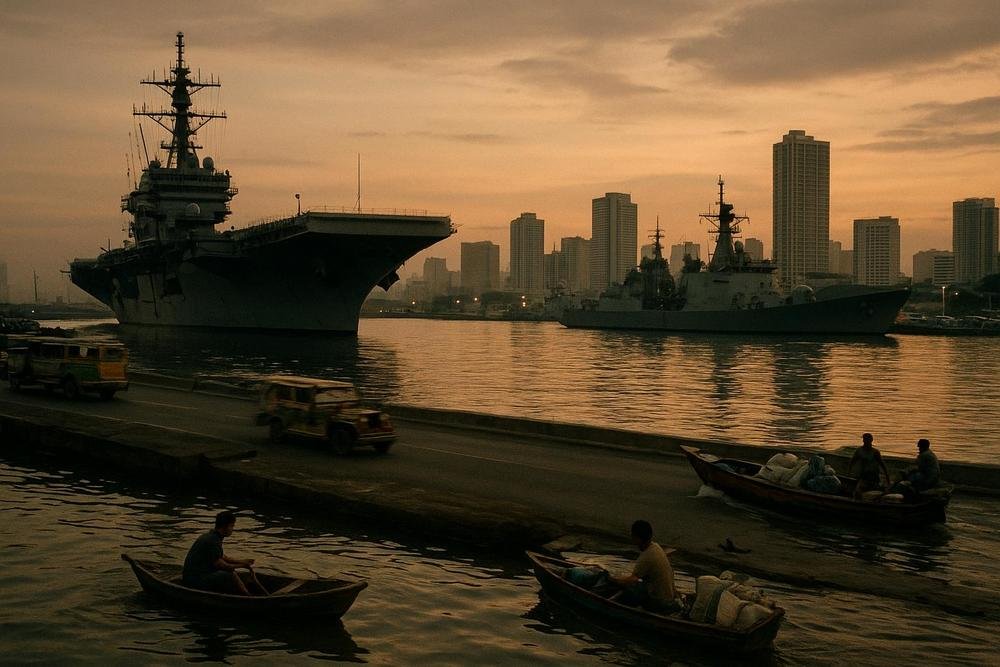
American officials also reported that Iran’s naval headquarters sustained heavy damage in separate strikes. Two U.S. carrier strike groups — led by the USS Abraham Lincoln and the USS Gerald R. Ford — are operating in the region.
Iran’s Islamic Revolutionary Guard Corps (IRGC) claimed it had targeted the USS Abraham Lincoln, but the Pentagon firmly rejected those assertions. “The Lincoln was not hit. The missiles launched didn’t even come close,” U.S. Central Command said.
Leadership Targets and Mounting Casualties
The opening phase of Operation Epic Fury reportedly included strikes on Iranian leadership compounds and command facilities. According to U.S. statements, 49 senior Iranian leaders have been eliminated during the campaign, though independent verification remains unavailable.
Four U.S. service members have been honored posthumously following the initial wave of operations, underscoring the human toll on both sides.
An Iranian official condemned the campaign, saying: “What the United States is doing is an act of aggression. What we are doing is an act of self-defense.”
Hormuz: A Global Chokepoint at Risk
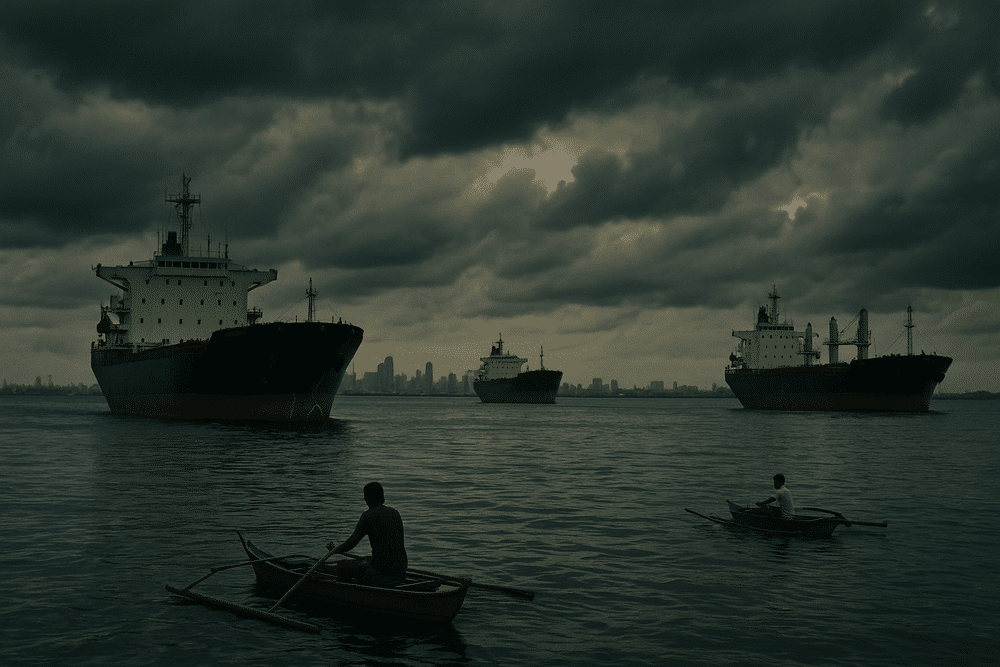
The escalation has triggered warnings from Tehran about the possible closure of the Strait of Hormuz. Iranian vessels have signaled potential disruptions to commercial shipping, prompting some ships to idle offshore, according to maritime tracking data.
The strait functions as the world’s energy artery. If blocked or even partially restricted, oil markets could react swiftly. Analysts warn that even temporary interruptions may drive up crude prices, feeding into higher fuel costs worldwide.
For small import-dependent nations, including Malta, such ripple effects can be immediate. Higher oil prices strain transportation, electricity generation and consumer goods, as shipping costs filter through supply chains like rising tidewater lifting every vessel in the harbor.
Competing Narratives From Washington and Tehran
Mr. Trump has framed the offensive as a decisive strike to dismantle what he described as a decades-long Iranian threat. He said the operation aims to neutralize Iran’s missile capabilities, its naval forces and what he called its “terror networks,” while projecting strength to prevent further escalation.
Iranian officials counter that the strikes violate international law and justify retaliatory measures. The conflicting narratives heighten the risk of miscalculation in an already volatile region.
Regional and Economic Repercussions
No direct Maltese military involvement has been reported. However, the Mediterranean’s strategic position along global shipping lanes means any sustained disruption in Gulf energy flows could reverberate through European markets.
Commercial shipping firms operating between Asia, the Middle East and Europe are closely monitoring developments. Insurance premiums for vessels transiting high-risk waters could rise, adding further costs to traded goods.
As of Tuesday, the U.S. military campaign continues, with Washington signaling readiness to respond “overwhelmingly” to any further Iranian retaliation.
The confrontation now stands at a precarious juncture. With naval vessels resting at the bottom of the Gulf of Oman and two carrier strike groups patrolling nearby waters, the world’s most critical oil passage has become the front line of a rapidly intensifying conflict.