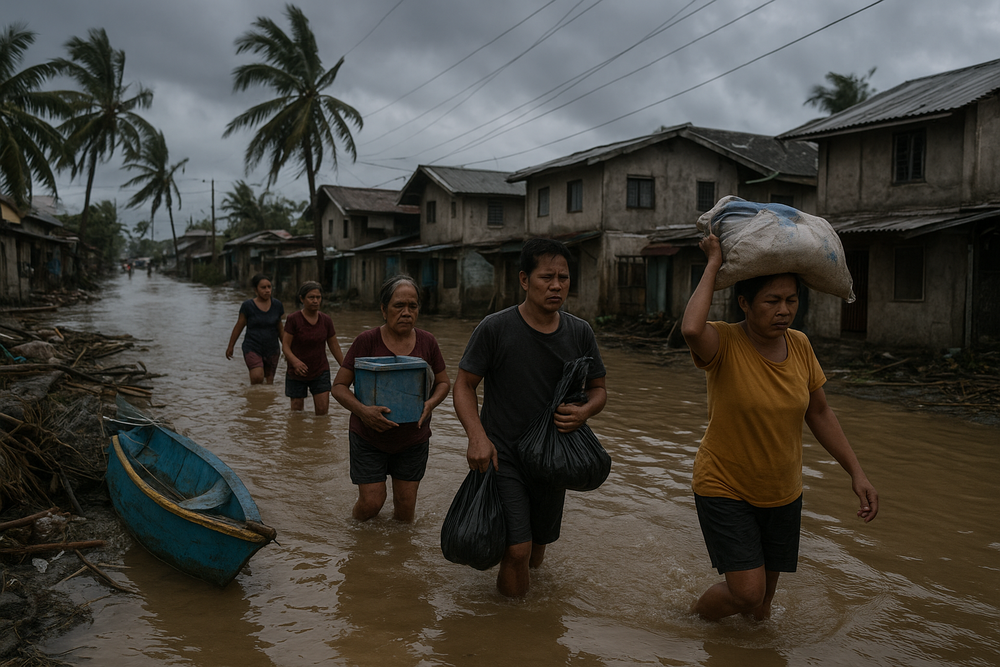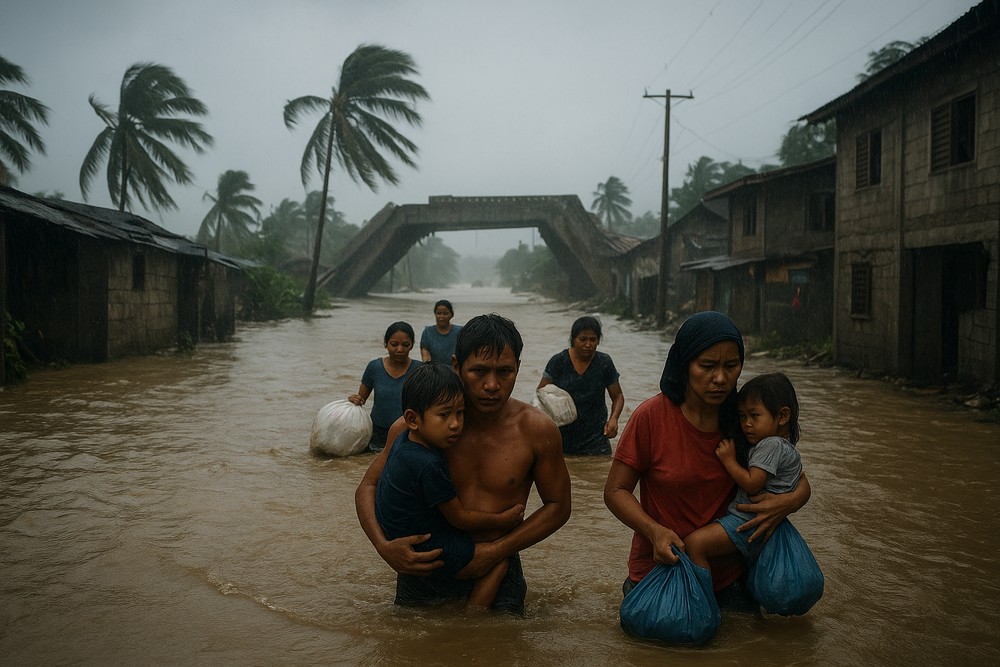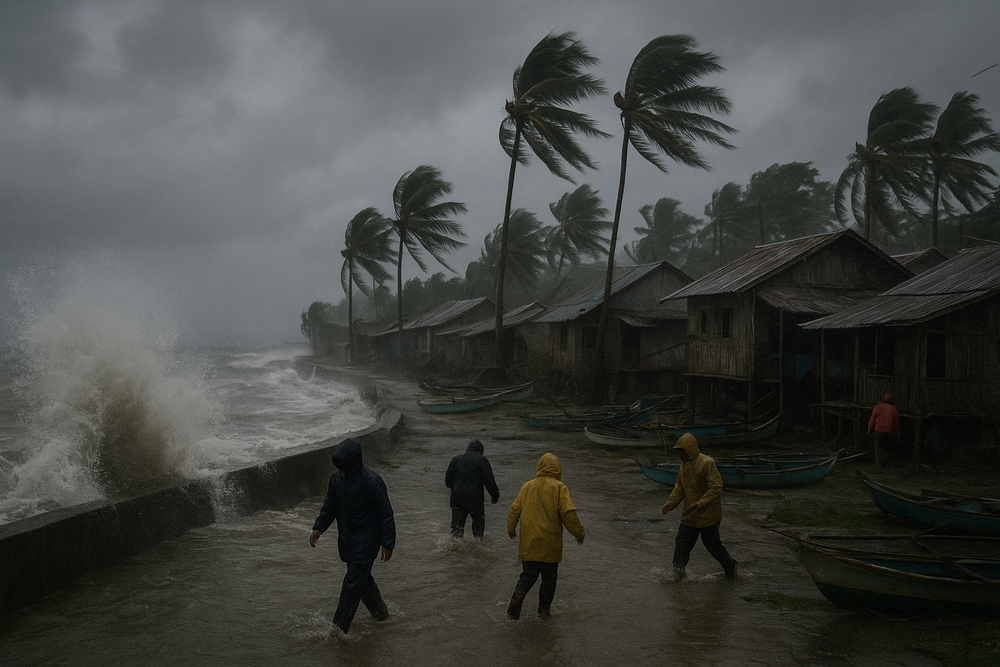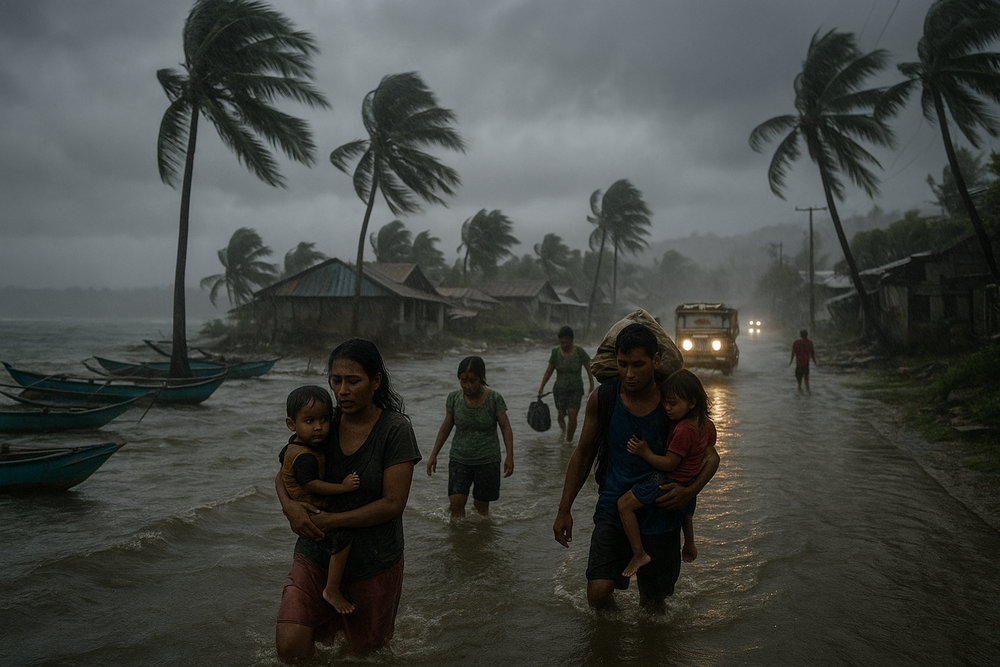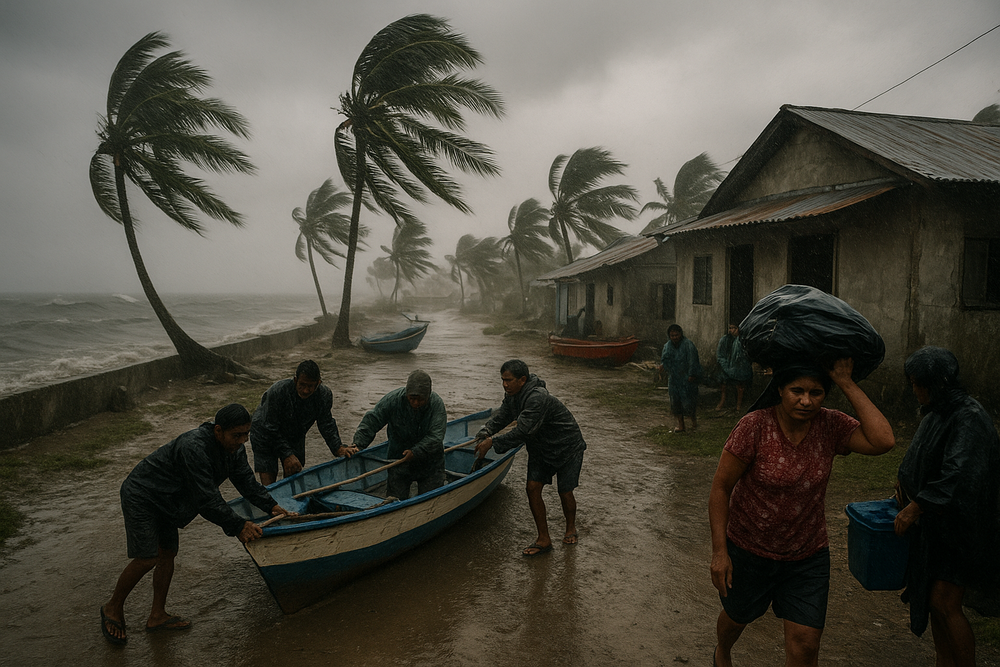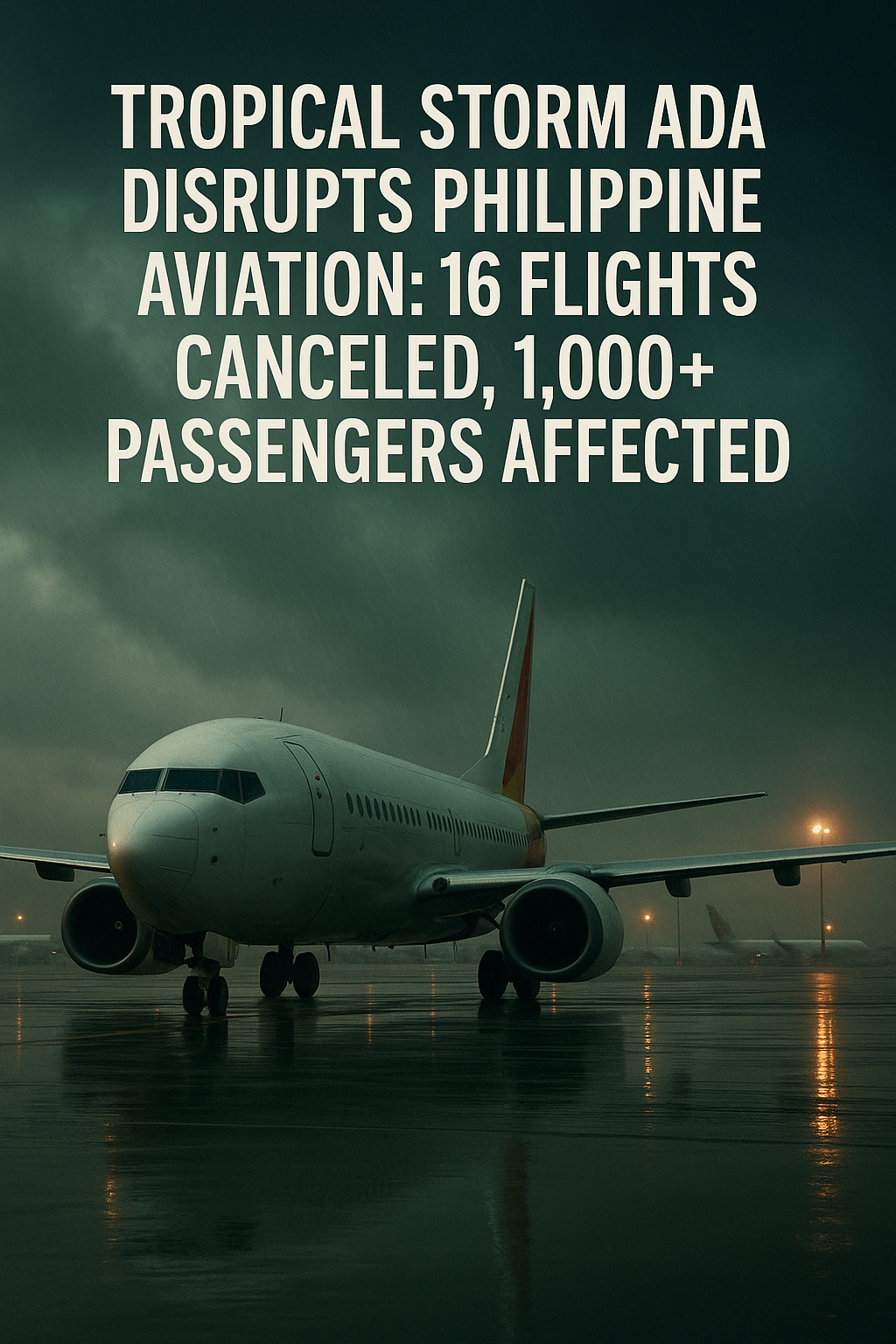
Manila, Philippines — Tropical Storm Ada has wreaked havoc on Philippine aviation, forcing the cancellation of at least 16 domestic and international flights and stranding over 1,000 passengers. The storm, which made landfall early Tuesday, has triggered widespread disruptions, raising concerns about workforce mobility and travel plans for international students and professionals.
Background: Why This Storm Matters Now
Tropical Storm Ada, the latest in a series of severe weather systems to hit the Philippines this year, has intensified concerns over the country’s vulnerability to climate-related disruptions. With aviation being a critical lifeline for business travelers, overseas Filipino workers (OFWs), and international students, the cancellations have ripple effects beyond immediate inconvenience.
According to the Philippine Atmospheric, Geophysical and Astronomical Services Administration (PAGASA), Ada brought heavy rains and gusty winds, prompting authorities to issue signal warnings across multiple regions. Airlines, including Philippine Airlines and Cebu Pacific, preemptively canceled flights to ensure passenger safety, but the move has left many scrambling for alternatives.
Key Developments: Flights Grounded, Passengers Stranded
The Civil Aviation Authority of the Philippines (CAAP) confirmed that 16 flights—12 domestic and 4 international—were canceled as of Tuesday afternoon. Major affected routes include:
- Manila to Cebu (5 flights)
- Manila to Davao (3 flights)
- Manila to Hong Kong (2 flights)
- Manila to Singapore (1 flight)
Passengers reported long queues at rebooking counters, with some expressing frustration over limited accommodation options. “I was supposed to fly to Cebu for a job interview,” said Maria Santos, a 24-year-old nursing graduate. “Now, I’m stuck in Manila with no clear rescheduling date.”
Airlines have assured affected travelers that rebooking fees will be waived, but the backlog of displaced passengers may take days to clear. Cebu Pacific’s spokesperson noted, “Safety is our top priority, but we’re working round the clock to minimize inconvenience.”
Impact Analysis: Who’s Most Affected?
The disruptions have hit several key groups hard:
- International Students: Many Filipino students studying abroad rely on connecting flights through Manila. Delays could jeopardize visa timelines or academic deadlines.
- OFWs and Professionals: Workers on tight schedules, especially those in healthcare or maritime sectors, face potential employment risks if they miss critical travel windows.
- Tourism and Business Travel: The storm’s timing coincides with peak travel season, threatening economic losses for local tourism-dependent regions.
For international students, the cancellations add another layer of stress. “I’m supposed to start my master’s program in Australia next week,” said John Reyes, a scholarship recipient. “If my flight isn’t restored soon, I might miss orientation.”
Expert Insights: Navigating the Disruptions
Travel experts recommend the following steps for affected passengers:
- Monitor Updates: Follow airline social media and CAAP advisories for real-time changes.
- Explore Alternatives: Consider land or sea travel for domestic routes if flights remain grounded.
- Document Everything: Keep records of cancellations and expenses for potential reimbursements.
For international students, visa consultants advise contacting universities immediately to explain delays. “Many institutions are understanding of weather-related disruptions,” said Anna Cruz, a visa specialist at yourweb.site. “Proactive communication can prevent complications.”
Looking Ahead: Climate Resilience in Aviation
This incident underscores the need for stronger climate adaptation strategies in Philippine aviation. Industry analysts suggest:
- Investing in predictive weather modeling to preempt cancellations.
- Expanding backup infrastructure, such as alternative airports or rapid transit options.
- Strengthening passenger support systems during crises.
As Tropical Storm Ada moves westward, authorities warn of lingering effects, including potential flooding in low-lying areas. Travelers are urged to stay cautious and plan contingencies.
Reach out to us for personalized consultation based on your specific requirements.