Tokyo— Japanese Prime Minister Sanae Takaichi has warned that the Japan–United States alliance would collapse if Tokyo failed to act during a crisis over Taiwan that involved attacks on joint operations, sharpening regional tensions and underscoring the stakes of credibility in Asia’s tightening security web.
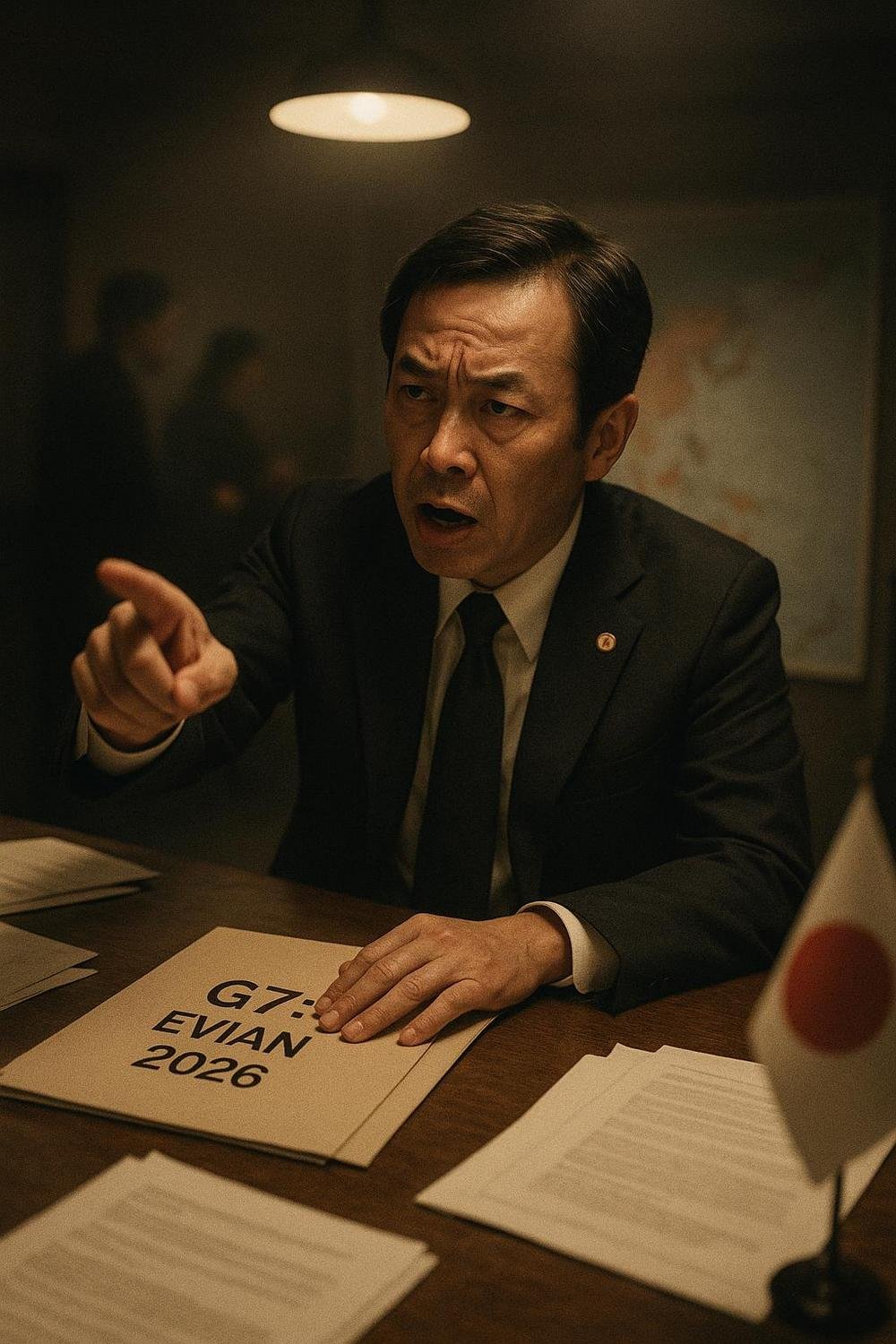
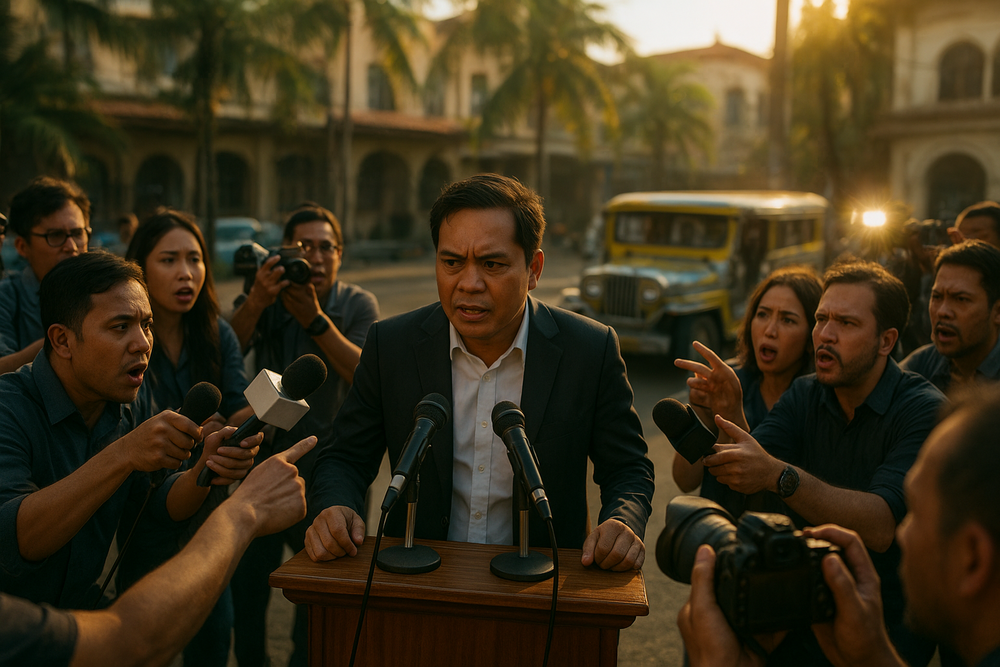
Speaking on TV Asahi on January 26, days before a scheduled February 8 snap election, Ms. Takaichi said Japan would not launch military action but could be compelled to act alongside the United States to evacuate nationals if joint forces came under attack. “If the U.S. military, acting jointly with Japan, comes under attack and Japan does nothing and runs home, the Japan-U.S. alliance will collapse,” she said.
Clarifying Red Lines as Tensions Rise
The remarks were framed as a clarification of Ms. Takaichi’s earlier statements in parliament, where she described a potential naval blockade of Taiwan as a “survival-threatening situation” for Japan. She stressed that any response would remain within Japan’s legal limits, invoking the framework of collective self-defense only in emergencies.
“If something serious happens there, we would have to go to rescue the Japanese and American citizens in Taiwan. In that situation, there may be cases where Japan and the U.S. take joint action,” she said. “We will respond strictly within the bounds of the law, making a comprehensive judgment based on the circumstances.”
The geography gives urgency to the debate. Taiwan lies roughly 110 kilometers from Japan’s southwestern islands—about the distance from Tokyo to Atami—placing any crisis well within Japan’s immediate security perimeter.
Beijing Responds With Economic and Symbolic Pressure
China’s response was swift. On January 27, Beijing restricted rare-earth exports to Japan—materials critical for electric vehicles and missile systems—and discouraged Chinese travel to Japan, citing security concerns.
The diplomatic chill also carried a symbolic sting. Two pandas left Tokyo for China the same day, leaving Japan without the animals for the first time in half a century. While largely ceremonial, the move punctuated Beijing’s displeasure with Tokyo’s stance.
Legal Limits and Alliance Expectations
Under Japan’s constitution and security laws, the use of force is tightly constrained. Any expanded role for U.S. bases beyond Japan’s defense would require government approval under the 1960 U.S.–Japan Mutual Cooperation and Security Treaty. Ms. Takaichi has argued that evacuations and defensive coordination would meet the threshold of legality if Japan’s survival were at stake.
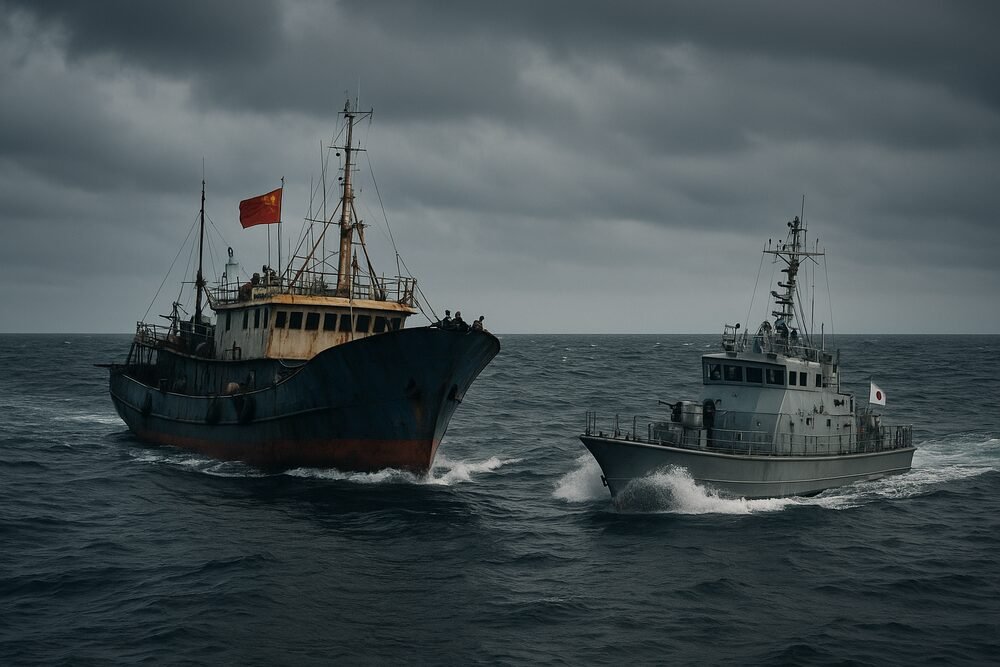
The United States, for its part, has continued to reinforce alliance integration. U.S. Forces Japan are transitioning toward a joint force headquarters model, and Washington has reaffirmed that Article V of the treaty covers the Senkaku Islands, which are also claimed by China.
Echoes Across the Western Pacific
While the comments were directed at Washington and Beijing, their implications ripple south. For the Philippines, where U.S. defense commitments have been repeatedly reaffirmed to cover attacks on Philippine forces and the coast guard in the South China Sea, the episode underscores how alliance credibility functions like a chain: its strength depends on each link holding.
There has been no official Philippine statement on Ms. Takaichi’s remarks. Still, parallel alliances with Washington and Tokyo converge in shared patrols, intelligence cooperation and deterrence—factors that shape maritime stability around Scarborough Shoal and Ayungin Shoal, areas closely watched by Filipino fisherfolk.
Political Stakes at Home
Domestically, Japanese opposition parties have accused Ms. Takaichi of escalating tensions unnecessarily and inviting economic retaliation from China at a sensitive moment before voters head to the polls. Supporters counter that ambiguity would invite miscalculation, arguing that deterrence depends on clarity.
Ms. Takaichi, who assumed office in October 2025, has made strengthening defense coordination in Japan’s southwest a priority, including infrastructure to support joint operations with U.S. forces.
What It Means for Ordinary People
For most people in the region, the impact remains indirect but real. Heightened tensions can raise insurance costs for shipping and threaten supply chains for electronics and vehicles reliant on rare earths. More than 300,000 overseas Filipino workers in Japan are watching developments closely, although there have been no reported security incidents linked to the diplomatic dispute.
In the long view, analysts say, the episode highlights how the Taiwan question acts as a stress test for alliances across Asia. Like a fire drill in a crowded building, leaders are signaling where they would stand before any alarm sounds—for allies and adversaries alike.