The Taal Volcano in the Philippines continues to display persistent eruptive activity, with the Philippine Institute of Volcanology and Seismology (PHIVOLCS) maintaining its vigilant monitoring amid ongoing emissions, tremors, and minor eruptions. Authorities urge residents and nearby communities to stay alert as the risk of ashfall and sudden volcanic events remains present, even as the current alert level signals low-level unrest.
Ongoing Volcanic Activity Monitored Closely
Since late 2024, the Taal Volcano has exhibited a steady pattern of volcanic behavior characterized by daily emissions that reach 300 to 1,200 meters above the crater rim. These plumes predominantly drift towards the west and southwest, blanketing areas near the crater with volcanic ash and gases. PHIVOLCS has documented frequent volcanic tremors—low-frequency seismic oscillations linked to magma and magmatic gas movement—lasting from a few minutes to episodes extending up to 39 minutes.
Intermittent minor eruptions, chiefly phreatic (steam-driven) and phreatomagmatic (resulting from magma interacting with water), have punctuated the activity. These brief events, typically lasting between two to six minutes, have occasionally ejected incandescent volcanic debris up to 300 meters above the lake surface within the crater confines.
Measurements of sulfur dioxide (SO2) emissions indicate fluctuating daily fluxes, with some readings exceeding 500 tons per day. Despite these visible signs of unrest, PHIVOLCS continues to uphold an Alert Level 1 for the volcano, signaling low-level unrest but with the potential for localized eruptive activity or ashfall.
Safety Precautions and Official Warnings
Given the ongoing activity, access to the entire Taal Volcano Island remains strictly prohibited as it is designated a Permanent Danger Zone (PDZ). Boating and habitation on Taal Lake, especially near the crater, are banned to protect residents from risks posed by noxious volcanic gases and potential projectiles.
PHIVOLCS advises vigilance against ashfall and volcanic gas exposure. Sulfur dioxide poses particular health threats, especially to vulnerable populations such as children, the elderly, and pregnant women, with respiratory problems and eye irritation reported among affected communities. Local authorities continue to coordinate evacuation and public safety measures to mitigate these risks.
Economic and Social Consequences Persist
The continuing volcanic unrest has exerted measurable economic pressure on the Calabarzon region, notably within Batangas Province. Losses from disrupted agriculture, fisheries, tourism, and related sectors are estimated between PHP 4.3 billion and PHP 6.7 billion (approximately USD 80 to 130 million). Key crop industries including coffee, cacao, pineapple, fruits, vegetables, rice, and coconut have been most affected, with inflationary effects on food prices anticipated in the short term.
Tourism has also experienced a significant setback due to site closures within the danger zone, resulting in losses estimated at around USD 3.6 million. The government, along with international partners like the European Union, has mobilized resources for rehabilitation, humanitarian assistance, and efforts to support displaced residents.
Community Displacement and Health Impacts
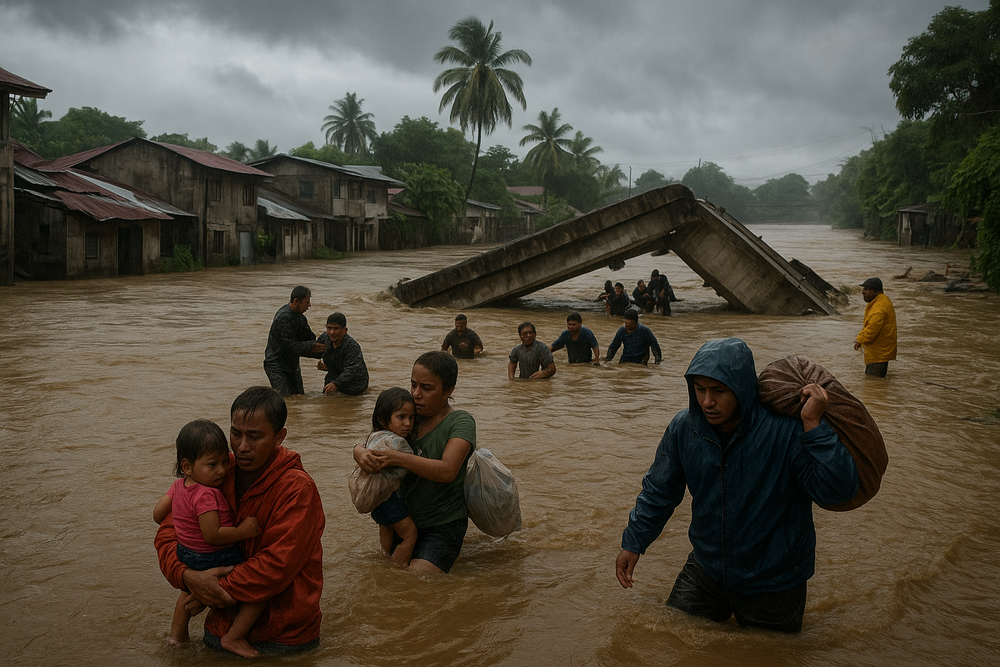
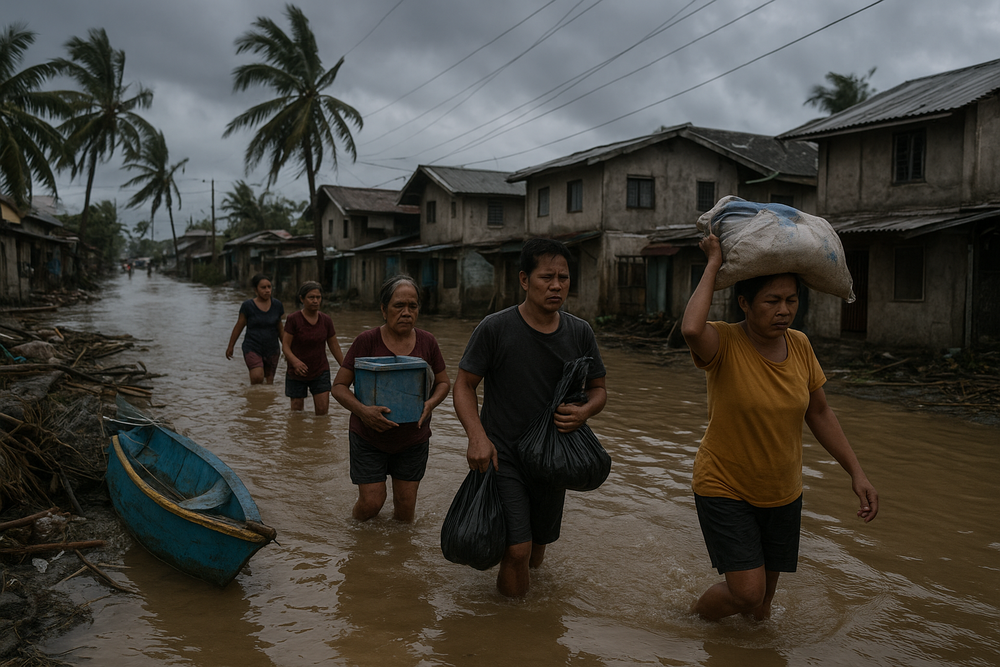
Since the renewed activity began, over 390,000 people have been evacuated from high-risk areas, with displacement causing heightened vulnerability to poverty and economic hardship. Prolonged exposure to volcanic smog and ashfall has led to increased respiratory ailments and eye irritation in the affected population.
Emergency response efforts have incorporated mental health support and child protection services to address the psychosocial effects of displacement and ongoing uncertainty, particularly among vulnerable community members.
Context and Expert Outlook
PHIVOLCS experts emphasize that while current activity remains at a low level, continuous monitoring is essential due to the movement of magma beneath the surface. Extended volcanic tremors have historically served as signs of potential eruptions but do not guarantee an imminent major event.
The institute reassures the public that observed incandescent projectiles remain confined to the crater, and a major eruption is not presently anticipated. Economic authorities forecast that, although the eruption has caused disruption, reconstruction efforts may eventually stimulate economic recovery, offsetting medium-term losses.
Looking Ahead
The Taal Volcano’s persistent activity underlines the need for ongoing surveillance and community preparedness. With Alert Level 1 still in place, vigilance remains crucial as authorities closely watch for any escalation. Residents near the volcano must adhere to safety prohibitions and heed government advice to minimize health hazards and mitigate potential damage from future volcanic events.
Balancing the safety of displaced populations with economic concerns and environmental risks will continue to challenge both local and national agencies in the coming months.