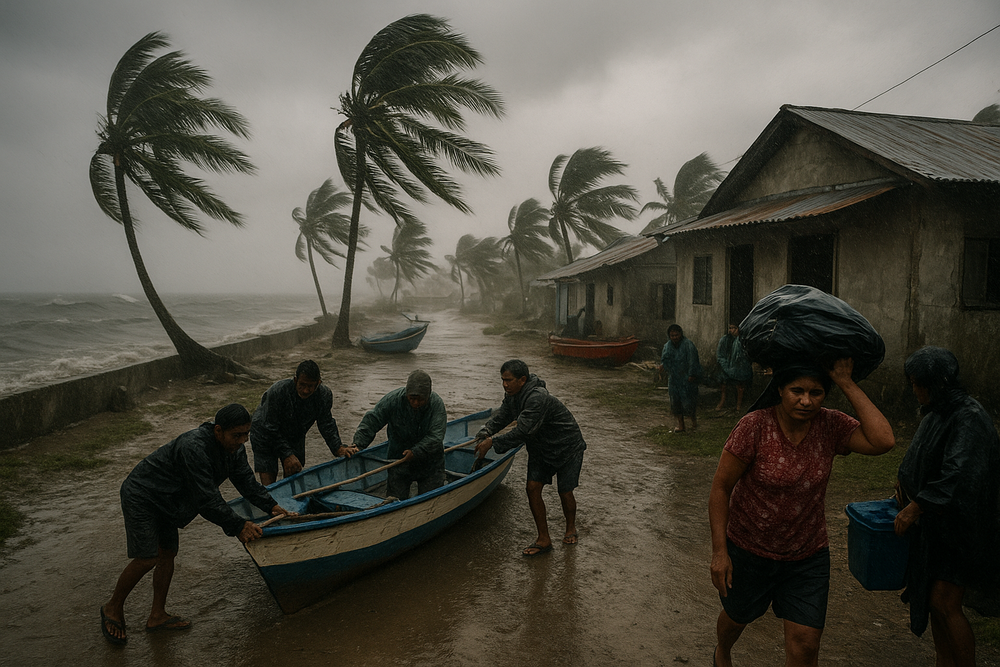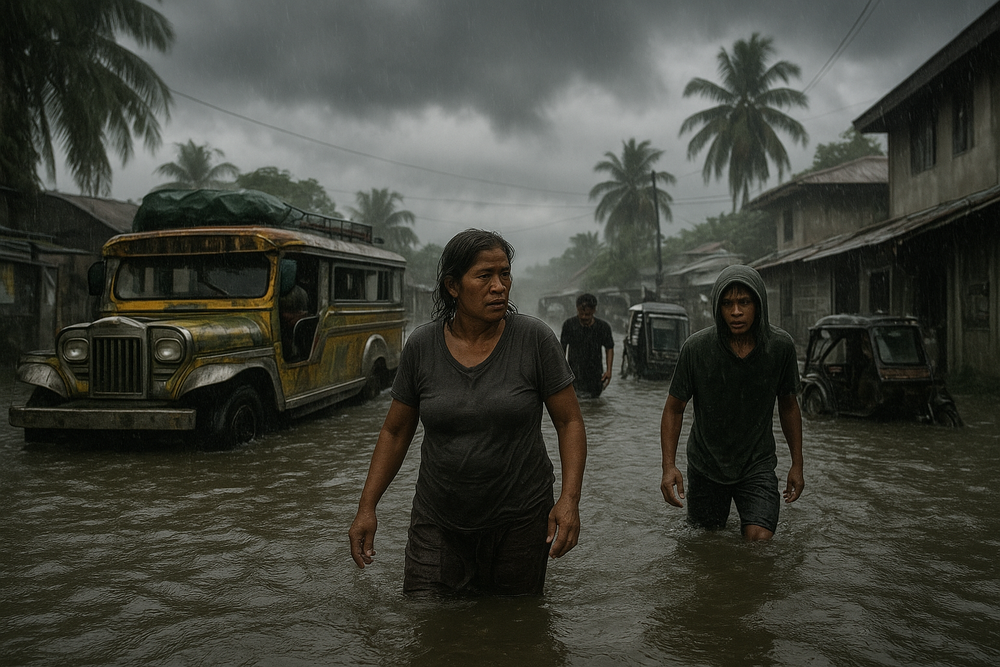
A low pressure area (LPA) east of Mindanao has entered the Philippine Area of Responsibility (PAR), bringing cloudy skies, scattered rains, and thunderstorms over large parts of the southern Philippines, as weather authorities warn of a growing risk of flooding and landslides in the days ahead.
The system, identified by the Philippine Atmospheric, Geophysical and Astronomical Services Administration (PAGASA) as LPA 01b, was located about 1,015 kilometres east-southeast of southeastern Mindanao as of Tuesday afternoon, January 13. While not yet a tropical cyclone, the disturbance is already influencing weather conditions across Mindanao and parts of the Visayas, aided by a shear line that is intensifying rainfall.
First Weather Disturbance of 2026 Raises Alert Levels
PAGASA said the LPA has a medium to high chance of developing into a tropical depression within 24 to 48 hours, potentially becoming the first named storm of 2026, to be called “Ada” if it intensifies.
In a satellite-based outlook released early Wednesday, the agency warned that the system had been upgraded to a high potential for storm formation as it continued to organise east of Mindanao.
“LPA east of Mindanao has high potential for storm formation in the next 24 hours,” PAGASA said in its January 14 update.
Southern Regions Bear the Brunt of Rains
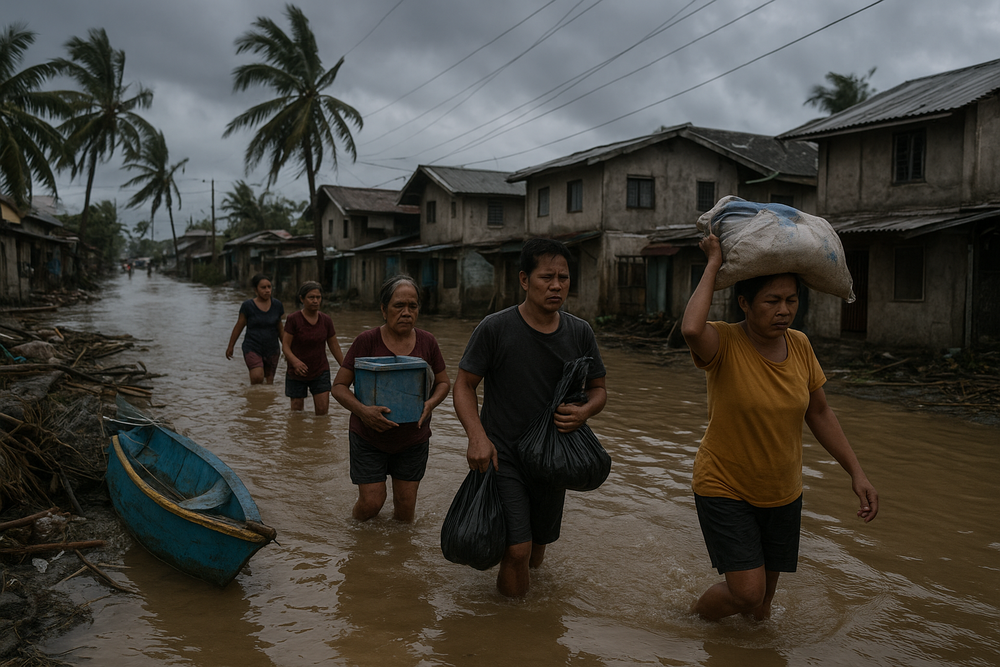
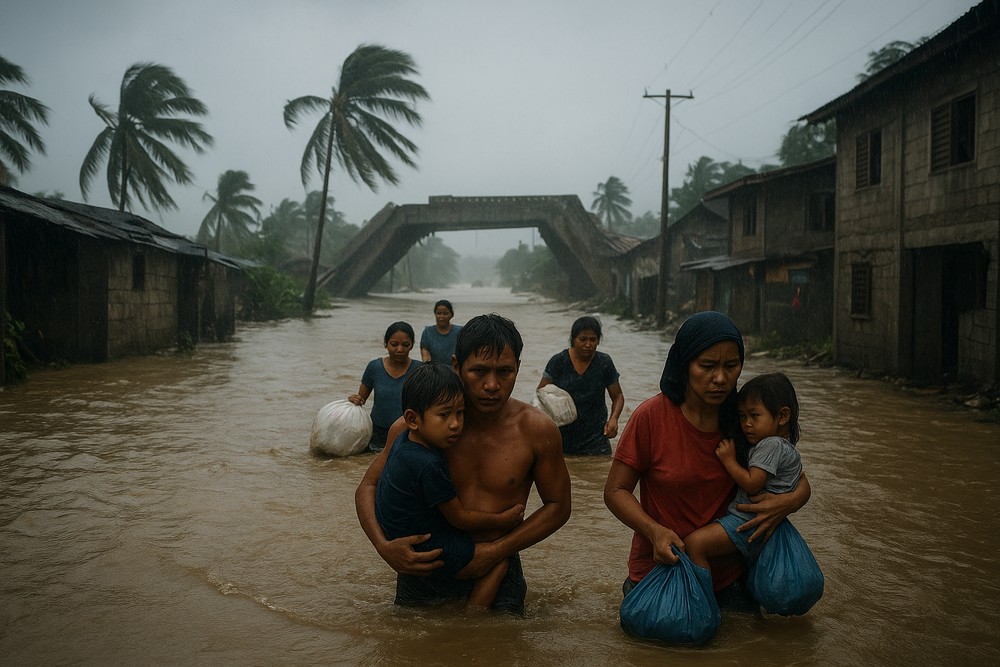
Even without full cyclone strength, the LPA is already affecting daily life across the southern Philippines. Davao Region, Caraga, Northern Mindanao, and parts of the Visayas are experiencing intermittent rains and thunderstorms, with moderate to heavy downpours reported in some localities.
The presence of a shear line—a boundary where winds from different directions collide—is acting like a pump, drawing more moisture into the system and increasing the intensity of rainfall. Meteorologists liken the effect to squeezing a saturated sponge: once pressure is applied, water releases quickly and unevenly.
Authorities warned that flash floods and landslides are possible, particularly in low-lying areas, along riverbanks, and in mountainous barangays with saturated soil.
Preparedness Urged as Risks Rise
The National Disaster Risk Reduction and Management Council (NDRRMC) said it is closely monitoring the situation and has advised local government units to activate standard preparedness protocols.
In a January 13 report, the council noted that the LPA was already inside PAR and highlighted the importance of early action under its public preparedness campaign, #BawatSegundoMahalaga (“Every second matters”).
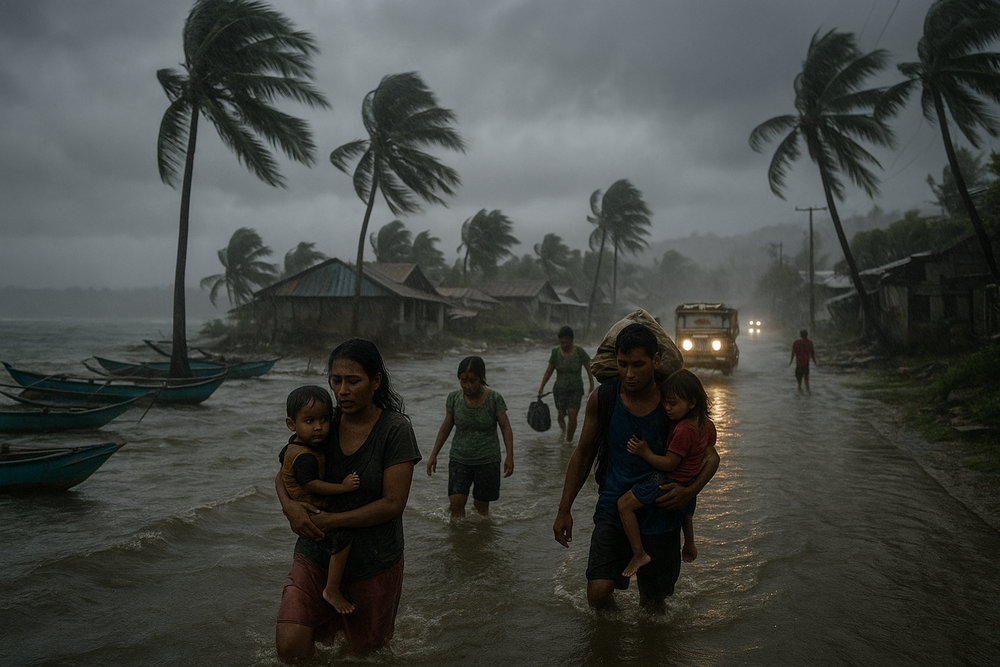
LGUs in affected regions have been urged to monitor waterways, preposition rescue equipment, and prepare evacuation centres should conditions deteriorate.
Impact Felt by Communities and Livelihoods
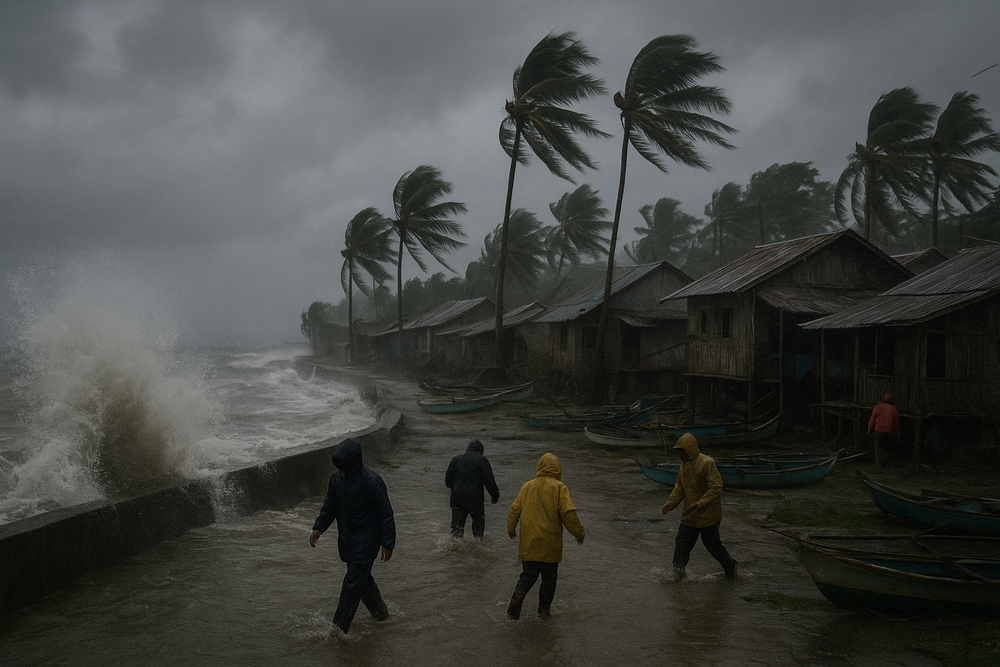
For many residents in Mindanao and the Visayas, the rains are more than a weather bulletin. Flooded roads disrupt commutes and public transport, while prolonged downpours threaten crops and delay fishing activities in coastal communities.
Farmers in hilly and low-lying areas face the twin risks of waterlogged fields and landslides, while small vendors and daily wage earners remain vulnerable to sudden work and school suspensions imposed by local authorities.
As of the latest updates, no casualties or damage figures have been reported by government agencies.
A Familiar Threat in a Typhoon-Prone Region
The Philippines lies along the western Pacific’s typhoon belt and experiences an average of around 20 tropical cyclones each year. While this LPA is only the first disturbance of 2026, it serves as an early reminder of how quickly weather systems can evolve during the rainy season.
PAGASA said it would continue issuing regular advisories as the system moves westward or intensifies, urging the public to stay informed and avoid unnecessary travel in high-risk areas.
For now, forecasters emphasise vigilance rather than panic—but with the atmosphere showing signs of further instability, southern communities remain on watch as the rains continue to fall.