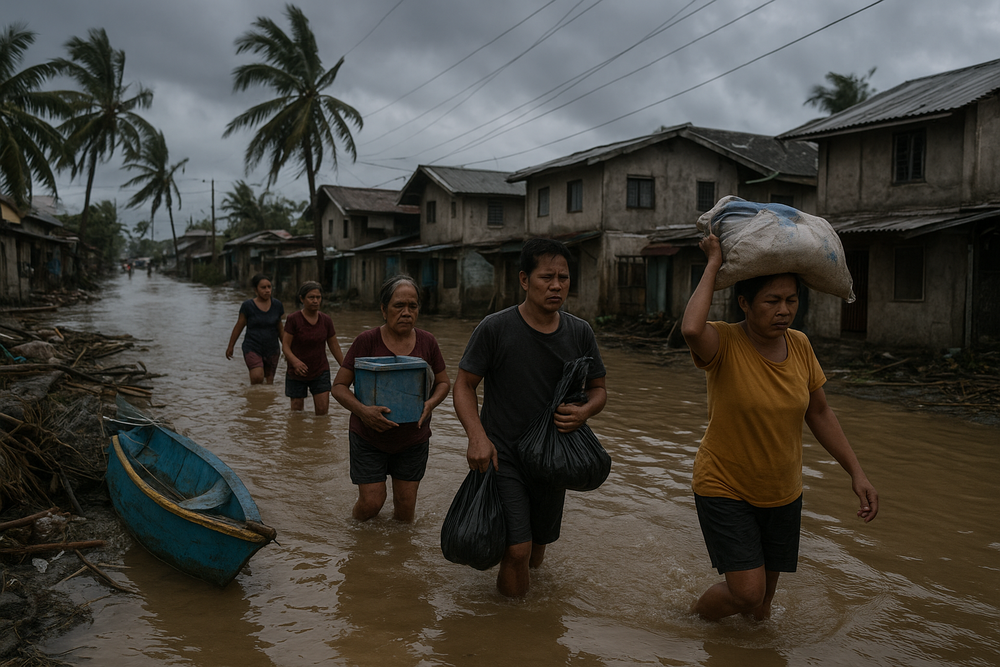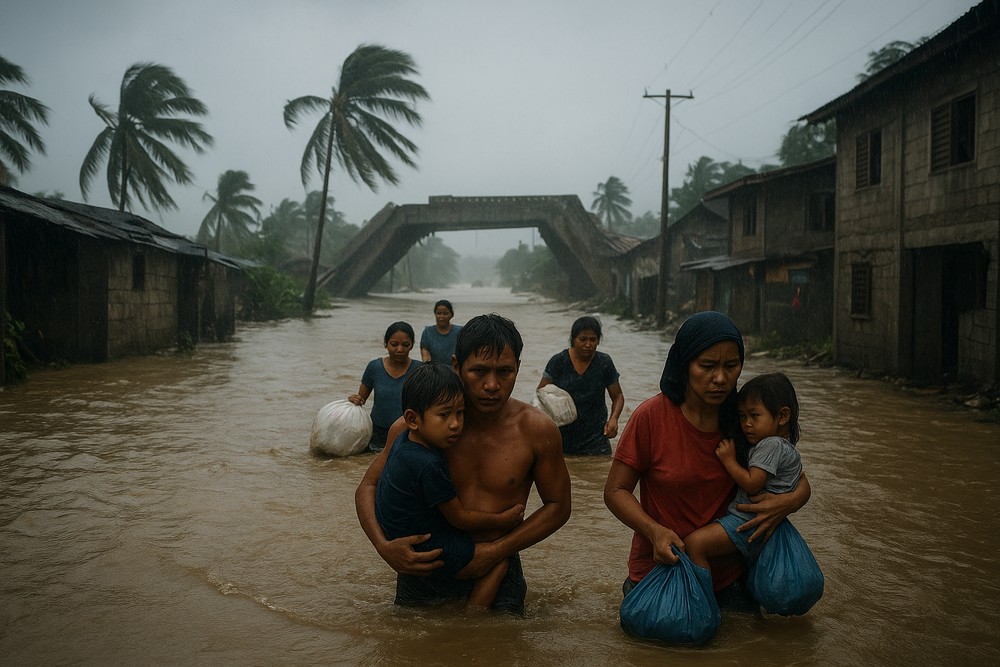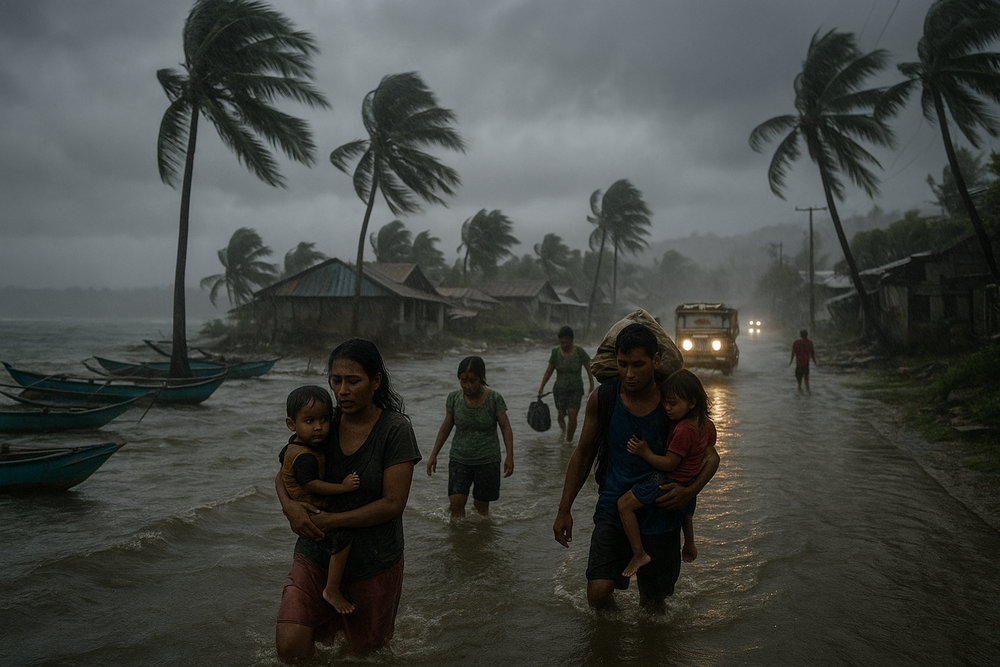
Cloudy skies, scattered rains, and isolated thunderstorms are set to persist across parts of the Visayas and Mindanao as a shear line continues to influence weather conditions, raising the risk of flash floods and landslides in several eastern provinces, according to the Philippine Atmospheric, Geophysical and Astronomical Services Administration (PAGASA).
The weather system is expected to bring moderate to heavy rainfall of 50 to 100 millimetres in vulnerable areas, particularly in Eastern Samar, Southern Leyte, the Dinagat Islands, Surigao del Norte and Surigao del Sur, Agusan del Norte and Agusan del Sur, Davao Oriental, and Davao de Oro. Authorities warn that low-lying, urban, and coastal communities may face flooding, while hilly areas remain prone to landslides.
Shear Line Brings Persistent Rains to Eastern Visayas and Mindanao
The shear line—formed where warm and cold air masses collide, forcing winds to converge—has settled over Caraga, the Davao Region, and parts of Eastern Visayas. PAGASA said it would bring “cloudy skies with scattered rains and isolated thunderstorms” to provinces including Leyte, Southern Leyte, Camiguin, and Misamis Oriental.
Unlike tropical cyclones that pass through quickly, a shear line can linger like a stalled front, steadily wringing moisture from the atmosphere. This makes rainfall more persistent, increasing the cumulative risk of flooding even in the absence of a storm.
Amihan Adds Light Rains Elsewhere
Beyond the areas directly affected by the shear line, the northeast monsoon, locally known as amihan, continues to influence much of the country. PAGASA forecasts cloudy skies with light rains across Cagayan Valley, the Bicol Region, Western Visayas, the rest of Eastern Visayas, Northern Mindanao, and parts of Luzon including Aurora, Quezon, and the Cordilleras.
Despite the unsettled conditions, PAGASA confirmed that there are no low-pressure areas or tropical cyclones being monitored within the Philippine Area of Responsibility.
Strong Winds and Rough Seas Threaten Coastal Communities
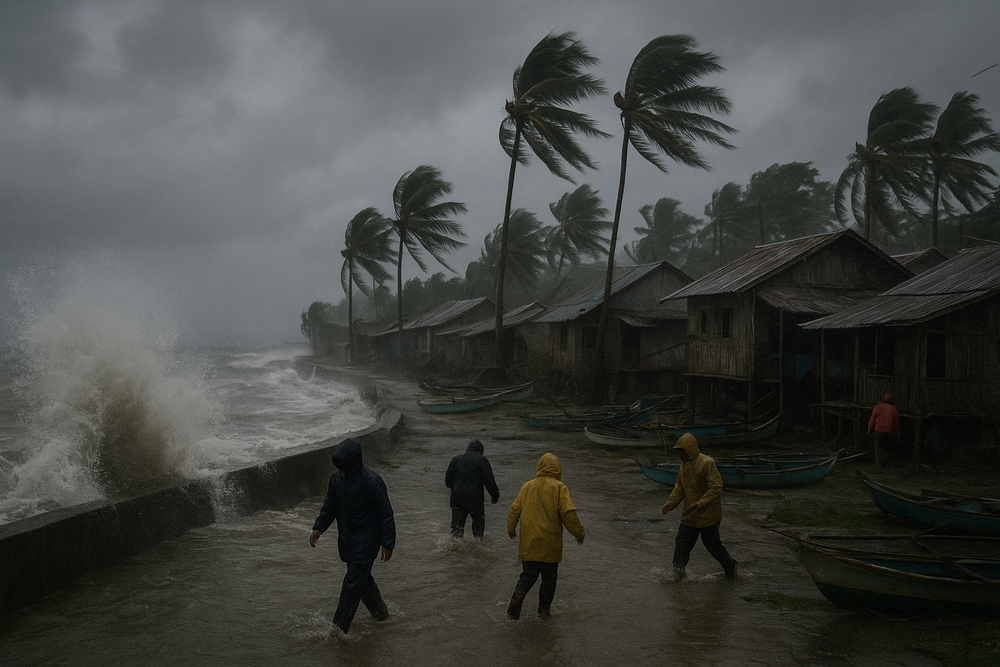
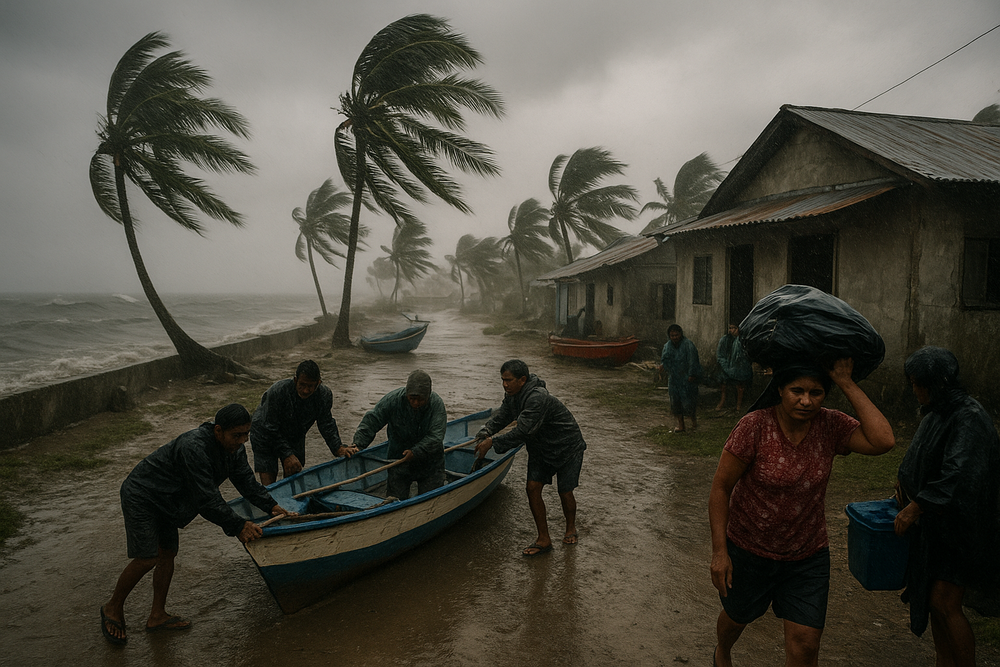
Weather conditions at sea are expected to deteriorate, particularly along the eastern seaboard. Strong to gale-force winds may affect parts of eastern Visayas and Mindanao, resulting in rough to very rough coastal waters.
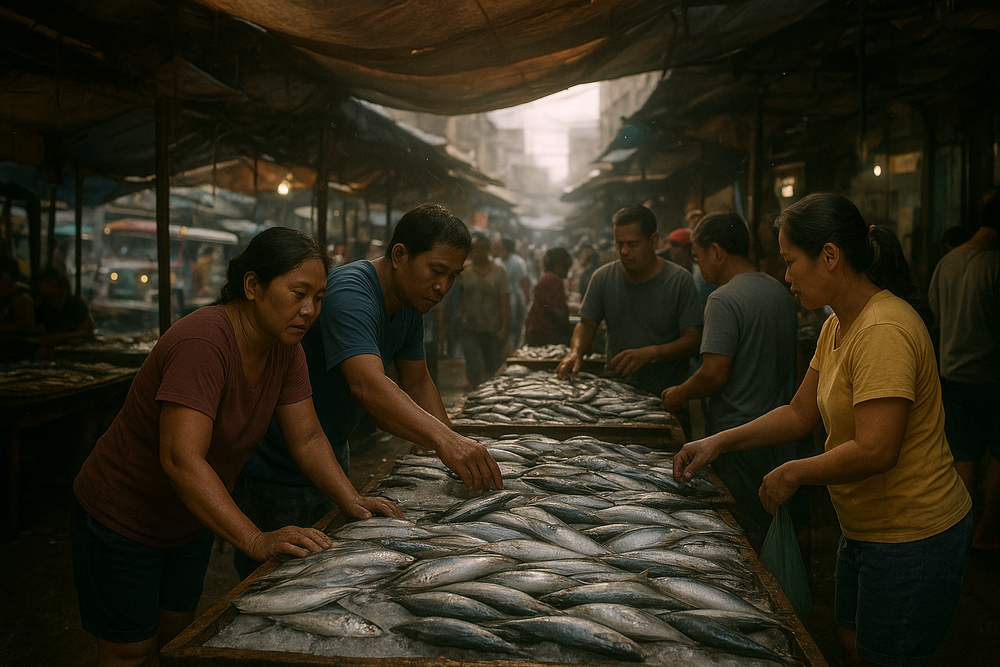
The forecast poses particular risks for small fishing vessels, with fisherfolk urged to remain in port during periods of rough seas. Disruptions to fishing activity could also tighten the supply of fresh seafood, affecting prices in local markets.
The Human Cost: Daily Life Under Threat
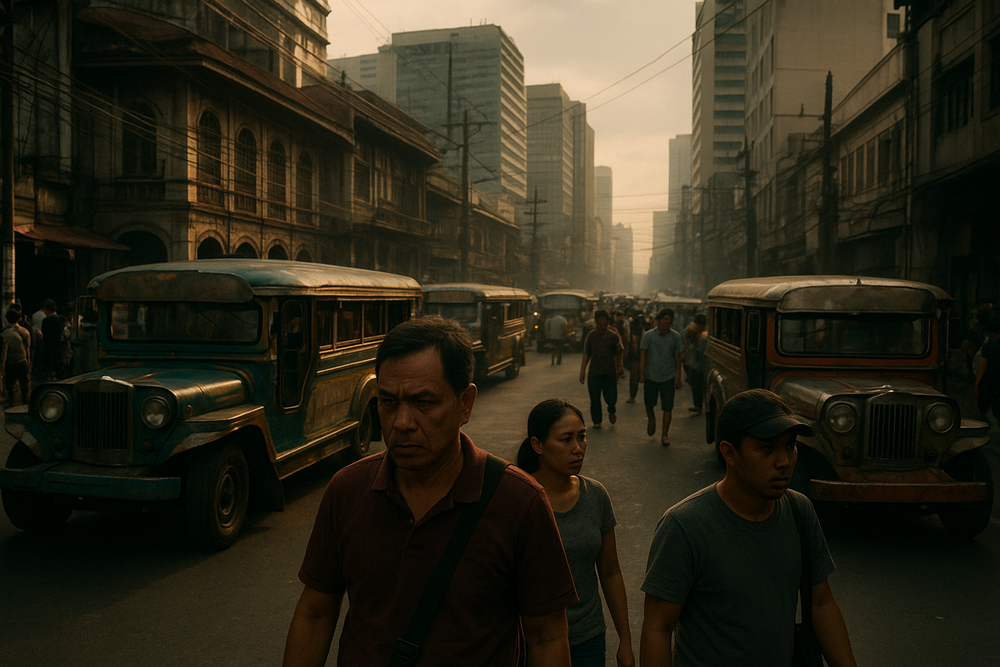
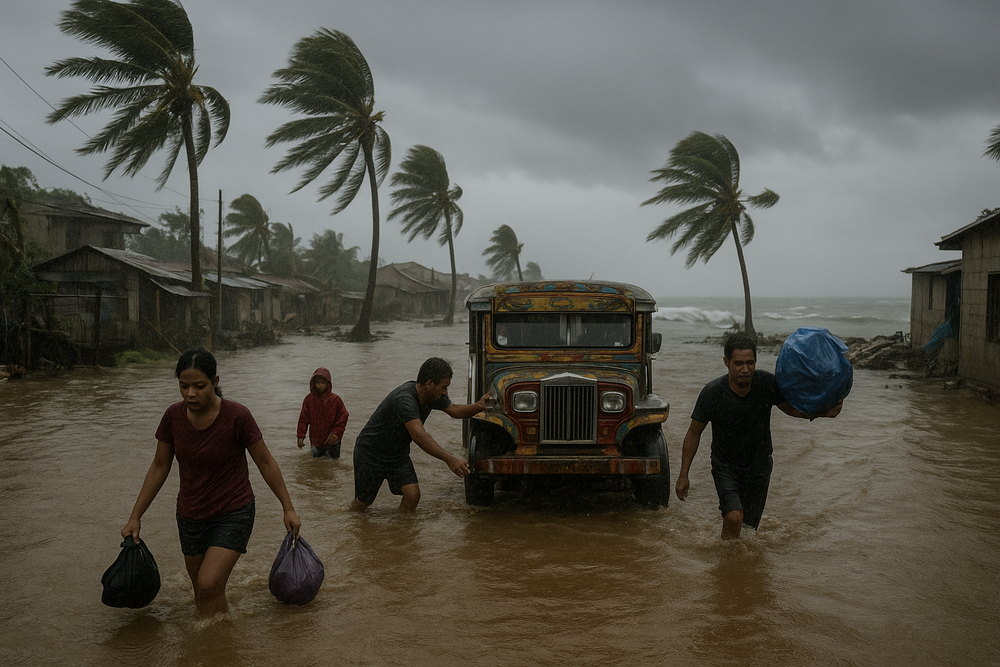
For residents of flood-prone barangays in Samar, Leyte, Surigao, Agusan, and Davao provinces, the continuing rains threaten everyday routines. Flash floods can quickly overwhelm roads, disrupting jeepney and van services, while small businesses such as sari-sari stores often suffer losses from water damage.
Farmers face the possibility of crop losses as saturated fields struggle to drain, a concern that could ripple through local food supplies, particularly for rice and vegetables. Informal settlers living near slopes or riverbanks remain among the most vulnerable, as even short bursts of heavy rain can trigger landslides.
Authorities Urge Vigilance
PAGASA has stressed the importance of heeding official advisories as the situation evolves. While the shear line may shift in the coming days, its effects can intensify depending on where cloud masses concentrate.
In an earlier briefing on similar conditions, PAGASA weather expert Grace Castañeda explained how these systems can suddenly focus rainfall over specific areas: “This is due to the potential shift of the shear line axis higher tomorrow, or the possibility of the denser cloud mass it brings becoming more focused.”
Local government units across affected provinces are expected to remain on alert under the country’s disaster risk reduction framework, preparing evacuation plans and monitoring rivers and slopes as rains continue.