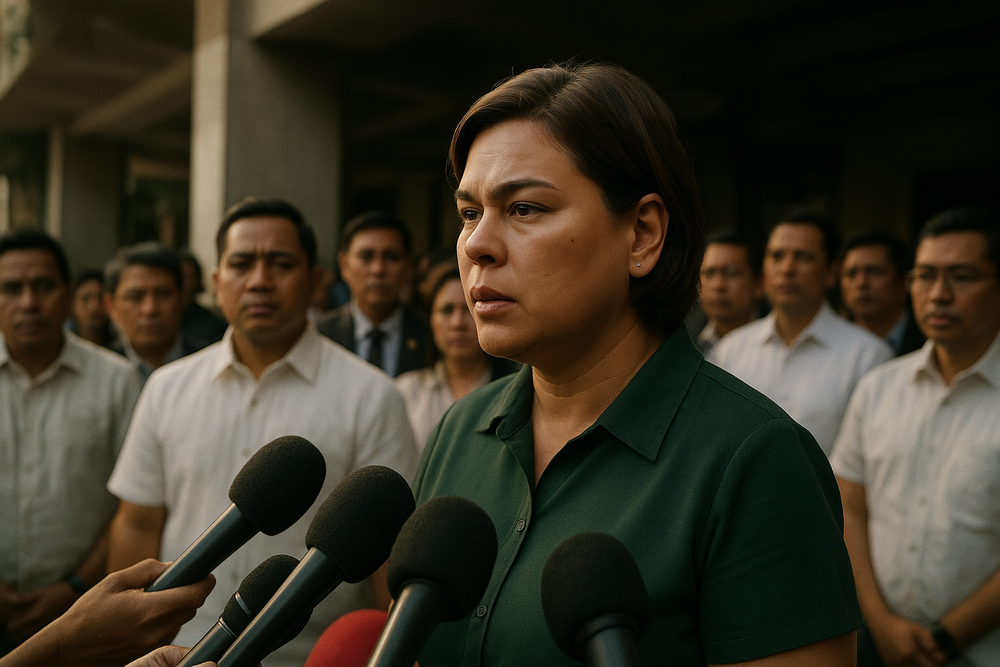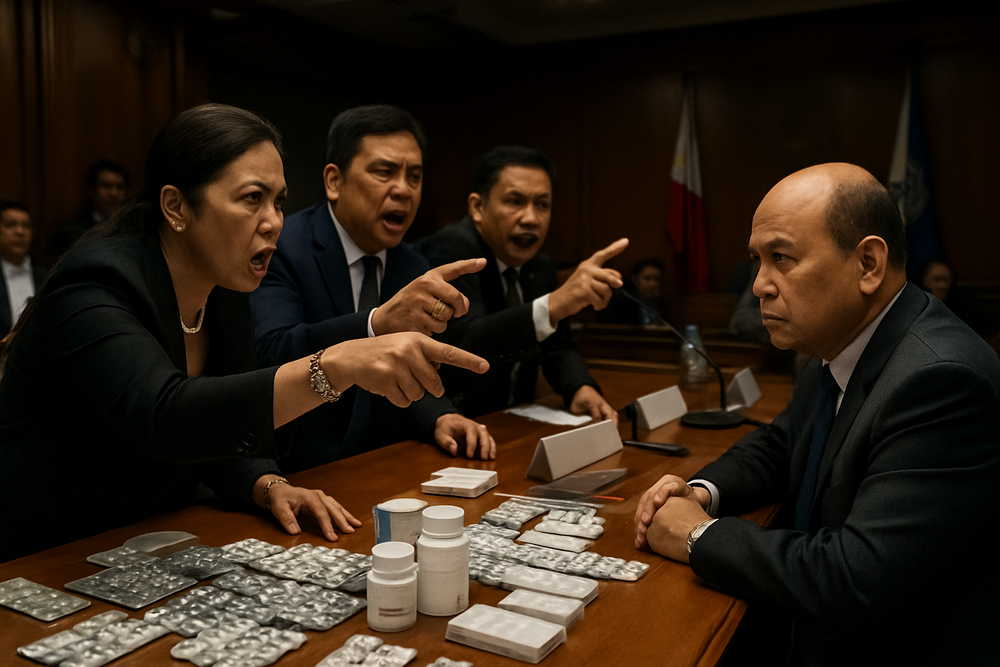
Senior lawmakers sharply rebuked the head of the Food and Drug Administration (FDA) during a heated Senate hearing on January 27, accusing the agency of failing to stop the widespread online sale of counterfeit, unregistered, and unsafe medicines—some of them prescription drugs sold without prescriptions and just a click away from consumers.
The hearing laid bare what senators described as a dangerous gap between regulation and reality, as fake and unregistered health products continue to flood both online marketplaces and physical bazaars, undermining public health protections and exposing millions to serious medical risks.
Senators Confront FDA Over Online Sales of Illegal Medicines
Appearing before the Senate Committee on Health and Demography, FDA Director General Paolo Teston faced sustained questioning over why prescription-only medicines are readily available on platforms such as Shopee, Lazada, TikTok, and Facebook without medical supervision.
Senators revealed that test purchases conducted ahead of the hearing confirmed that antibiotics and other regulated medicines could be bought online without any prescription—an explicit violation of Republic Act No. 9711, which governs the sale and distribution of health products.
“The fact that it is sold online and is a prescription medication makes it unlawful. By law, it must only be acquired from a pharmacy authorized by the Food and Drug Administration,” Teston said, acknowledging that such transactions are illegal under existing rules.
‘One Click Away From Danger’
Lawmakers warned that the convenience of online shopping has become a double-edged sword. Senator Erwin Tulfo captured the concern succinctly: “With convenience, one click away din kayo sa panganib”—with convenience, consumers are also just one click away from danger.
Senator Risa Hontiveros, who chairs the committee, said digital platforms allow illegal sellers to operate like shape-shifters, constantly changing accounts, packaging, and pricing to dodge detection.
“Sellers can quickly maneuver, conceal themselves behind various accounts, and swiftly alter their business models. In contrast, consumers lack adequate protection—almost as if they are being subjected to experimentation,” she said.
Harsh Criticism and Allegations of Incompetence
The most searing comments came from Senator Raffy Tulfo, who accused the FDA of chronic inaction and incompetence, citing findings by the Anti-Red Tape Authority.
“Sir, inutil ka po. I’m sorry to tell you. You’re incompetent,” Tulfo told Teston, calling the FDA one of the most complained-about agencies in government.
He went further, urging senior officials to resign and alleging—without presenting evidence at the hearing—that bribery may be enabling large pharmaceutical violations to go unchecked. Teston flatly denied any corruption within the agency.
Thousands of Cases, No Jail Time
Teston said the FDA currently has around 3,000 administrative cases pending against violators of food and drug laws. Penalties range from ₱50,000 to ₱500,000 per case, but he confirmed that enforcement so far has resulted only in fines, not imprisonment.
The absence of criminal sanctions, senators argued, has failed to deter illegal sellers, especially those operating online or importing questionable products from abroad.
Teston noted that many violations involve small-scale sellers who alter packaging or distribute foreign-made products beyond the agency’s direct jurisdiction, complicating enforcement under existing laws.
Counterfeits From Screen to Street
The problem, senators stressed, is not confined to the digital marketplace. Samples of counterfeit medicines purchased from physical markets in Binondo and Quiapo were presented during the hearing.
Authorities said fake products are often identifiable by unusually low prices, misspelled labels, unfamiliar languages on packaging, or the absence of FDA registration numbers. Yet for many consumers—especially those seeking cheaper alternatives—these warning signs are easy to miss.
Public Health Risks for Ordinary Filipinos
Health officials warned that the unchecked sale of unregistered medicines fuels self-medication, antibiotic resistance, and dangerous drug interactions.
Department of Health Secretary Teodoro Herbosa highlighted cases where patients combined so-called herbal supplements with prescription medicines, triggering harmful reactions.
“Many individuals mistakenly believe herbal products are harmless,” Herbosa said. “We have encountered cases where those using so-called herbal remedies were also taking anti-hypertensive medications, leading to potential interactions.”
Dialysis centers have also flagged a disturbing trend of younger patients, which some health workers suspect may be linked to prolonged use of unregulated health products.
Push for Tougher Laws and Faster Enforcement
In response, Senator Hontiveros filed Senate Bill No. 564, the Counterfeit Pharmaceutical Products Prevention Act, which seeks to strengthen regulations against fake and substandard drugs, particularly in the online space.
The proposed law would address risks such as incorrect dosing, harmful ingredients, and products that have never undergone clinical trials.
Other senators argued that new legislation should not delay action. They urged the PNP, PDEA, NBI, and cybercrime units to immediately intensify monitoring and enforcement, using existing intelligence funds to track online sellers, not just street-level traders.
A System Under Pressure
As the hearing closed, the exchange underscored a broader challenge: a regulatory system straining to keep pace with fast-moving e-commerce, where illegal sellers operate with the speed of software updates, while enforcement grinds at bureaucratic speed.
For consumers, especially the poor and those in remote areas reliant on online shopping, the stakes are high. Until oversight catches up, senators warned, the country risks turning its digital marketplaces into pharmacies without pharmacists—where the price of convenience may be measured in lives.