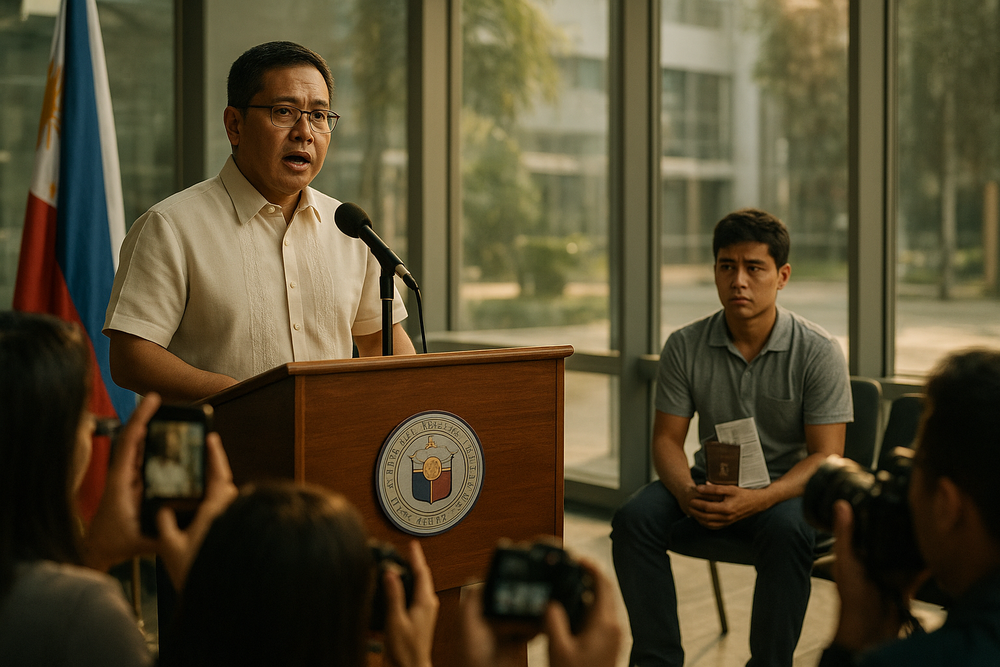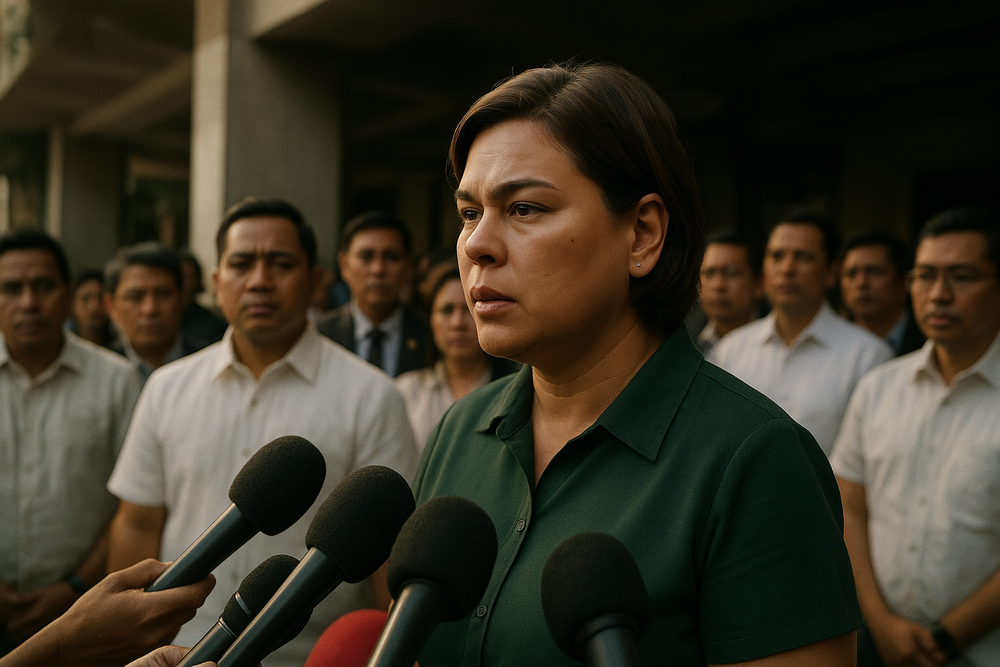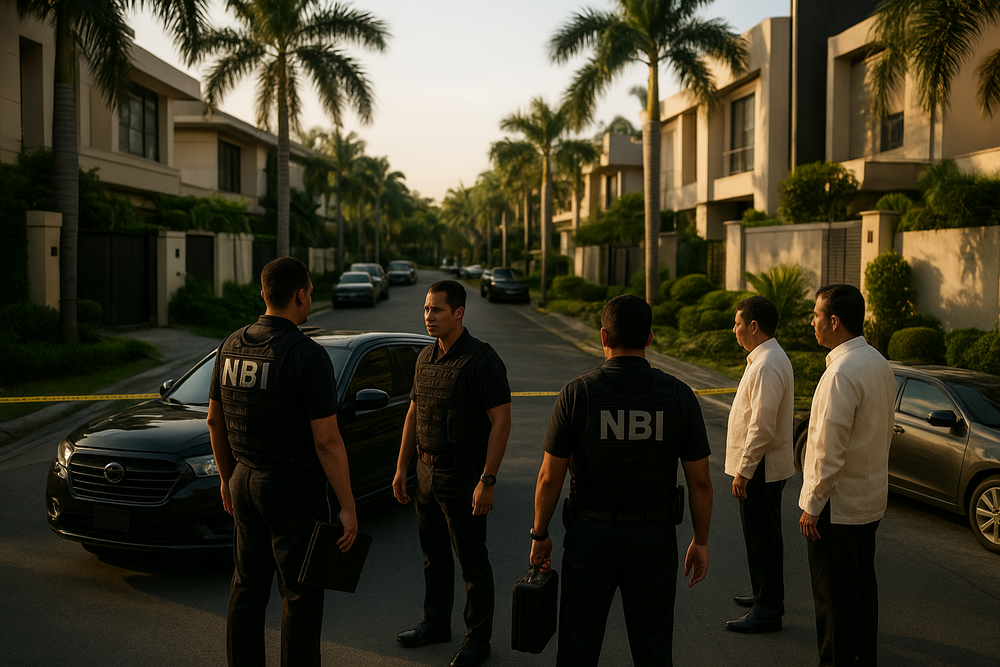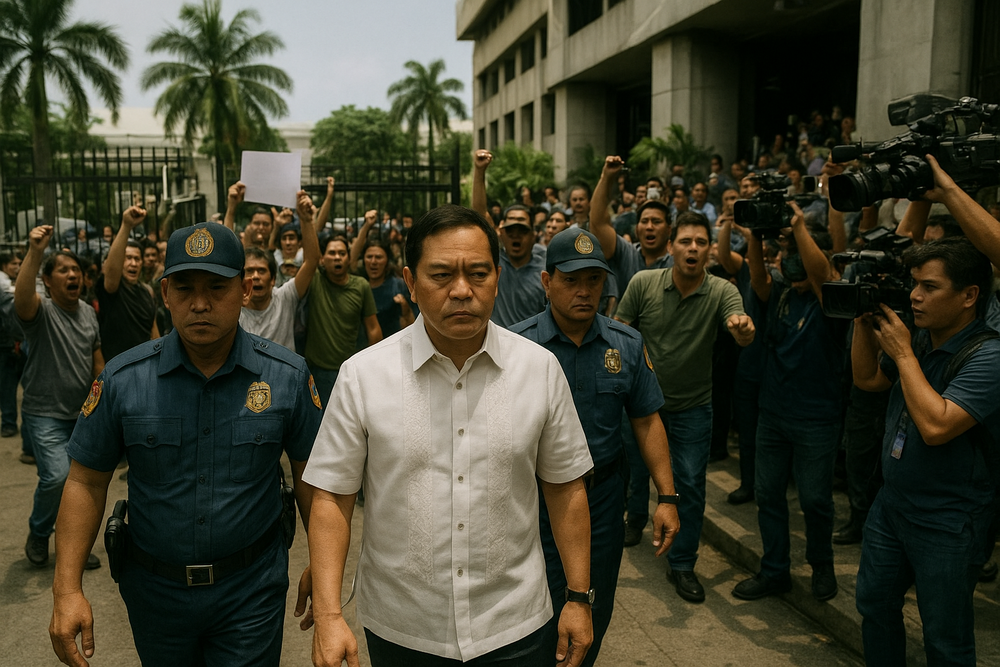
Former Senator Ramon “Bong” Revilla Jr. appeared before the Department of Justice (DOJ) on Thursday for a preliminary investigation into plunder allegations tied to allegedly anomalous flood control projects, marking the latest turn in a case that strikes at the heart of public infrastructure spending and government accountability.
Revilla, who was escorted by members of the Payatas police, faces a complaint that accuses him and several others of plunder, violations of the Anti-Graft and Corrupt Practices Act (Republic Act No. 3019), direct bribery, receiving gifts as a public officer, and corruption of public officers. The accusations stem from a purported scheme involving flood control projects implemented under the Department of Public Works and Highways (DPWH).
A High-Stakes Preliminary Probe
The proceeding on Thursday was a preliminary investigation, a stage in which prosecutors determine whether there is sufficient evidence to file formal charges in court. At this point, no court trial has begun. The DOJ will evaluate documentary submissions, sworn statements, and counter-affidavits before deciding whether probable cause exists.
Revilla was implicated in the alleged scheme by Roberto Bernardo, a former DPWH undersecretary, and Henry Alcantara, a former DPWH engineer. Both men are currently under the DOJ’s Witness Protection Program (WPP), a status that provides them security and legal safeguards in exchange for their cooperation.
The complaint alleges irregularities in unspecified flood control infrastructure projects. Authorities have not publicly detailed the specific locations, project amounts, or dates covered by the investigation.
Revilla Denies Allegations
Revilla has consistently denied the accusations. Speaking on Thursday, he lashed out at those who implicated him, saying, “I don’t know how my accusers can sleep.”
The remark underscored his position that the allegations lack merit and suggested skepticism about the credibility of the witnesses against him.
His appearance at the DOJ comes amid renewed public scrutiny of government flood control spending—projects that typically command large budgets due to their scale and critical importance.
Supporters Rally Outside
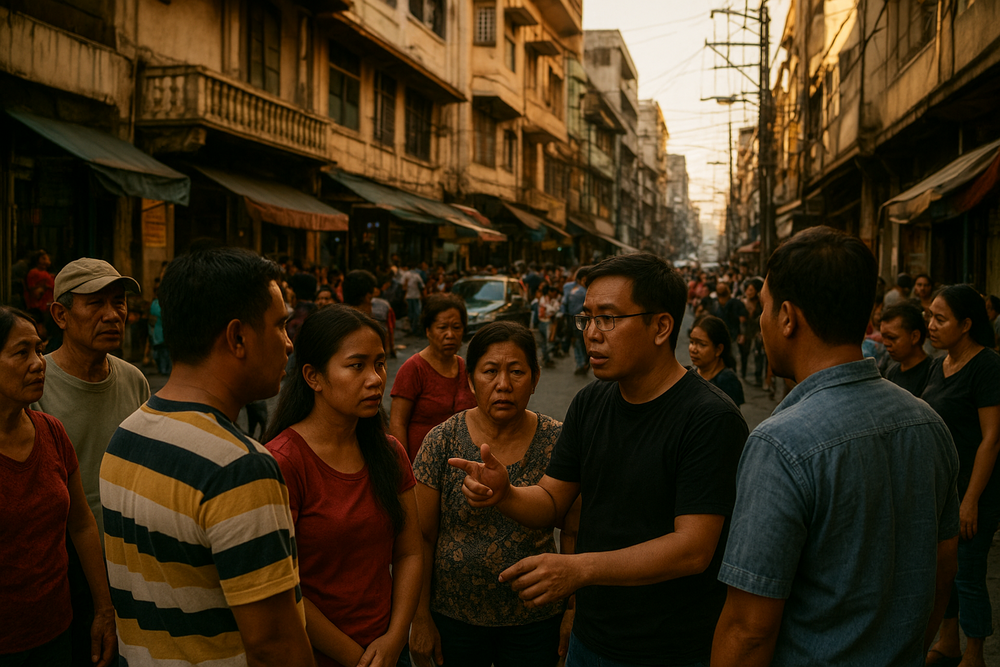
Outside the DOJ compound, supporters from Cavite province, Revilla’s political bailiwick, staged a protest in his defense. They called on authorities to remove Bernardo and Alcantara from the Witness Protection Program, arguing that the two former DPWH officials were themselves primarily responsible for any wrongdoing.
Mark Bulier, a supporter from Cavite, said: “The people of Cavite do not believe that Senator Bong Revilla should be jailed. We believe that he is not part of all the theft and how the flood control project was implemented.”
He added: “We are calling on the DOJ to remove Usec. Bernardo and Henry Alcantara from the WPP because they are the ones who should primarily be jailed, tried, and held accountable.”
The DOJ has not indicated any plan to revoke the witnesses’ protection status.
The Legal Framework
The complaint anchors its accusations in several key laws:
- Plunder, which penalizes public officials accused of amassing ill-gotten wealth through a series of corrupt acts;
- Republic Act No. 3019, or the Anti-Graft and Corrupt Practices Act, which defines and penalizes corrupt conduct by public officers;
- Provisions under the Revised Penal Code covering direct bribery and corruption of public officers.
Under Philippine law, plunder is considered one of the gravest corruption charges and carries severe penalties if proven in court.
Flood Control and the Public Interest
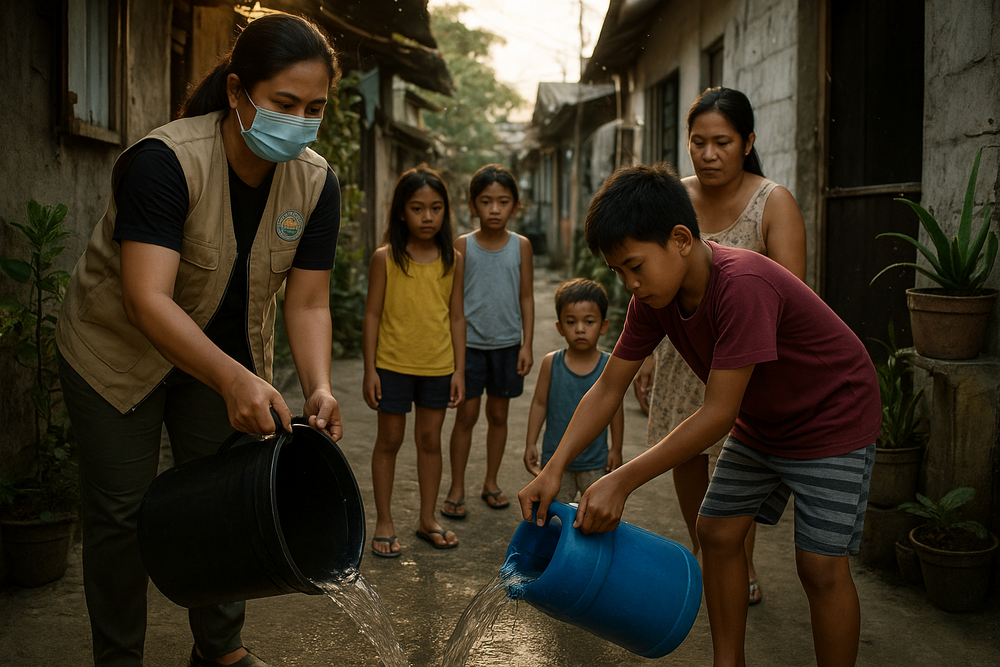
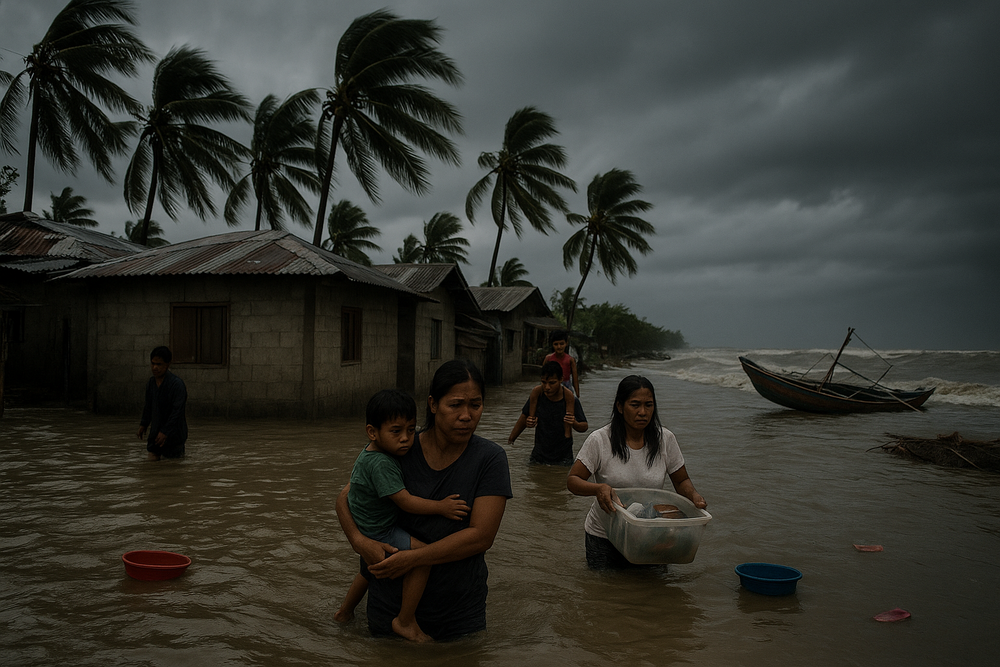
Flood control projects are designed as the country’s first line of defense against torrential rains and typhoons. In a nation regularly battered by monsoons and tropical storms, sturdy drainage systems, dikes, and pumping stations can mean the difference between manageable flooding and catastrophic loss.
Allegations of corruption in such projects carry consequences beyond balance sheets. Faulty or substandard infrastructure may fail when communities need it most. Misused funds translate into delayed protections for flood-prone neighborhoods, disrupted livelihoods, and heightened risk to life and property.
Though authorities have not disclosed specific project failures linked to the complaint, the case has renewed concerns over the oversight of large-scale public works.
What Comes Next
The preliminary investigation will determine whether prosecutors find probable cause to elevate the case to court. If so, formal charges could be filed, setting the stage for a protracted legal battle.
For now, the proceeding remains in its fact-finding phase. Revilla retains the presumption of innocence, while the DOJ evaluates the evidence brought forward by state witnesses under its protection.
As the legal process unfolds, the case places renewed focus on the integrity of public infrastructure spending—particularly projects meant to shield citizens from nature’s most destructive forces.