MANILA — Interior and Local Government Secretary Jesus Crispin Remulla said he will meet with leaders of Tau Gamma Phi following the alleged hazing death of a 19-year-old maritime student in Cavite, a case that has once again placed the province at the center of the country’s long-running battle against lethal initiation rites.
The student reportedly underwent fraternity initiation rites on March 1, 2026, and later died. A suspect surrendered to authorities on March 3, as investigators began building a case under the Anti-Hazing Act of 2018 (Republic Act No. 11053).
Remulla, who previously confronted fraternity-linked violence as Cavite governor, signaled that accountability may reach beyond student initiates.
“Well, the fraternities must be served notices, probably, the alumni of each fraternity should be listed as among those who are part of the fraternity and who should be responsible also when things happen,” Remulla said in an earlier statement addressing fraternity oversight.
At the same time, he emphasized the limits of his office. “I will not comment on a personal point of view. We’re here to just implement the law,” he said.
Echoes of a 2023 Burial in Cavite
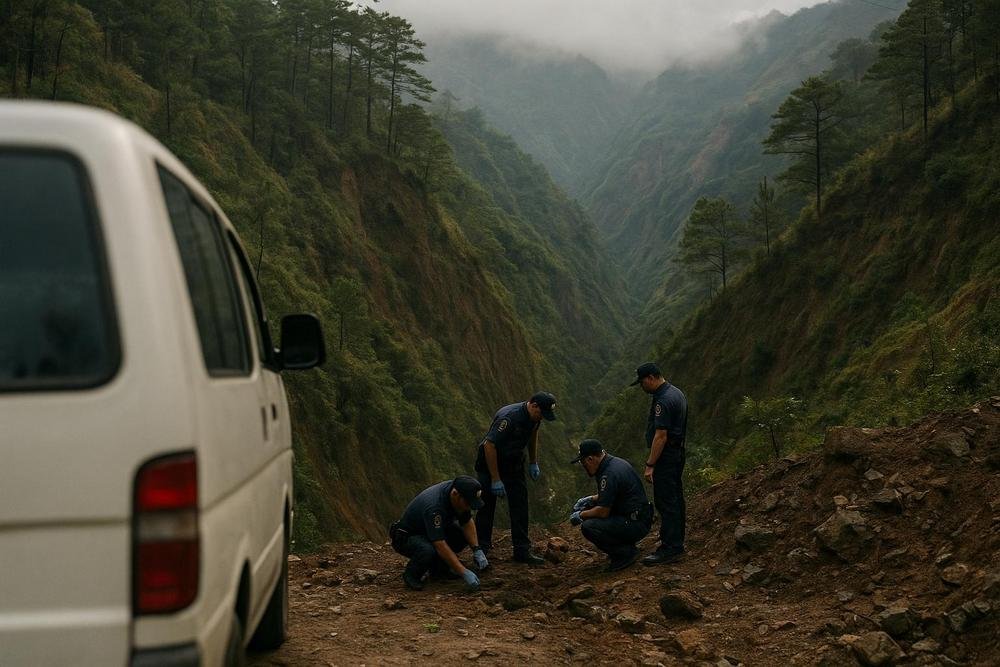
The latest death bears unsettling similarities to the 2023 hazing case of John Matthew Salilig, a 24-year-old chemical engineering student from Adamson University whose body was found in a shallow grave in Imus, Cavite, on February 28, 2023.
Salilig had undergone fraternity rites days earlier. Investigators later uncovered what the National Bureau of Investigation described as 250 pages of group chat messages detailing planning and participation in the initiation. The Department of Justice indicted seven Tau Gamma Phi members for violations of the Anti-Hazing Act, and additional complaints were filed against 18 others.
DOJ spokesperson Mico Clavano said at the time: “No word yet on exactly when the cases will be filed although since the resolution has already come out we can expect within the day or by tomorrow na mai-file na yung information sa korte.”
Several suspects in that case surrendered to then Cavite Governor Jonvic Remulla, the brother of the current Interior secretary. The convergence of the two cases in Cavite has sharpened scrutiny of fraternity activities in the province, where Tau Gamma Phi conducted its first formal initiation in 1969, a year after its founding at the University of the Philippines Diliman.
A Pattern Beyond Cavite
Cavite is not alone. In December 2022, Ronnel Baguio, a 20-year-old marine engineering student at the University of Cebu, died following initiation rites linked to Tau Gamma Phi. Authorities there pursued charges under the Anti-Hazing Act and weighed possible murder complaints.
Tau Gamma Phi, also known as the Triskelions’ Grand Fraternity, was founded on October 4, 1968. The organization describes its principles as rooted in discipline and leadership. Yet repeated deaths tied to alleged initiation rites have cast a long shadow over its chapters nationwide.
The Commission on Human Rights, reacting to earlier cases, condemned hazing as a “ritualistic act of humiliation” and described related deaths as “a loss that should never have happened.”
Law on Paper, Enforcement in Practice
Republic Act No. 11053, enacted in 2018, criminalizes hazing and holds organizers, participants and even those present during initiation rites liable when violence results in injury or death. The law was meant to close loopholes that once allowed fraternities to evade responsibility by claiming consent or limiting culpability to direct assailants.
But enforcement has proven complex. Hazing rites are often conducted in private homes or secluded areas. Coordination takes place in encrypted chats. Silence—sometimes enforced by fear, sometimes by loyalty—slows investigations.
Remulla’s proposal to formally serve notices to fraternities and include alumni in accountability frameworks aims to widen the circle of responsibility. The suggestion signals a shift from punishing individuals after fatalities occur to building structures that deter secrecy before rites begin.
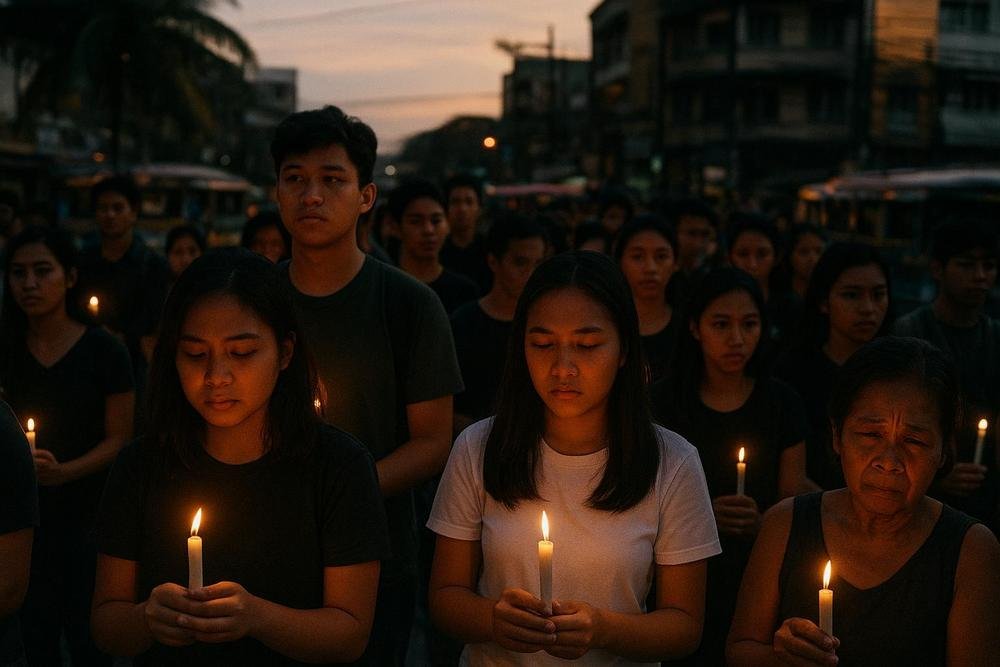
Families Left to Grieve
Behind each headline stands a family whose expectations collapse overnight. The victims in Cavite and Cebu were all pursuing professional degrees—chemical engineering, marine engineering, maritime studies—paths that often promise economic mobility for working- and middle-class households.
For many parents, fraternities offer the allure of belonging and professional networks. But recurring deaths have instead turned that promise into a source of anxiety. Each new investigation disrupts campus life and strains public confidence in student safety.
In Cavite, where fraternity history stretches back nearly six decades, the issue now feels cyclical—like a tide that retreats after each prosecution only to surge again with another life lost.
Next Steps in the Cavite Probe
Authorities have not released full details of the March 1 initiation rites, but investigators are expected to pursue charges under the Anti-Hazing Act. The surrender of a suspect may accelerate proceedings, though officials have not disclosed whether additional participants have been identified.
As secretary of the Department of the Interior and Local Government, Remulla oversees the Philippine National Police, which will play a central role in the inquiry. His planned dialogue with Tau Gamma Phi leadership signals both pressure and opportunity: pressure to cooperate fully with investigators, and an opportunity to confront a culture that has repeatedly tested the country’s anti-hazing laws.
Nearly eight years after the passage of a law meant to end deadly initiations, authorities remain locked in a grim contest between reform and ritual. In Cavite, the outcome will once again hinge on whether accountability reaches beyond those who wielded the paddle to those who allowed it to be raised.