Pope Leo XIV issued a stark warning on Sunday over the spiralling violence in the Middle East, describing the mounting bloodshed as a “tragedy of enormous proportions” and urging world leaders to step back from what he called an “irreparable abyss” of retaliation and war.
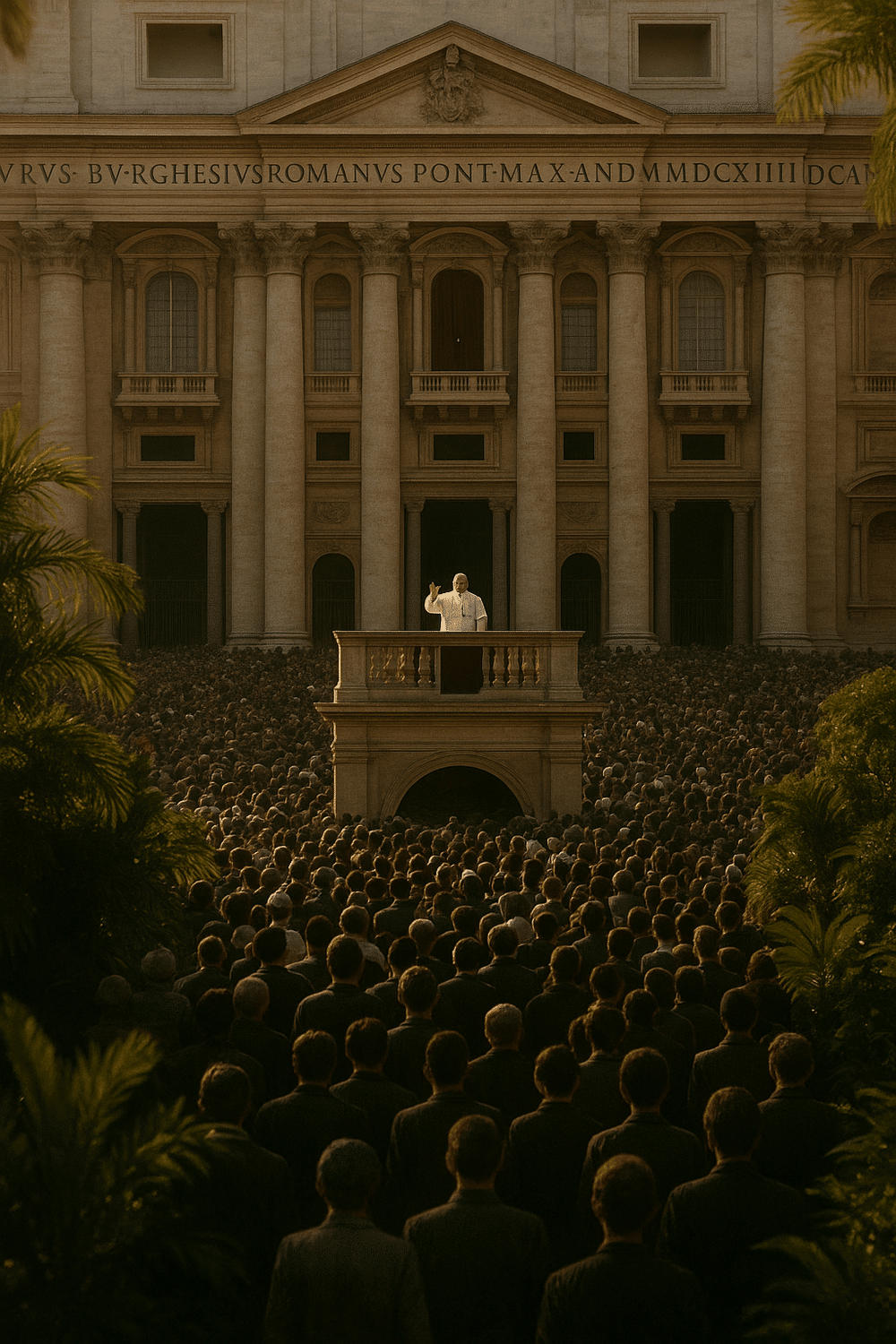
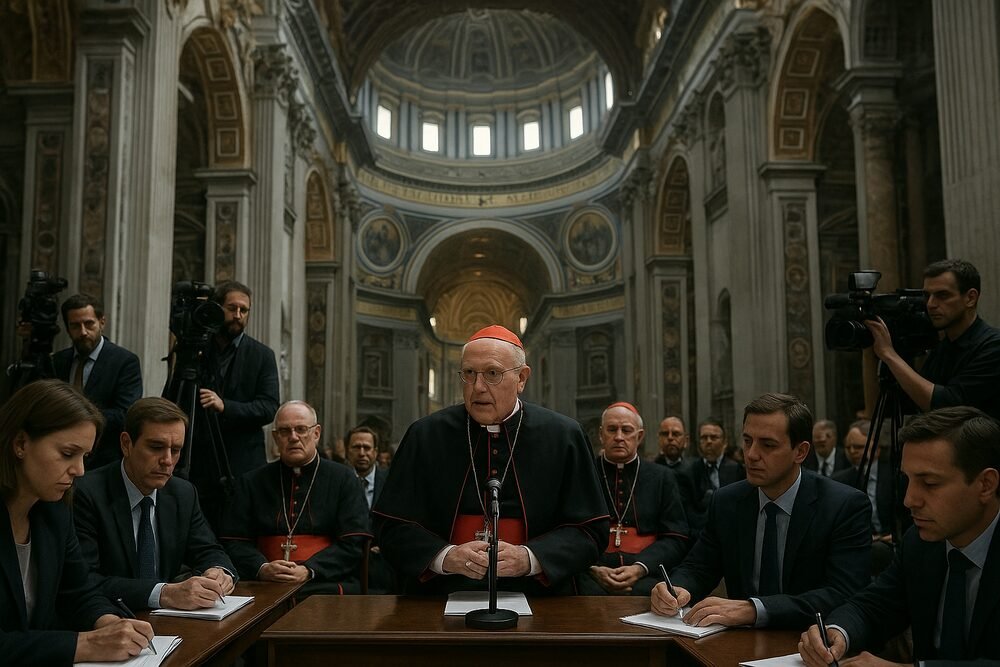
Speaking from the balcony of St. Peter’s Basilica during the Angelus address on March 1, 2026, the Pope lamented the loss of life across Iran, Israel and Lebanon following a dramatic escalation that began days earlier with coordinated U.S.-Israeli strikes on Iran. The air raids killed Iran’s supreme leader, Ayatollah Ali Khamenei, 86, and ignited a chain of missile exchanges across the region.
“Faced with the potential for a disaster of vast scale, I implore the involved parties to take on their moral duty to halt the cycle of violence before it leads to an irreparable divide,” the Pope said, addressing thousands gathered in St. Peter’s Square and millions watching globally.
A Region Pushed to the Brink
The latest hostilities erupted on February 28, 2026, when American and Israeli forces launched surprise strikes targeting Iranian military and nuclear infrastructure. According to Washington, the operation aimed “to ensure that Iran does not obtain a nuclear weapon” and to dismantle its missile capabilities.
The strikes killed Khamenei and triggered swift retaliation from Tehran. Iranian missiles hit central Israel, killing at least four people in one attack, while broader exchanges have since claimed:
At least 1,230 lives in Iran
About 12 in Israel
Six U.S. service members
394 people in Lebanon, including 83 children, in related clashes between Israel and Hezbollah
Iran also launched strikes against Gulf states hosting U.S. military bases, including damage to a desalination plant in Bahrain, expanding the theatre of confrontation beyond the original combatants.
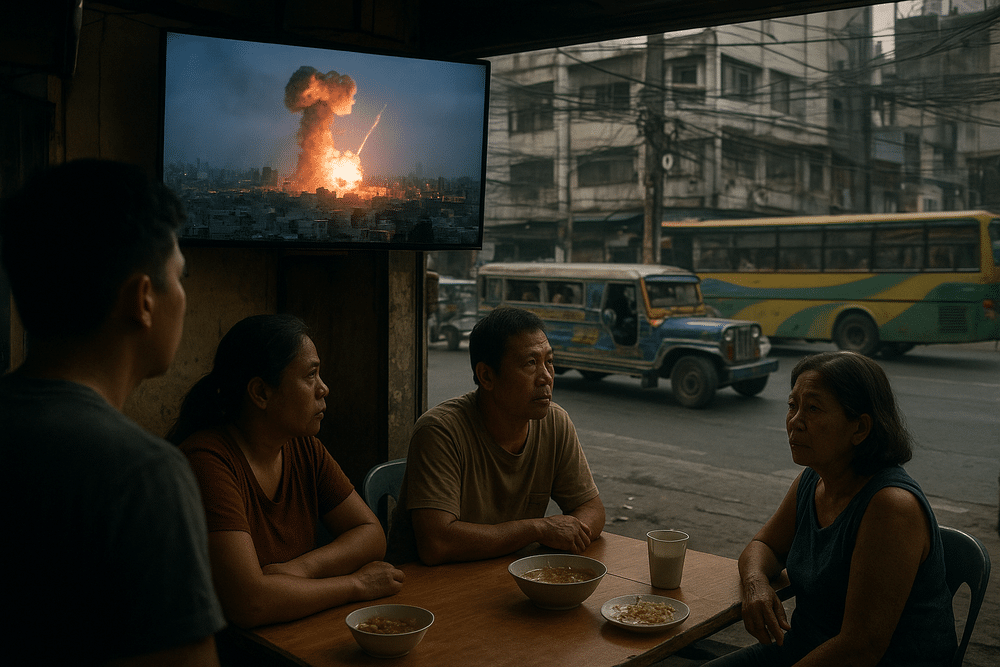
The scale and speed of the escalation have left the region balanced precariously between limited conflict and a wider war that could reshape the Middle East.
Papal Appeal for Moral Responsibility
Pope Leo’s address did not single out specific governments for condemnation. Instead, he framed the crisis as a collective moral failure demanding urgent restraint.
“Assume the moral responsibility of stopping the spiral of violence before it becomes an irreparable abyss,” he urged.
He warned that enduring peace cannot be forged through deterrence or devastation. “Stability and peace is not built with reciprocal threats nor with weapons that sow destruction, pain and death, but only through a reasonable, authentic, responsible dialogue,” the Pontiff said.
The Vatican has consistently positioned itself as a voice for de-escalation in geopolitical conflicts. On Sunday, that message took on heightened urgency as the casualty toll mounted and regional alliances hardened.
Civilians Caught in the Crossfire
While military objectives and strategic calculations dominate official statements, the human cost has become increasingly visible. Nearly 400 deaths in Lebanon—including scores of children—underscore the widening humanitarian impact, even in areas not initially targeted in the first wave of strikes.
The Pope’s lament encompassed civilian suffering across all affected territories. Though early reports circulating online suggested the death of a priest in the region, verified accounts from primary sources have not detailed the circumstances of any specific clerical casualty. The Vatican’s appeal, however, drew attention broadly to the toll on innocent lives.
“Let us pray together that harmony may prevail in all conflicts throughout the world. Only peace, a gift from God, can heal the wounds between peoples,” Pope Leo said, before entrusting his prayer to “Mary, Queen of Peace.”
Global Reverberations
The conflict’s implications extend beyond the immediate battlefield. Gulf states hosting American forces have been drawn in through retaliatory strikes, raising fears of disruptions to essential infrastructure and regional energy security.
Although no official data has yet indicated direct economic consequences for Malta, analysts warn that sustained instability in the Middle East could affect global oil markets and international trade routes. Such ripple effects often reach Europe swiftly, touching fuel costs and broader economic stability.
For now, diplomatic channels appear strained. Iranian Foreign Minister Abbas Araghchi defended Tehran’s response as a consequence of the initial strikes, while Washington has reiterated its security rationale.
A Call Beyond Politics
Pope Leo concluded his address with a plea that transcended political alliances and strategic calculations.
“I entrust this supplication to Mary, Queen of Peace. May she intercede for those who suffer because of war and guide hearts along the paths of reconciliation and hope.”
As missiles arc across borders and casualty counts rise, the Pope’s words cast the crisis in stark moral terms: a choice between dialogue and devastation. Whether the appeal finds traction among leaders remains uncertain. But with more than 1,600 lives already lost in a matter of days, the margin for miscalculation grows thinner by the hour.