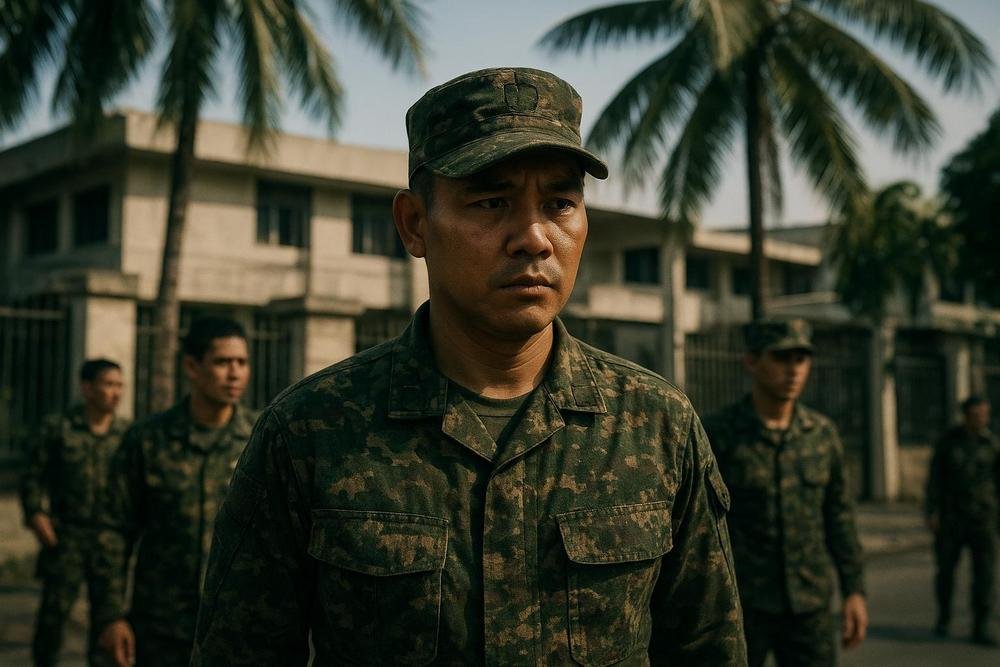
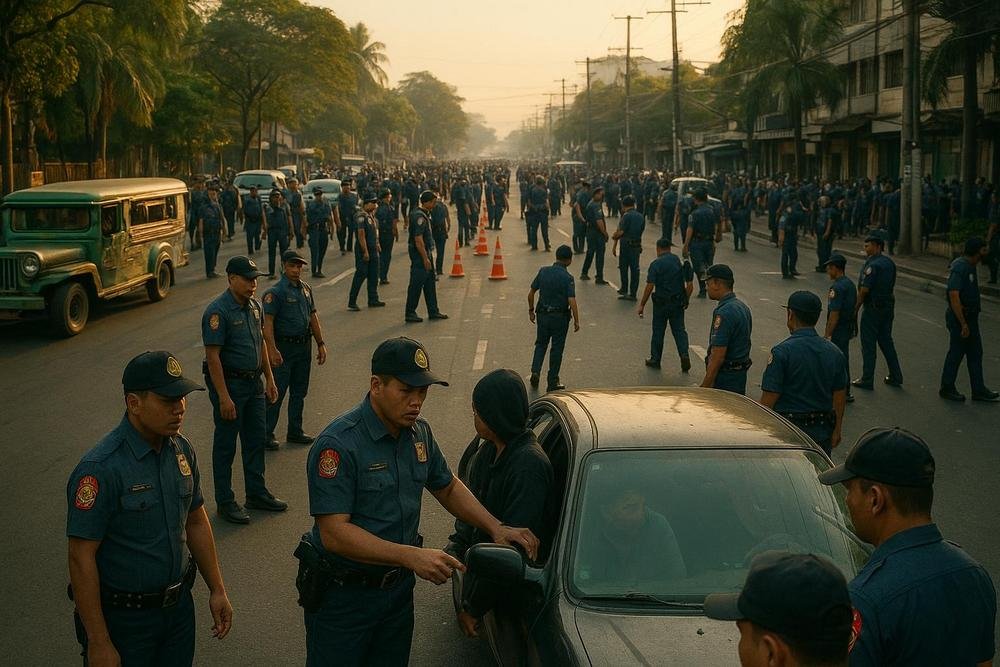
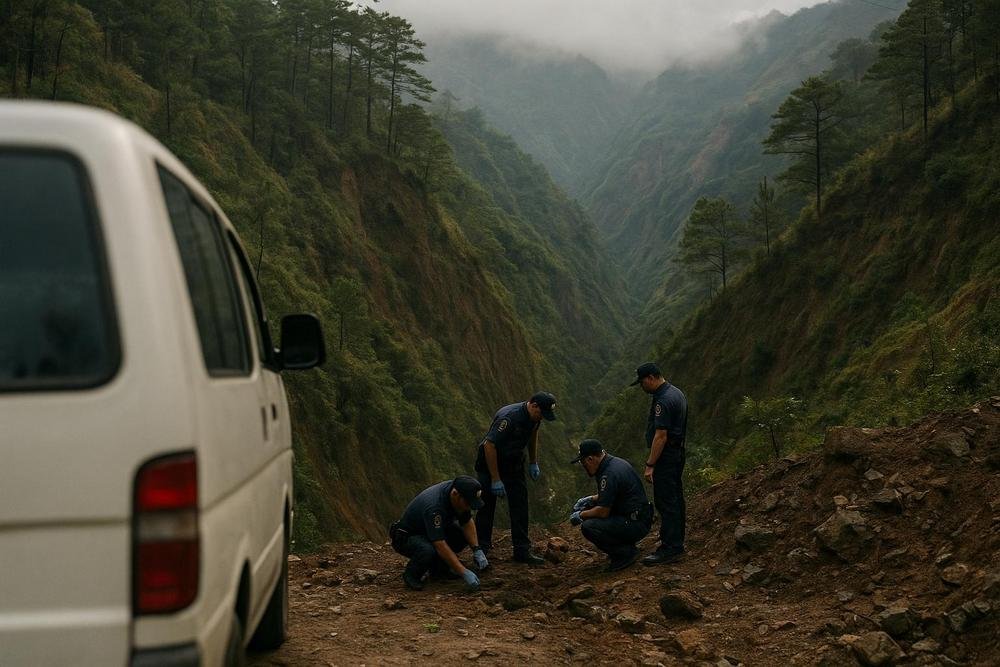
The Philippine National Police (PNP) has launched an internal investigation into at least 10 former police officials allegedly linked to extortion and kidnapping syndicates, in a widening crackdown that underscores concerns about corruption even beyond active service. The probe, ordered by PNP Chief Gen. Jose Melencio C. Nartatez Jr., aims not only to validate the allegations but also to determine whether former officers maintained connections inside the organization.
The inquiry follows a directive from the Department of the Interior and Local Government (DILG), which has intensified its campaign against organized crime. Authorities say the involvement of ex-officers—whether retired, dismissed, or previously active—poses a distinct threat because of their training and operational knowledge.
Orders for a Deep-Dive Investigation
Speaking at a press briefing on February 23, PNP spokesperson Brig. Gen. Randulf Tuaño confirmed that the allegations are under validation.
“Base po doon sa report ng extortion and kidnapping syndicate na diumano ng 10 ex-PNP personnel, kaugnay nito ang naturang pahayag ay bahagi ng malaking kampanya ng DILG laban sa kriminalidad,” Tuaño said, linking the probe to the broader anti-crime initiative of the DILG.
He added: “Sa panig naman po ng PNP, further validation ang ginagawa kaugnay ng mga nasabing grupo. Kung sinumang kabahagi ng nasabing syndicate kung ikaw man ay aktibo, retirado, o dismissed na miyembro ng PNP, ito ay lahat ay mananagot sa batas.”
Gen. Nartatez has directed the Intelligence Group (IG) and the Integrity Monitoring and Enforcement Group (IMEG) to conduct a comprehensive review. The investigation extends beyond current activities to potential “internal protectors” who may have facilitated or tolerated the syndicates’ operations.
“We are not just looking at their current activities but also who their possible connections inside the organization,” Nartatez said. “Hindi tayo titigil hangga’t hindi natin natutukoy ang bawat galamay ng mga grupong ito.”
“High-Risk” After Leaving Service
While active officers are bound by strict internal discipline, former personnel can fall into what officials describe as a regulatory blind spot. Nartatez acknowledged the unique danger posed by officers operating outside the force.
“Even if they are already out of the service, they still carry the tactical knowledge they learned here, and that makes them high-risk,” he said.
That tactical knowledge—ranging from surveillance methods to investigative protocols—can allow criminal groups to anticipate law enforcement strategies. Authorities fear such insiders-turned-operators could function like chess players who already know their opponent’s next move.
Broader Criminal Networks Under Scrutiny
Although financial details tied directly to the alleged kidnapping and extortion rings have not been disclosed, related enforcement actions point to the scale at which organized crime networks can operate.
In Pampanga, authorities recently seized illegal cigarettes worth more than PHP 70 million from a single warehouse. Officials have warned that profits from such ventures can bankroll other illicit activities, including arms smuggling and human trafficking.
Investigators are now reviewing administrative records and past cases involving the accused ex-officers to determine whether earlier complaints were overlooked or insufficiently pursued.
Reassessing Internal Safeguards
Beyond individual accountability, the PNP leadership has signaled institutional reforms aimed at preventing post-service criminal involvement. Nartatez ordered a reassessment of monitoring systems, particularly in sensitive units, and the consolidation of records that may reveal risk patterns among personnel nearing retirement or facing dismissal.
The organization is also strengthening ethics training, anti-corruption workshops, and early-detection mechanisms designed to identify potential misconduct before officers leave the force.
The PNP was established under Republic Act 6975 in 1990, a law intended to professionalize and centralize law enforcement in the Philippines. Since then, it has faced periodic corruption scandals, prompting recurring calls for reform. The current probe adds urgency to those efforts, particularly as it highlights vulnerabilities after officers exit formal service.
Impact on Public Trust and Safety
For ordinary citizens, allegations that former police officers may be involved in kidnapping and extortion syndicates cut deep. Kidnapping and extortion crimes not only threaten personal safety but also erode confidence in the very institution tasked with preventing them.
Communities beyond Metro Manila, across the archipelago, have voiced concerns over organized crime networks that exploit local businesses and vulnerable individuals. When former enforcers become alleged offenders, the psychological effect can be as damaging as the crimes themselves, casting doubt over the integrity of law enforcement.
PNP officials insist the current investigation demonstrates a willingness to confront those risks head-on. As Tuaño emphasized, accountability will extend to anyone involved, regardless of status.
For the PNP, the challenge is twofold: dismantling any syndicates that may have taken root and reinforcing an institutional culture that ensures officers do not carry their badges’ authority into criminal enterprises once the uniform is removed.
The investigation remains ongoing. Authorities have not yet released the names of the individuals under scrutiny, pending validation of the evidence and the filing of any formal charges.