MANILA — Most parts of the Philippines will experience cloudy skies and isolated rain showers in the coming days as warm Pacific winds known as easterlies continue to dominate the country’s weather, according to the Philippine Atmospheric, Geophysical and Astronomical Services Administration (PAGASA).
The state weather bureau said conditions will remain generally warm and humid, with thunderstorms likely to develop in the afternoon or evening. While no tropical cyclones or low-pressure areas are under monitoring, a weak surge of the northeast monsoon, or amihan, has begun affecting extreme northern Luzon, bringing light rainfall and moderate to rough seas.
Warm Pacific Winds Set the Tone
PAGASA weather specialist Chenel Dominguez confirmed that the easterlies have become the prevailing system across the archipelago.
“Expect warm and humid weather, especially at noon and evening due to the prevailing easterlies,” Dominguez said in a March 3 briefing.
The easterlies—warm winds blowing in from the Pacific Ocean—act like a slow, persistent current of moist air. As the heat builds through the day, that moisture can rise and form thunderclouds, leading to sudden but localized downpours.
“Isolated rain showers or thunderstorms may still occur,” PAGASA said.
Despite the unsettled conditions, the agency stressed that there are no active tropical cyclones within the Philippine Area of Responsibility. “No tropical cyclone or low-pressure area is being monitored within the Philippine area of responsibility,” Dominguez said.
Monsoon Returns to the North
The northeast monsoon has started to influence Batanes and the Babuyan Islands, ushering in light rains and slightly stronger winds.
However, PAGASA tempered expectations of a dramatic temperature drop. “The amihan may return and affect parts of Luzon over the weekend, although temperatures are not expected to become as cold as during previous monsoon surges,” Dominguez noted.
Sea travel in extreme northern Luzon may prove challenging. Authorities reported moderate to strong winds and moderate to rough seas in the area. Elsewhere in the country, winds remain light to moderate, with slight to moderate sea conditions. As of late February, no gale warnings had been issued along any seaboard.
Temperatures Climb Across Major Cities
Forecast temperatures underscore the season’s heat. In the days stretching from late February into early March, Metro Manila recorded ranges of 22°C to 30°C, while inland and southern cities posted higher readings.
34°C – Tuguegarao
33°C – Puerto Princesa, Davao, Zamboanga City
32°C – Metro Manila, Cebu City, Tacloban, Legazpi
15°C to 25°C – Baguio City
For residents of low-lying urban areas, the midday heat can feel heavier than the thermometer suggests. High humidity slows the evaporation of sweat, raising the risk of heat exhaustion, especially among outdoor workers and commuters.
Daily Disruptions for Commuters and Workers
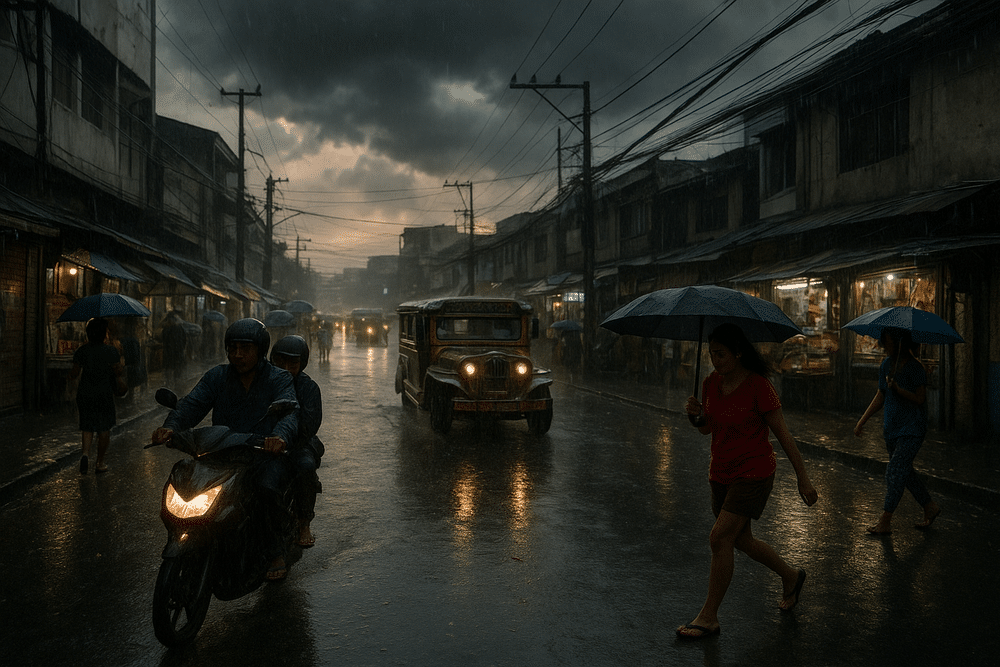
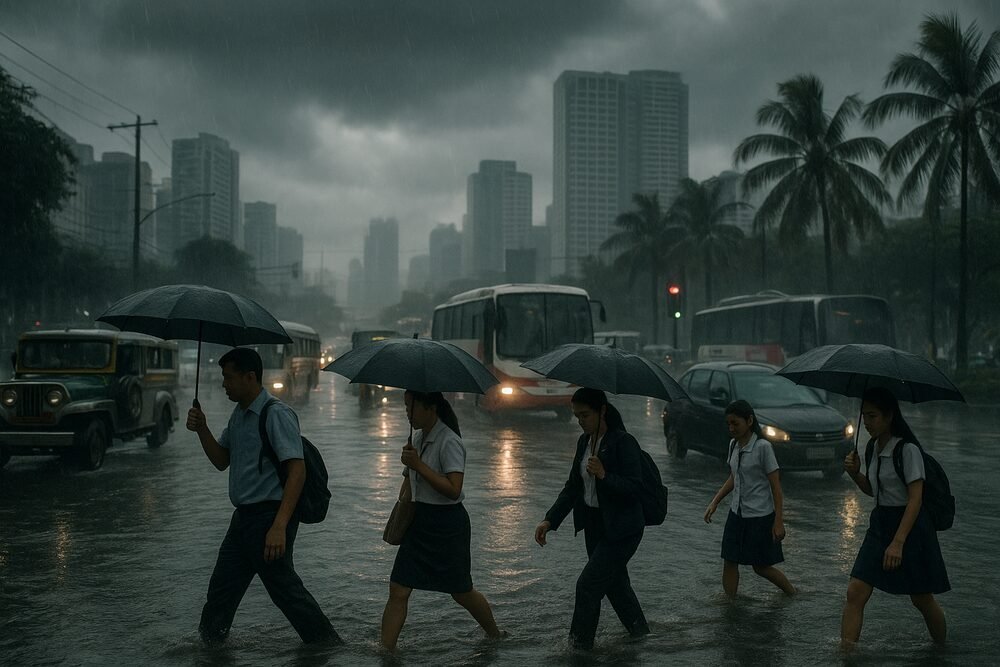
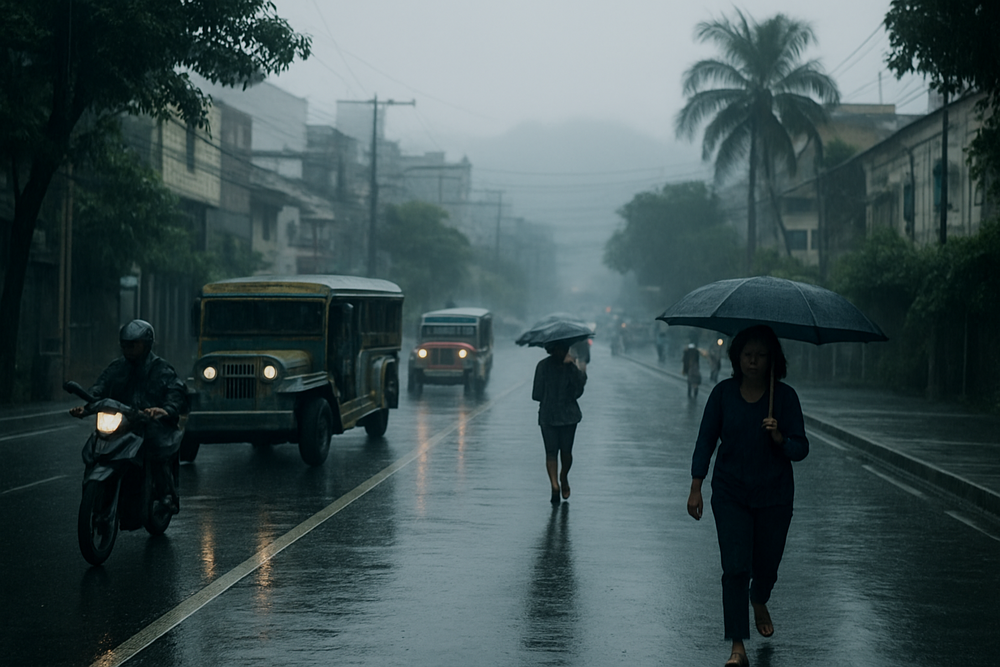
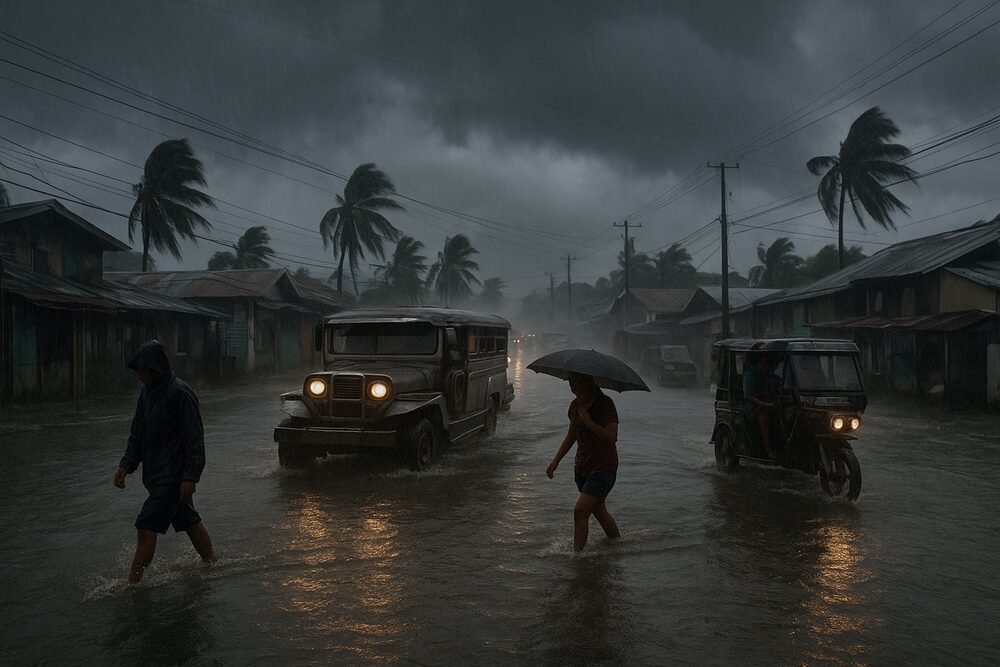
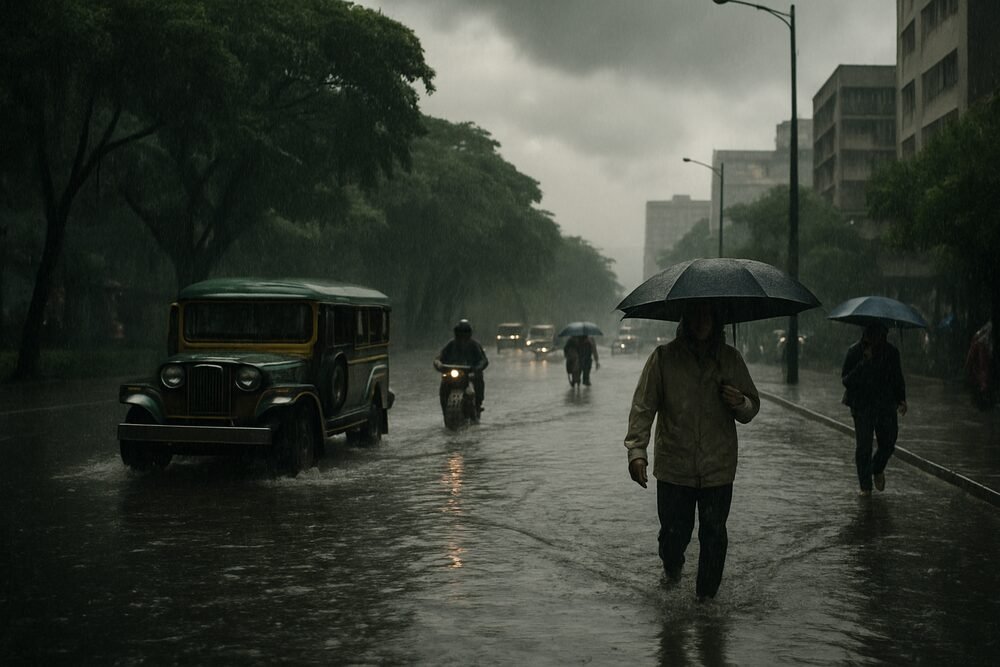
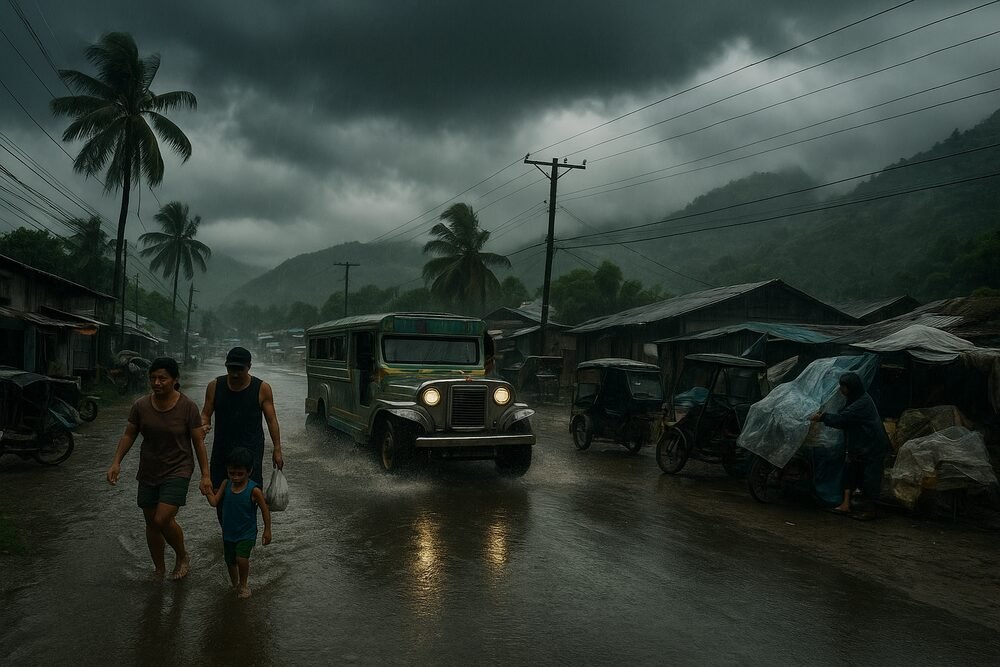
The pattern of hot mornings followed by late-day thunderstorms creates an all-too-familiar cycle in cities like Manila and Cebu. Clear skies can quickly turn overcast, and short but intense bursts of rain may trigger localized flooding.
Transport operators and logistics firms often face delays when roads become waterlogged. Even brief interruptions can ripple through supply chains, affecting deliveries of perishable goods to public markets and neighborhood shops.
For workers in the informal economy—street vendors, construction laborers, and delivery riders—the weather can dictate daily income. A sudden downpour may clear sidewalks and stall business within minutes.
Agriculture and Fisheries on Watch
While isolated thunderstorms can provide much-needed moisture, their uneven distribution poses challenges for farmers. One municipality may receive ample rainfall, while a neighboring town remains dry, complicating planting schedules and irrigation planning.
In extreme northern Luzon, fishing communities must contend with choppier waters. Moderate to rough seas can keep small vessels ashore, cutting into daily earnings and limiting supply to local markets.
The Department of Science and Technology, under which PAGASA operates, coordinates advisories with local governments in line with the Philippine Disaster Risk Reduction and Management Act of 2010. Officials urge vigilance but stress that current conditions are typical for this time of year.
No Storms, But Vigilance Urged
Though the absence of tropical cyclones offers relief, authorities caution against complacency. The combination of high heat, humidity, and sudden thunderstorms can still pose health and safety risks.
For now, the weather story across much of the Philippines is one of contrast: bright, humid mornings giving way to rumbling skies by late afternoon. It is a reminder that even without a named storm, the country’s climate remains dynamic—shaped by seasonal winds that quietly but steadily steer daily life.