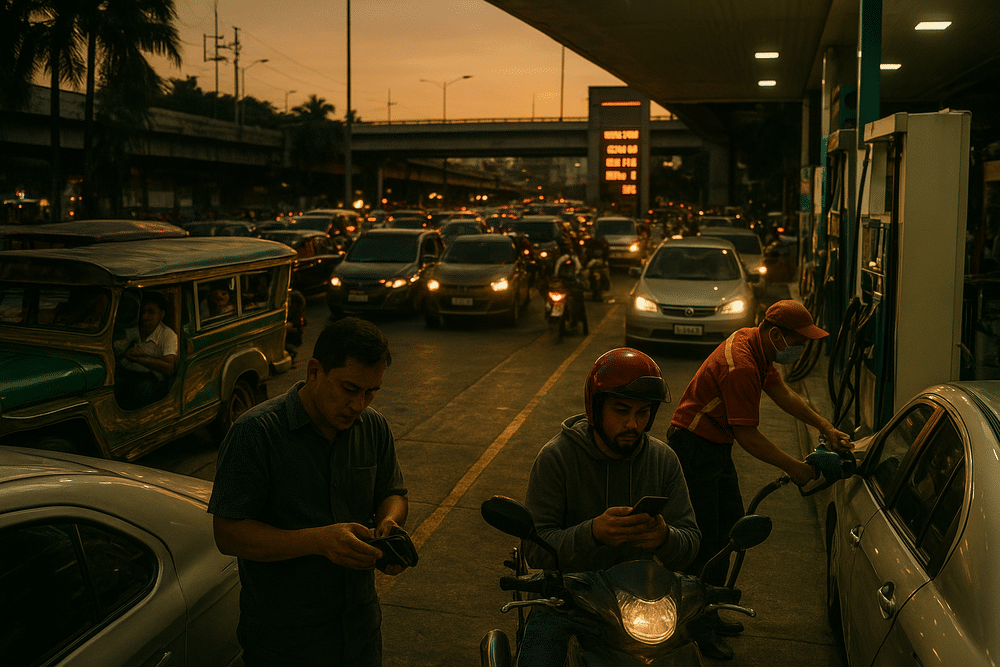
The Philippines is bracing for another round of fuel price increases as tensions in the Middle East send shock waves through global oil markets, prompting the Department of Energy (DOE) to warn of potential weekly hikes that could reach as much as P10 per liter.
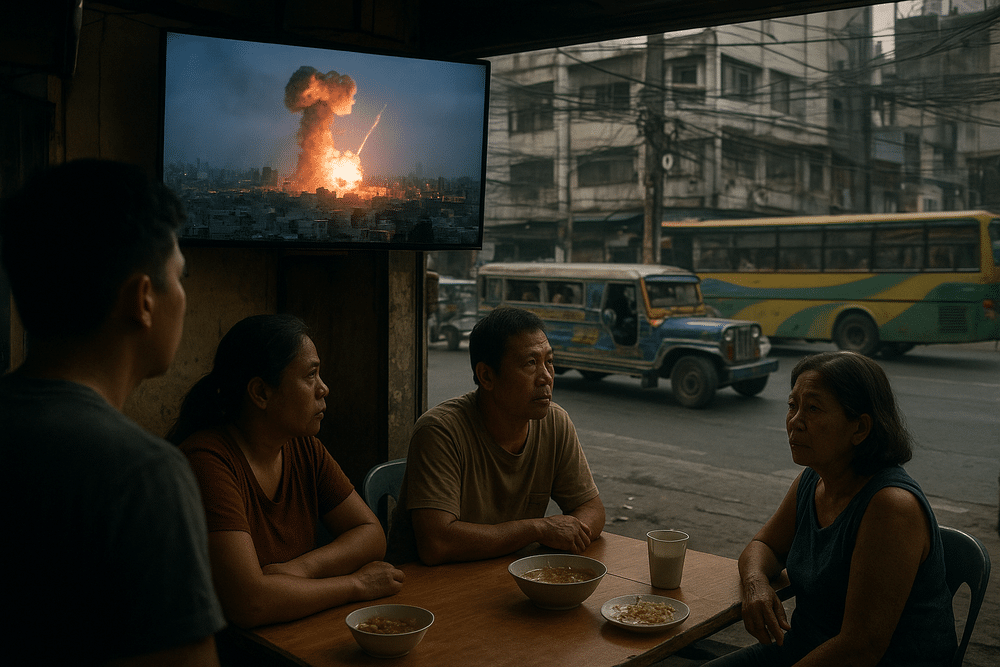
Energy officials said the recent escalation involving the United States, Israel and Iran — including airstrikes that killed Iranian Supreme Leader Ayatollah Ali Khamenei and Tehran’s subsequent declaration of the Strait of Hormuz as a no-sail zone — has disrupted supply expectations and driven up benchmark crude prices. For a country that imports around 80 percent of its oil from the Middle East, the consequences are immediate and far-reaching.
New Hikes Take Effect as Global Prices Climb
Fuel companies implemented fresh increases effective March 3. Gasoline rose by P1.90 per liter, diesel by P1.20, and kerosene by P1.50 — marking the 10th consecutive week of increases for diesel and kerosene.
Since the start of the year, net increases have reached P4.80 per liter for gasoline, P8.20 for diesel, and P6.20 for kerosene, steadily pushing pump prices higher and tightening household budgets.
The surge mirrors developments in global trading hubs. The Mean of Platts Singapore — the benchmark for Asian fuel pricing — showed gasoline climbing from $79.63 to $90.32 per barrel in early March. Diesel and kerosene prices jumped even more sharply, rising by roughly $20 and $23 per barrel, respectively.
DOE Oil Industry Management Bureau Director Rino Abad warned that the increases could accelerate.
“Ang estimate namin around $20 per barrel ang increase sa diesel. Baka umabot yan…baka around P9.00 per liter. (first day). May range naman ‘yan. We’re still hoping na hanggang P6.00 to P9.00, within that range,” Abad said on March 3.
The DOE has cautioned that in a worst-case scenario, overall adjustments could approach P10 per liter if global crude prices continue to rise.
Strait of Hormuz: A Narrow Passage, A Global Choke Point
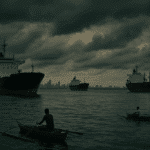
At the center of the turmoil lies the Strait of Hormuz, a narrow waterway through which a significant portion of the world’s oil supply passes each day. Iran’s declaration of the passage as a no-sail zone has intensified fears of supply disruption.
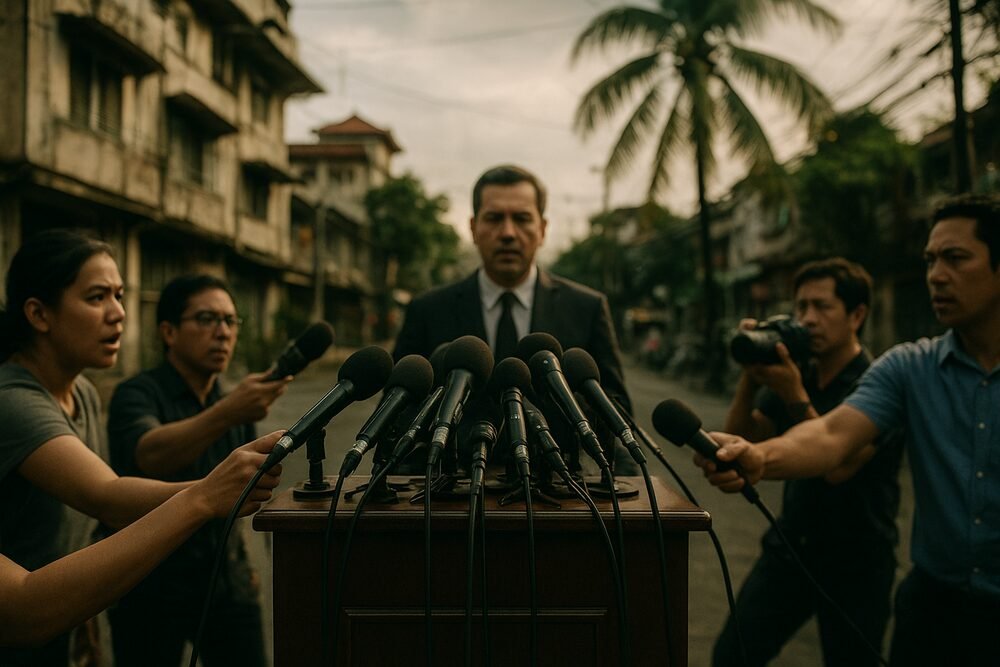
Energy Secretary Sharon Garin sought to temper alarm by noting that current price levels remain below the record highs seen in 2022.
“It must be known that in June 2022, the impact showed higher prices to where we are now. During that time, Dubai crude was at $113.24 per barrel. Today, close to $80 per barrel,” Garin said at a recent press conference.
Still, officials acknowledge that oil markets react not only to actual shortages but also to risk. Even the threat of disrupted shipments can send prices climbing.
Power Rates Also at Risk
The ripple effects extend beyond fuel pumps. Power distributors have begun reviewing generation costs, warning that higher fuel prices could translate into increased electricity bills in the coming months.
Davao Light spokesperson Fermin Edillon said the company is already preparing consumers for potential adjustments.
“Regarding sa tension sa Middle East, obviously naa gyud ni sya’y impact, rise of fuel sa world market, kung magsaka ang price of fuel sa market most likely naa pud sya’y impact sa atong electricity rate. Siguro, ang importante dinhi, mag andam lang siguro gyud,” he said.
Utilities in other parts of the country are similarly monitoring developments, with more significant adjustments expected if global price pressures persist into April.
Government Weighs Relief Measures
To cushion the blow, the government is exploring several mitigation strategies. The DOE has met with oil companies to discuss staggered price adjustments when increases exceed P3 per liter and has urged firms to maintain adequate inventory.
Under existing regulations, oil companies must comply with minimum inventory requirements. Officials said the country maintains a 30-day buffer stock of crude and finished products, extendable to up to two months.
President Ferdinand Marcos Jr. has also convened Cabinet officials to examine options, including fuel subsidies for public transport and the possible suspension of excise taxes under emergency powers.
Fuel excise taxes currently stand at P10 per liter for gasoline, P6 for diesel, and P3 for kerosene and cooking gas under the TRAIN Law. These taxes account for roughly 15.6 percent of the pump price of petrol and generated P337.8 billion in revenue in 2025. Any suspension would require congressional action or special authority, raising fiscal considerations.
Pressure on Transport and Household Budgets
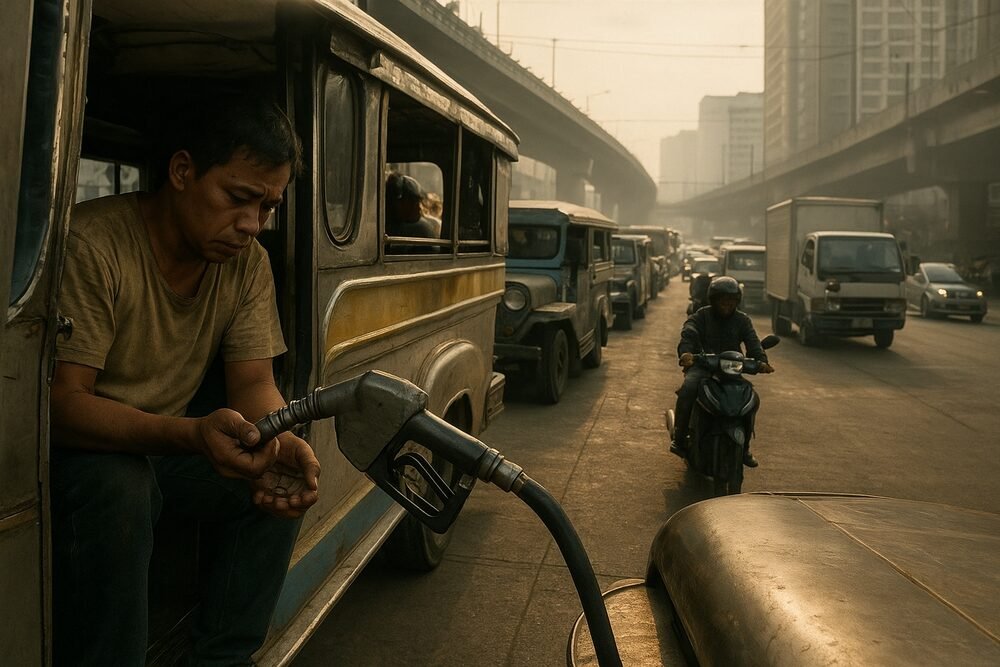
For commuters and transport operators, the price increases threaten to push fares upward. Transport groups are preparing petitions for provisional fare hikes, with proposals that could add at least P1 to the minimum jeepney fare and more for longer routes.
The burden extends to market stalls and small businesses. Higher diesel costs raise freight expenses for vegetables, fish, rice and consumer goods, filtering down to palengke prices and sari-sari stores. Electricity increases could strain households already managing tight budgets.
One commuter, Chloe, expressed a sentiment shared by many: “I hope the fare hike would only be temporary and will be rescinded once the conflict (in the Middle East) is over.”
An Uncertain Road Ahead
The DOE says it is closely monitoring daily market movements and remains in constant coordination with industry players. Officials stress that while the situation is fluid, contingency plans are in place to avoid the extreme price spikes seen during previous geopolitical crises.
Yet as long as conflict shadows key oil routes, the Philippines — like many import-dependent nations — remains vulnerable to forces beyond its shores. For motorists, commuters and businesses alike, the coming weeks could determine how sharply those global tremors are felt at home.