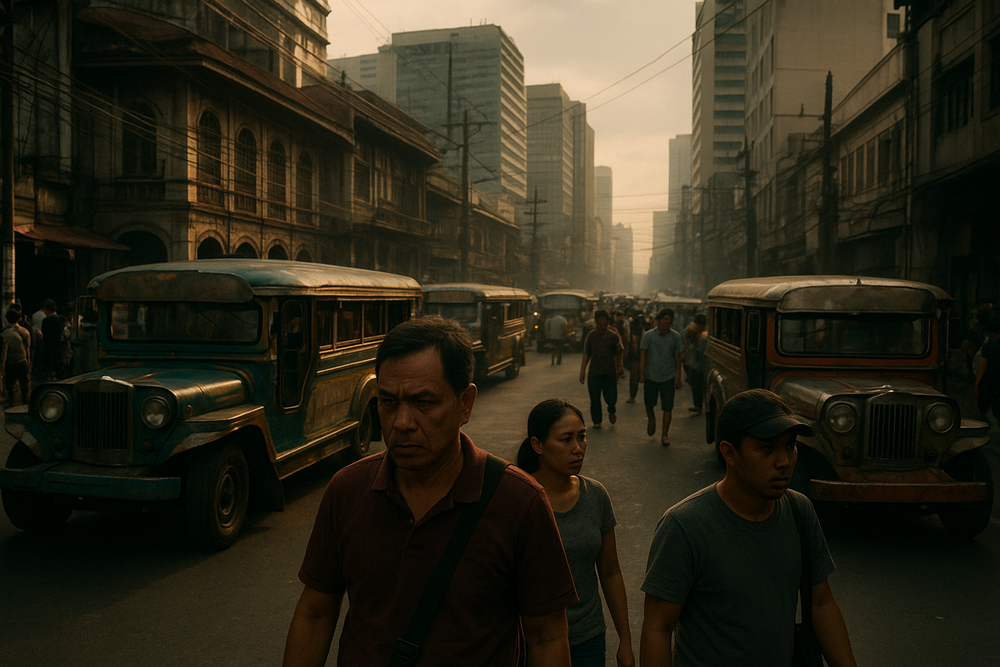
In a troubling escalation of violence against the Philippine press, a prominent radio broadcaster in Surigao del Sur was gunned down in broad daylight, prompting urgent calls for justice and intensified scrutiny of press freedom under President Ferdinand Marcos Jr.’s administration.
Veteran Broadcaster Erwin Segovia Killed in Broad Daylight
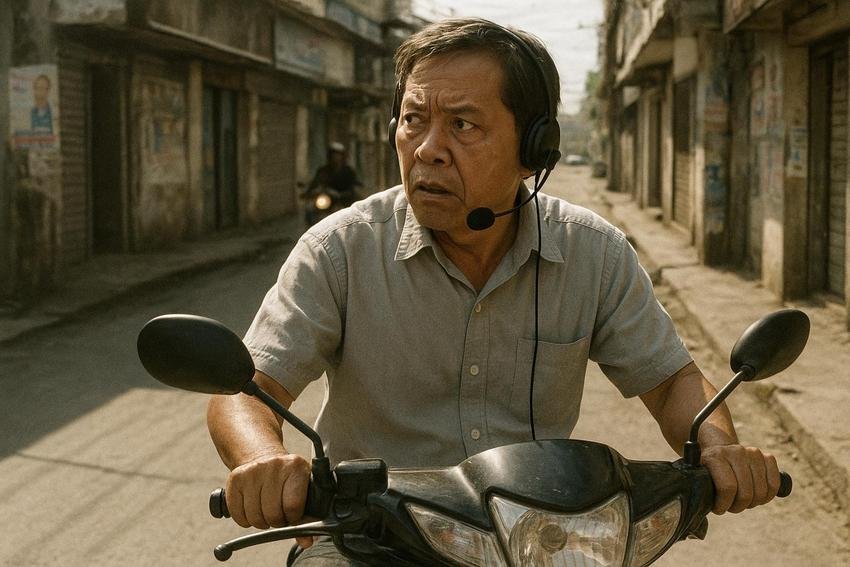
On July 21, 2025, Erwin Labitad Segovia, a respected radio host known to listeners as “Boy Pana,” was fatally shot while riding his motorcycle in Bislig City, Surigao del Sur. Segovia had just wrapped up his morning public affairs program, Diritsahan!, on Radio WOW FM—a show known for its unflinching commentary on local governance and politics.
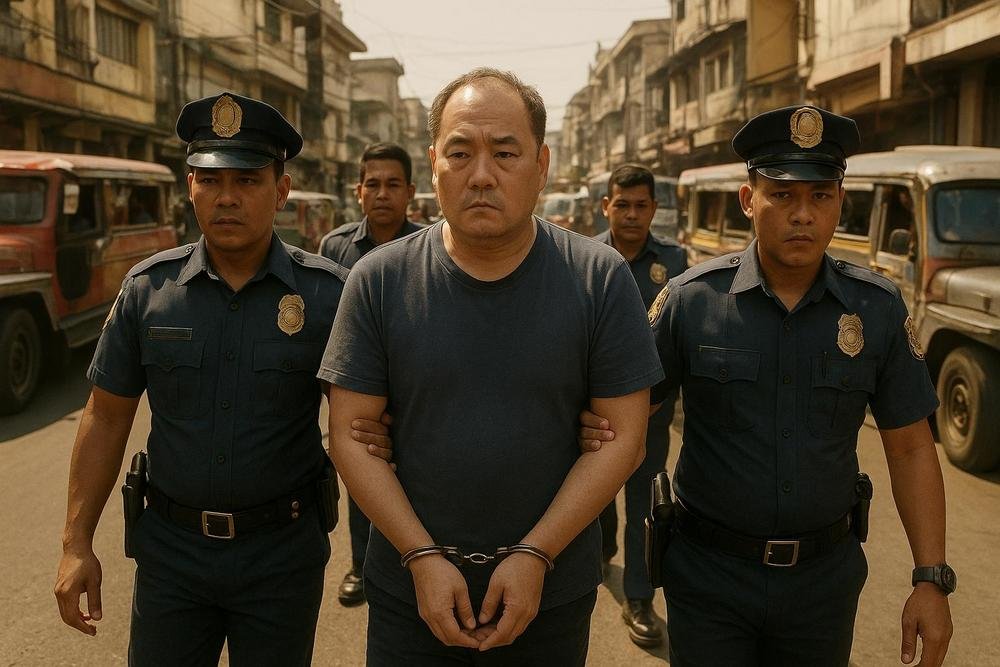
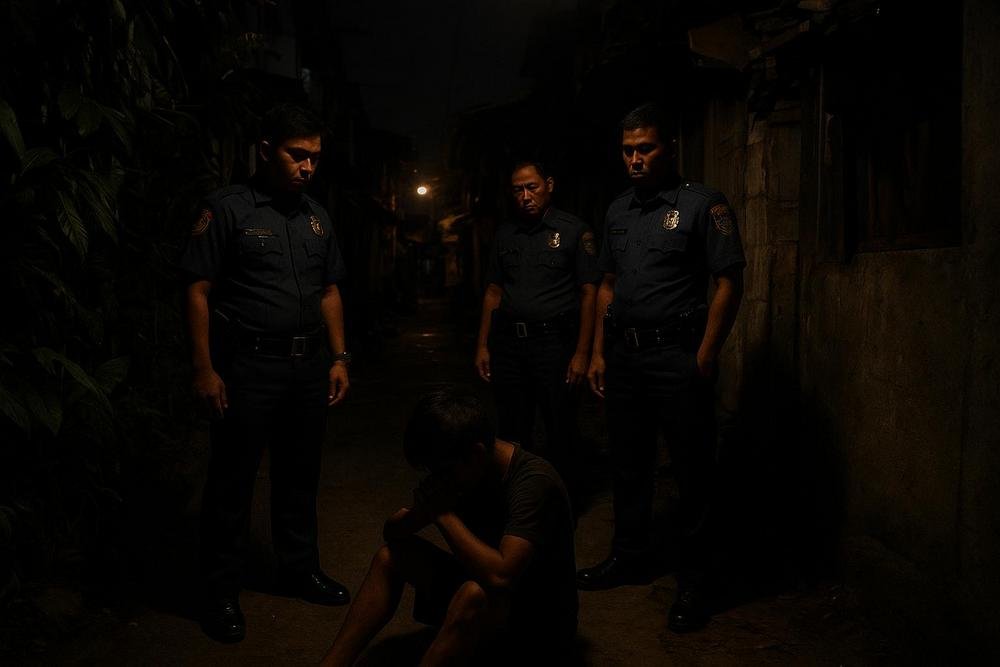
According to police reports, two unidentified suspects approached and shot Segovia in the head, killing him instantly at the scene. The assailants fled, sparking hot pursuit operations by the police. Authorities have yet to announce any suspects or motives, though colleagues point to the broadcaster’s outspoken reporting on contentious local issues.
Political Commentary in a Perilous Landscape
Segovia, aged 63, was more than a radio personality. As station manager and political advocate, he used his platform to amplify concerns of local residents and reportedly supported former mayor Carla Lopez-Pichay in the 2025 midterm elections. His mix of journalism and political advocacy placed him squarely in the crosshairs of Surigao del Sur’s volatile political environment.
The Philippines has long been considered one of the most dangerous countries in the world for journalists. More than 200 journalists have been killed since the 1986 return to democracy, including 32 media workers in the 2009 Maguindanao massacre. Segovia’s death is the third media killing in 2025 and the fifth since President Marcos Jr. assumed office in 2022.
Authorities Launch Investigation Amid Rising Fears
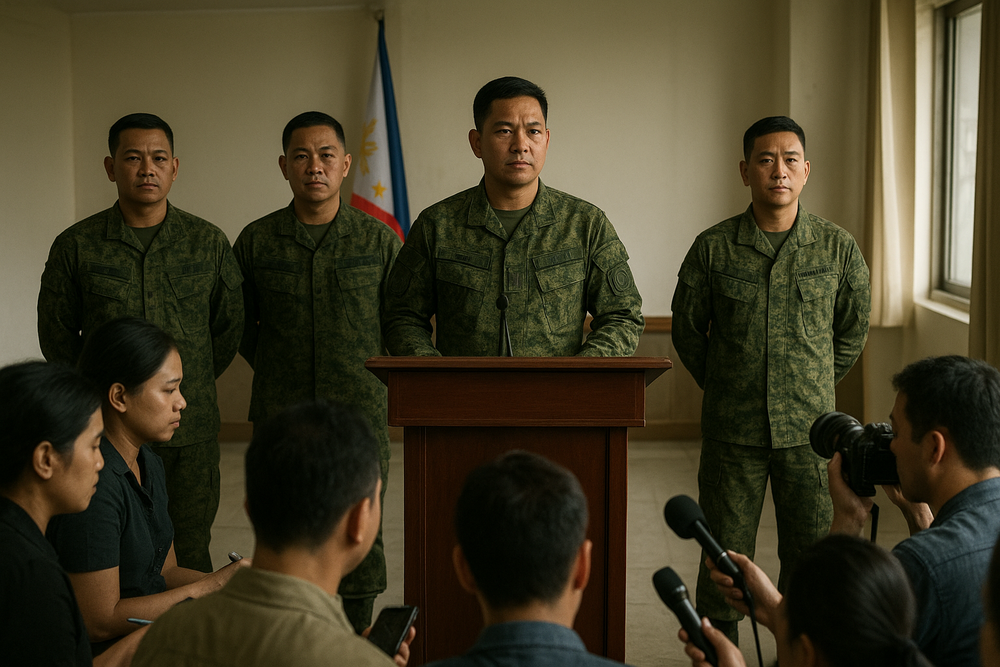
Following the murder, the Philippine National Police established a Special Investigation Task Group (SITG) to handle Segovia’s case. On December 8, 2025, Police Acting Chief Lt. Gen. Jose Melencio Nartatez Jr. ordered a full investigation, also extending attention to the December 6 killing of another broadcaster-turned-councilor, Gerry Campos, in the same province.
The Presidential Task Force on Media Security (PTFoMS) condemned the killing and pledged to pursue justice. However, media advocates remain skeptical, citing the government’s poor track record of resolving journalist killings. The country ranks 9th on the Committee to Protect Journalists’ Global Impunity Index, underscoring persistent failures in holding perpetrators accountable.
International and Domestic Condemnation
Advocacy groups swiftly condemned the killing, amplifying calls for action. The Kapisanan ng mga Brodkaster sa Pilipinas (KBP), the International Federation of Journalists (IFJ), and Reporters Without Borders (RSF) denounced the murder as another sign of a deteriorating media landscape.
“The longstanding culture of impunity for crimes against journalists in the country must not be allowed to continue,” said IFJ General Secretary Anthony Bellanger. “Those responsible must be brought swiftly to justice.”
The European Union Delegation to the Philippines and UNESCO Director-General Audrey Azoulay echoed these sentiments, insisting on a transparent investigation and calling the protection of journalists “fundamental to democracy.”
Chilling Effect: A Press Under Siege
The concern among media workers stretches far beyond the confines of Bislig City. Journalists and rights groups fear a growing climate of fear and self-censorship amidst continued violence and governmental inaction.
“Already, many of our colleagues see these attacks as just part of the territory,” warned the National Union of Journalists of the Philippines. This sentiment paints a grim outlook for regional reporters who remain most vulnerable and least protected.
Under the Marcos Jr. administration, watchdog groups have tallied 177 media rights violations, ranging from red-tagging and harassment to outright murder. While the Philippines moved slightly to 116th out of 180 countries on the 2025 World Press Freedom Index, the index still reflects a treacherous environment for independent journalism.
An Ongoing Crisis with Deep Political Undercurrents
Segovia’s death must be viewed within the broader context of political polarization and fragile local governance. In provincial regions like Surigao del Sur, where kinship networks and patronage politics thrive, reporters exposing corruption or aligning with political factions often risk becoming targets.
The killing of Gerry Campos, a broadcaster-turned-local official, only days before the probe into Segovia’s death heightened tensions. Both men were media figures who had ventured deep into political commentary and activism—a combination that appears increasingly perilous in today’s Philippines.
Path Forward: Will Justice Be Served?
The government’s commitment to solving Segovia’s murder will serve as a litmus test for its credibility on press freedom. President Marcos Jr.’s administration has yet to complete successful prosecutions in any major journalist killing case since 2022.
Concerns over the efficacy of institutional mechanisms, including the PTFoMS and national police efforts, have led media advocates to demand not only faster investigations but also systemic reforms. These include stronger legislation to protect journalists, independent bodies to investigate attacks, and a cultural shift within public institutions to respect press autonomy.
As voices across the globe amplify their outcry, the shadow cast by Segovia’s killing looms large. Whether his death triggers meaningful change or joins a long list of unresolved crimes will depend on the government’s next moves—and whether it treats media freedom as the bedrock of democracy or merely another casualty in the country’s ongoing political turbulence.