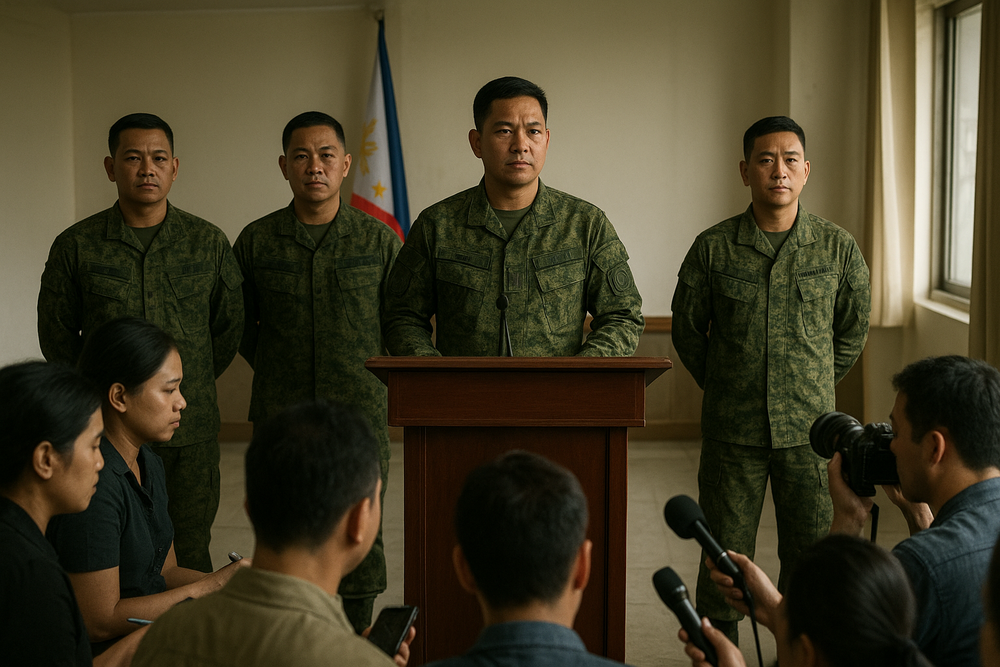
President Ferdinand Marcos Jr. has taken the Philippines’ claim over the West Philippine Sea (WPS) from tense coast guard encounters into the centre of global diplomacy, reframing a long‑running maritime dispute as a test of the international rules‑based order. Since taking office in 2022, Marcos has steadily internationalised the issue—invoking binding international law, strengthening military alliances, and amplifying Manila’s case in multilateral forums—marking a clear departure from the quieter bilateral approach of his predecessor.
At stake is far more than contested reefs. The waters west of the Philippine archipelago sit squarely within the country’s 200‑nautical‑mile exclusive economic zone (EEZ) and are vital to food security, livelihoods and regional trade. For Marcos, the calculation has been that only by placing the dispute before the world can the Philippines protect its sovereign rights against a far more powerful neighbour.
A Shift From Quiet Diplomacy to Global Pressure
The Marcos administration’s strategy contrasts sharply with the Duterte government’s preference for managing tensions with Beijing through private channels. Instead, Malacañang has pursued a public, multilateral path, anchored on the Philippines’ landmark legal victory in 2016 at the Permanent Court of Arbitration (PCA) in The Hague.
That ruling, which invalidated China’s sweeping nine‑dash line claims, is now the cornerstone of Manila’s diplomacy. Philippine officials have repeatedly raised it at the United Nations and in meetings with allies, framing compliance with the decision as an obligation under the United Nations Convention on the Law of the Sea (UNCLOS).
“The Republic of the Philippines invokes the compulsory settlement of dispute clause under the Law of the Sea Convention,” the government said when it filed the case in 2014, a position the Marcos administration has fully embraced and expanded.
Building Alliances as a Maritime Shield
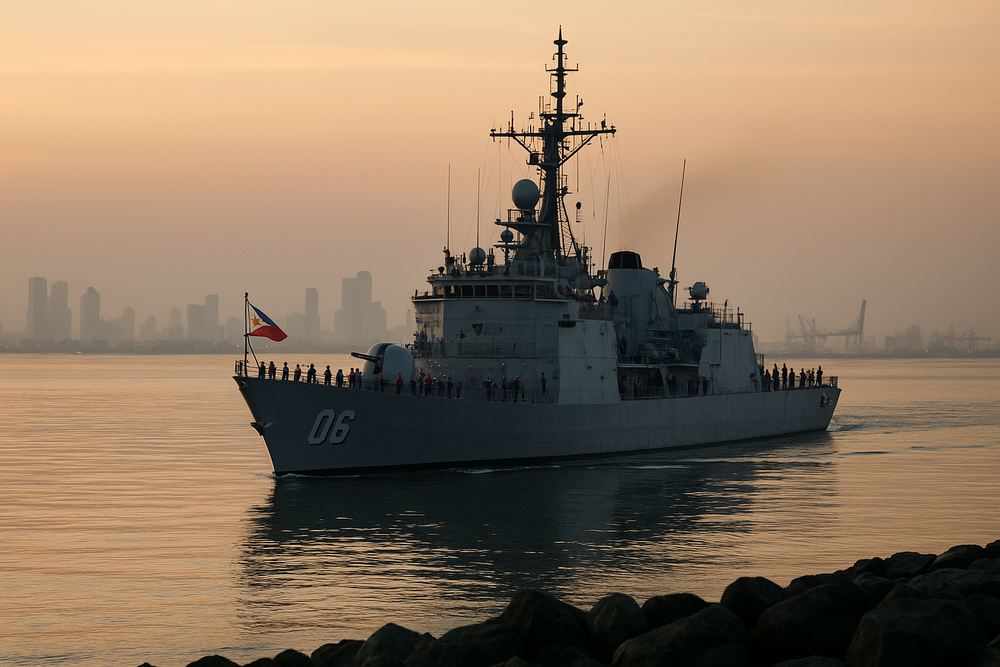
Marcos has paired legal arguments with deterrence, deepening security ties with the United States and regional partners. Joint military exercises, expanded access under the Enhanced Defense Cooperation Agreement, and coordinated patrols with countries such as Japan and Australia have followed a series of confrontations between Philippine and Chinese vessels.
Incidents around Second Thomas Shoal, where Chinese coast guard ships have rammed or blocked Philippine resupply boats since 2022, have drawn particular attention. Each episode has been met with diplomatic protests and, notably, swift international disclosure—turning opaque encounters at sea into global headlines.
The approach treats transparency as a defensive weapon. By exposing maritime pressure tactics to international scrutiny, Manila aims to deter escalation while rallying support for freedom of navigation in a region through which US$5.3 trillion in global trade passes annually.
The Legal Foundations of the Claim
The Philippines’ position rests on decades‑old domestic law and modern international jurisprudence. In 1978, then‑president Ferdinand Marcos Sr. issued Presidential Decree No. 1596, asserting sovereignty over the Kalayaan Island Group, and Presidential Decree No. 1599, establishing a 200‑nautical‑mile EEZ measured from Philippine baselines defined under Republic Act No. 3046.
These claims were reinforced in 2012 when Administrative Order No. 29 formally designated the area as the West Philippine Sea. The 2016 PCA ruling later confirmed that China’s historic claims beyond UNCLOS limits had “no legal basis,” and criticised land reclamation activities that destroyed coral reefs.
For the Marcos government, these layers of law serve as both shield and compass—defining the boundaries of Philippine rights and guiding its diplomatic offensive.
Why the Sea Matters to the Ordinary Filipino
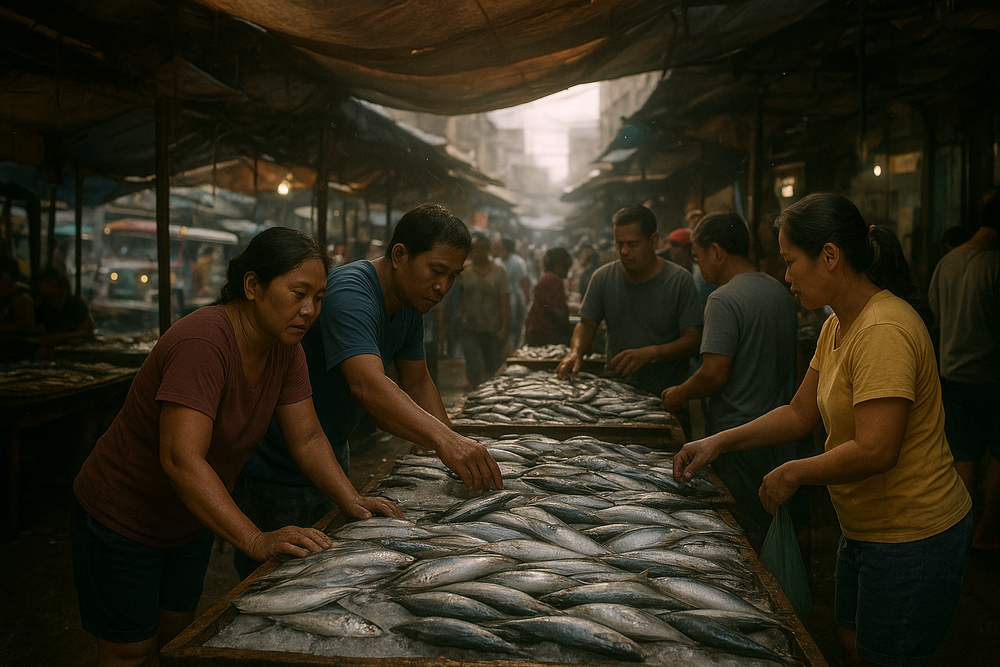
Behind the legal language lies an economic reality felt far from the negotiating table. According to government data, the WPS accounted for 7.2 per cent of total fisheries production between 2018 and 2022 and supplied up to 80 per cent of the galunggong consumed in Metro Manila.
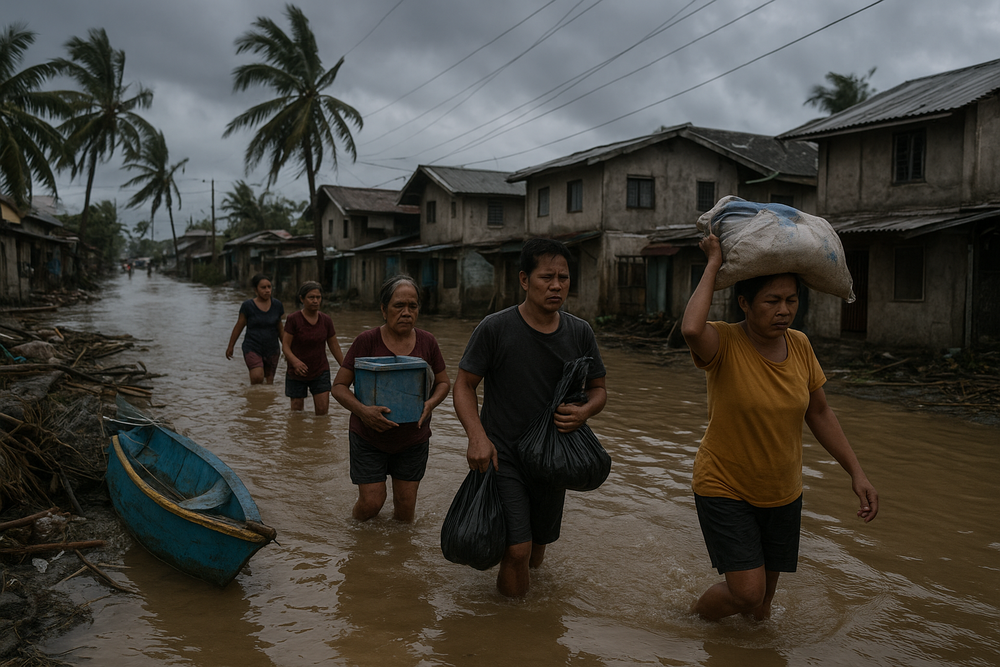
About four million Filipinos depend on fishing livelihoods linked to these waters. Restrictions on access and reports of harassment have reduced catches across Ilocos, Central Luzon and Palawan, driving up fish prices and squeezing urban households already struggling with rising food costs.
Environmental damage compounds the loss. Reef destruction and illegal poaching are estimated to cost over ₱30 billion annually, eroding not just biodiversity but the daily income of small‑scale fishers.
Competing Views and Growing Risks
Critics of Marcos’ approach warn that a more confrontational posture increases the risk of accidents at sea and could endanger lives without delivering immediate economic relief. They argue that quieter engagement with Beijing once eased tensions and opened avenues for cooperation.
Fisherfolk groups and environmental advocates, however, have expressed mixed but urgent demands: stronger protection from Chinese incursions coupled with safeguards against violence. “WPS [is] very important for food security,” said Asis Perez of Tanggol Kalikasan, noting its role as a migratory route for tuna and a backbone of affordable protein.
The administration maintains that acquiescence carries its own dangers—normalising encroachments that, over time, could hollow out Philippine maritime rights.
A Small State Betting on Rules
From the vantage point of a small coastal nation, the Marcos strategy treats international law like a lighthouse: it cannot calm the seas, but it offers a fixed point by which to navigate them. By insisting on the PCA ruling and broadcasting maritime incidents to the world, the Philippines casts itself as a frontline defender of UNCLOS rather than a solitary claimant.
Whether this globalised approach will restrain Chinese pressure remains uncertain. What is clear is that under Marcos, the West Philippine Sea is no longer a dispute managed in the shadows. It is a central plank of Philippine foreign policy—and a measure of how far international norms can go in protecting the rights of smaller states in contested waters.