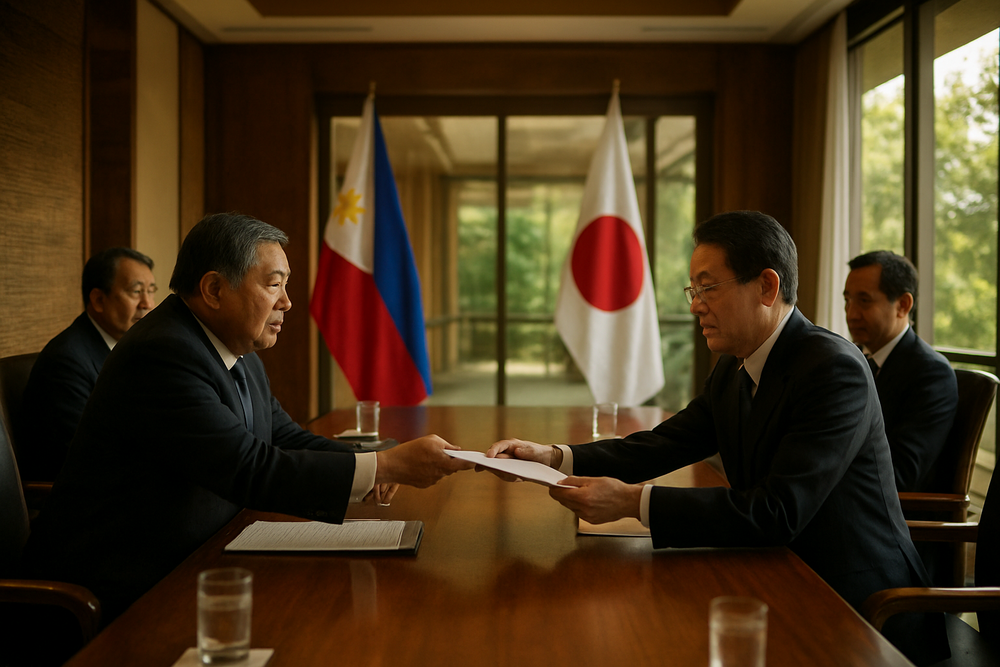
President Ferdinand R. Marcos Jr. has postponed the signing of the PHP 6.793 trillion 2026 General Appropriations Act (GAA) until the first week of January 2026, citing an urgent need for a meticulous review of recent legislative insertions. Executive Secretary Ralph G. Recto confirmed that this move aims to scrutinize bicameral adjustments against the administration’s National Expenditure Program (NEP), underscoring a firm executive stance against unvetted budget realignments and “pork barrel” insertions that could undermine national priorities.
Delayed Signing Amid Bicameral Review
The decision came following Congress’s ratification of the bicameral conference report on December 29, 2025, later than initially scheduled due to adjustments in the legislative calendar. The late submission compressed Malacañang’s available timeframe to thoroughly examine the appropriations, particularly the contentious alterations involving the Department of Public Works and Highways (DPWH).
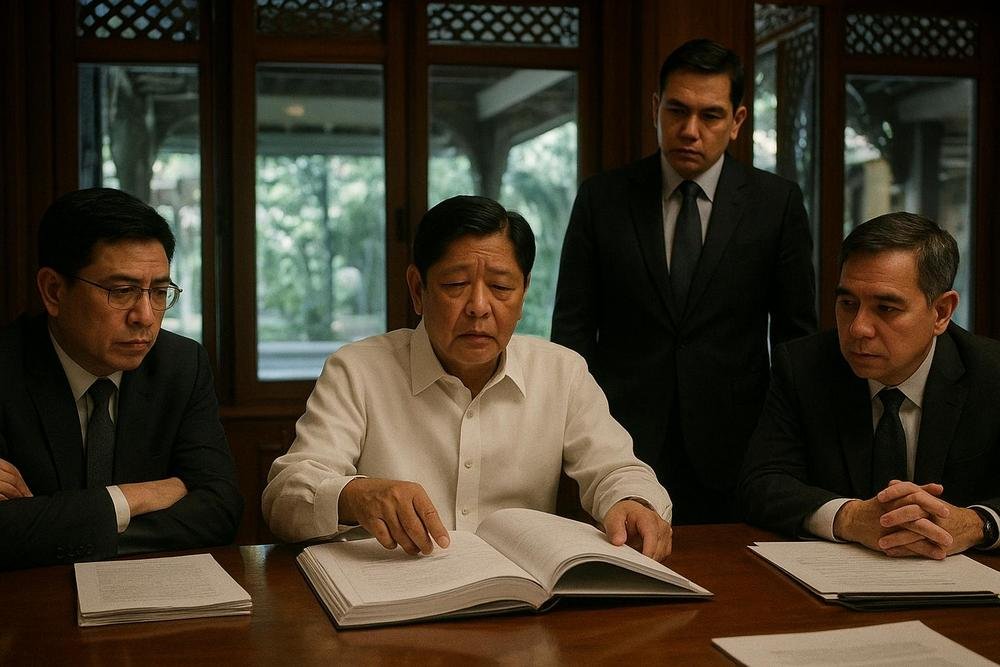
“We will need time to go over the budget,” Executive Secretary Recto said, noting that the President has already mobilized economic and legal teams tasked with methodically assessing all allocations and provisions approved by the bicameral committee. This detailed inspection is intended to prevent the enactment of unauthorized insertions or realignments inconsistent with the Executive’s proposed NEP.
Constitutional Reenactment and Administrative Continuity
Since the 2026 budget was not signed by the fiscal year-end deadline of December 31, 2025, government operations have reverted to a reenactment of the 2025 appropriation levels. According to official statements, this short-term reenactment is constitutionally mandated and will not disrupt essential government functions.
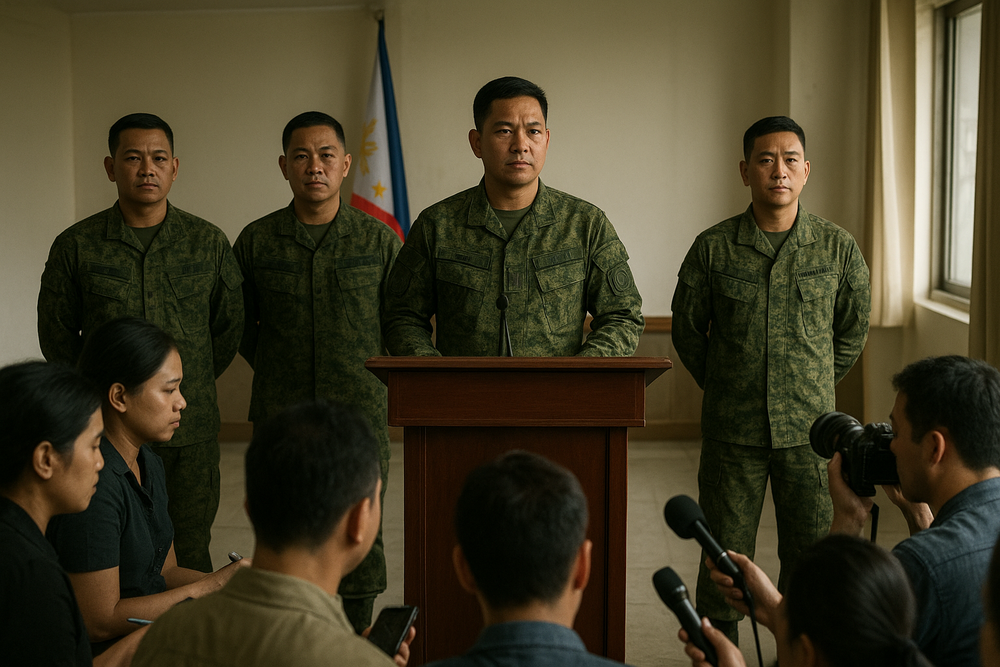
Palace communications emphasized that the temporary continuation under the prior year’s budget will be manageable, allowing the administration to prioritize a conscientious budget execution come early January. A Palace statement by Press Secretary Dave M. Gomez highlighted the activation of legal and economic task forces at Malacañang dedicated to promptly reviewing the bicameral report once it arrives, aiming for a signing date on or around January 5, 2026.
Contention Over DPWH Budget Adjustments
Central to the delay is reported controversy surrounding the Department of Public Works and Highways’ allocations. Bicameral discussions suggested a potential cut of about PHP 45 billion from DPWH’s budget, a move that sparked disagreement among both legislators and implementing agencies.
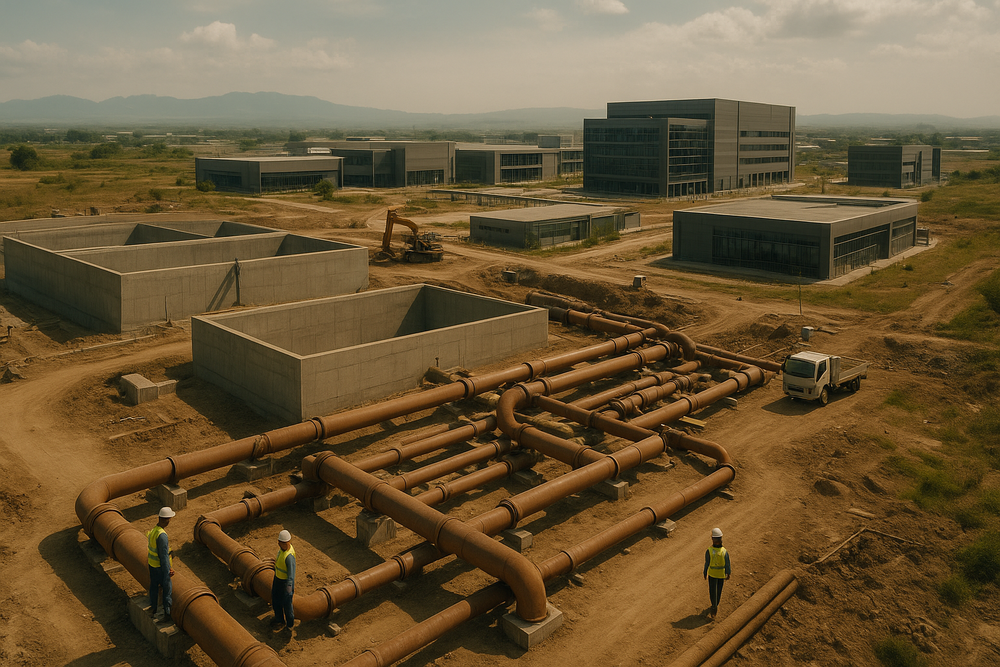
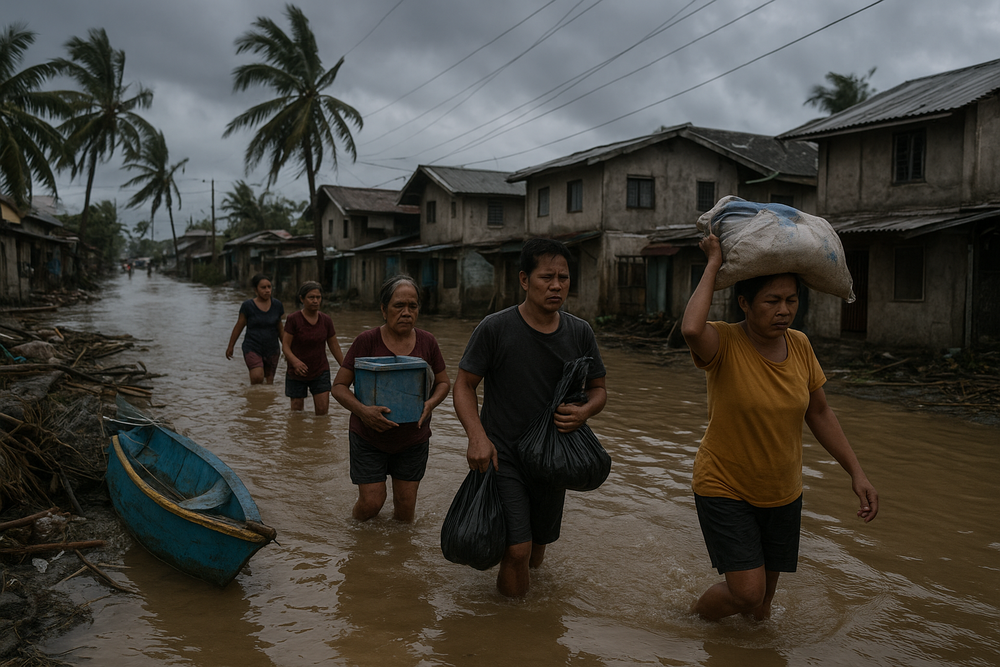
DPWH officials and allied lawmakers warned that such reductions may jeopardize ongoing infrastructure projects, risking delays in vital roadworks and flood control systems. These projects have implications not only for employment in local communities dependent on construction jobs but also for transportation efficiency and disaster resilience nationwide.
Implications for Public Services and Local Governance
The delay in the 2026 budget’s signing raises immediate concerns about time-sensitive government initiatives. Various sectoral agencies—including the Departments of Health, Education, and the Interior and Local Government—may face postponed fund releases, potentially impacting program rollouts and service expansions scheduled for the new year.
Local government units (LGUs) stand to experience administrative bottlenecks affecting early-year projects such as street repairs and community facilities, reliant on timely national fiscal transfers. Infrastructure contractors have similarly appealed for predictable budgeting to sustain operations and labor turnover.
Balancing Transparency and Legislative Process
The postponement spotlights ongoing debates about legislative transparency and budget accountability. Following recent reforms mandating the livestreaming of bicameral proceedings, civil society groups and watchdog organizations remain vigilant against opaque budget insertions.
While congressional leaders defend bicameral insertions as necessary legislative scrutiny reflecting constituent needs, some analysts caution about potential inefficiencies and the risk of “pork barrel” allocations slipping through during late-stage negotiations.
Legal and Procedural Considerations
The constitutional framework, specifically Article VI of the 1987 Constitution, requires the enactment of the national budget before the fiscal year begins. In the absence of a signed GAA, the prior year’s appropriation automatically reenacts, ensuring continuity in government operations.
The budget process involves the submission of the NEP by the Executive Branch, followed by bicameral reconciliation of differing House and Senate proposals. The resulting conference report then requires enrollment and presidential signing for execution. Anti-corruption statutes, such as Republic Act No. 6713, and oversight by the Commission on Audit, play crucial roles in safeguarding budget integrity.
Stakeholder Perspectives and National Discourse
- Malacañang: Maintains that the review period is essential to align the budget with national priorities, avoiding unvetted insertions. The administration views the short reenactment as a necessary administrative pause.
- Congress: Emphasizes bicameral insertions as legitimate legislative actions reflecting diverse constituency demands and stresses the importance of detailed evaluations especially concerning DPWH allocations.
- Transparency Advocates: Call for continued vigilance over budget proceedings, expressing concerns about delays and the opacity of some legislative changes despite new transparency measures.
- Affected Sectors: DPWH staff, contractors, LGUs, and beneficiaries highlight the need for predictable, timely release of funds to sustain critical infrastructure projects and public services.
Looking Ahead: Budget Signing and Execution
President Marcos’s resolute decision to delay signing until the first week of January 2026 signals a prioritization of fiscal discipline and oversight. The administration’s approach could serve as a precedent in tightening executive control over legislative budget insertions previously deemed contentious.
For the broader Philippine public, the unfolding budget saga underscores the delicate balance between efficient legislative processes, transparency, fiscal responsibility, and the urgency of delivering services and infrastructure programs.
As Malacañang finalizes its thorough review, all eyes remain fixed on the January signing, which will set the tone for the implementation of a PHP 6.793 trillion fiscal plan that must underpin the nation’s socio-economic agenda in 2026.