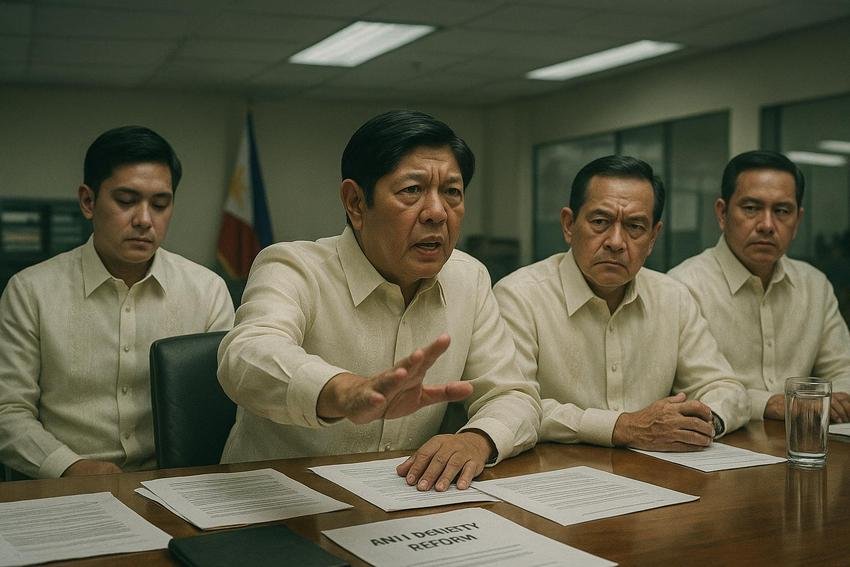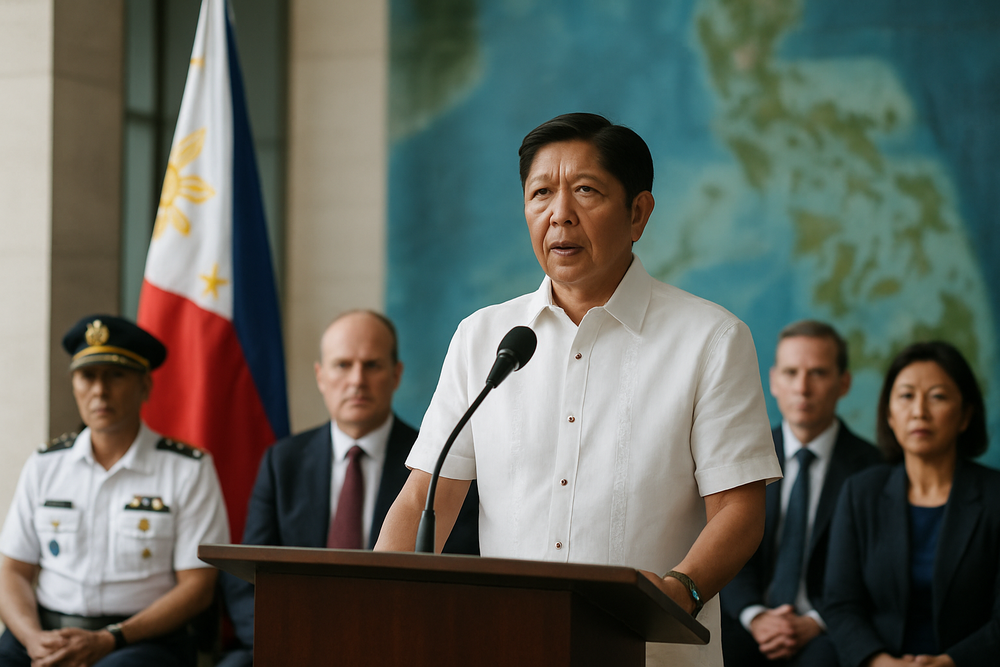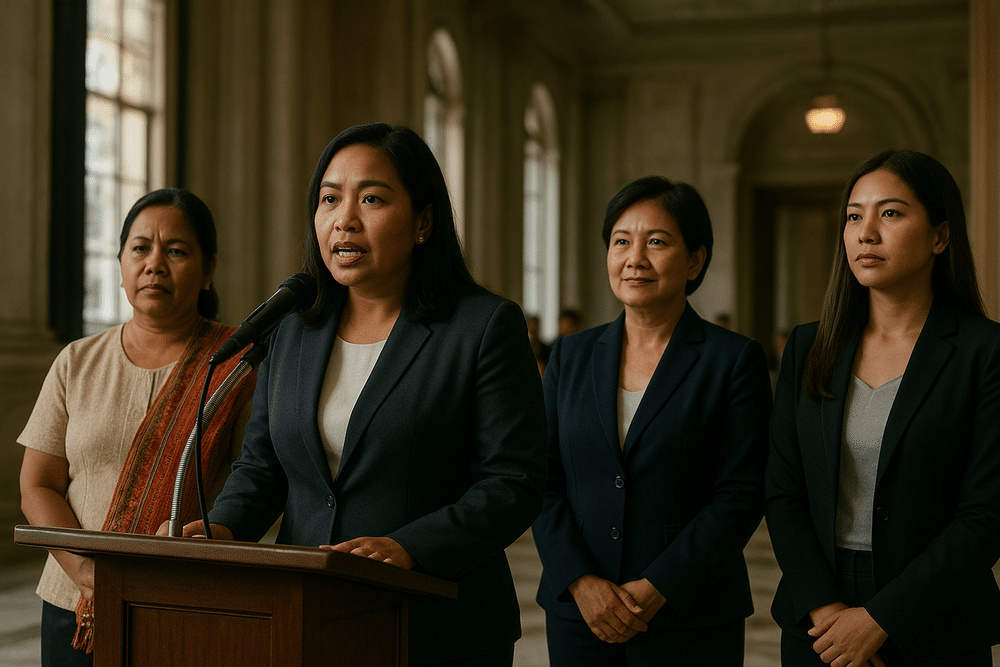
President Ferdinand Marcos Jr. on Saturday vowed to expand leadership opportunities for women across government and industry, marking International Women’s Day with a renewed push to close persistent gender gaps in the Philippines. The pledge aligns with this year’s National Women’s Month theme, “WE for Gender Equality & Inclusive Society,” and the Philippine Commission on Women’s (PCW) rallying cry: “Lead like the Babaylans, Filipinas!”
The commitment comes as data show that while the Philippines ranks among the top countries in Asia for gender parity, women remain underrepresented in the highest decision-making posts. Advocates say bridging that divide will require more than celebration — it will demand structural change.
Strong Global Standing, Persistent Gaps at Home
The Philippines placed 20th out of 146 countries in the 2025 Global Gender Gap Index, with a parity score of 78.1 percent, the highest in Asia. Yet women hold just 27.3 percent of seats in the national parliament, down from a 29.4 percent peak in 2017. Across all elected posts nationwide, women accounted for 24 percent in 2022, a decline from 30 percent in 2017.
At the ministerial level, women occupy 26.3 percent of positions, according to the World Bank. In local government, female representation has remained steady at around 29 percent of legislative seats from 2019 to 2023.
The picture is sharper in the corporate sector. Although women comprise 41.3 percent of senior and middle management, they hold only 17.7 percent of board seats, 6.8 percent of chief executive roles, and 4.6 percent of board chair posts. Among publicly listed companies, female directors accounted for 10.33 percent as of early 2026 — an increase from 4.99 percent the previous year, but still far from parity.
“Filipino women remain sorely underrepresented in highest positions in both the government and industry,” the Philippine Institute for Development Studies (PIDS) said in a recent policy note. “Given the low level of female participation in governance, interventions in both the public and private sectors are needed.”
Invoking the Babaylan Model of Leadership
This year’s campaign draws inspiration from the Babaylans, pre-colonial Filipino women who served as community leaders, healers and mediators. By invoking them, organizers seek to root modern gender equality efforts in local cultural heritage.
The PCW’s sub-theme, “Lead like the Babaylans, Filipinas!” calls on women to reclaim spaces traditionally held before colonial structures narrowed their influence.
The Office of the Vice President underscored the continuing impact of women in communities, stating: “Women are still influencing communities through their leadership, inventiveness, and tenacity. They frequently juggle several responsibilities while acting as engines of advancement.”
The administration has linked the initiative to the country’s preparations for its ASEAN 2026 chairmanship, framing inclusive governance as central to regional leadership.
Corporate Sector Under Pressure to Diversify
Momentum is also building in the private sector. The NextGen Organization of Women Corporate Directors (NOWCD) has set a target of 30 percent women on boards by 2030. During a February meeting with the group, Securities and Exchange Commission Chairman Francis Lim affirmed the regulator’s commitment to promote board diversity and support the entry of more women into corporate leadership.
Globally, countries that adopt gender quotas average 30.9 percent women in parliament, compared with 23.3 percent in countries without such measures. The Philippines currently relies on voluntary efforts rather than legislated quotas.
The Economic Case for Inclusion
Beyond representation, the gender gap shapes daily economic life. Women’s labor force participation stands at 47.3 percent, compared with 73.2 percent for men. The gender pay gap remains at 28 percent. Women also spend 18.8 percent of their time on unpaid care work, more than double the 7.2 percent recorded for men.
Advocates argue that increasing women’s presence in decision-making roles could help address those disparities. More women in corporate boardrooms may influence workplace policies on fair pay and work-life balance. At the barangay and local government levels, stronger female leadership could translate into more responsive social services and economic programs.
For many Filipino families, where women often manage household budgets or run small enterprises such as sari-sari stores, leadership opportunities represent more than symbolic progress. They can mean greater household income, stronger community programs, and broader economic resilience.
From Celebration to Structural Reform
The president’s vow places political weight behind long-running advocacy, but analysts note that progress will depend on concrete measures. PIDS has urged the government to review regulations and institutional practices to encourage inclusive participation in governance and industry.
As International Women’s Day commemorations unfolded nationwide, the message was both celebratory and cautionary. The Philippines may lead Asia in gender parity rankings, but those numbers, advocates say, resemble a glass ceiling: transparent progress that still limits ascent.
Breaking that ceiling — in parliament halls, corporate boardrooms and local councils — will determine whether this year’s call to “lead like the Babaylans” becomes a cultural slogan or a lasting shift in power.