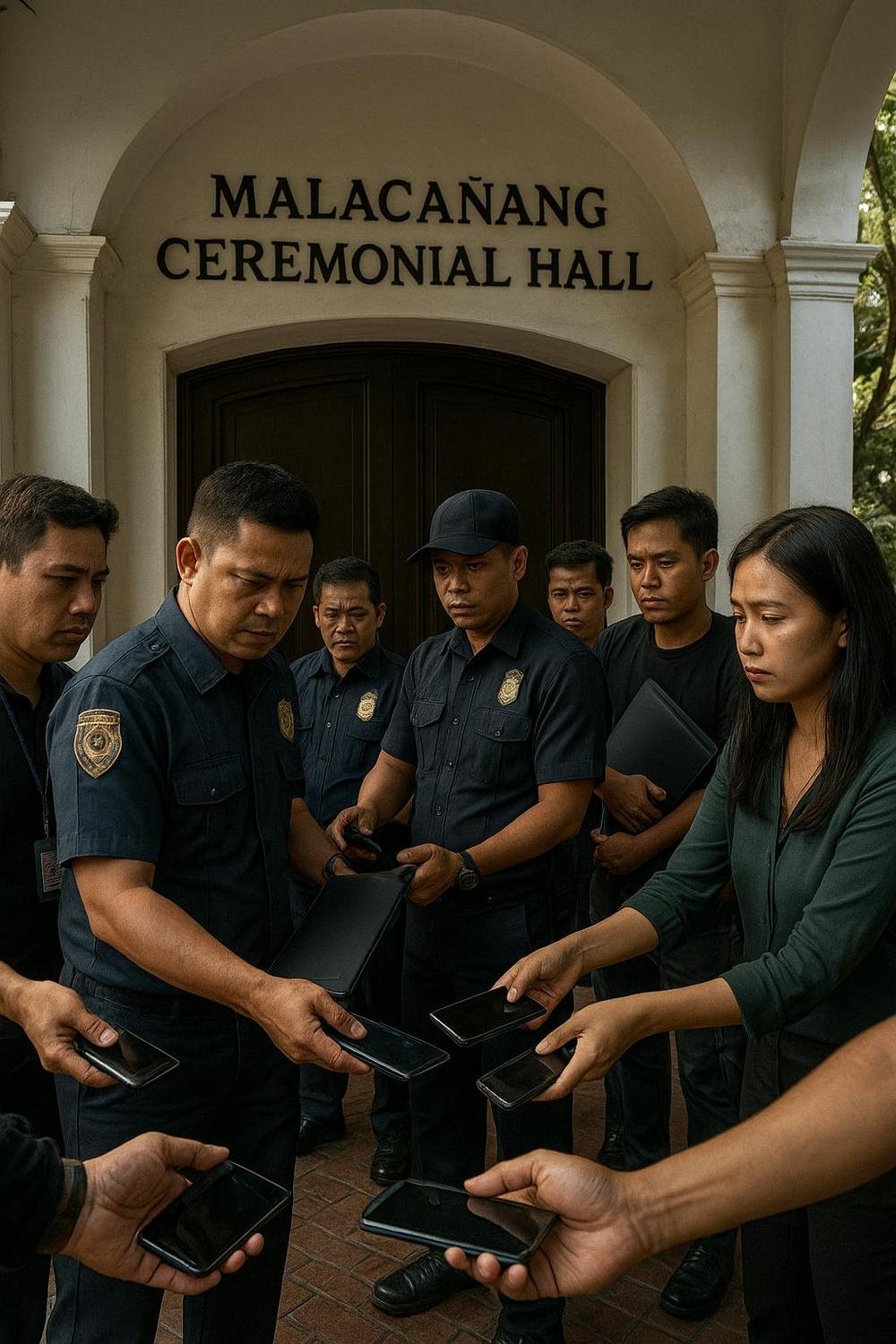
In a move that rattled the Malacañang Press Corps, security personnel mandated journalists to surrender their mobile phones and laptops before entering the Ceremonial Hall for the signing of the national budget. This unprecedented restriction has raised urgent questions about press freedom and governmental transparency, casting a shadow over real-time reporting of one of the year’s most significant legislative events.
Unprecedented Device Surrender Sparks Concerns
On the day the 2025 national budget was set to be signed into law, members of the Palace press corps encountered an unexpected obstacle: a mandatory confiscation of their electronic devices. Reporters were required to relinquish mobile phones, laptops, and other recording equipment to security officials at the entrance of the Ceremonial Hall, a strict protocol with no clear precedent in recent memory.
This move effectively curtailed live coverage and the immediate dissemination of photos, videos, and statements directly from the signing venue. Journalists expressed dismay at the sudden policy, which interrupted their usual real-time reporting rhythm and limited their ability to capture unfolding developments. Without their primary tools, news teams had to rely on official communiqués and secondhand accounts, hampering the immediacy and independent verification crucial to transparent journalism.
Press Freedom and Transparency Under Scrutiny
The device surrender requirement fuels apprehension about restrictions on the media’s watchdog role, particularly during a legislative milestone that significantly impacts the nation’s direction and governance priorities. The annual budget signing often serves as a focal point for accountability, reflecting the government’s allocation of resources for social services, infrastructure, and policy programs.
Advocates for press freedom warn that imposing strict controls over journalists’ equipment within government premises may create an atmosphere of secrecy. Such measures could set a troubling precedent for future government interactions with the press, undercutting the principle of an open and accessible government.
Background Tensions Between Malacañang and Media
This incident arrives against a backdrop of recent frictions involving the Presidential Communications Office (PCO) and the Malacañang Press Corps. Earlier in 2025, media access controversies included the request for the removal of a prominent reporter from the Palace beat over alleged protocol breaches, as well as the ongoing accreditation review of the Press Corps’ president.
While these prior episodes did not involve direct equipment confiscation, they underscore a growing sensitivity around media conduct and control of information flow within the Palace. The heightened security measures at the budget signing suggest an intensification of these concerns and a tighter grip on press activities in critical official events.
Calls for Clarification and Official Response
As of now, the Presidential Communications Office has not issued a formal statement explaining the rationale behind the device surrender policy. Journalists affected by the restriction have reached out to their organizations and press bodies seeking clarity and assurances that such measures will not become routine.
Observers stress the importance of transparent communication to prevent misunderstandings and to uphold democratic norms. In the absence of official explanations, the media community remains vigilant, urging government authorities to balance legitimate security considerations with the fundamental right to report freely and accurately.
The Road Ahead: Balancing Security and Access
The cat-and-mouse dynamic between press freedoms and security protocols is an enduring issue worldwide. While protecting confidentiality or limiting disruptions during high-profile events can be warranted, the wholesale confiscation of journalists’ devices raises the stakes considerably. It is akin to dimming the lights in the theater during a pivotal act — the audience, in this case the public, is left in the dark.
As the country digests the 2025 budget’s implications, the unfolding dialogue surrounding this media restriction could shape future interactions between Malacañang and the press. Ensuring that public scrutiny remains unfettered will be key to maintaining trust in the government’s handling of public affairs.