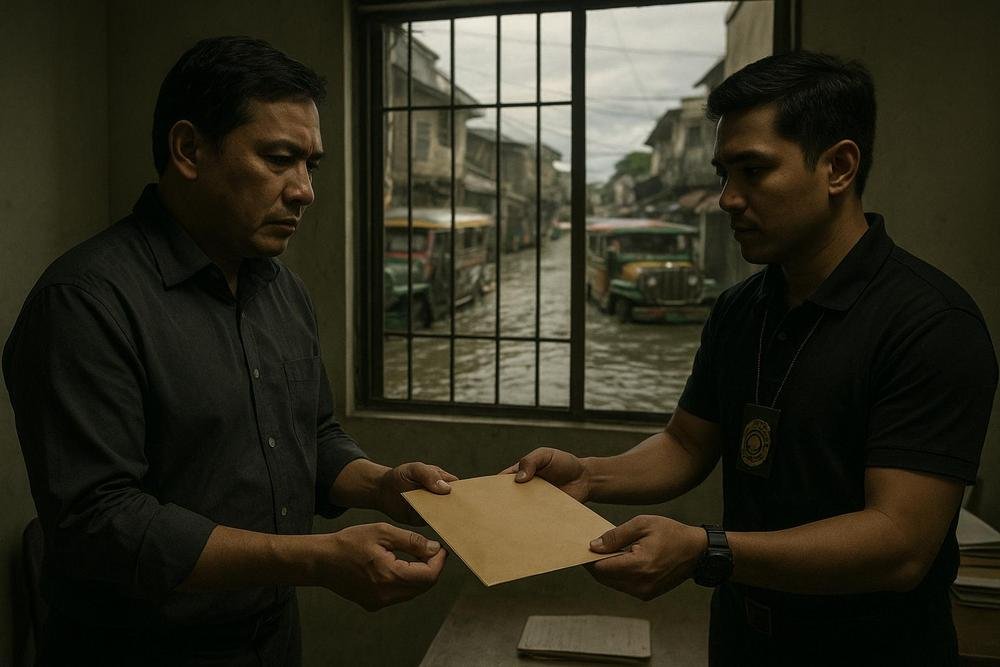
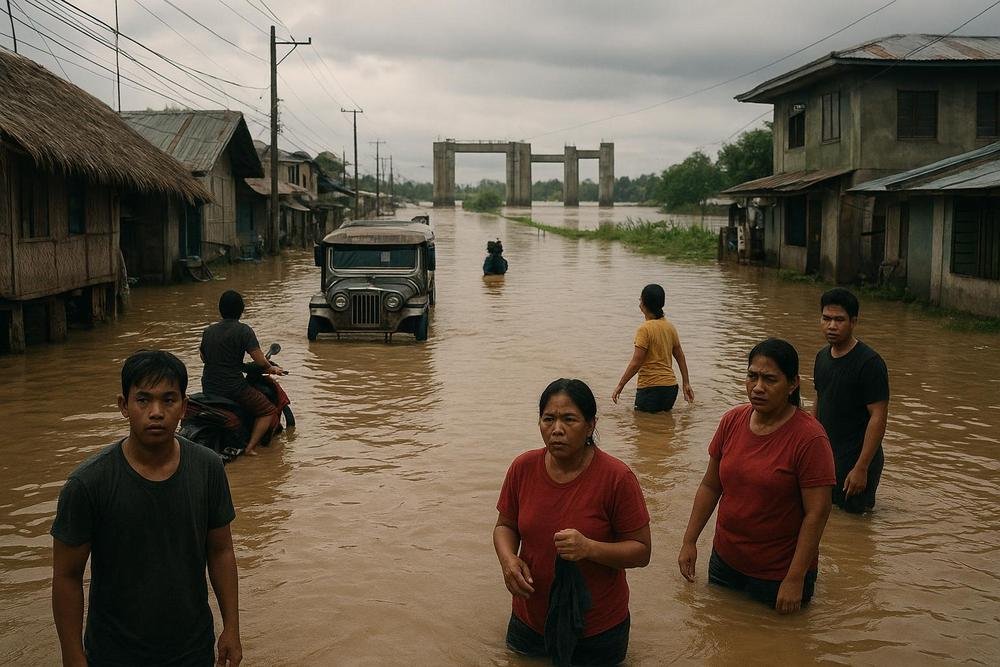
Billions of pesos meant to keep Filipino communities dry are instead being siphoned off through a system insiders call “parking” and “sagasa” — budgetary maneuvers that, according to lawmakers and investigators, allow public money to be quietly inserted, reassigned, and skimmed from flood control projects across the Philippines. The result is a country that spends lavishly on paper to fight floods, while neighborhoods from Metro Manila to Mindanao still wade through waist-deep water every typhoon season.
A Flood of Money, Not Protection
Under successive administrations, spending on flood control has surged with startling speed. In 2016, national appropriations stood at ₱79 billion. By July 2022 to May 2025, that figure had ballooned to more than ₱545 billion, spread across 9,855 projects under President Ferdinand Marcos Jr.
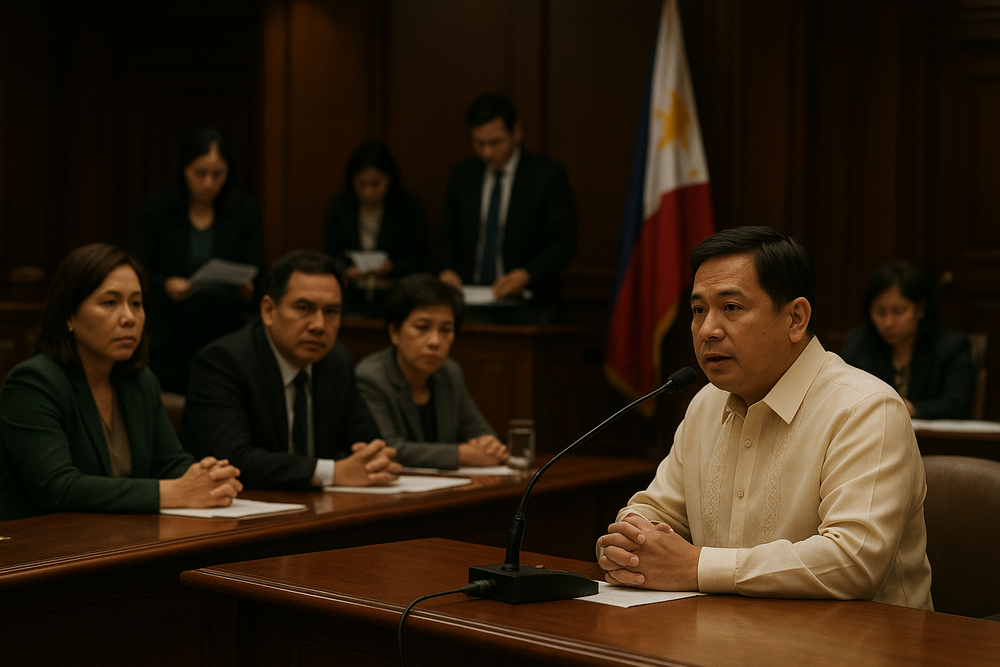
Yet the lived experience on the ground tells a different story. Major urban centers remain chronically flooded, drainage systems fail repeatedly, and rural river defenses often exist only on ledgers. Senate inquiries and House debates now point to a structural problem in how funds are “inserted” into the budget — often late in the process and with limited scrutiny.
How “Parking” and “Sagasa” Work
In congressional parlance, “parking” refers to placing large sums under vague or generic budget lines, particularly within the Department of Public Works and Highways (DPWH). Once approved, these funds can later be steered toward specific projects favored by lawmakers or political allies.
“Sagasa,” literally meaning to run over, describes the fast-tracking or overriding of technical reviews and local planning processes. Projects move forward despite incomplete studies, overlapping scopes, or questionable necessity — often during bicameral budget deliberations, when changes are hardest to track.
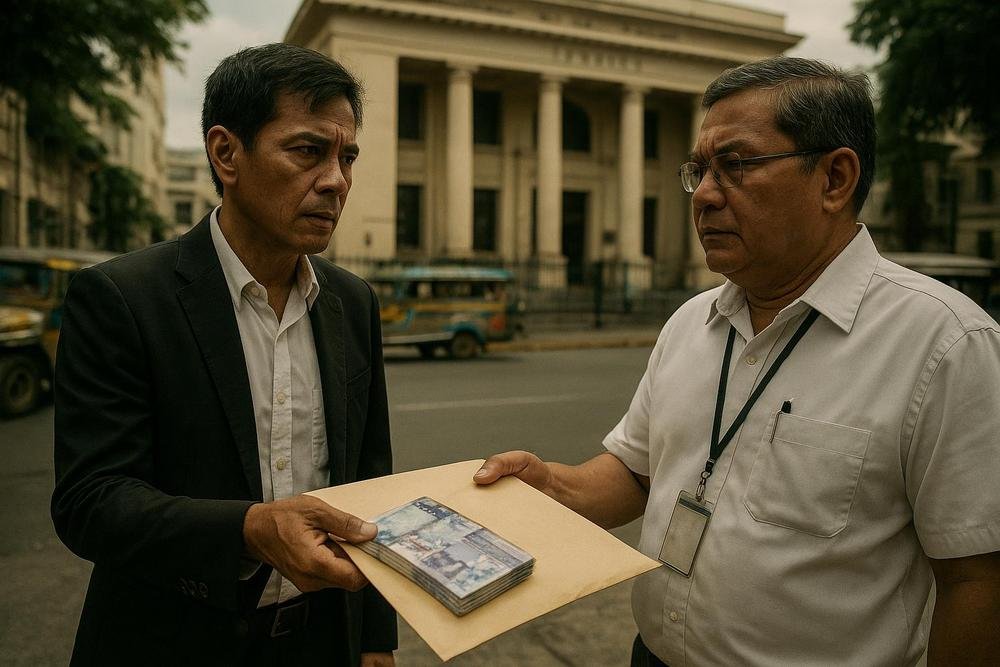
Opposition lawmakers have alleged that this system supports a 25–30 percent kickback hierarchy, linking legislators, DPWH officials, and contractors. One House member publicly questioned ₱142.7 billion in what he described as “questionable insertions.”
Davao, the Numbers, and the Pattern
The scale of allocations has drawn particular scrutiny in certain regions. From 2022 to 2024, the Davao Region received ₱51 billion in flood control funding. In 2025 alone, Davao City and Davao del Sur were allocated ₱7.69 billion.
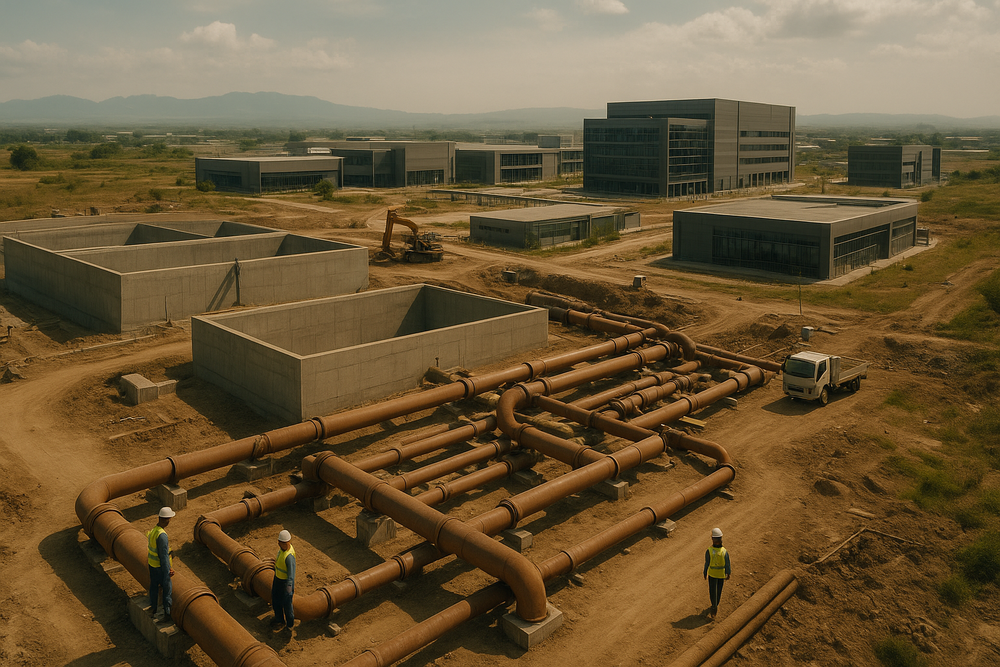
Nationally, records show that since 2012, just 15 contractors have secured nearly ₱100 billion — about 20 percent of the total flood control budget. Investigators have flagged patterns of repeat winners, alleged cartel behavior, overpricing, and projects that are partially built or entirely absent.
Ghost Projects and Real Consequences
For ordinary Filipinos, these abstractions translate into missed workdays, damaged homes, and rising prices. In Metro Manila, flooding affects 11,110 hectares and roughly 1.7 million residents, disrupting transport for jeepney drivers, vendors, and low-wage workers.
Delays and defects also undermine large, legitimate projects. A major flood control initiative in the National Capital Region, backed by the World Bank and the Asian Infrastructure Investment Bank, is slated for completion in November 2026. As of January, only 62.86 percent of the World Bank portion had been disbursed — slowed by right-of-way issues and coordination failures.
Marcos Steps on the Brakes
Confronted with mounting controversy, President Marcos Jr. has ordered a sharp course correction. He vetoed ₱16.7 billion in what Malacañang described as redundant flood control projects in the 2025 budget. For 2026, the DPWH proposal includes no funds for new locally funded flood control initiatives, allocating only ₱2.49 billion for maintenance of existing structures.
“We have made significant progress in the review process. Firstly, we are beginning to see that all the flood control projects intended for inclusion the 6 budget no longer essential,” the President said. “Hence, the budget for flood control in 2026 will not be allocated, as there remains P350 billion from 2025 that has yet to be utilized. Therefore, the work will proceed.”
The DPWH said existing funds would be used for “logging, silting dredging repairs, and clearing operations to maintain the effectiveness of waterways and drainage systems.”
Pushback and Denials
The administration insists that safeguards are in place. The Department of Budget and Management has rejected accusations of a scam, stating: “The DBM expressly denies the facilitation of a ‘fund scam’ in the Flood Mitigation Structures and Drainage Systems program of the Department of Public Works and Highways.”
Finance officials have tightened approval rules through the ICC-Cabinet Committee, requiring comprehensive studies and local government clearances. Marcos himself warned in September 2025: “Only flood control projects meeting all requirements will be approved… these projects will only move forward with properly prepared proposals and local government clearance.”
An Old Problem, Still Unresolved
Critics note that technical tools to guide spending already exist — or once did. The NOAH flood hazard mapping program, launched in 2012, produced detailed risk data before being defunded under the Duterte administration. Without such science-based planning, they argue, money will continue to chase politics rather than water.
As ₱350 billion in previously approved funds sits unused and communities brace for another typhoon season, the central question remains unanswered: will halting new projects dismantle the culture of parking and sagasa, or simply pause it?
For millions of Filipinos navigating flooded streets each year, accountability is not an abstract debate. It is the difference between a dry home and another disaster paid for — but never fixed — in full.