More than 160 Christian worshippers were abducted from three churches in northern Nigeria during Sunday services, church leaders said this week, in what appears to be one of the largest mass kidnappings of Christians in the country in recent years. The coordinated attacks, carried out on January 18 in Kaduna State’s Kajuru area, have intensified scrutiny of Nigeria’s fraying security and the continued targeting of religious communities.
According to church authorities and international advocacy groups, between 163 and 167 people remain in captivity after armed attackers stormed three churches in the rural village community of Kurmin Wali. At least nine worshippers managed to escape during the chaos as gunmen herded congregants into nearby bushland.
Coordinated attacks during Sunday worship
The assaults unfolded between approximately 9 a.m. and late morning as villagers gathered for Sunday services. Witnesses said the attackers arrived in groups, some on motorcycles and others on foot, carrying what were described as sophisticated weapons.
The gunmen struck three churches almost simultaneously: Evangelical Church Winning All, Albarka Cherubim and Seraphim Church 1, and Haske Cherubim and Seraphim Church 2. By blocking entrances and firing shots, the attackers forced worshippers outside and marched them into surrounding forest areas.
Reverend John Hayab, chairman of the Christian Association of Nigeria in the northern region, said elders from the affected churches compiled initial lists of the missing.
“The actual number they took was 172 but nine escaped, so 163 are with them,” Reverend Hayab said.
Families left in anguish
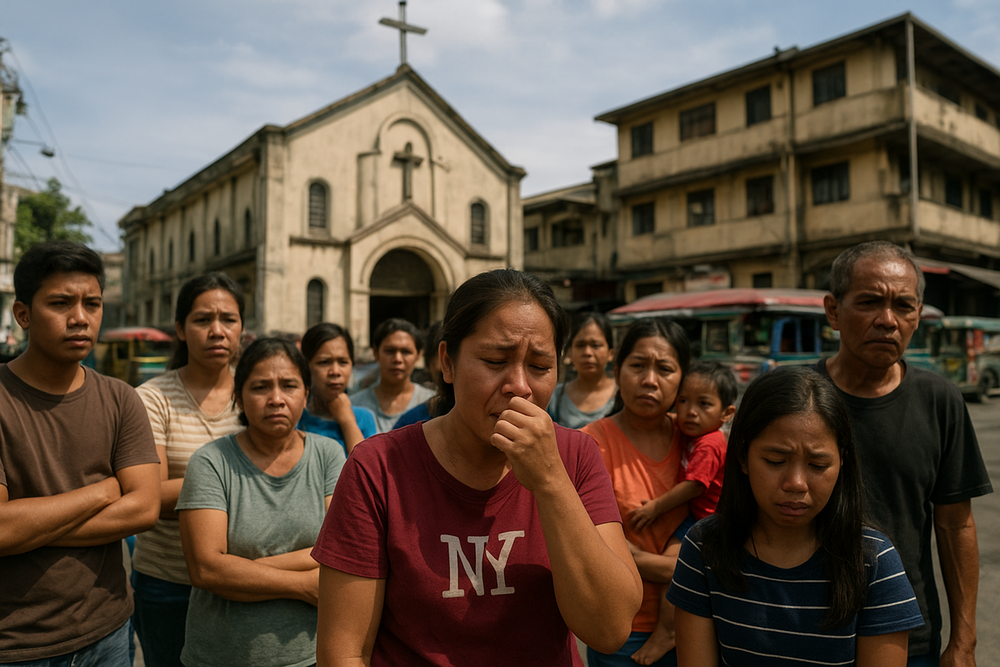
For relatives of the abducted, the uncertainty has been devastating. Afiniki Moses, whose husband and children were among those seized, described a community plunged into despair.
“They kidnapped a large number of people in the community and my husband happened to be among them,” she said. “As you can see me now, I am not feeling fine.”
Church officials also confirmed that several community leaders were taken, adding to fears that the kidnappers may seek large ransoms.
Confusion and contradiction in official response
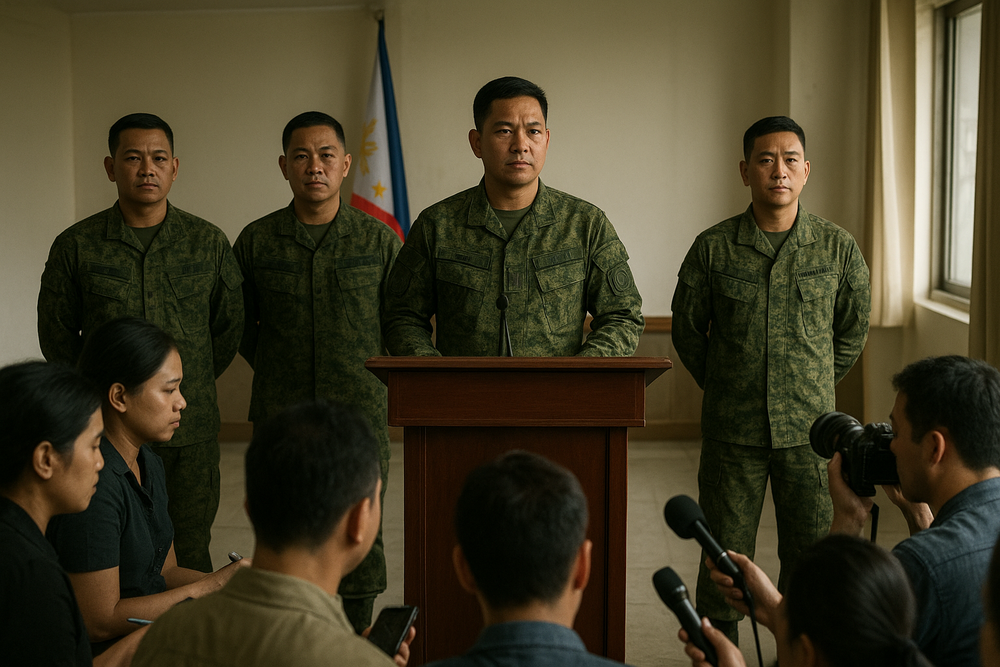
Nigeria’s security response has been marked by conflicting official statements. On Monday, the Kaduna State police commissioner initially told reporters that officers who visited one of the churches found “no evidence of the attack,” a claim that drew sharp criticism from church leaders and rights groups.
Within a day, authorities revised their position. Police later acknowledged that gunmen had attacked churches in Kurmin Wali and confirmed that around 166 people were abducted. Security forces, they said, had been deployed to track the perpetrators and locate the captives.
A state lawmaker representing the area, Usman Danlami Stingo, reported that 177 people were initially taken, with 11 later escaping.
Access restricted as advocacy groups raise alarm
International Christian advocacy organisations, including Christian Solidarity Worldwide (CSW) and International Christian Concern, have helped compile lists of those still missing. CSW said its attempt to send a verification team to Kurmin Wali was blocked by military officials, citing standing security orders.
CSW’s founder, Mervyn Thomas, said the organisation was troubled by what it described as attempts to play down the scale of the abductions.
“We express high concern for attempts to obscure the abductions,” Thomas said, urging the Nigerian government to act swiftly to secure the release of those held.
A pattern of widening violence
The mass abduction did not occur in isolation. Rights monitors say it forms part of a broader wave of attacks on Christian communities across Nigeria’s Middle Belt and beyond. In the first weeks of January alone, at least 35 Christians were reported killed in separate assaults in Plateau, Benue and Taraba states.
Over the past year, armed bandit groups and militant factions—often described by local residents as bandits or Fulani militias—have combined ransom-driven kidnappings with attacks that deepen religious and ethnic fault lines. No group has claimed responsibility for the Kurmin Wali abductions.
Ransom fears and a grim precedent
Local church leaders fear that the captives could be held for weeks or months. In previous incidents, abducted worshippers have been released only after churches or families scraped together large ransom payments.
In one widely cited case last year, a congregation paid the equivalent of more than $200,000 to secure the release of dozens of members. Clergy warn that such payments fuel a cycle in which churches have become soft targets—places of refuge turned into marketplaces for human lives.
Pressure on Abuja to restore trust
Nigeria’s constitution guarantees freedom of religion, but critics argue that repeated attacks and hesitant official responses have eroded confidence in the state’s ability—or willingness—to protect vulnerable communities.
As the days pass, families in Kurmin Wali wait for word from the bushlands where their loved ones are believed to be held. For them, each hour without news sharpens the sense that Sunday worship, once a symbol of solace, has become a perilous act in parts of the country.