National Security Adviser Eduardo Año warned that the Communist Party of the Philippines (CPP) continues to pose a significant threat despite its declared holiday ceasefire. Citing recent deadly clashes with the New People’s Army (NPA) during the Christmas and New Year period, Año dismissed the truce as insincere and urged remaining rebels to surrender and reintegrate into society through government programs.
Violence Persists Despite Truce Declarations
Although the CPP announced a unilateral ceasefire during two brief intervals—midnight December 25 to midnight December 26, 2025, and midnight December 31, 2025, through January 1, 2026—the government reported continued armed engagements. Notably, from December 19 to 23, seven suspected NPA members were killed in clashes in Lagonoy, Camarines Sur, and Las Navas, Northern Samar. Earlier, on December 3, two soldiers died in an encounter with rebels in San Jose de Buan, Samar.
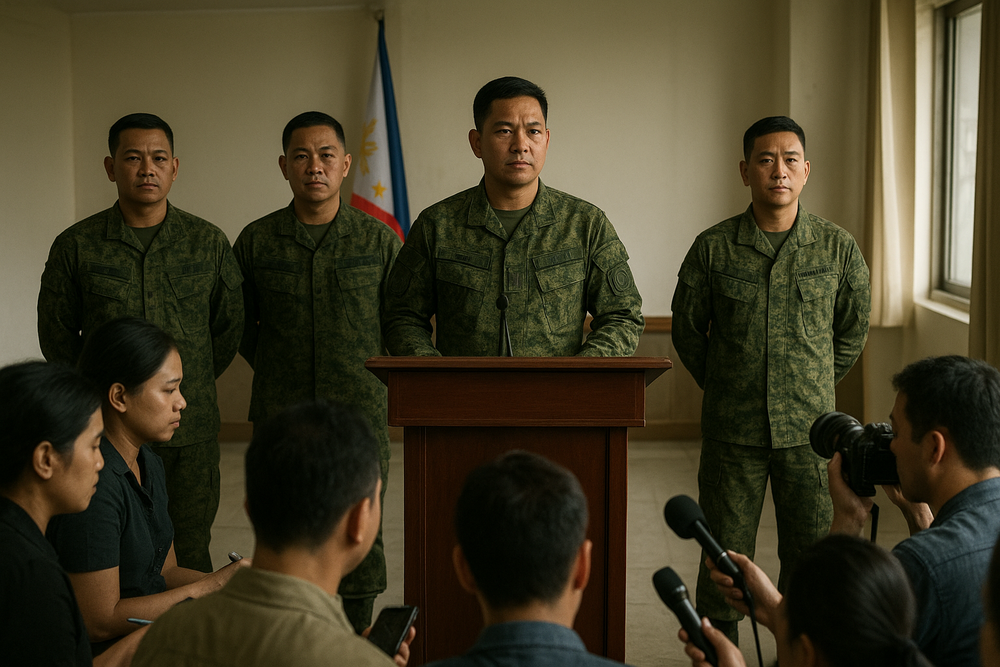
NSA Año emphasized these incidents reflect the CPP-NPA’s determination to maintain an active armed campaign. “Recent armed encounters, including incidents that caused fatalities even during the holiday period, demonstrate that violence remains an active and continuing means to achieve their objectives,” he said, underscoring the CPP’s calls for armed readiness despite ceasefire announcements.
Declining Strength But Persistent Threat
The CPP-NPA insurgency, spanning 57 years, was founded on December 8, 1968, with the NPA established as its armed wing in March 1969. Once boasting approximately 25,000 members at its peak in 1987, the NPA’s current estimated strength has declined sharply to around 780 members nationwide.
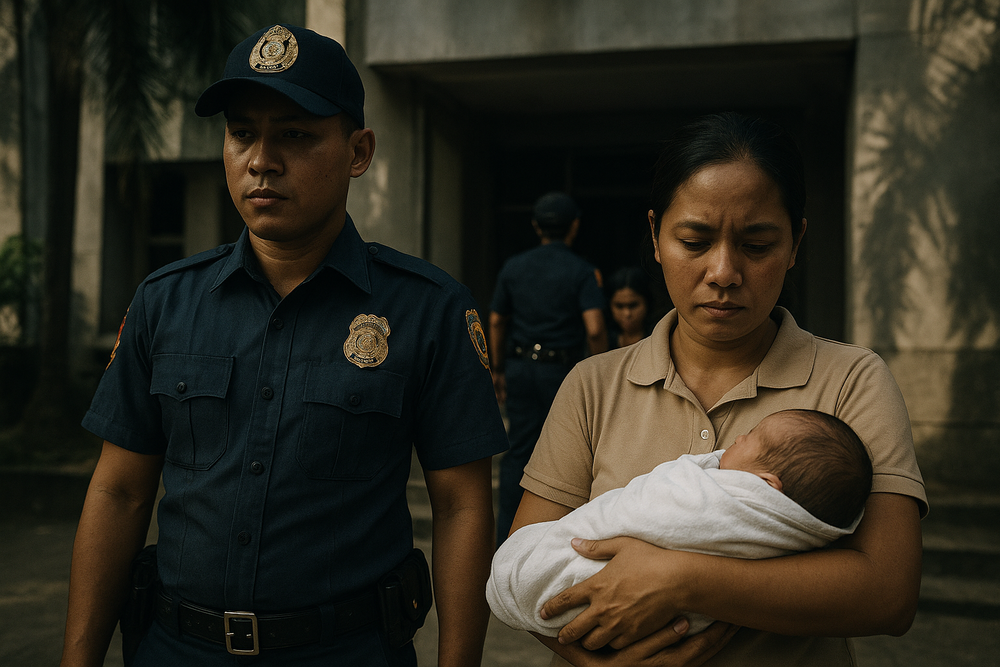
However, the diminished numbers have not translated into diminished violence. The insurgency continues to impose a heavy toll on rural communities, where clashes disrupt livelihoods, displace families, and delay economic development.
Government Calls for Rebel Surrender and Reintegration
The government maintains that its strategy emphasizes a whole-of-nation approach through the National Task Force to End Local Communist Armed Conflict (NTF-ELCAC), which includes programs for the disengagement, amnesty, and reintegration of rebels.
NTF-ELCAC Executive Director Ernesto Torres Jr. characterized the CPP-NPA as “a dwindling organization clinging to an outdated ideology” after five decades of armed struggle. Both he and NSA Año urged remaining members to take advantage of government initiatives designed to facilitate a peaceful return to civilian life.
Impact on Rural Communities
Despite the reduced scale of the insurgency, its legacy continues to haunt geographically isolated and disadvantaged rural communities across the archipelago. The persistent violence not only threatens lives but also hampers agricultural productivity and access to basic services.
Occurrences of armed clashes during the holidays, traditionally a time for family gatherings and economic activity, exacerbated the strain on local economies in affected areas like Samar and Camarines Sur. Meanwhile, Metro Manila and other urban centers remain largely insulated from direct violence but still bear the indirect costs through diverted resources for counter-insurgency efforts.
Perspectives From Both Sides
- Government officials insist the ceasefires are undermined by simultaneous calls from the CPP for armed preparedness, which compromises their sincerity and effectiveness.
- The CPP central committee, in a December 26 statement, acknowledged “modest advances” in some units’ rectification and rebuilding efforts but admitted that many continue to struggle, reflecting an ongoing internal regrouping rather than full cessation of hostilities.
- Rural residents remain caught in the crossfire, urged by authorities to reject violence and support peace and development reforms.
Legal Framework and Continuing Conflict
While the Philippine Constitution guarantees democratic dissent, it does not condone armed struggle to achieve political ends. The government’s National Action Plan for Unity, Peace, and Development (NAP-UPD) operationalizes lawful measures to address the insurgency, focusing on disengagement programs and legal amnesty for qualified former rebels.
Looking Ahead
As the CPP-NPA faces dwindling ranks and sustained government pressure, the conflict remains far from resolved. NSA Año’s firm stance signals that, despite declared truces, the government will continue to hold the rebels accountable for violence and press for their return to peaceful civilian life.
For the rural communities bearing the brunt of this protracted insurgency, the path to lasting peace hinges on the successful implementation of reintegration programs and continued efforts to address underlying social and economic grievances.