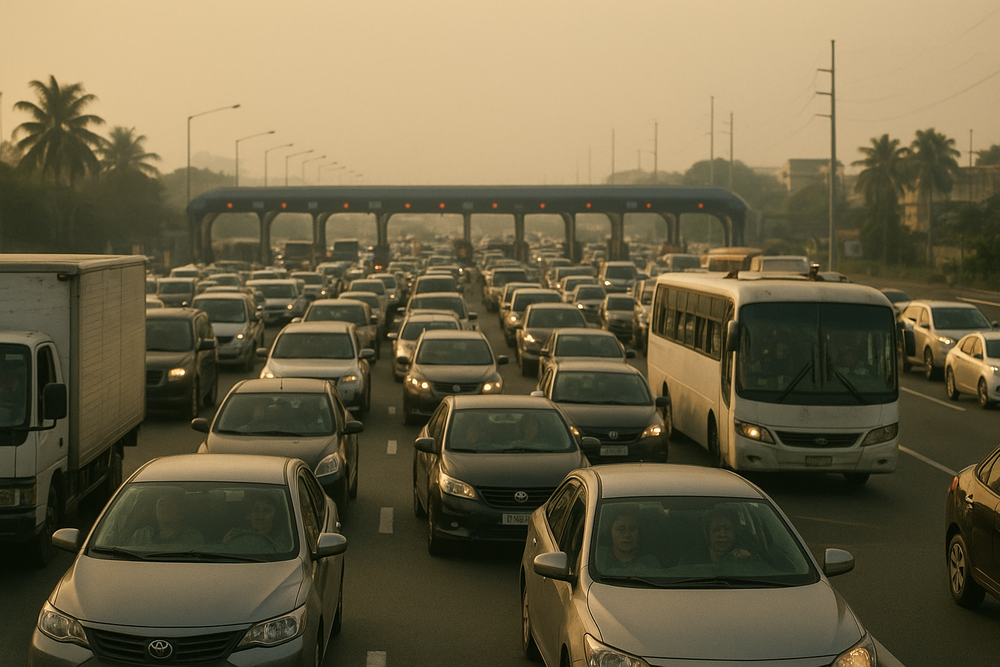
The cost of driving along the North Luzon Expressway will rise again later this month, after the Philippines’ Toll Regulatory Board (TRB) approved the final tranche of NLEX Corporation’s long-planned toll adjustments. The increase takes effect on January 20, 2026, marking the fourth toll hike since 2022 and closing out the expressway operator’s 2023 periodic adjustment programme.
A Final Adjustment Years in the Making
In a statement, NLEX Corporation said the latest adjustment completes a series of incremental increases approved by the TRB to support the upkeep and expansion of one of the country’s busiest toll roads. The hikes are part of a regulatory framework that allows privately operated expressways to periodically adjust rates in line with approved investment and maintenance plans.
The TRB said the increases are intended to ensure the “continued delivery of safe, efficient, and quality expressway services” while safeguarding the long-term viability of large-scale infrastructure investments.
How Much More Motorists Will Pay
The January 20 adjustment will affect both the open and closed sections of NLEX, with higher costs depending on vehicle class and distance travelled.
- Open system (Balintawak, Caloocan, Mindanao Avenue to Marilao, Bulacan):
- Class 1 (cars, SUVs): ₱85 (up ₱6)
- Class 2 (buses, light trucks): ₱211 (up ₱12)
- Class 3 (heavy trucks): ₱254 (up ₱16)
- Closed system (Marilao to Sta. Ines, including Bocaue to Mabalacat City):
- Class 1: ₱0.26 per kilometre (exclusive of VAT)
- Class 2: ₱0.65 per kilometre (exclusive of VAT)
- Class 3: ₱0.78 per kilometre (exclusive of VAT)
For motorists travelling the full stretch from Balintawak to Sta. Ines, total tolls will rise to:
- ₱440 for Class 1 vehicles (an increase of ₱24)
- ₱1,099 for Class 2 vehicles (up ₱60)
- ₱1,319 for Class 3 vehicles (up ₱72)
Smaller increases will also apply to the Subic–Tipo segment, with hikes of ₱3, ₱6, and ₱7 for Classes 1, 2, and 3 respectively.
Where the Money Is Going
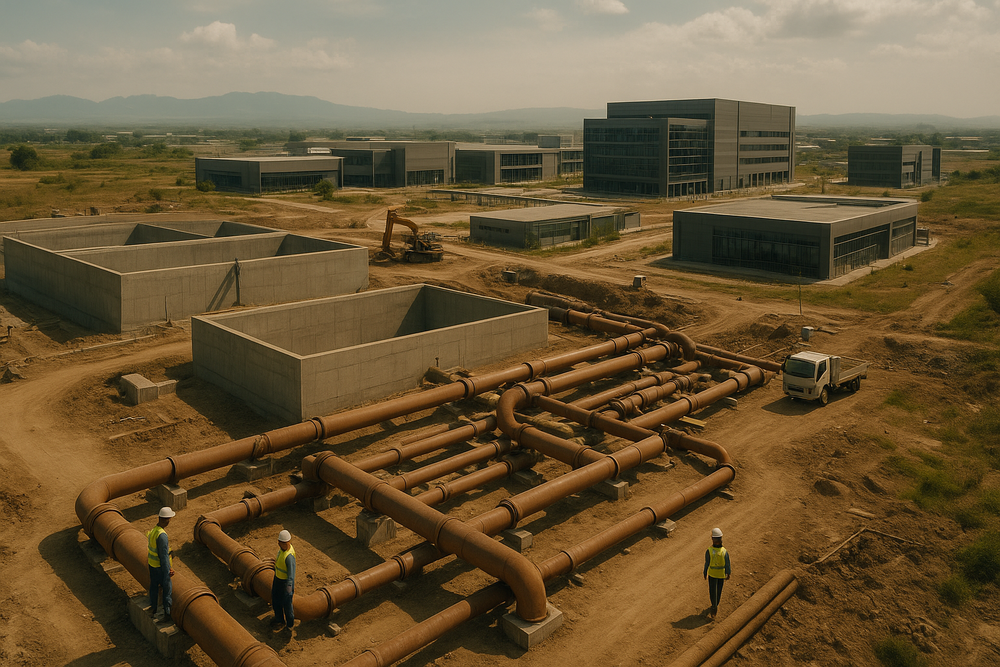
NLEX Corporation says the added revenue will be channelled into a slate of ongoing and upcoming infrastructure projects aimed at easing congestion and strengthening the expressway against flooding and wear.
These include the SFEX Capacity Expansion, the Candaba 3rd Viaduct, road-raising works in San Simon, Pampanga, and the much-anticipated NLEX–C5 Northlink. The first two kilometres of the Northlink — connecting the Mindanao toll plaza to Quirino Highway in Novaliches — are set to begin operations in 2026.
NLEX likened the incremental hikes to “spreading the cost of a major overhaul over several years,” allowing motorists to pay in stages while projects are completed.
The Impact on Daily Commuters
For many drivers, however, the timing is sensitive. Daily commuters travelling between Metro Manila and Central Luzon — particularly workers from Bulacan or Pampanga — will feel the pinch from the additional ₱6 to ₱24 per trip for private vehicles.
The increases for Class 2 and 3 vehicles raise concerns about knock-on effects. Bus and truck operators facing ₱60 to ₱72 more on long-haul trips may eventually pass costs on to passengers or consumers, affecting students, market vendors, and small retailers who rely on affordable transport.
A Buffer for Food Prices
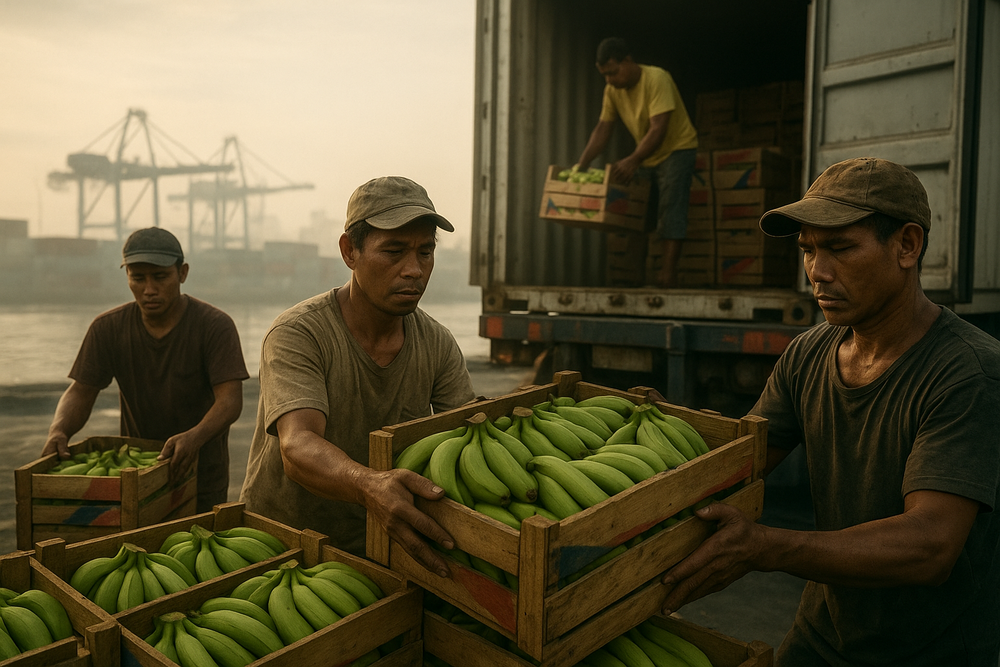
To cushion the broader economic impact, NLEX said it will continue implementing the government’s toll rebate programme for Department of Agriculture–accredited vehicles carrying agricultural goods. The TRB noted that the measure is designed to “help minimize the impact of the toll hike on inflation and support food price stability.”
By shielding produce trucks from higher tolls, authorities hope to keep prices of staples such as rice, vegetables, and fish in urban wet markets from rising further.
What Comes Next
The January 20 adjustment closes the 2023 periodic toll cycle approved by the TRB, following earlier increases implemented annually since 2022, including the most recent hike in March 2025.
For now, regulators and NLEX insist there are no additional increases planned under this cycle. But for motorists navigating NLEX’s long concrete spine through Metro Manila and Central Luzon, the message is clear: better roads and smoother traffic come at a steadily rising price.