A low pressure area (LPA) being tracked well outside the Philippine Area of Responsibility (PAR) has a low chance of developing into a storm, according to the Philippine Atmospheric, Geophysical and Astronomical Services Administration (PAGASA), easing fears of a direct threat to the archipelago even after the system briefly intensified earlier this week.
As of March 13, the weather disturbance remains far from land and poses no direct impact on any part of the Philippines. While it temporarily strengthened into Tropical Depression “Nuri” on March 10, it has since weakened back into an LPA, underscoring PAGASA’s earlier assessment that the system was unlikely to significantly intensify or enter PAR.
From LPA to Tropical Depression — and Back Again
PAGASA first began monitoring the disturbance on March 8, when it was estimated at 1,710 kilometres east of northeastern Mindanao. At the time, forecasters were clear about its limited potential.
“Ito ay huling namataan sa layong 1,710 km silangan ng Northeastern Mindanao. Itong low pressure area naman na ito ay mababa ang tansa na maging isang ganap na bagyo at mababa rin ang tansa na pumasok ng ating Philippine area of responsibility. Wala nga rin itong direktang epekto sa kahit na anong parte ng ating bansa,” PAGASA said in a March 8 briefing.
By 2 a.m. the same day, the system had shifted slightly to around 1,690 kilometres east of northeastern Mindanao, still far offshore and without affecting Philippine territory.
On March 9, the disturbance was monitored at approximately 1,000 kilometres east of Eastern Visayas. PAGASA noted a moderate chance of development but said prevailing winds would likely steer it northeast, away from PAR.
Less than 24 hours later, the system briefly intensified. “As of 8:00 a.m. today, 10 March 2026, the Low Pressure Area (LPA 03a) being monitored outside the Philippine Area of Responsibility has developed into a Tropical Depression,” PAGASA announced. The depression, later named “Nuri”, was located 1,305 kilometres east of Guiuan, Eastern Samar, with maximum sustained winds of 45 kilometres per hour and gusts reaching 55 kph, moving north-northeast at 10 kph.
The intensification was short-lived. In subsequent updates, PAGASA confirmed that Nuri had weakened back into an LPA while remaining outside PAR.
No Direct Threat, But Seasonal Rains Persist
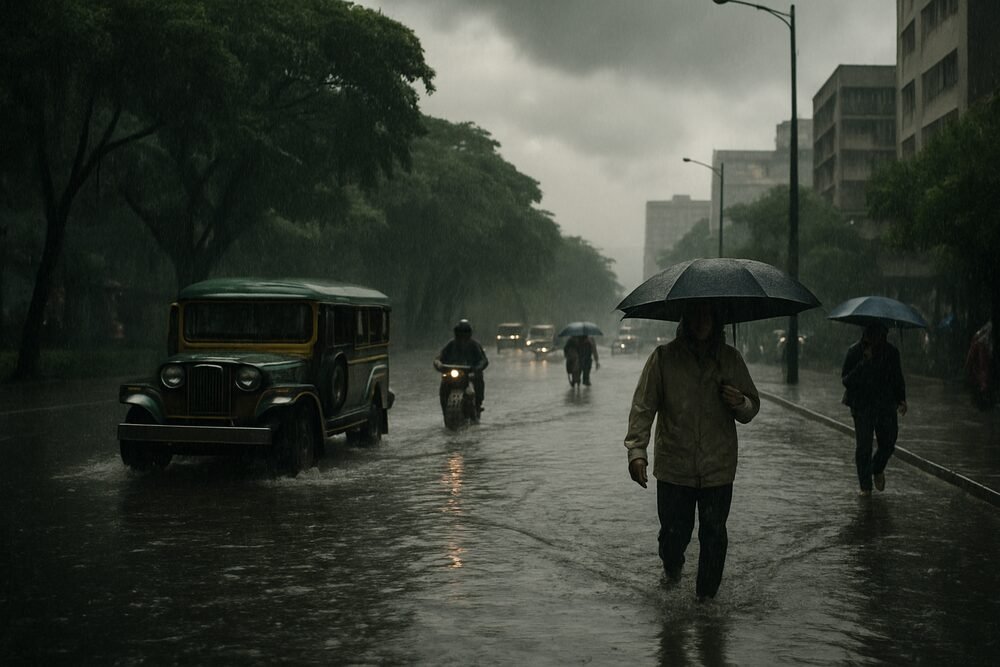
Although the system itself poses no immediate danger, parts of the country continue to experience scattered rainfall due to the northeast monsoon (amihan) and easterlies.
These weather patterns are bringing isolated rainshowers and thunderstorms to areas in Luzon, the Visayas and Mindanao. In Metro Manila, the forecast as of March 13 shows temperatures ranging from 20°C to 30°C, with partly cloudy to cloudy skies and possible rainshowers. Winds are blowing east-southeast at around 21.6 kph, and no gale warnings are in effect nationwide.
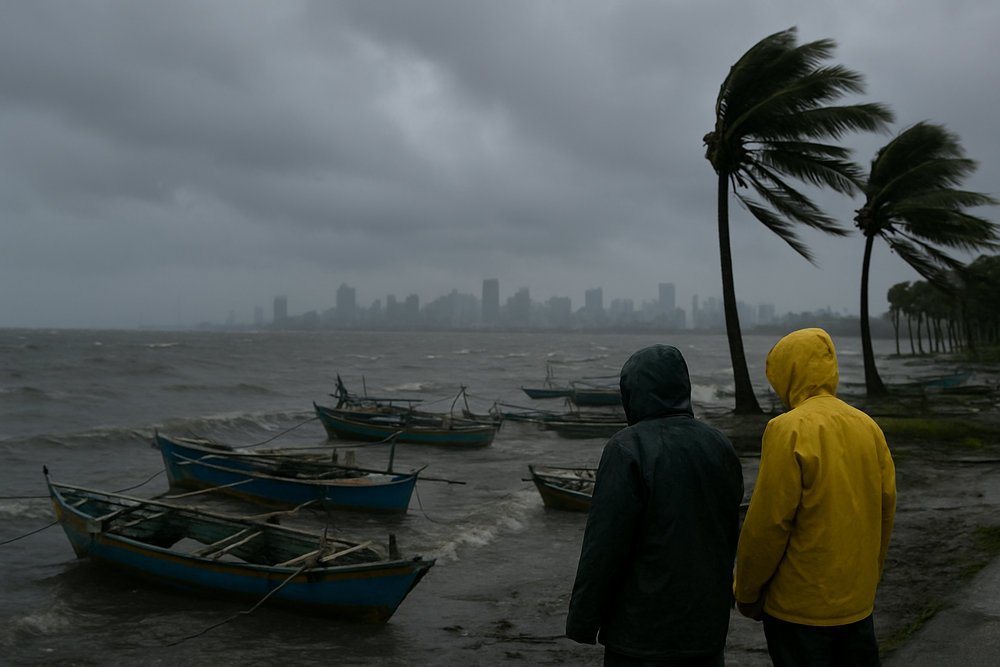
Moderate to occasionally rough sea conditions have been reported in portions of northern and eastern Luzon due to the northeast monsoon, prompting advisories for small fishing vessels to exercise caution.
La Niña Ends, Neutral Conditions Set In
The monitoring of the offshore LPA comes as PAGASA formally declared the end of the 2025–2026 La Niña episode on March 9. The country has now shifted to ENSO-neutral conditions, which forecasters expect to persist in the coming months.
“Forecast models suggest that these ENSO-neutral conditions are likely to persist… through to June–August 2026,” PAGASA said.
The transition means large-scale climate drivers like La Niña are no longer expected to significantly influence rainfall patterns. Instead, short-lived systems such as LPAs, along with the monsoon and localized thunderstorms, will shape day-to-day weather.
Routine Monitoring Under Disaster Framework
No disaster alerts or emergency measures have been issued in relation to the LPA. The situation does not trigger provisions under the Philippines’ Disaster Risk Reduction and Management law, as there are no reported disruptions, damage or immediate threats to communities.
PAGASA continues to monitor the system under its mandate to provide timely forecasts and warnings. Authorities have advised the public, particularly in areas prone to flash floods and landslides, to remain attentive to official bulletins, even when systems appear distant.
A Distant Disturbance, A Measured Response
The episode underscores how storms behave over warm Pacific waters: some briefly gather strength, others dissipate before becoming a real hazard. In this case, distance has been the Philippines’ strongest safeguard.
For now, the LPA remains a remote weather feature — closely observed, but unlikely to evolve into a threat. PAGASA has not issued any warnings, and forecasters maintain that the system’s chance of developing into a significant storm or entering PAR remains low.