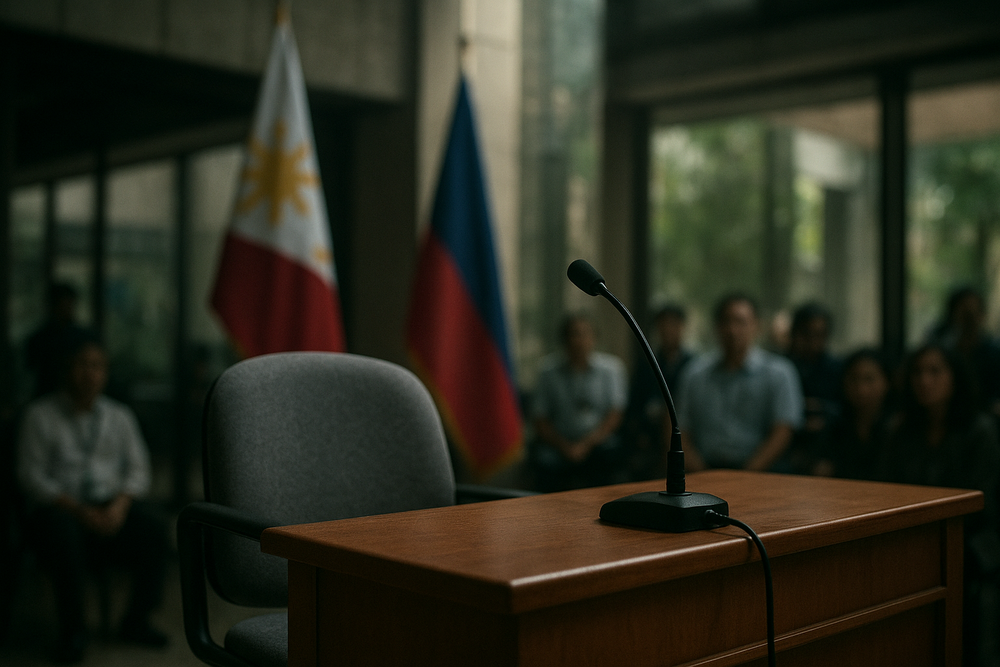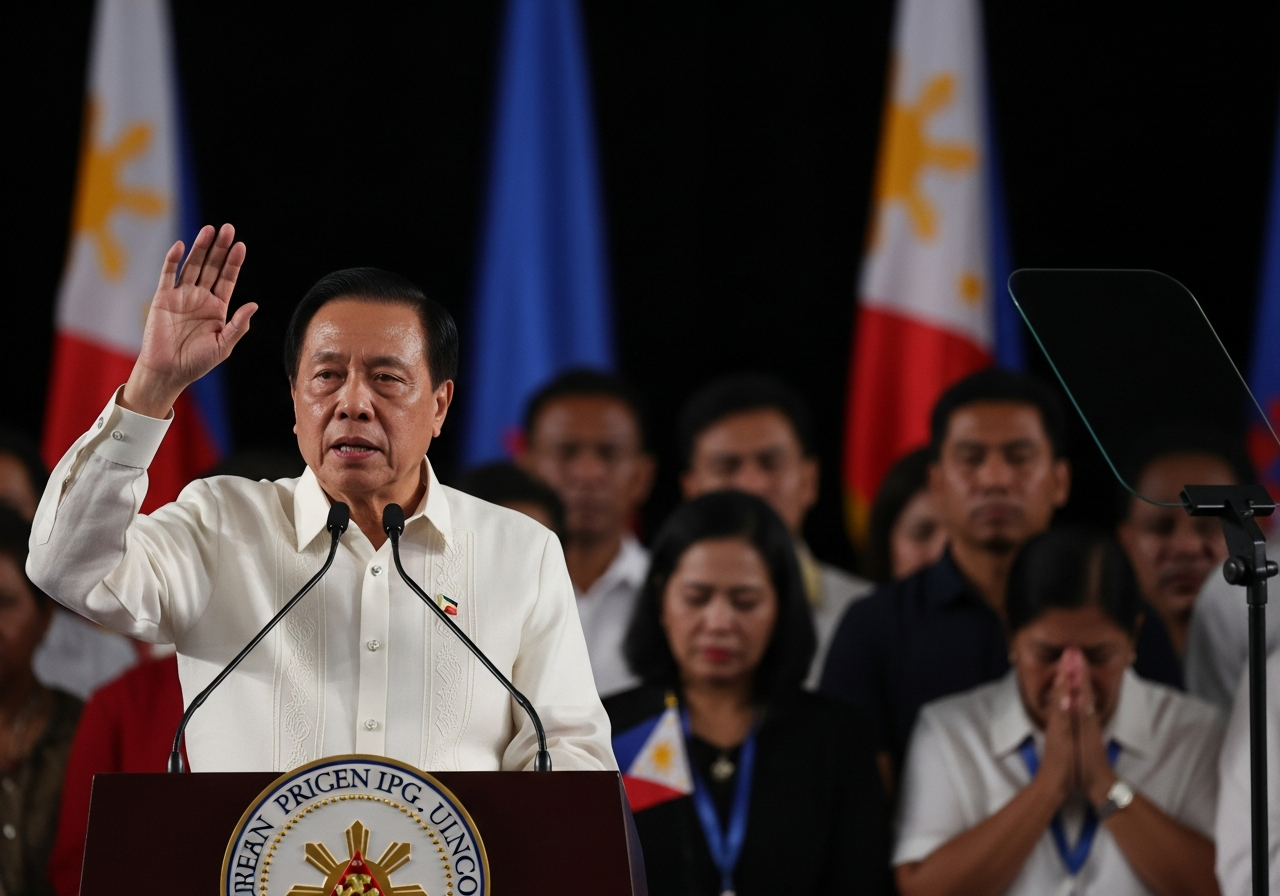
President Ferdinand R. Marcos Jr. called on Filipinos to set aside their differences and work toward national healing, issuing a message on 8 December 2025 that urged collective reflection and prayer at a moment of social strain and political uncertainty. Tied to a major religious observance, the appeal placed unity at the center of the country’s public conversation.
A Call Framed by Faith and Tradition
The message, released during the Feast of the Immaculate Conception, invited citizens to reflect together and pray for the nation. Marcos emphasized that “how we begin matters”, positioning the observance not only as a spiritual milestone but as an opportunity to reset the national mood. He appealed to Filipinos across political, social, and religious divides, urging them to embrace shared values such as dignity, integrity, and service.
The Philippines has long woven faith into its civic life. Major religious feast days often shape public rituals and collective identity. By aligning his call for unity with a moment of widespread spiritual observance, Marcos tapped into a tradition that resonates deeply with millions of Filipinos and stretches across regions, income groups, and generations.
A Pattern of Faith-Based Appeals
The president’s message continues a pattern of using religious occasions to promote cohesion. During Eid al-Fitr in March 2025, he urged compassion and inclusivity across faith communities. In 2024, at the national prayer breakfast, he encouraged leaders and citizens to rise above political, generational, and ideological divides and to lead with humility and mercy. These appeals form part of a broader effort to build common ground in a country marked by recurring tension and fragmented public trust.
Divisions Running Through 2025
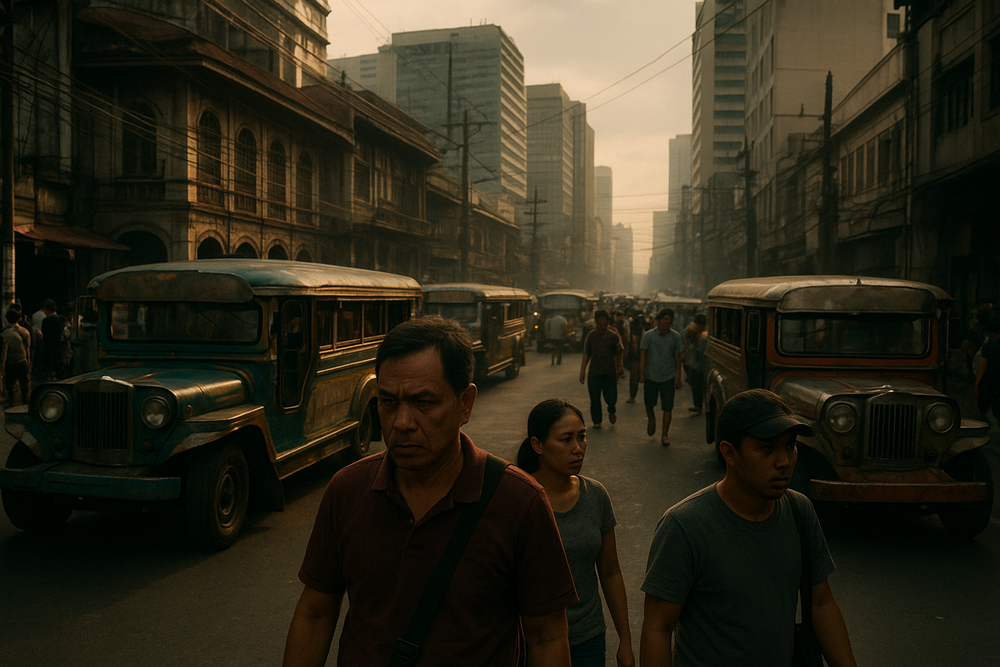
The backdrop to Marcos’s latest call is a nation unsettled by a turbulent year. Large-scale demonstrations erupted in 2025 as citizens protested alleged corruption in flood-control projects. Movements such as the Trillion Peso March and the Rally for Transparency and a Better Democracy drew students, labor groups, religious organizations, and civil society networks. Their demands highlighted concerns over governance, inequality, and institutional accountability.
The protests revealed a widening gap between the public and political leadership. They also exposed deeper frustrations over longstanding issues, including uneven development, the concentration of political power, and the struggle for reliable public services. In this context, Marcos’s call is an attempt to lower the temperature and redirect public sentiment toward reconciliation.
Supportive Voices and Cautious Optimism
For many Filipinos, the president’s message struck a familiar and reassuring tone. The invitation to pray and reflect together echoed a cultural instinct to seek collective solace in moments of difficulty. Some citizens view the appeal as a needed gesture that acknowledges the country’s fractures and gestures toward a more hopeful trajectory.
Supporters argue that unity cannot flourish without a shared moral foundation. They believe that spiritual reflection can set the stage for longer-term social healing, offering a space for dialogue that might otherwise be inaccessible amid political pressures.
Critical Views and Calls for Accountability
Other voices remain skeptical. Critics contend that symbolic appeals cannot substitute for structural reforms. They warn that without tangible action on corruption, inequality, and governance, calls for unity risk becoming a veneer over unresolved problems. Some argue that invoking faith may unintentionally sidestep the need for institutional accountability and transparency.
Secular organizations and minority faith groups also question whether a heavily religious frame reflects the full diversity of Philippine society. They call for healing efforts rooted in civic discourse, inclusive policymaking, and evidence-based governance rather than religious symbolism.
Potential Implications for Governance
The message carries symbolic weight, signaling the administration’s recognition of the country’s divisions and its desire to steer public attention toward common purpose. Yet its long-term impact will likely depend on whether the government aligns its language of unity with concrete steps that address the sources of public frustration.
Policies that strengthen transparency, reduce inequality, and restore confidence in public institutions may determine whether the national appeal becomes a turning point or remains confined to rhetoric. As Filipinos navigate the lingering effects of economic challenges and political tumult, public expectations for meaningful reforms remain high.
A Moment That Sets the Tone
The timing of the message underscores its intention: moments of collective reflection often act as markers for a nation’s moral direction. Marcos’s call to begin with prayer and unity suggests a desire to guide the Philippines toward a calmer, more cooperative chapter. Whether this aspiration takes hold will depend on how effectively leaders and citizens transform shared reflection into shared action.
Timeline of Key Statements
- 8 December 2025: Marcos urges national reflection, prayer, and healing during the Feast of the Immaculate Conception.
- 31 March 2025: During Eid al-Fitr, he calls for unity, compassion, and shared humanity among Filipinos of all faiths.
- 12 June 2025: The president issues a broad call for unity, vigilance, and the defense of freedom amid governance challenges.
- 2024 (November): At the national prayer breakfast, he urges unity across political, generational, and ideological divides.
As the country reflects on the president’s latest message, the coming months may reveal whether unity rooted in shared faith and national identity can help bridge divides that have grown increasingly difficult to ignore.