Two of the Philippines’ largest liquefied petroleum gas (LPG) suppliers raised prices again on February 1, extending a run of increases that is beginning to weigh on household budgets. Petron Corporation lifted LPG prices by P1.50 per kilogram shortly after midnight, while Solane implemented a slightly higher P1.55 per kilogram increase at 6 a.m., both citing higher international contract prices for February.
The latest adjustments follow a steeper round of increases at the start of the year, underscoring how closely domestic fuel costs track volatile global energy markets.
A Second Consecutive Monthly Increase
Petron and Solane both pointed to shifts in international LPG contract prices as the reason for the February adjustments. In separate advisories, the companies described the hikes as routine and unavoidable responses to global pricing movements.
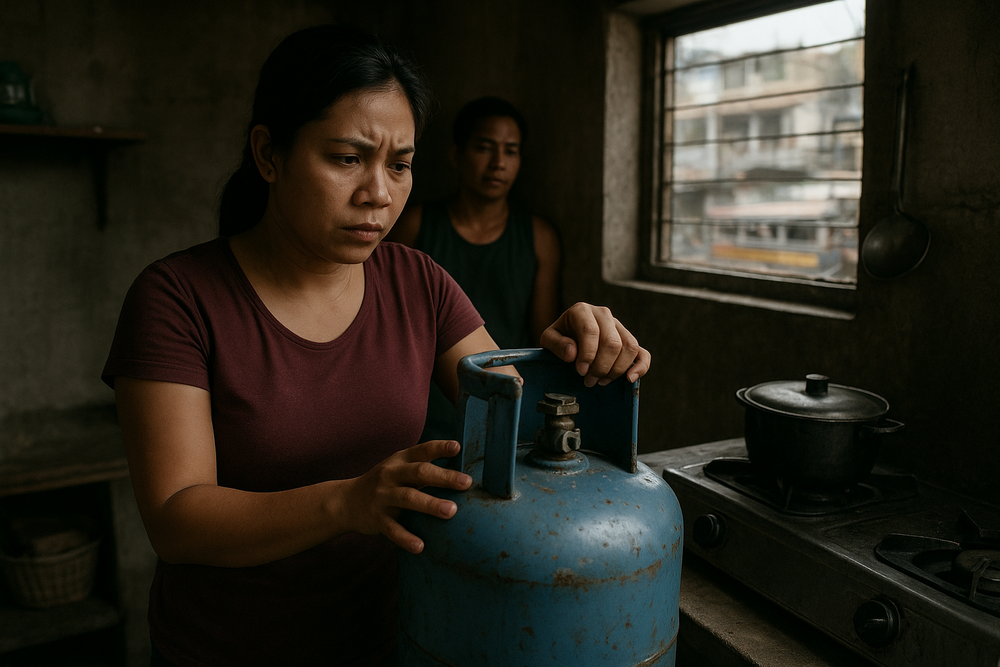
For households using the standard 11‑kilogram LPG cylinder, the new increase translates to an additional P16.50 to P17 on a refill—modest in isolation, but significant when stacked on top of January’s rise.
On January 1, both suppliers had already raised prices by P2.18 per kilogram, adding nearly P24 to an 11‑kg tank. At that time, data tracked by the Department of Energy (DOE) showed prevailing prices for an 11‑kg cylinder ranging from P803.04 to as high as P1,102, depending on brand and location.
How the Increases Unfolded
The timing of the adjustments reflects the industry’s monthly pricing cycle:
- December 30–31, 2025: Solane and Petron announce a P2.18 per kg hike effective January 1.
- January 1, 2026: January price increases take effect nationwide.
- January 31, 2026: Both firms issue advisories for February.
- February 1, 2026: Petron implements its hike at 12:01 a.m.; Solane follows at 6 a.m.
Petron said its February adjustment “reflects the international contract price of LPG for February,” while Solane noted that its move was “aligned with February’s international LPG contract price adjustment.”
The Regulatory Framework Behind LPG Pricing
LPG prices in the Philippines are deregulated under Republic Act No. 8479, the Downstream Oil Industry Deregulation Act of 1998. The law allows oil and gas firms to adjust prices in line with market conditions, while requiring transparency through public advisories.
The DOE monitors retail prices across the archipelago but does not approve or reject individual price adjustments. No specific statements from government agencies were issued in response to the February increases.
Pressure on Household Budgets
For many Filipino households, LPG is as essential as rice or electricity. It fuels daily cooking, small home-based food businesses, and countless neighbourhood eateries. Even a relatively small increase can ripple through household finances, particularly for low- and middle-income families already grappling with inflation.
While the hikes do not directly affect transport costs, they may indirectly push up food prices, as small vendors and sari-sari stores factor higher cooking fuel expenses into the price of meals and snacks.
Global Markets, Local Consequences
The back-to-back increases highlight a simple but unforgiving reality: local LPG prices rise and fall with international energy markets. Like a tide pulled by distant currents, global contract prices continue to shape what households pay, month after month.
With no indication yet of a reversal in global trends, consumers may need to brace for continued volatility—each adjustment a reminder of how events far beyond the kitchen door can influence the cost of a daily meal.