The Philippine Atmospheric, Geophysical and Astronomical Services Administration (PAGASA) has formally declared the end of the 2025–2026 La Niña event, signaling a return to neutral climate conditions across the tropical Pacific and easing months of heightened rainfall risk across the archipelago.
In an advisory issued on March 9, 2026, the state weather bureau confirmed that ocean temperatures have reverted to what scientists call ENSO-neutral conditions. “With these developments, the final advisory for La Niña (2025–2026) is issued and the Pagasa Enso Alert and Warning System is now lowered to Enso-neutral,” the agency announced.
The transition marks the close of a weak La Niña episode that began late last year and brought above-normal rainfall to many parts of the country. While the shift lowers the likelihood of prolonged heavy rains linked to La Niña, PAGASA warned that other weather systems could still trigger floods and landslides in vulnerable areas.
Return to Neutral Pacific Conditions
La Niña is driven by cooler-than-normal sea surface temperatures in the central and eastern equatorial Pacific. That cooling alters atmospheric circulation, often leading to increased rainfall over the Philippines.
According to PAGASA, the Oceanic Niño Index (ONI) has now returned to neutral levels, officially ending the episode. “[O]cean conditions in the Pacific [are] now back to ENSO-neutral. Forecasts suggest these neutral conditions may continue until mid-2026,” the agency said.
Forecast models indicate that ENSO-neutral conditions are likely to persist from the January–February–March 2026 season through at least June–July–August 2026. In practical terms, this means the strong climate push that amplified rainfall in recent months has subsided.
A Timeline of the 2025–2026 Episode
September 15, 2025: PAGASA raised a La Niña Alert, citing a high probability of development before year’s end.
Early December 2025: The agency confirmed the onset of a weak La Niña episode, projecting it would persist into the first quarter of 2026.
March 9, 2026: PAGASA issued its final advisory, declaring the event over and lowering the alert level to ENSO-neutral.
The episode was classified as weak, but even a modest La Niña can act like a steady hand on a rain switch—tilting seasonal patterns toward wetter conditions, especially in parts of Luzon, the Visayas and Mindanao.
Storm Season Still Ahead
Authorities cautioned that the end of La Niña does not signal an end to weather threats.
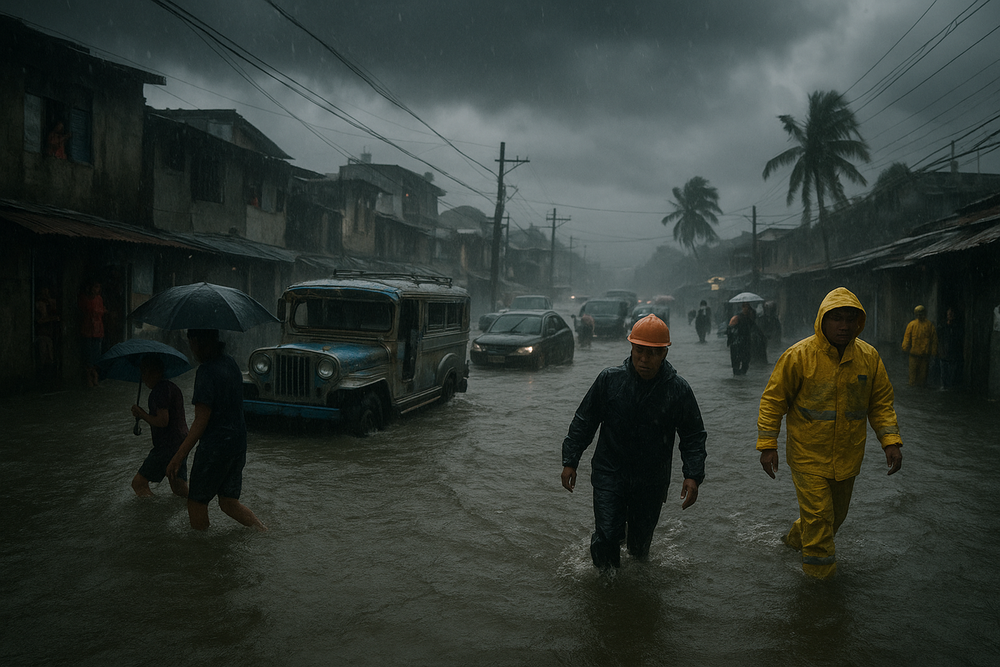
“Despite the end of La Niña, other weather and climate systems may still influence rainfall distribution in the country. Rain-bearing weather systems may bring occasional heavy rainfall that could lead to flash floods and rain-induced landslides in vulnerable areas,” PAGASA said.
The agency forecasts between four and 11 tropical cyclones entering or developing within the Philippine Area of Responsibility from February to June 2026. Even under neutral ENSO conditions, tropical cyclones, monsoons and localized thunderstorms can bring intense rainfall within hours.
Disaster management agencies and local government units, particularly in flood-prone and mountainous communities, have been urged to remain vigilant.
What the Shift Means for Communities
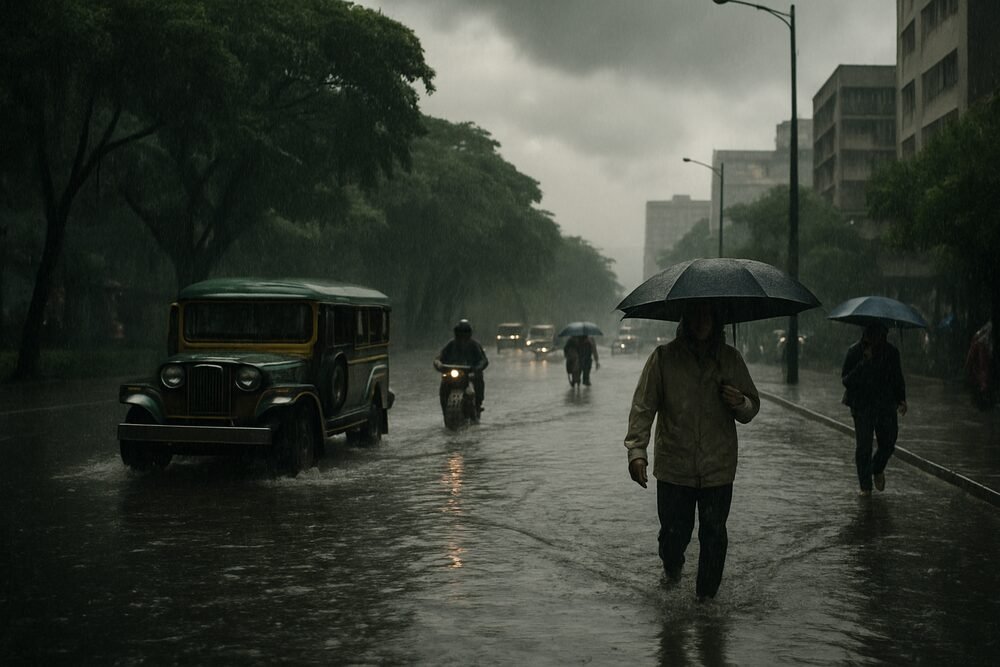
For many Filipinos, La Niña is less an abstract climate pattern than a daily disruption—flooded roads, suspended classes, damaged crops and unstable food prices. Its end could ease the persistent downpours that have strained drainage systems in urban centers and saturated farmlands in rice-growing regions.
Reduced rainfall may stabilize harvest cycles and temper price swings for vegetables and fish often affected by excessive rains. Commuters in low-lying barangays may also see fewer weather-related interruptions in the months ahead.
Still, PAGASA emphasized preparedness, noting that even a single weather disturbance can unleash flash floods or landslides, particularly along riverbanks and slopes already weakened by previous rains.
The Science and the Mandate
PAGASA monitors El Niño and La Niña under its mandate through Republic Act No. 10692, which strengthened the agency’s capacity to provide weather and climate advisories. Its ENSO Alert and Warning System serves as an early warning tool for government planners, farmers, disaster officials and the general public.
The lowering of the ENSO alert level does not remove that responsibility. Instead, it marks a recalibration—away from a La Niña-driven climate pattern and toward a more balanced state in the Pacific.
For now, the climate pendulum has swung back to neutral. But as the Philippines enters another stretch of typhoon season, the atmosphere remains dynamic, and vigilance, officials say, must remain constant.