Inflation in the Philippines climbed to an 11-month high in January, accelerating to 2.0 per cent year-on-year as households faced steeper utility and housing costs, according to official data released this week. While the increase marks a clear uptick from December, authorities insist price pressures remain contained and well within the central bank’s target range.
The latest figures from the Philippine Statistics Authority (PSA) show inflation rose from 1.8 per cent in December 2025, reaching its fastest pace since February 2025. The rise was driven overwhelmingly by higher electricity and fuel-related expenses, even as food prices — particularly rice — continued to ease.
Utility and Housing Costs Push Inflation Higher
The January acceleration was fuelled by a sharp increase in the index for housing, water, electricity, gas and other fuels, which rose to 3.3 per cent from 2.5 per cent a month earlier. According to the PSA, this category accounted for nearly 46 per cent of the total inflation increase.
Electricity prices stood out, climbing 6.5 per cent year-on-year, up from 4.0 per cent in December. The effect has been most keenly felt in urban areas, where power costs make up a sizable share of monthly household spending.
National Statistician Claire Dennis S. Mapa said the data clearly pointed to utilities as the main culprit behind January’s rise. “The main reason for the higher inflation rate in January 2026 compared with December 2025 is the faster price increase in housing, water, electricity, gas, and other fuels, which recorded a 3.3 per cent inflation rate,” she said.
Food Prices Ease, Offering Households Some Relief
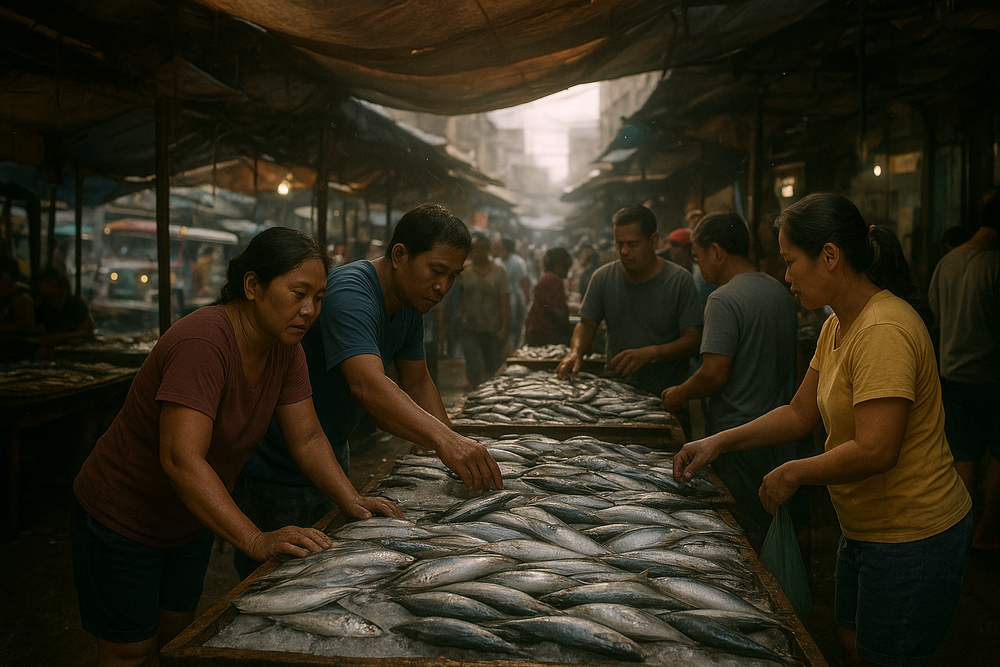
Balancing the pressure from utilities, food inflation slowed markedly, easing to 0.7 per cent, down from 1.4 per cent in December and dramatically lower than the 4.0 per cent recorded a year earlier.
Rice prices — a politically and economically sensitive staple — averaged PHP 47.21 per kilogram nationwide, sharply lower than PHP 51.75 in January last year. Improved supply and government interventions in post-harvest facilities helped cushion consumers from sharper food-price shocks.
For lower-income families, the moderation mattered. Inflation for the bottom 30 per cent of income households stood at 1.6 per cent, up from December but still well below last year’s 2.4 per cent.
Core Inflation Signals Underlying Pressures
Beyond volatile items such as food and fuel, core inflation — a key gauge watched by policymakers — edged up to 2.8 per cent from 2.4 per cent. The increase suggests broader price pressures are beginning to firm, even if headline inflation remains subdued.
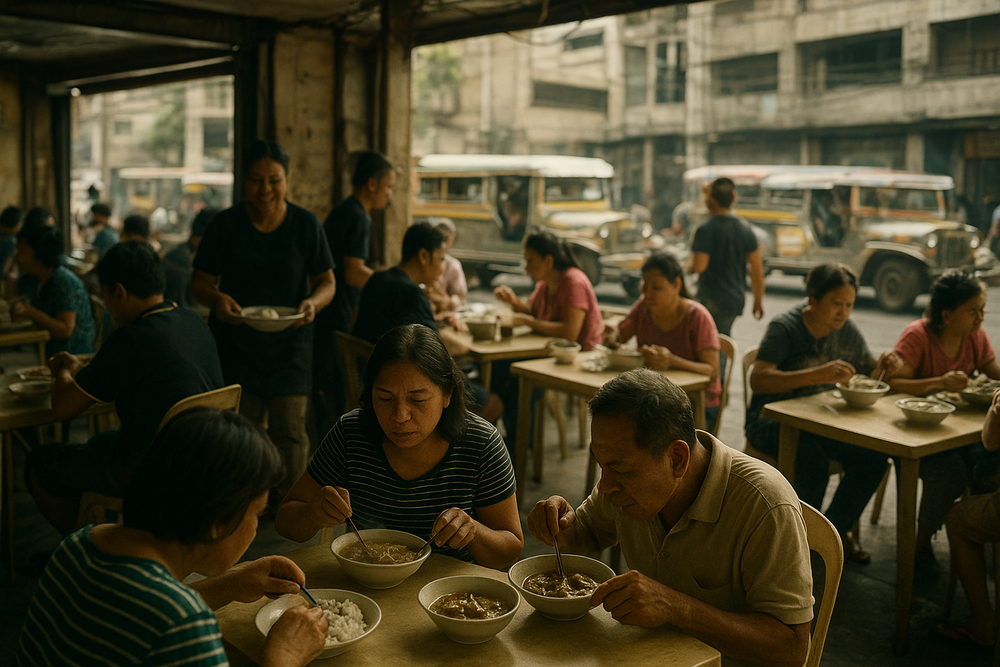
Prices also rose more quickly in services tied to daily life. Inflation in restaurants and accommodation reached 4.0 per cent, while health costs rose 3.0 per cent and personal care items increased 2.6 per cent. For commuters and informal workers, these incremental rises add up, much like small leaks slowly filling a bucket.
Central Bank Sees “Benign” Inflation Outlook
Despite the January acceleration, the Bangko Sentral ng Pilipinas (BSP) struck a calm note. The central bank reiterated that inflation remains within its 2 to 4 per cent target range and below levels seen a year earlier.
In a statement, the BSP said that “the inflation outlook continues to be benign while inflation expectations remain well anchored,” adding that its average inflation forecast for 2026 stands at 3.2 per cent.
Finance Secretary Frederick D. Go echoed that assessment, framing the data as a sign of economic resilience rather than distress. “The inflation rate in January signals robust household spending. We see 2026 as a pivotal year where we expect momentum to build and the economy to gain even stronger footing,” he said.
Government Measures Aim to Blunt Cost Pressures
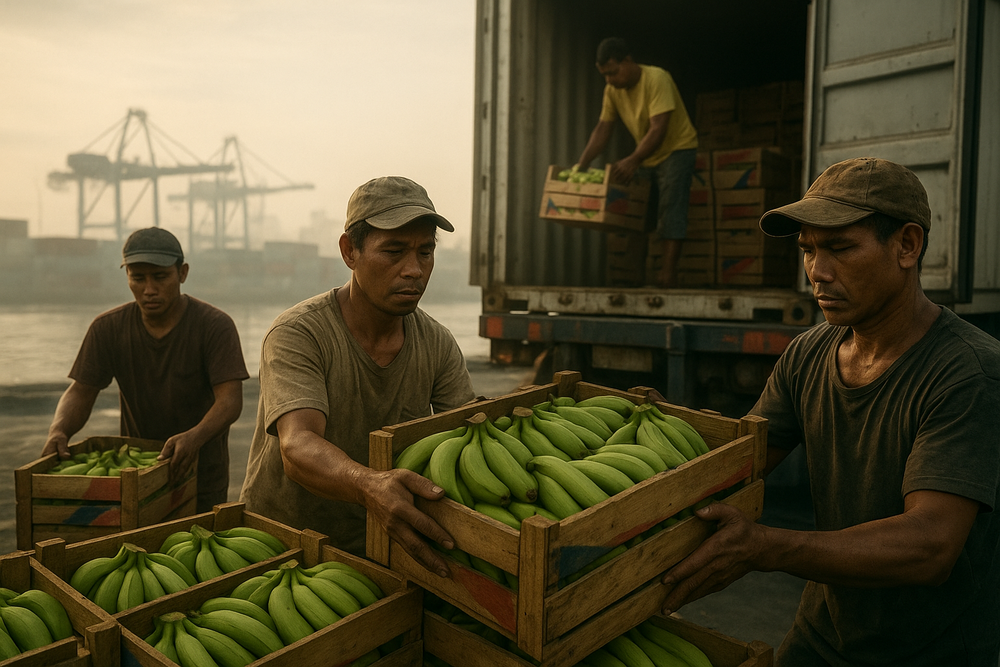
Authorities have leaned on targeted subsidies and investment in food production to keep inflation in check. Under the 2026 national budget, the Philippine Crop Insurance Corporation received PHP 6.5 billion, expanding coverage for farmers and fisherfolk and raising insurance protection for rice and corn to PHP 25,000 per hectare.
In the energy sector, the government has also moved to simplify access to the Lifeline Rate Subsidy Program, allowing low-income households, including beneficiaries of the 4Ps social assistance scheme, to automatically receive electricity discounts without applying.
These measures, officials argue, act as shock absorbers — softening the impact of rising global energy prices and keeping domestic inflation from spiralling higher.
What the January Numbers Mean Going Forward
The January data underscore a delicate balance. On one side are rising utility and service costs that threaten to erode household budgets; on the other, cooling food prices and policy support that continue to provide breathing room.
For now, inflation remains far below the 2.9 per cent recorded a year ago and comfortably within official targets. But the renewed climb — even a modest one — will sharpen scrutiny of energy prices in the months ahead, especially if global conditions turn less favourable.
As policymakers watch the gauges, households are already feeling the mixed signals: cheaper rice at the market, offset by steeper bills at home.