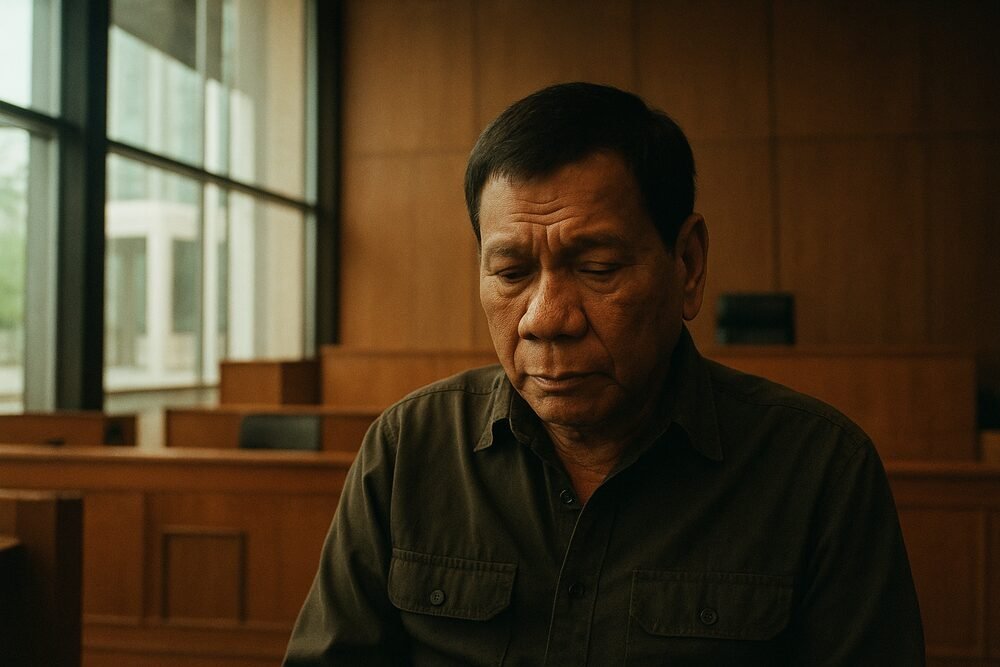
THE HAGUE, Feb. 26, 2026 — The International Criminal Court pressed ahead Thursday with the third day of confirmation of charges hearings against former Philippine President Rodrigo Duterte, moving a step closer to deciding whether he will stand trial for crimes against humanity related to his bloody anti-drug campaign.
The proceedings, which began on February 23 and are scheduled to run through February 27, seek to determine whether prosecutors have presented sufficient evidence to send the case to full trial. Duterte faces three counts of crimes against humanity of murder, allegedly committed between November 1, 2011, and March 16, 2019.
Thursday’s session focused on the defense’s challenge to the prosecution’s evidence, marking a pivotal phase in a case that has drawn global attention and stirred sharp divisions in the Philippines and among its diaspora.
From Arrest in Manila to Courtroom in The Hague
Duterte was arrested in Manila on March 11, 2025, after the ICC unsealed a warrant issued days earlier. Philippine authorities surrendered him to the court the following day. He made his initial appearance on March 14, 2025, via video link from the ICC detention center.
The arrest warrant followed a February 10, 2025 application by the Office of the Prosecutor, which alleged Duterte bore responsibility for widespread killings during his tenure as Davao City mayor and later as president. Judges subsequently narrowed the case to murder charges.
According to the prosecution, there are “reasonable grounds to believe that Mr Duterte is individually responsible as an indirect co-perpetrator for the crime against humanity of murder.”
What Is at Stake in a Confirmation Hearing
A confirmation hearing is not a trial. Instead, judges from Pre-Trial Chamber I — Presiding Judge Iulia Motoc, Judge Reine Alapini-Gansou, and Judge Socorro Flores Liera — must decide whether the prosecution’s evidence meets the threshold required to proceed.
If the chamber confirms the charges, the case advances to trial, where guilt or innocence would be determined. If not, the charges could be declined or amended.
The prosecution team is led by Karim A. A. A. Khan KC, with Deputy Prosecutor Mame Mandiaye Niang. Duterte’s defense is headed by British-Israeli lawyer Nicholas Kaufman, assisted by Dov Jacobs.
Defense Questions Evidence and Fitness
The road to this week’s hearing has not been smooth. Proceedings were initially set for 2025 but were postponed on September 8, 2025 after the defense argued that Duterte was suffering from “cognitive impairment in multiple domains.” Independent medical experts submitted their assessment to the chamber on December 5, 2025.
On January 26, 2026, judges rejected the fitness challenge and ruled that there were “no changed or new circumstances that would justify Duterte’s release.” They affirmed that he was fit to participate in proceedings and scheduled the hearing for February 23.
The defense has continued to contest both the sufficiency of the prosecution’s case and Duterte’s ongoing detention. According to filings referenced during proceedings, “Duterte has expressed a desire to avoid attending the ICC hearing in order to evaluate his ongoing detention.”
A separate detention review hearing is set for February 27, the final scheduled day of this week’s sessions.
Victims and Supporters Gather Outside Court
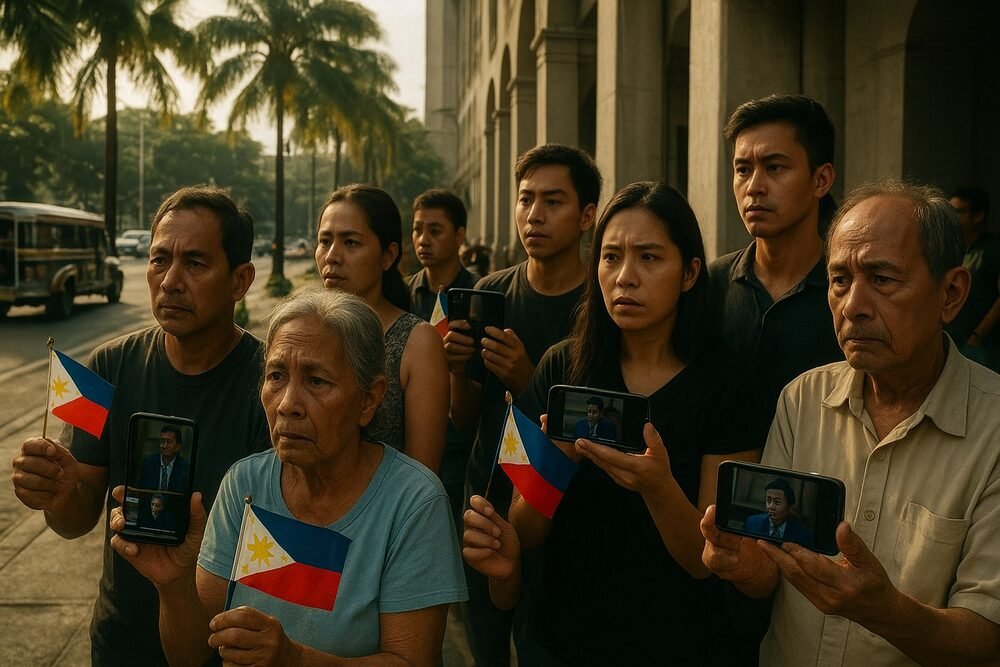
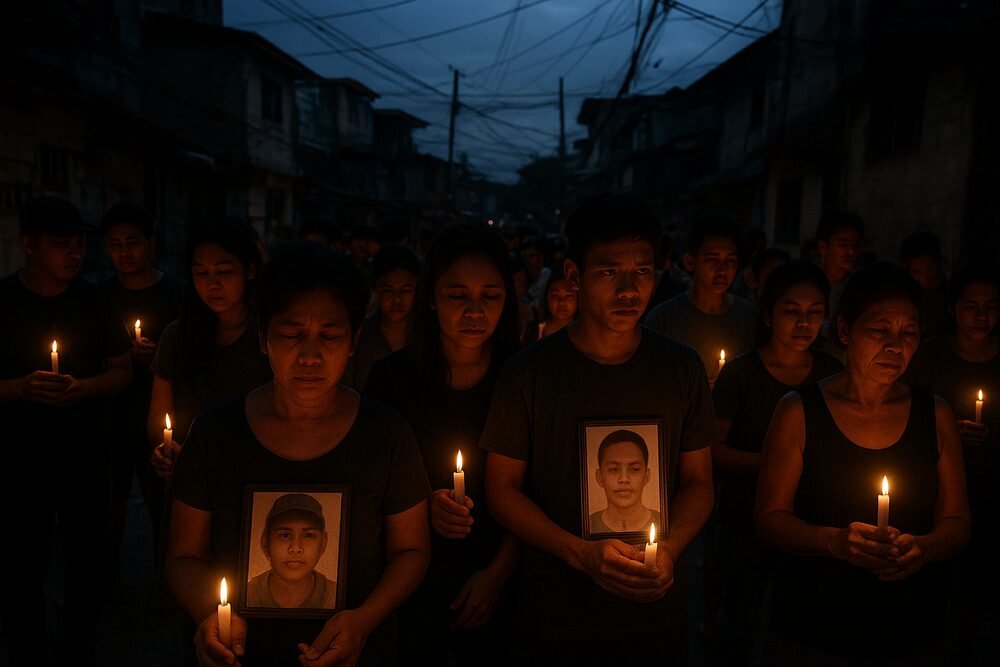
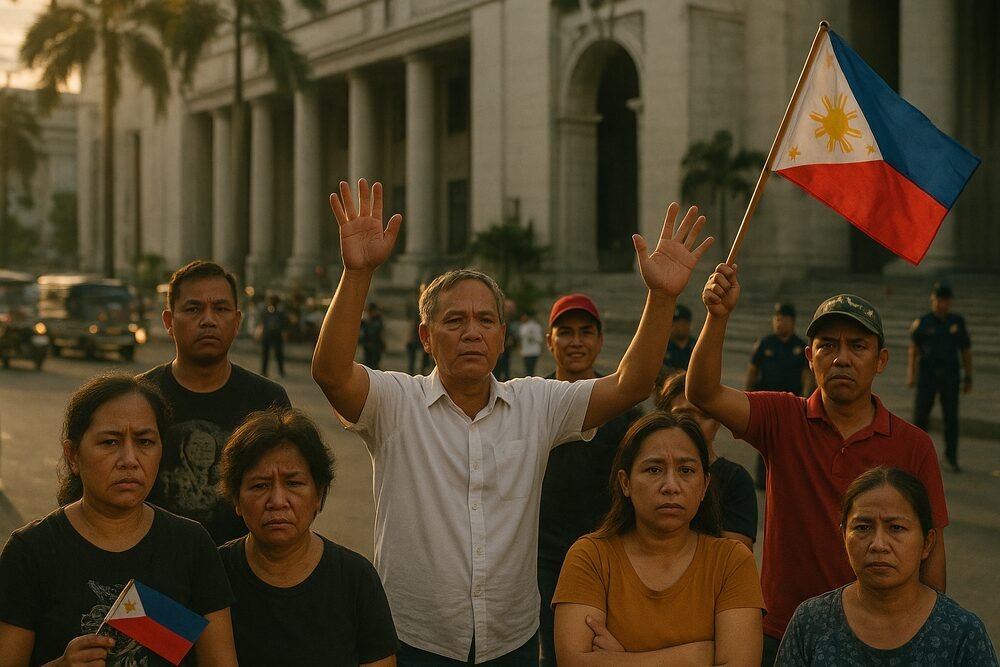
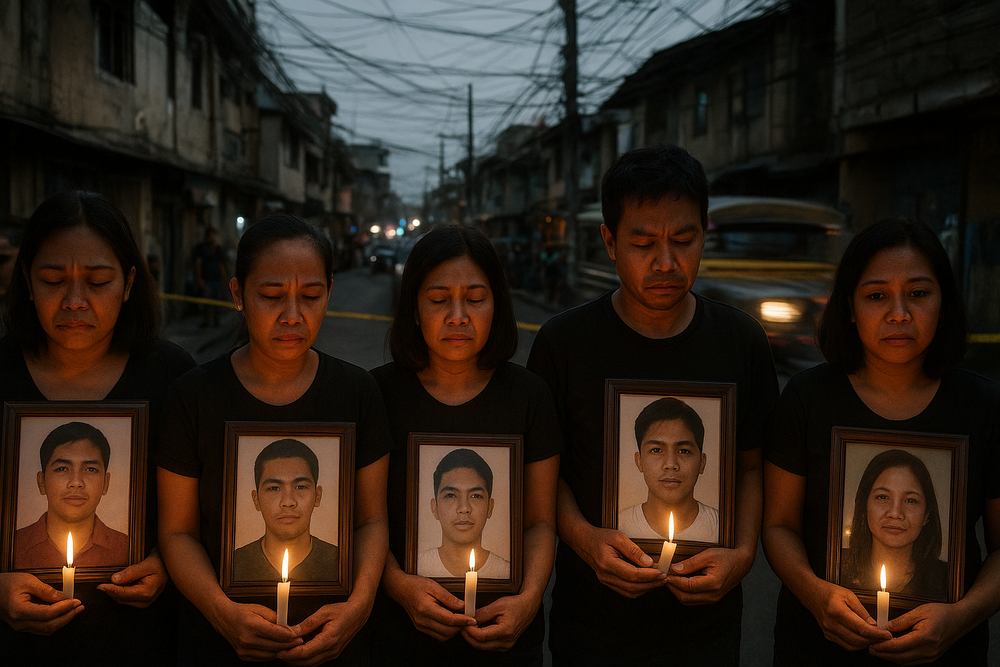
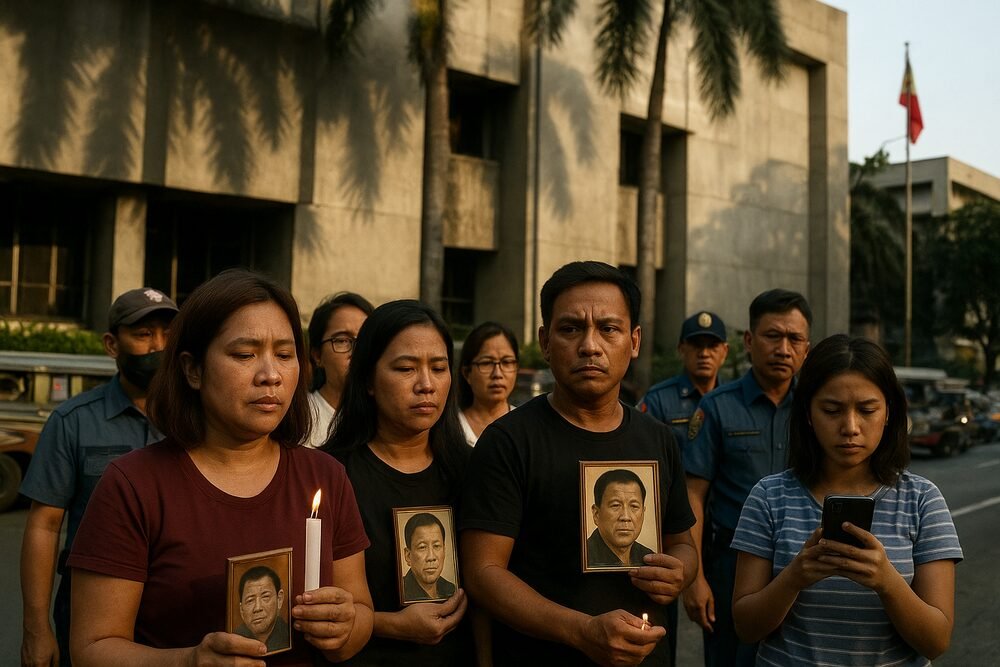
Beyond the courtroom, the case has mobilized starkly opposing groups. Representatives of victims have participated in the proceedings, urging the chamber to allow the case to move to trial. Civil society organizations and human rights advocates have gathered outside the ICC building in The Hague, calling the hearing a watershed moment for accountability.
Duterte supporters have also staged demonstrations, describing the case as politically motivated and questioning the ICC’s jurisdiction over a country that withdrew from the court during his presidency — though Philippine authorities cooperated in executing the arrest warrant.
No Immediate Impact on Daily Life in the Philippines
Despite its historic dimensions, the hearing has had no direct impact on daily life in the Philippines. The proceedings are taking place entirely in The Hague, and there have been no documented shifts in economic indicators, public safety operations, or routine government services tied to this week’s hearings.
For many Filipinos, the case unfolds at a distance — legally and geographically — even as its subject matter touches on a deeply polarizing chapter in the country’s recent history.
A Defining Test for International Justice
The confirmation proceedings represent a critical test for the ICC, which must balance prosecutorial claims of systematic killings against a defense strategy aimed at discrediting the evidentiary foundation of the case.
At this stage, judges will weigh whether the prosecution has shown sufficient evidence linking Duterte, as an “indirect co-perpetrator,” to alleged murders carried out over nearly eight years. The standard is lower than that required for conviction, but high enough to require detailed judicial scrutiny.
By week’s end, the chamber may reserve its decision, issuing a written ruling at a later date. Whether the case proceeds to trial or falters at this threshold stage, the outcome will shape not only Duterte’s legal fate but also the evolving reach of international criminal law.
For now, the world’s attention remains fixed on Courtroom I in The Hague, where the arguments continue and the next chapter of a historic prosecution takes shape.