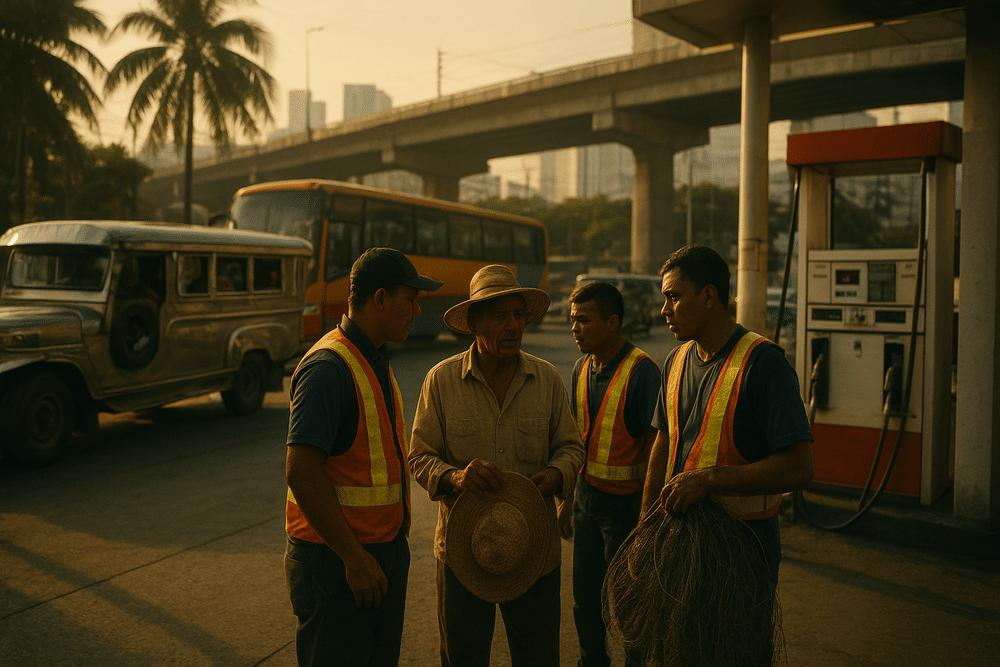
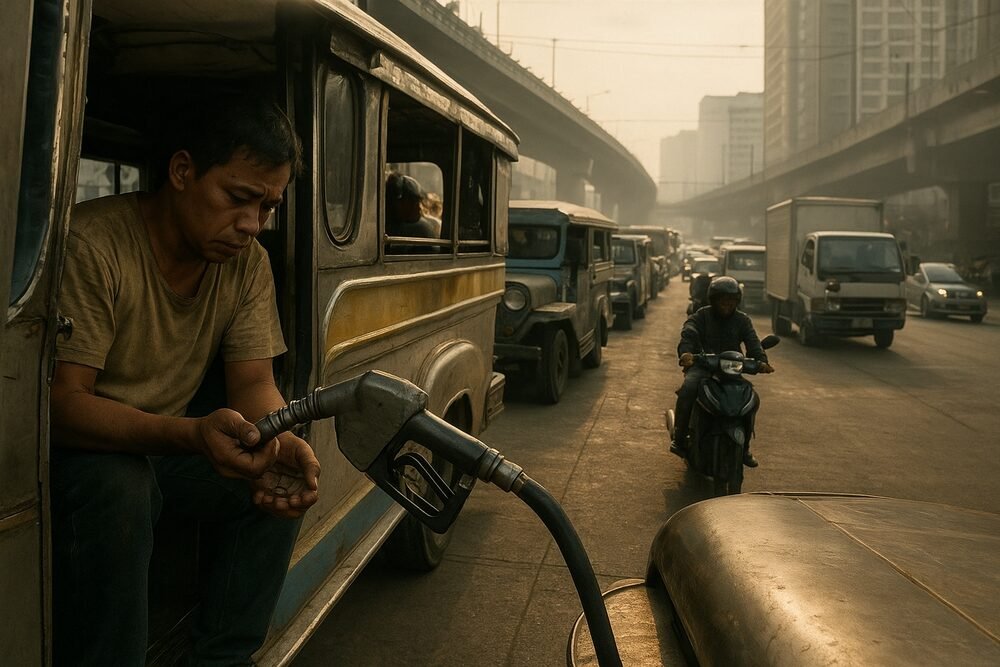
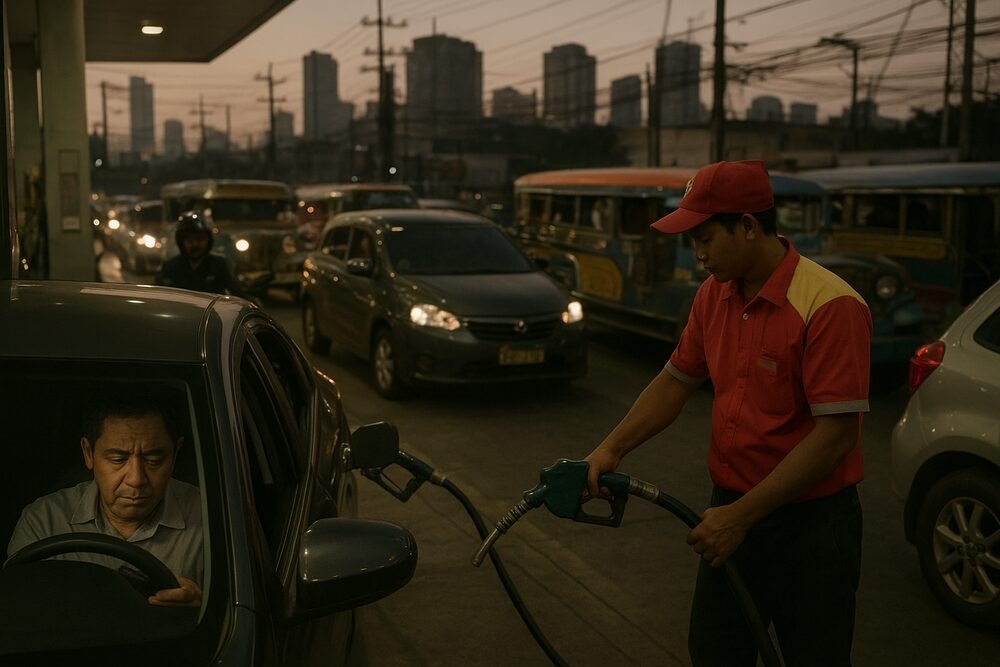
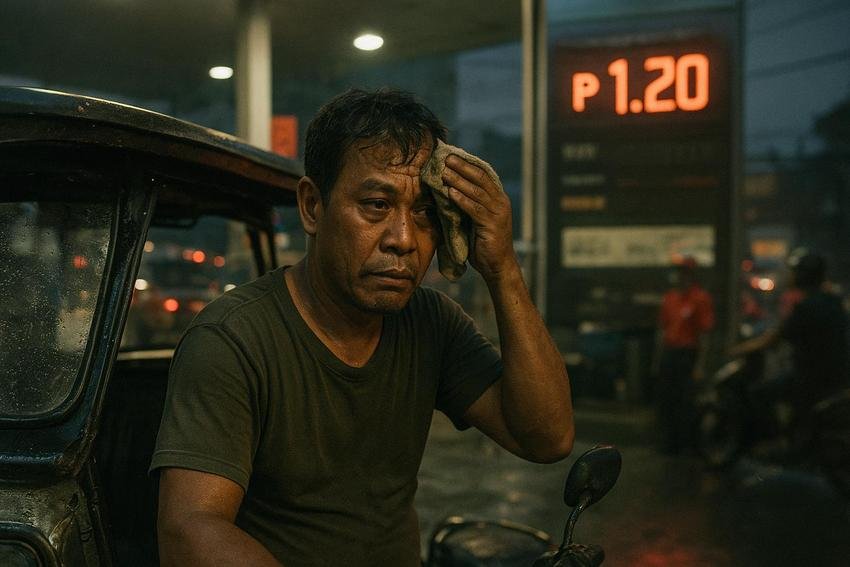
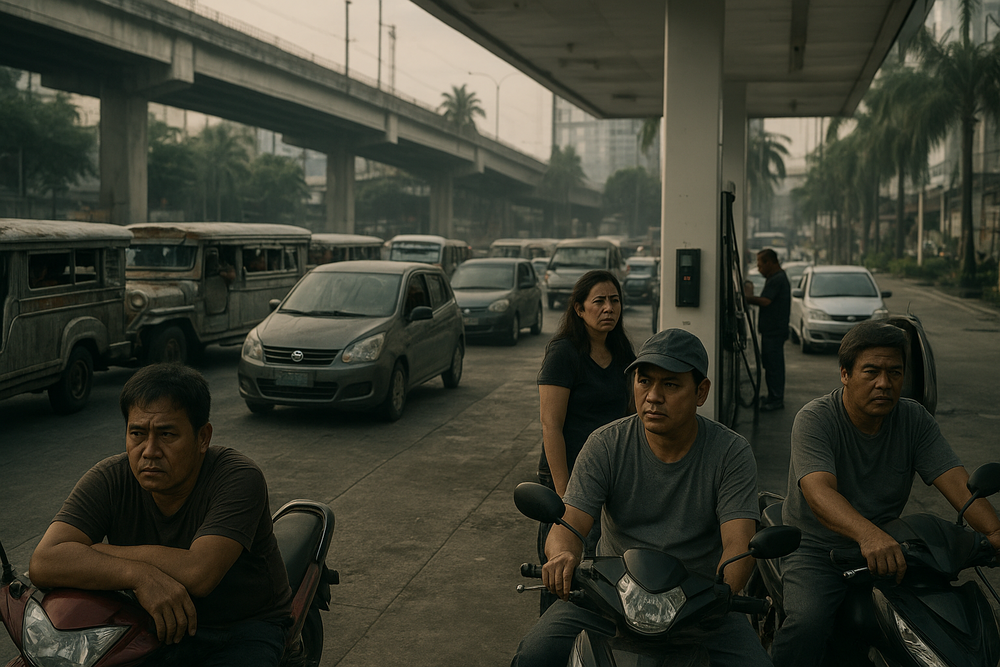
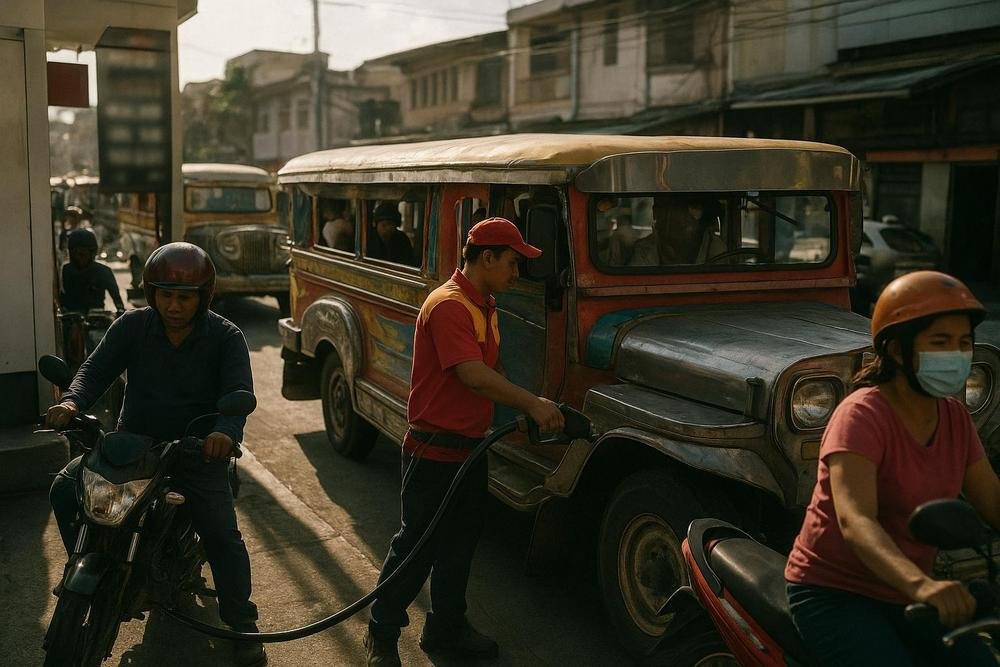
The government is preparing to roll out fuel subsidies for public transport drivers, farmers and fisherfolk as rising global oil prices—triggered by escalating conflict in the Middle East—begin to ripple through the domestic economy.
Officials confirmed this week that financial buffers have been set aside to shield key sectors from the latest surge in pump prices, which saw gasoline increase by PHP 1.90 per liter, diesel by PHP 1.20, and kerosene by PHP 1.50 as of March 3. The moves come as global markets react to intensifying geopolitical tensions, including developments affecting oil supply routes in the region.
The Department of Finance (DOF), coordinating with transport, agriculture and energy authorities, said it stands ready to implement targeted assistance to prevent higher fuel costs from cascading into fare hikes and rising food prices.
Targeted Aid for Transport and Agriculture
The Land Transportation Franchising and Regulatory Board (LTFRB) has earmarked PHP 2.5 billion for a potential fuel subsidy programme for public utility vehicle (PUV) drivers. According to LTFRB Chair Vigor Mendoza II, the allocation would be sufficient to cover the programme for over a month, although the final per-driver subsidy has yet to be determined.
In the agriculture sector, the Department of Agriculture (DA) has allocated PHP 150 million to assist around 25,500 eligible farmers and fisherfolk. The subsidy is designed to cushion primary producers from higher operating costs—especially those reliant on fuel for farm machinery and fishing vessels.
Assistant Agriculture Secretary Arnel de Mesa said the department is ready to move. “This is what we can promptly [provide] to our [farmers] and fishfolk who [will] be impacted if the situation in the Middle East persists. We are prepared to release the subsidy funds at any time.”
For transport workers already operating on thin margins, the support may determine whether fares remain stable or commuters absorb the difference.
Government Braces for Prolonged Uncertainty
The latest oil price adjustments follow escalating hostilities in the Middle East, including airstrikes that further destabilised the region. Market fears over potential disruptions—particularly involving the Strait of Hormuz, a key global shipping corridor—have heightened volatility.
The Department of Energy (DOE) warned that pump prices could face further upward pressure if supply routes are constrained or the conflict persists.
Finance Secretary Frederick Go stressed that authorities are monitoring events closely. “We will continue coordinating with relevant agencies to ensure a measured, responsible, and timely response to evolving global events,” Go said. He added: “The government is closely monitoring global oil prices and the duration of the ongoing conflict, so we can respond accordingly. We remain vigilant, prepared, and committed to protecting the welfare of all Filipinos.”
The administration has also signalled that it is considering additional interventions, including the temporary reduction or suspension of fuel excise taxes, although no formal decision has been announced. Any such move would require balancing consumer relief against potential revenue losses.
Shielding Commuters and Consumers
Fuel costs sit at the heart of the domestic economy. When diesel prices rise, jeepney operators and bus drivers face tougher margins. When fishing boats spend more on fuel, seafood prices climb. Like a thread pulled from a garment, oil shocks can quickly unravel supply chains.
Officials say the subsidies aim to prevent that chain reaction.
By cushioning PUV drivers, the government hopes to avert immediate fare increases that would disproportionately affect low-income commuters. At the same time, support for farmers and fisherfolk is intended to stabilise production costs and limit food price spikes—a critical concern for households where food accounts for a significant share of monthly expenses.
Trade Secretary Cristina Roque said consultations with manufacturers are ongoing. “Currently, manufacturers have not requested any price hikes, and there has been no movement to increase prices,” she said, noting that authorities would encourage businesses to maintain stable prices during the crisis.
Free Electric Bus Service Planned
In a parallel move, transport authorities are preparing to roll out a programme offering free rides on electric buses along select routes in Metro Manila. The so-called Electric Love Bus initiative, a partnership between the Metropolitan Manila Development Authority and private firms, is expected to launch by late April or early May.
While limited in geographic scope, the programme forms part of a broader effort to provide immediate relief and reduce reliance on fossil fuels in the capital’s transport mix.
Fiscal Questions Ahead
The government has not yet detailed the total fiscal impact of the combined measures, particularly if excise tax reductions are enacted. The absence of specific revenue projections underscores the delicate balancing act facing policymakers: cushioning vulnerable sectors without undermining budget stability.
For now, officials insist preparedness is key. With global oil markets unsettled and geopolitical risks mounting, the administration is positioning the subsidies as both a safeguard and signal—that while external shocks may be beyond its control, the domestic response will aim to steady the ground beneath transport workers, farmers and ordinary consumers alike.