The Philippines’ annual closed fishing season for galunggong in Northern Palawan has led to a sharp recovery in stocks and a surge in catches, government fisheries officials said this week, presenting fresh data that they argue validates more than a decade of science-based conservation policy.
The Bureau of Fisheries and Aquatic Resources (BFAR) reported that galunggong production in the MIMAROPA region jumped by 55.1 percent in the fourth quarter of 2024, reaching 3,750 metric tons and accounting for 27.1 percent of total commercial catch. The increase follows strict enforcement of an annual ban on commercial fishing for roundscad — locally known as galunggong — from November 1 to January 31 in Northern Palawan and surrounding waters.
Officials say the figures show a clear link between protecting spawning grounds and improving long-term yields in one of the country’s most important fishing areas.
‘Science and Discipline’ Behind the Rebound
Under Joint Administrative Order No. 01, s. 2015, issued by the Department of Agriculture and the Department of the Interior and Local Government, commercial fishing for galunggong is prohibited during peak spawning months in waters off Northern Palawan, the West Philippine Sea and the Northern Sulu Sea. The season reopens on February 1 each year.
BFAR National Director Elizer Salilig described the program as a measurable success.
“The success of the annual roundscad fishing cycle in Palawan shows what we can do together through science and discipline. It proves that science-based conservation is not a hindrance to the fishing industry, but its greatest ally,” Mr. Salilig said.
According to data from the National Stock Assessment Program, the average size of galunggong landed has grown from 16.8 centimeters in 2015 to 17.6 centimeters in 2024. Authorities also reported declines in fishing mortality and juvenile catches — early indicators of healthier fish populations.
“By respecting the natural spawning cycles of the galunggong, we are not just protecting an ecosystem; we are securing the food supply and the livelihoods of thousands of Filipino fishers for years to come,” Mr. Salilig added.
Supply and Prices: A National Ripple Effect
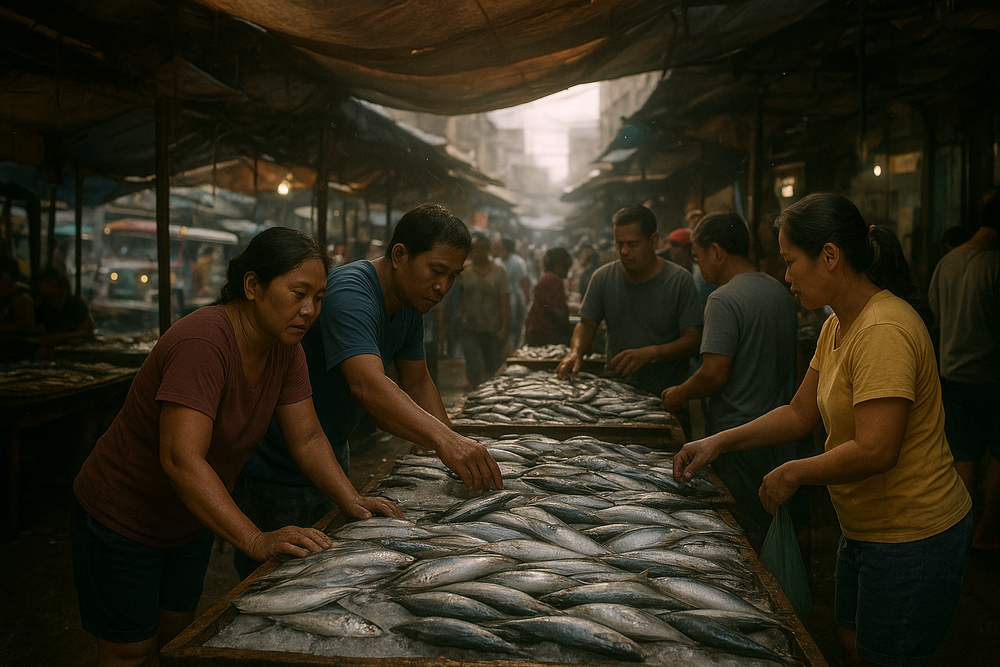
Although the ban applies primarily to Northern Palawan, its impact extends far beyond the province. Galunggong remains a dietary staple across the Philippines, often referred to as the “poor man’s fish” because of its affordability relative to other protein sources.
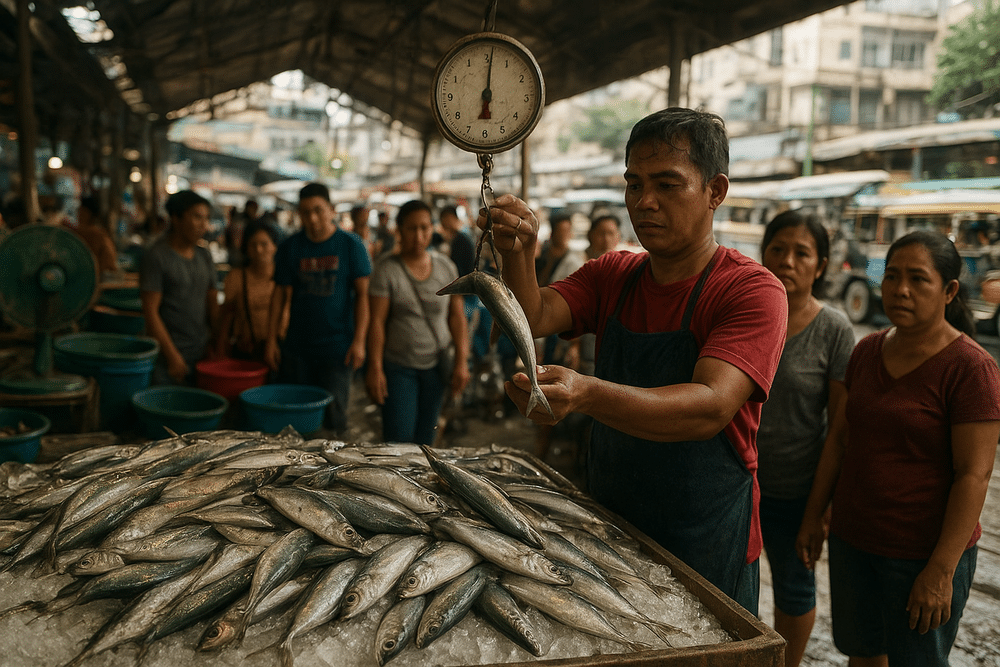
During the most recent closed season — from November 1, 2025 to January 31, 2026 — prices in some Metro Manila markets rose above P400 per kilogram. Imported galunggong sold for around P300 per kilogram.
In Palawan, prices ranged between P150 and P200 per kilogram, reflecting proximity to landing sites.
With the reopening of fishing grounds on February 1, 2026, BFAR said supply to Metro Manila is expected to increase steadily in the coming weeks. On February 9, a BFAR spokesperson projected that prices could fall significantly — in some cases potentially dropping by half from peak closed-season levels.
Fish traders’ groups have echoed expectations of a natural price correction as volumes normalize.
Balancing Conservation and Livelihoods
The policy operates within the broader framework of the Philippine Fisheries Code of 1998 (Republic Act No. 8550), which grants BFAR authority over fisheries management and conservation nationwide. The bureau traces its institutional roots to 1947, when the original Bureau of Fisheries was established under Republic Act No. 177.
Yet the closed-season approach remains contentious in some fishing communities.
The advocacy group PAMALAKAYA has argued that seasonal bans disproportionately burden small-scale municipal fishers.
“Typically, it is the smaller fishers who bear the brunt of the closed fishing season since it is enforced within municipal waters. On the other hand, commercial fishing operations can continue in more remote areas due to their superior equipment,” the group said.
In areas such as Panay and parts of Batangas — where separate seasonal regulations also apply — thousands of municipal fishers have reported difficulties securing alternative income during restricted months. Critics argue that insufficient livelihood support risks worsening food insecurity among fishing households.
A Model for Sustainable Fisheries?
Government officials maintain that the Palawan experience demonstrates how temporary restraint can yield long-term gains — likening the closed season to letting farmland lie fallow so it can regenerate. The measurable increase in catch volume and fish size, they say, signals that depleted stocks can recover when spawning cycles are protected.
The fourth-quarter production surge in 2024 marked one of the clearest statistical validations yet of the policy’s impact. Regulators view it as evidence that conservation and commercial viability need not be opposing goals.
As supply flows back into public markets in the weeks following the February reopening, consumers will feel the most immediate effects in their shopping baskets. For fishers in Palawan, meanwhile, the stronger catch offers both higher output and signs of a more stable resource base.
The challenge for policymakers now is to sustain compliance, balance competing interests, and ensure that conservation gains translate into equitable benefits along the supply chain — from small boats in provincial waters to crowded wet markets in the capital.