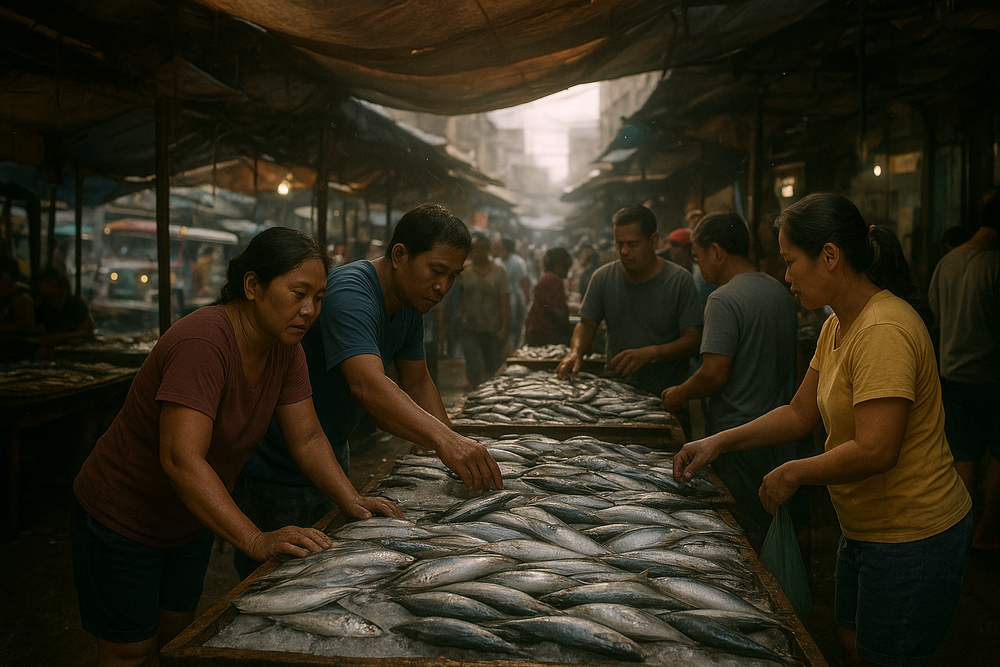
Galunggong prices that have climbed past P400 a kilo in some wet markets are expected to ease significantly by March, offering long-awaited relief to Filipino households that rely on the fish as an everyday staple. Fish traders say the decline will follow the resumption of commercial fishing after the annual closed season meant to protect spawning stocks.
The Association of Fresh Fish Traders of the Philippines projects that retail prices could fall to around P150 to P200 per kilo during the peak months from March to May, down sharply from current levels that have strained household budgets and fueled broader food inflation concerns.
A predictable cycle, amplified by weather
The spike in galunggong, or round scad, prices is not new. It follows a closed commercial fishing season that runs from November 1 to January 31 each year in waters off Northern Palawan, stretching from the West Philippine Sea to the northern Sulu Sea. The restriction, mandated under Joint Administrative Order No. 01, series of 2015, is designed to allow fish stocks to regenerate.
According to traders, the latest shortage was compounded by unusually cold weather early in the year, which delayed the return of fishing boats even after the ban was lifted.
“Closed fishing season po, so from November po hanggang ngayong February, wala pong namamalakaya na commercial fishing. Kaya po wala pong masyadong galunggong sa merkado,” said Jonjon Santos, president of the Association of Fresh Fish Traders of the Philippines, explaining why supply has remained tight well into February.
Prices now, and what is expected next
Data from the Department of Agriculture’s daily price monitoring show local galunggong averaging about P349.29 per kilo, with some wet markets reporting prices exceeding P400 per kilo, depending on size and origin. Imported female galunggong has been selling at about P100 per kilo wholesale, while larger local varieties fetch as much as P180 to P200 per kilo at the wholesale level.
That picture is expected to change as fishing activity ramps up. Santos said historical patterns point to a consistent drop once boats begin landing regular hauls.
“Pagka ho bumalik na yung production by, siguro mga March, ay magsisimula nang bumaba ang presyo niyan,” he said. “Usually ho kapag March, April, May, ang naging average naman po na presyo natin sa merkado, dito po sa wholesale market, umaabot po hanggang P60 to P80 per kilo. So nabibili po ang galunggong sa P150 to P200.”
In plain terms, once supply reaches full stride, wholesale prices could sink to P60 to P80 per kilo, pulling down wet market prices in tandem.
Why the drop takes time
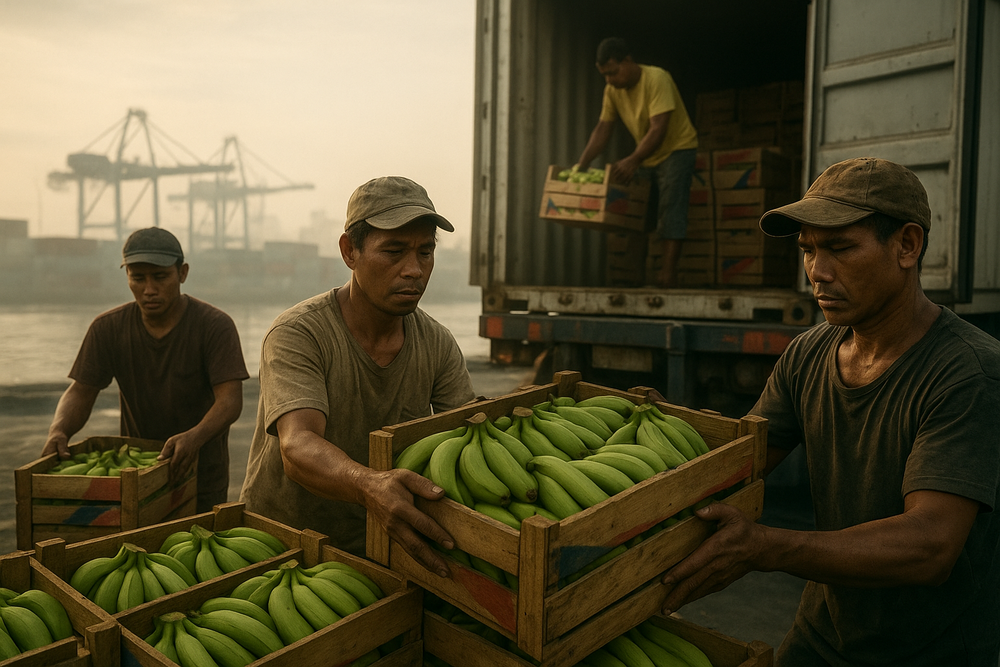
The Bureau of Fisheries and Aquatic Resources (BFAR) has cautioned consumers not to expect immediate relief the moment the closed season ends. While fishing officially resumed on January 31, there is typically a one- to two-month lag before increased catches translate into lower market prices.
BFAR spokesperson Nazario Briguera said that after the three-month halt, it takes time for larger commercial vessels to return to sea and haul in volumes sufficient to influence prices. “It will take several weeks for larger fishing boats to return with their catches,” he said.
This lag, traders say, explains why February prices remain stubbornly high despite the formal reopening of fishing grounds.
The balance between conservation and cost
The closed season has long drawn mixed reactions. For consumers, it often means bracing for higher prices during the so-called “ber” months. For fishers and traders, it brings short-term losses. Still, both sides largely agree on its necessity.
Government officials have defended the policy as essential to prevent overfishing and ensure long-term supply stability. During last year’s price surge, Agriculture Secretary Francisco Tiu Laurel Jr. even urged the public to consider alternatives such as chicken, underscoring the pressure high fish prices place on food security.
Traders, for their part, describe the galunggong cycle as predictable rather than erratic, unlike other species whose prices can swing sharply due to imports or sudden demand shifts.
Why galunggong matters to the masa
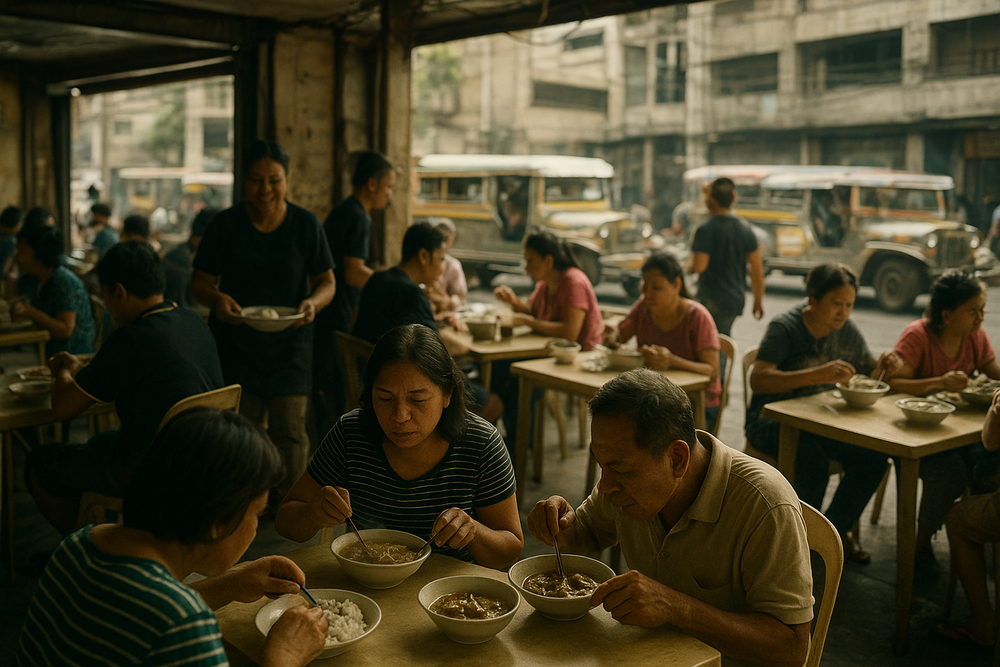
No fish is more closely tied to the Filipino table than galunggong, often dubbed the “poor man’s fish.” Fried for breakfast, simmered in sinigang, or wrapped in pinangat, it is a daily source of protein for millions of low-income families.
When prices soar past P400 per kilo, the impact ripples through cramped kitchens and sari-sari store budgets, forcing families to stretch meals thinner or turn to less nutritious options. A return to P150 to P200 per kilo could help ease that pressure as summer approaches, when household spending often tightens further.
For many consumers, the expected March price drop is less a market fluctuation than a small reset — a reminder that, like the tides that govern fishing itself, galunggong prices eventually recede after their annual surge.