The Philippines is pressing ahead with overseas voter registration in the Middle East as part of its first nationwide rollout of an Online Voting and Counting System (OVCS), a landmark reform aimed at bringing millions of expatriate Filipinos closer to the ballot box. Yet early figures from the region reveal a sharp gap between ambition and engagement.
In the United Arab Emirates — the world’s largest overseas voting jurisdiction — 189,892 Filipinos are registered to vote. As of April 12, however, only 6,963 had completed the required online pre-enrollment, representing roughly 3.7 percent of eligible voters. The registration window opened on March 20 and closes on May 7, with voting scheduled from May 5 to May 12.
The numbers underscore both the scale of the Philippine diaspora in the Gulf and the challenge of converting registration into actual electoral participation.
A Digital Shift for a 12-Million-Strong Diaspora
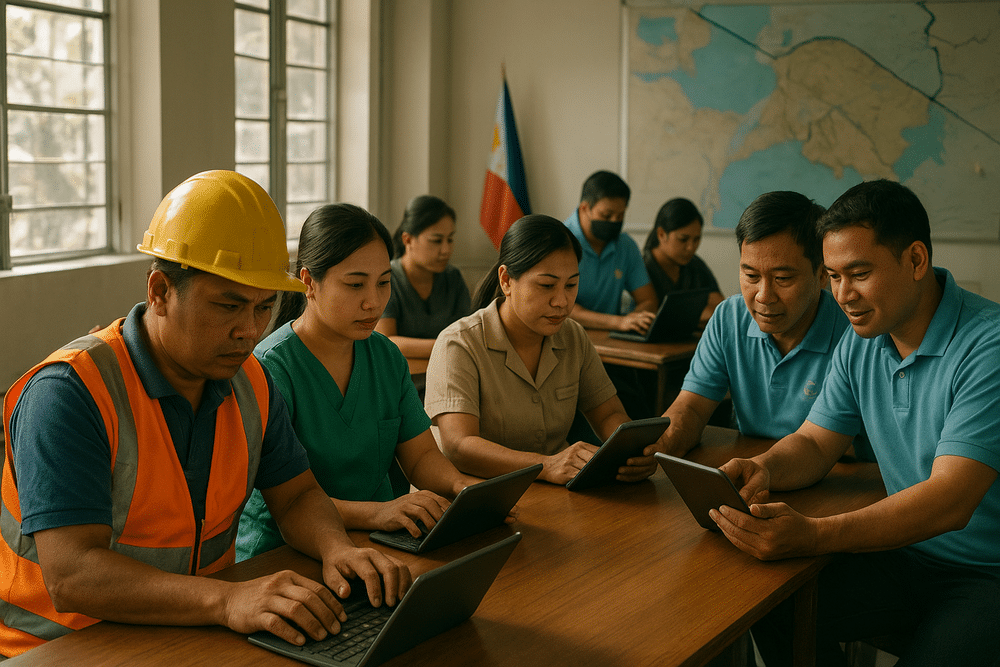
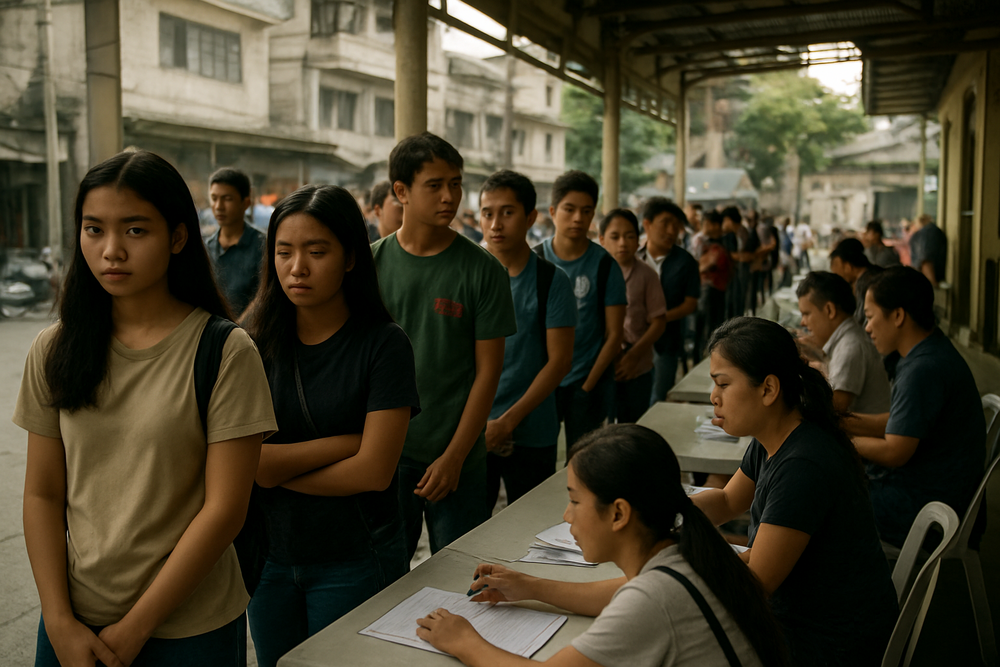
The 2025 mid-term elections mark the first time the Commission on Elections (COMELEC) has deployed an online voting system across 77 overseas jurisdictions. The reform is designed to remove a long-standing barrier facing overseas Filipino workers: the need to take time off work, often unpaid, to physically queue at embassies or consulates.
For the roughly 12 million Filipinos living abroad, many of them in the Middle East’s construction sites, hospitals, hotels and private households, the shift to online voting promises a more practical path to civic participation — from living rooms rather than embassy halls.
The UAE tops the list of global jurisdictions by registered overseas voters, followed by the United States (178,033) and Saudi Arabia (130,711), which ranks third worldwide.
UAE and Saudi Arabia: A Crucial Voting Bloc
Within the UAE, the Philippine Embassy in Abu Dhabi oversees 66,001 registered voters, while the Philippine Consulate General in Dubai and the Northern Emirates accounts for 123,891.
Turnout during the enrollment phase has hovered at approximately 5 percent in both jurisdictions, according to mission officials. Despite the modest figures, diplomats have struck a cautiously optimistic tone.
“I am not allowed to tell you the actual number of those who voted, but it was a promising turnout, and more importantly it helped in accelerating the rate of online enrollment,” Ambassador Alfonso Ferdinand Ver said during the first day of voting operations.
He reiterated an appeal to the Filipino community: “I reiterate my call on the community, particularly the registered voters to enroll and cast their votes and show the power and presence of the Overseas Filipinos in strengthening our democratic institutions and make a concrete contribution to shaping and building the future of the Philippines.”
Consul General Raul Angeles described the system as fulfilling its objective of convenience. “The online voting mode is making good with its promise of an easier and more convenient way to vote for our overseas voters,” he said, adding that officials hope for increased participation as the deadline approaches.
Registration Required Before the Ballot
Under COMELEC rules, overseas voters must complete online pre-enrollment by May 7 to be eligible to cast their ballots during the voting period. The final window for overseas voting closes at 7 p.m. (Philippine time) on May 12.
Embassies have deployed outreach initiatives, including enrollment support sessions and hotline assistance, to guide voters unfamiliar with the digital platform. Missions across Asia and the Middle East have issued repeated reminders that failure to pre-enroll means exclusion from the online vote.
A final-day message from the Philippine Embassy in Singapore thanked those who had already voted: “Para sa mga kababayang nakaboto na, maraming salamat at kasama nyo kaming naghahangad ng mapayapang halalan para sa ating kinabukasan.” (“For fellow Filipinos who have already voted, thank you very much, and together with you we aspire for peaceful elections for our future.”)
Bridging Distance — and Disengagement
The OVCS system represents more than a technological upgrade; it is a test of whether digital access can translate into democratic engagement. For decades, distance has diluted the political voice of overseas workers whose remittances support millions of families at home.
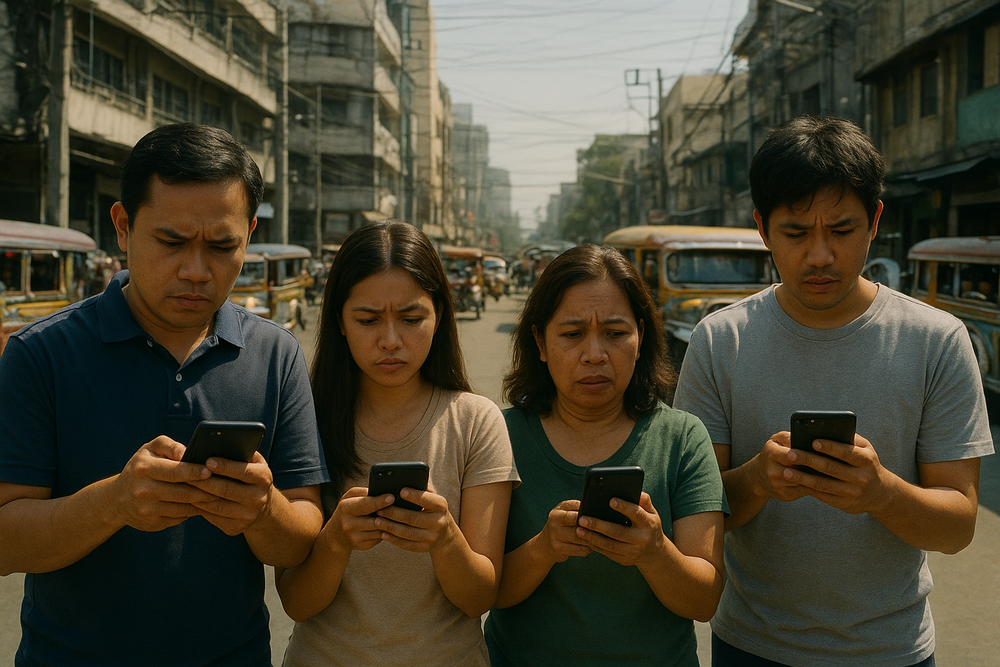
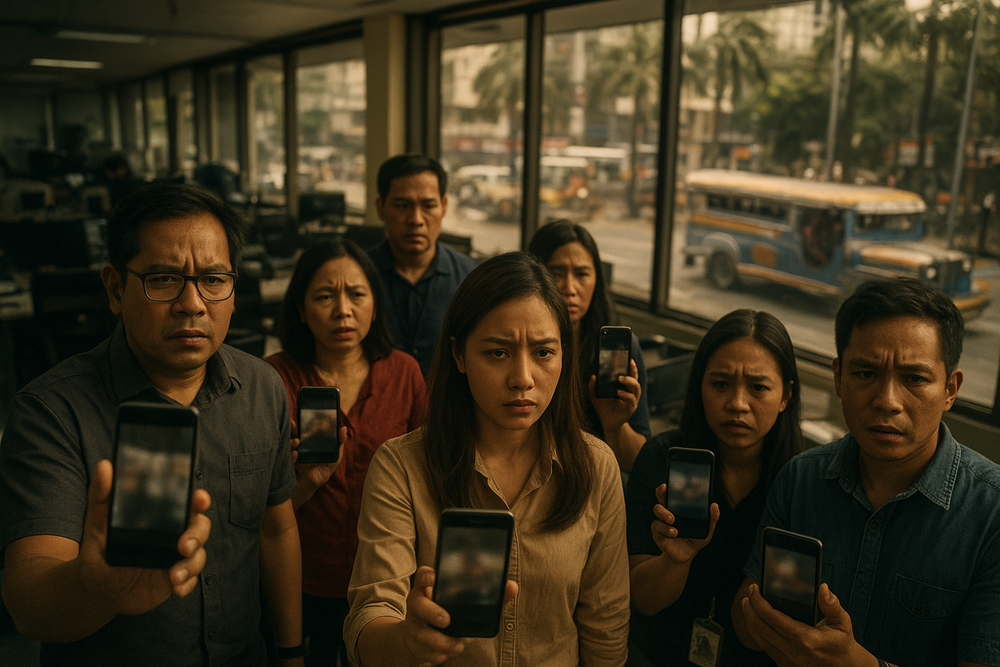
By allowing ballots to be cast online, COMELEC aims to close that gap. But the early 3.7 percent enrollment rate in the UAE suggests that awareness, trust in digital security, or work pressures may still weigh heavily on potential voters.
Saudi Arabia’s 130,711 registered voters face similar conditions, with large segments employed in sectors where time off can be difficult to secure. Whether the convenience of online voting can overcome those structural barriers remains a central question as the enrollment deadline nears.
A Critical Test for Electoral Reform
International democratic institutions have described the Philippine experiment as a pivotal step in modernizing special voting arrangements. By extending suffrage through secure digital channels, officials hope to maintain the political connection between citizens and homeland, even across continents.
The Middle East, home to one of the largest concentrations of overseas Filipinos, stands at the heart of that effort. The coming days will determine whether online access — simple in theory — can mobilize voters in practice.
For now, the Philippine government continues its call: enroll, log in, and vote. In a region where Filipinos help build cities and sustain economies, their digital ballots may soon shape policies back home.