Former DPWH Official Surrenders ₱40 Million Amid Flood Control Scandal
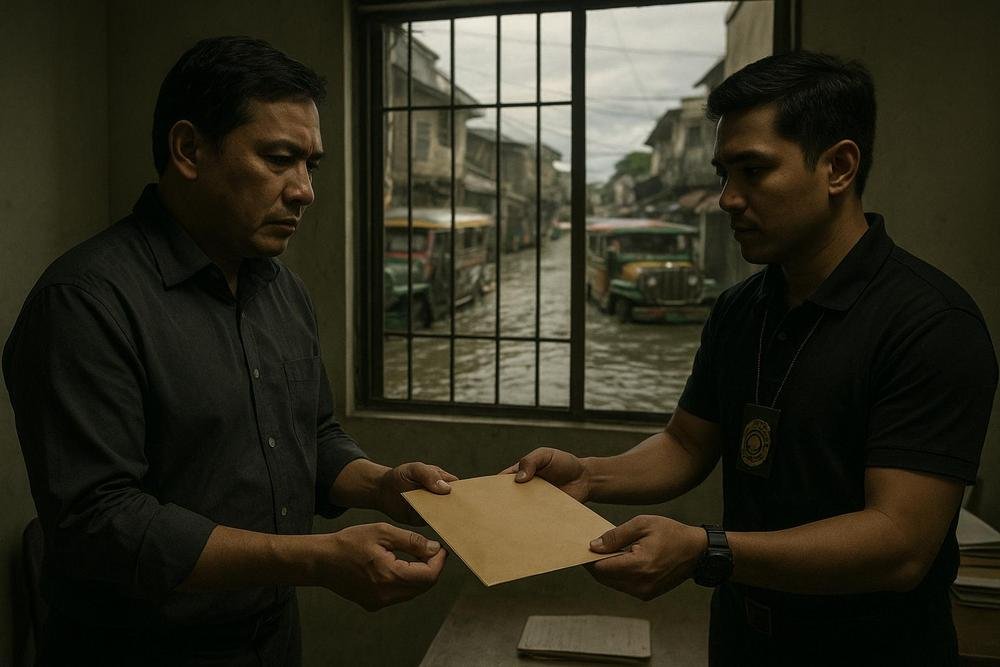
In a pivotal development in the ongoing investigation into the massive flood control scandal, Gerard Opulencia, the former Director of the Department of Public Works and Highways – National Capital Region (DPWH-NCR), handed over ₱40 million in cash to the Department of Justice (DOJ) on December 16, 2025. This surrender marks an initial payment toward a ₱150 million restitution deal linked to alleged kickbacks from fraudulent flood mitigation projects across Metro Manila and Bulacan.
The DOJ is actively using Opulencia’s cooperation and testimony to build cases against several high-ranking officials and lawmakers believed to be involved in the illicit diversion of billions supposedly earmarked for critical infrastructure work. This is one of the most high-profile efforts to expose graft within government flood control programs that many suspect have compounded the persistent flooding woes affecting vulnerable communities in the NCR and adjacent provinces.
Historical Context: Infrastructure, Flooding, and Corruption
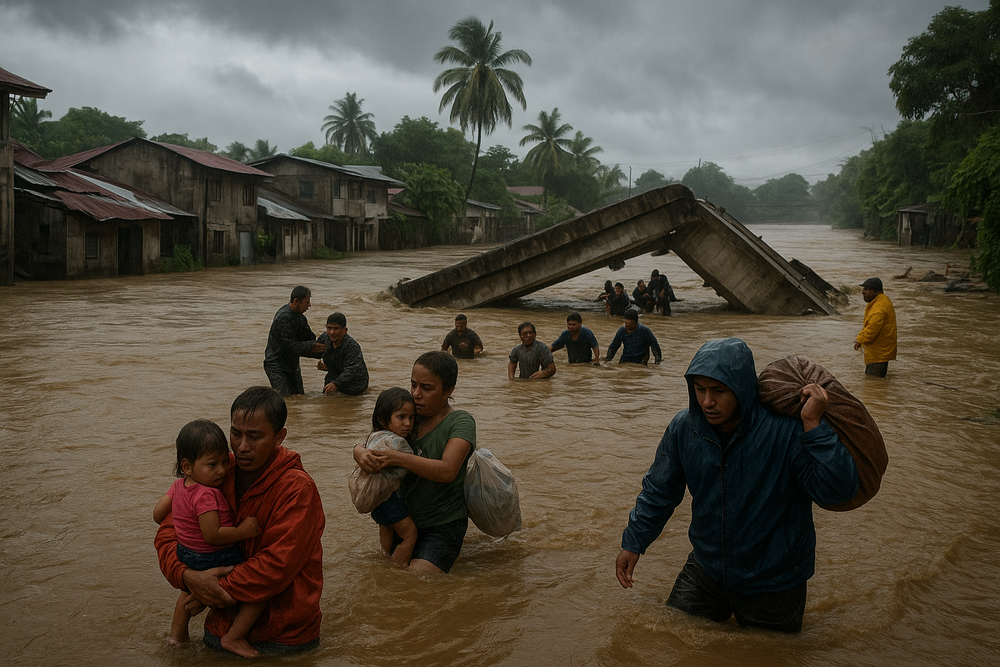
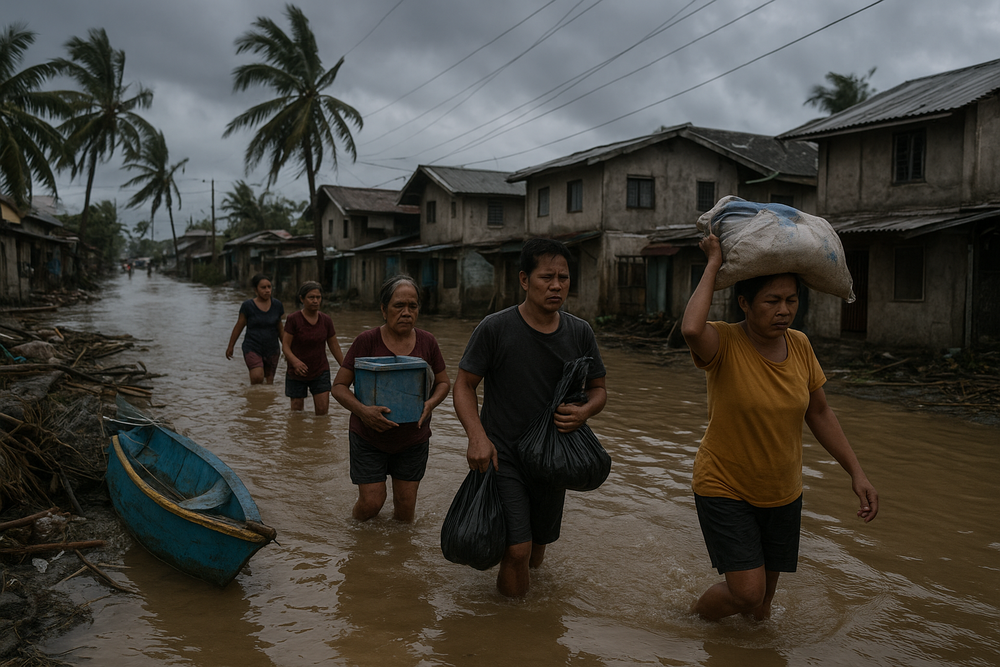
Flooding has long been a bane for residents in the National Capital Region and Bulacan. These areas suffer annual inundations during the rainy season and typhoons, leading to prolonged waist-deep flooding in low-lying barangays such as Malabon, Navotas, and Valenzuela. Over decades, successive administrations have pledged billions of pesos to mitigate these perennial floods through drainage improvements, riverbank embankments, and waterway dredging.
However, efforts have repeatedly fallen short, with many projects either unfinished or never started. Skepticism among the public grew as flooding conditions worsened, exacerbating disruptions to commuting, local economies, and residents’ livelihoods. It is within this fraught backdrop that the so-called “flood control mess” emerged—an umbrella term describing the incomplete, overpriced, or entirely bogus projects channeling public funds into private pockets.
Gerard Opulencia’s involvement is only the latest expose in a scandal that has roots tracing back to questionable bidding and contracting processes starting as early as 2023. Multiple officials and middlemen in the DPWH, particularly in the NCR and Bulacan offices, have been implicated for facilitating ghost construction projects awarded to contractors from areas like Balag and Pandi in Bulacan. These ghost projects translated to money siphoned away from genuine flood control works that millions of Filipinos depend on for safety and stability.
Details of the Surrender and Legal Ramifications
Opulencia’s surrender of ₱40 million is only part of a comprehensive repayment agreement, formalized through a Memorandum of Agreement (MOA) with the DOJ, requiring him to return a total of ₱150 million—purportedly his share of illicit kickbacks collected during his stint at DPWH-NCR. This amount is set to be transferred to the Bangko Sentral ng Pilipinas (BSP) and the Bureau of the Treasury, agencies designated to receive and manage recovered assets.
He has been provisionally admitted to the Witness Protection Program, a government initiative created to protect individuals who testify against powerful suspects in high-risk cases. Formal inclusion, however, depends on the usefulness of Opulencia’s testimony, particularly as it relates to cases implicating prominent figures such as former Senator Bong Revilla and fugitive ex-lawmaker Zaldy Co.
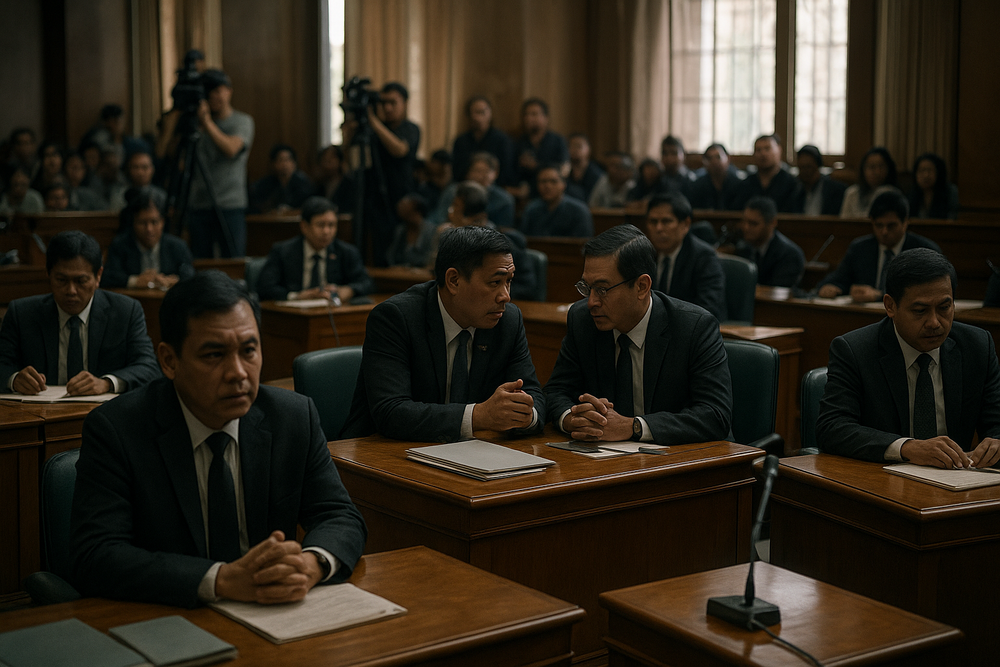
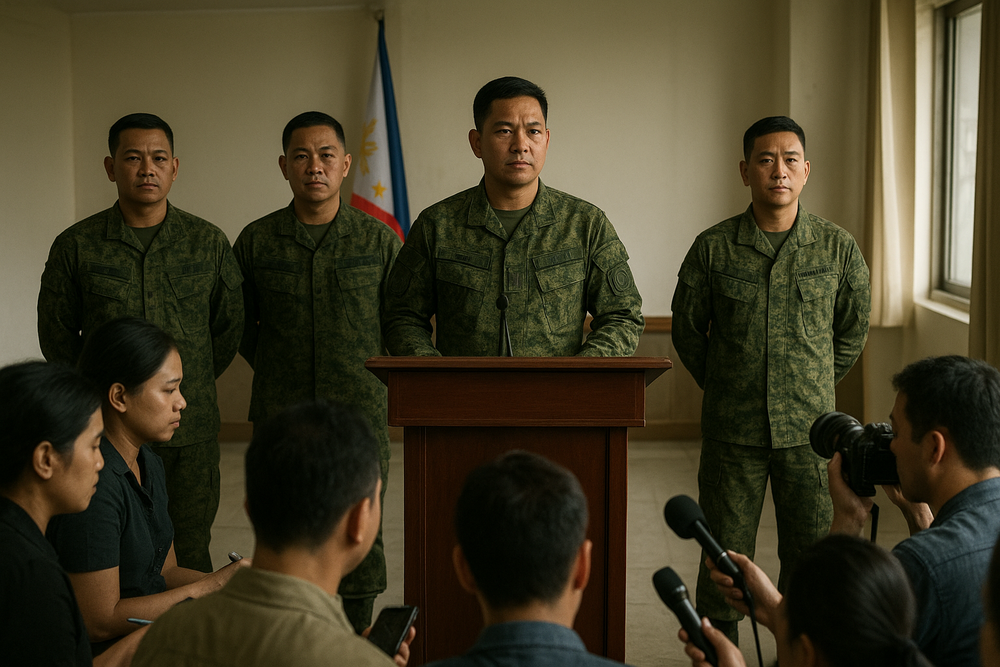
Acting Justice Secretary Fredderick Vida emphasized the significance of this plea arrangement, stating, “This is part of his pledge to refund P150 million.” He further elaborated, “Through further investigations within the department, we have determined that Opulencia’s testimony could be crucial in holding accountable those responsible. Our panel of prosecutors has reviewed this and concluded that it will bolster our case significantly.”
Prosecutor General Richard Anthony Fadullon underscored the legal weight of Opulencia’s cooperation: “His testimony relates to the cases involving Bulacan. However, the repayment of funds pertains to transactions he was engaged in during his directorship.” He added, “Opulencia’s testimony on Bulacan flood projects was ‘considered important; that’s why he was considered for and [provisionally admitted to Witness Protection].’”
Unraveling the Web: Who Else Is Involved?
Opulencia is not the first former DPWH official to surrender ill-gotten wealth. Other key figures include ex-Bulacan District Engineer Henry Alcantara, who turned over ₱110 million in November 2025—part of a ₱300 million restitution commitment. Additionally, former DPWH Undersecretary Roberto Bernardo was linked with a frozen ₱7 million bank account, pending DOJ and Anti-Money Laundering Council (AMLC) proceedings. Earlier, former Bulacan district engineer Brice Hernandez surrendered luxury vehicles, including a Lamborghini, as part of the probe.
The DOJ’s investigations outline at least five preliminary cases against Opulencia, focusing on ghost projects in Bulacan and the NCR. These inquiries center on infrastructure contracts awarded to dubious firms despite a lack of actual construction activity on the ground. The vast sums reported—estimated in the billions—significantly overshadow the capabilities and needs of affected communities.
Societal Impact: The ‘Masa’ Pays the Price
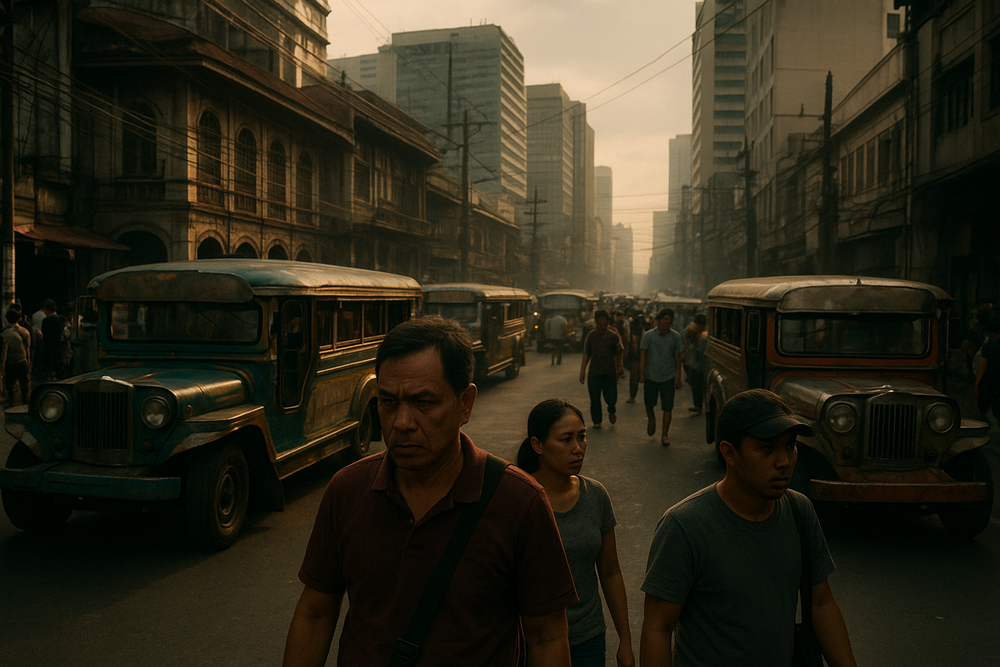
The consequences of this scandal transcend boardrooms and courtrooms, impacting ordinary citizens who endure the brunt of government neglect and corruption. In Metro Manila’s flood-prone districts, such as Malabon and Navotas, residents face chronic flooding that disrupts daily routines, from commuting to economic activities. Jeepney routes submerge under waist-deep water, forcing drivers and passengers alike to navigate hazardous conditions or forego travel entirely.
Improperly allocated funds have delayed critical projects, prolonging residents’ exposure to health risks, property damage, and impeded access to essential services. For informal settlers living along waterways, the risks are amplified as unstable embankments and clogged drainage make homes susceptible to collapse or forced relocation.
The ripple effects are also felt in wet markets and small businesses. Frequent flooding ruins goods, especially perishables like rice, vegetables, and seafood, leading to higher prices and reduced availability for vulnerable consumers. In Bulacan, roads prone to flooding slow down commuters and farmers transporting harvests to urban markets, increasing costs and compounding financial instability for daily wage earners and agrarian communities.
Addressing these issues requires more than recovering stolen money—it calls for transparency, efficient management, and genuine investment in resilient infrastructure that responds to the lived realities of the ‘masa’ or masses.
Legal Framework and Witness Protection Explained
The Witness Protection Program (WPP), administered under the DOJ, is vital in encouraging insiders like Opulencia to come forward with critical information. The WPP provides security, relocation, and other forms of assistance to ensure the safety of those risking retaliation from powerful figures implicated in corruption.
While specific Republic Acts (R.A.) or Executive Orders (E.O.) related directly to this case have not been cited explicitly, the investigations fall within the ambit of the Anti-Graft and Corrupt Practices Act (R.A. No. 3019) and laws governing public works and infrastructure. These statutes empower the Office of the Ombudsman and the Sandiganbayan, the Philippines’ specialized anti-corruption court, to pursue prosecution for officials involved in dishonest handling of public funds.
Moving Forward: Justice and Reforms
The unfolding details of the flood control scandal signal a turning point in holding public officials accountable for corruption that undermines essential services. Acting Justice Secretary Vida expressed confidence in the DOJ’s capacity to pursue justice, emphasizing that Opulencia’s cooperation could “bolster our case significantly.” Similarly, Prosecutor General Fadullon highlighted the importance of such testimonies in unveiling the scope of malfeasance.
However, for many community members affected by the continuous flooding, reforms must extend beyond legal victories. They demand transparent planning, strict oversight, and prudent use of public resources to ensure flood control projects transition from paper promises to tangible protections. The recovery of funds, while critical, must be complemented by systemic changes that eliminate corruption’s roots and rebuild public trust.
As the DOJ continues its probe with new testimony and recovered dinero, the eyes of the nation remain fixed on the outcome of this high-stakes legal battle. The hope among the Filipino ‘masa’ is that justice will prevail, and future flood control efforts will finally serve their intended purpose: safeguarding lives and livelihoods from the perennial threat of water.