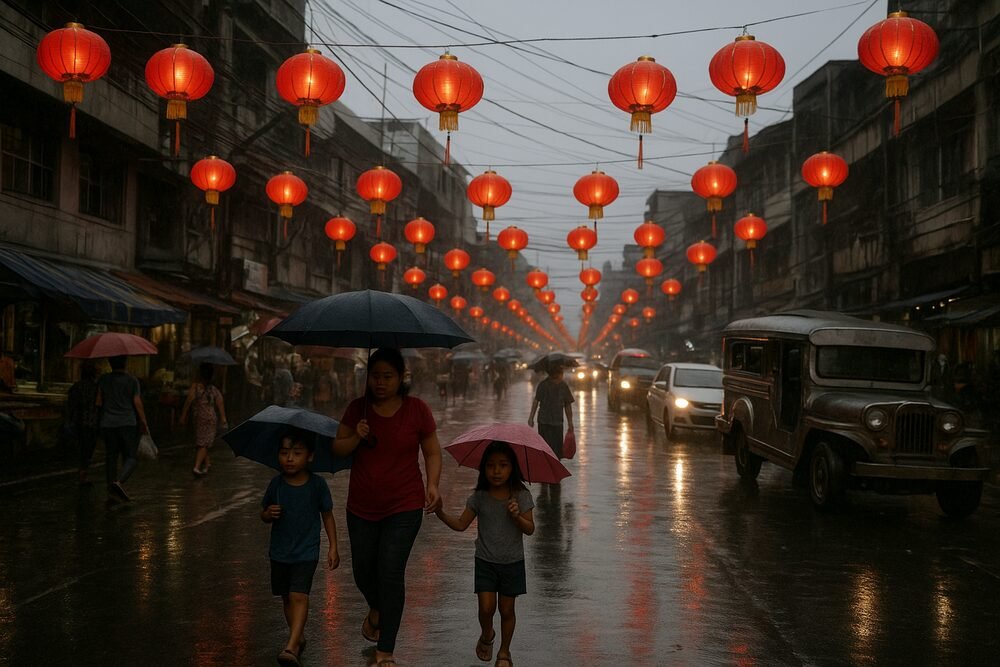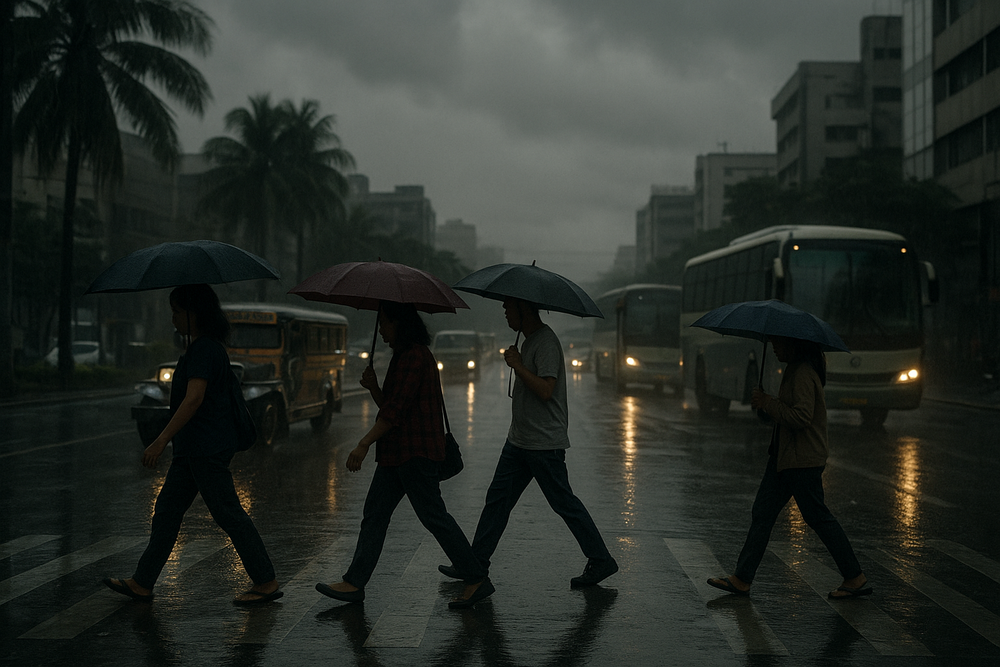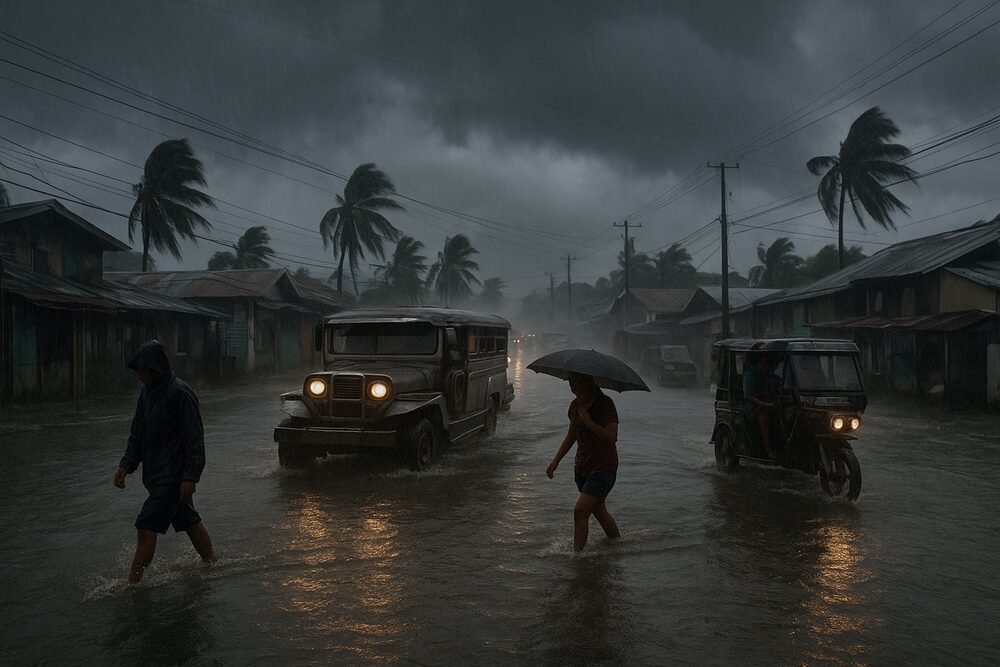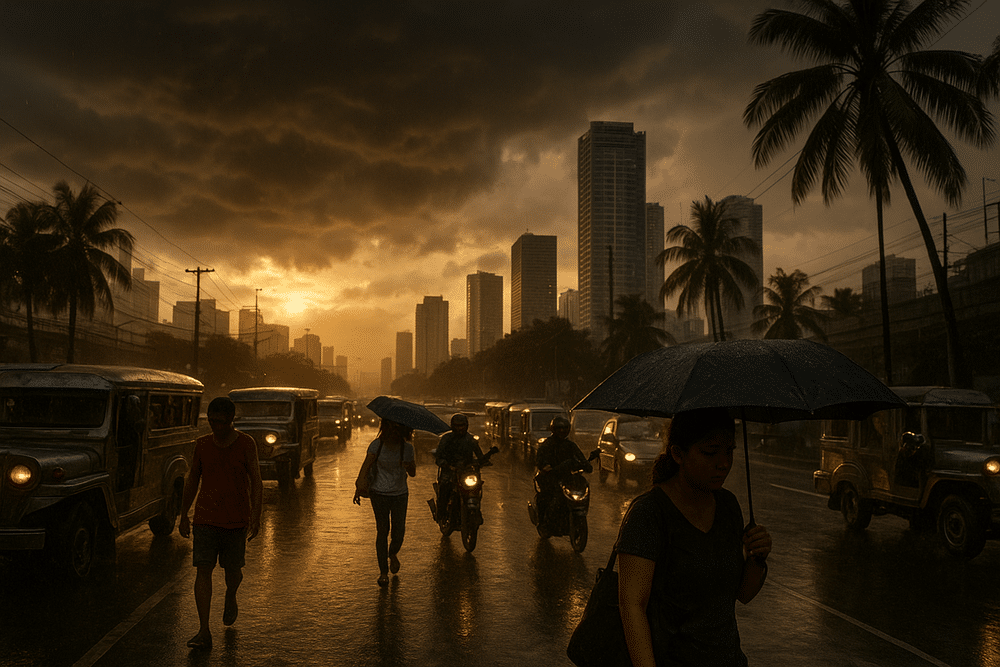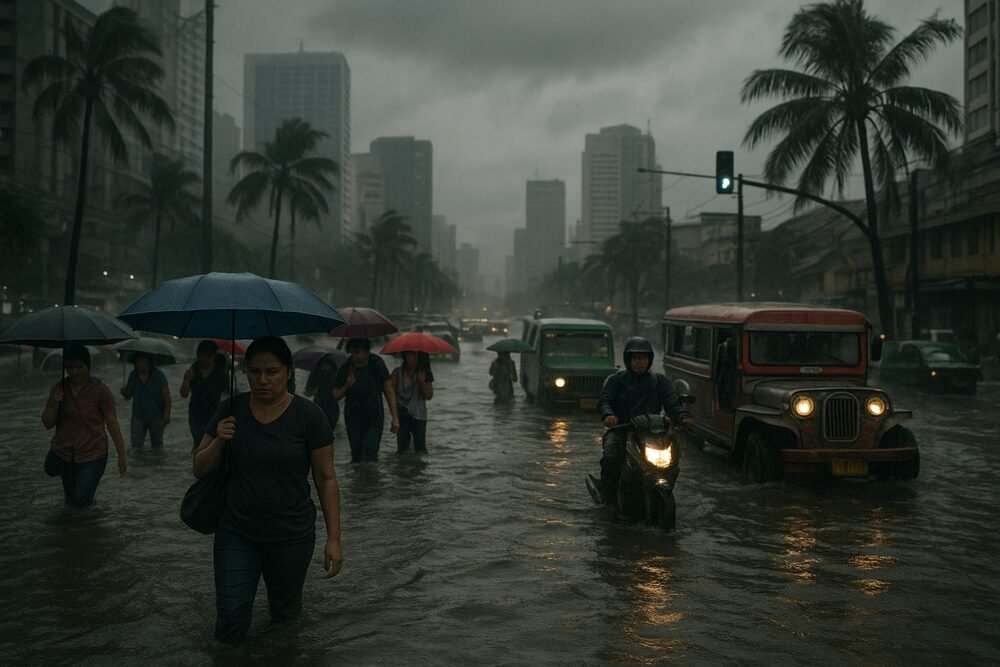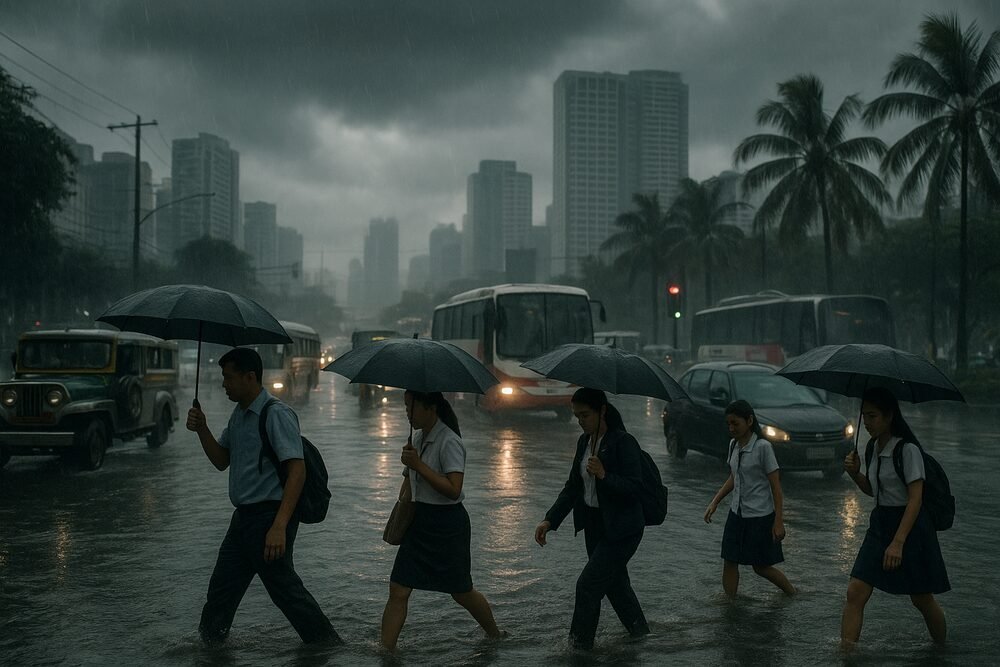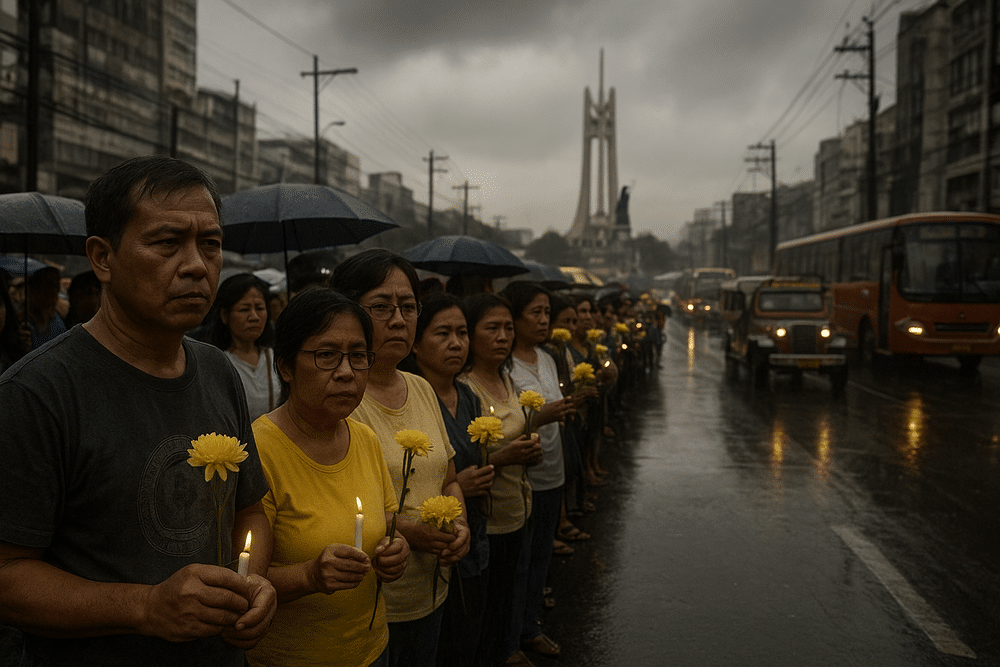
Cloudy skies and isolated rain showers are expected to blanket Metro Manila on February 22, as the Philippines marks the 40th anniversary of the EDSA People Power Revolution, a defining moment that ended two decades of authoritarian rule and restored democratic governance to the country.
The unsettled weather, driven by seasonal easterlies that typically bring cloudy conditions and scattered showers to Luzon in late February, may dampen outdoor commemorations along Epifanio de los Santos Avenue (EDSA) — the highway that became the epicentre of the 1986 uprising.
A Milestone Anniversary Under Grey Skies
The four-day uprising from February 22 to 25, 1986 drew more than two million civilians, alongside political, military and religious leaders, to peacefully confront the regime of Ferdinand Marcos Sr. The movement culminated in his departure from the country and the swearing-in of Corazon Aquino as president on February 25, 1986.
This year marks four decades since that nonviolent revolt reshaped Philippine politics. Yet, despite the milestone anniversary, no national holiday has been declared, shifting much of the initiative for remembrance to civil society groups, dioceses and local communities.
Weather forecasts indicating cloudy skies and isolated showers in the National Capital Region could affect foot traffic and transport along EDSA — one of Metro Manila’s busiest arteries, used daily by millions of commuters. In 1986, Filipinos abandoned their routines to form human barricades; today, intermittent rain may test the resolve of those gathering to honour that history.
From Martial Law to People Power
The revolution’s roots stretch back to September 21, 1972, when Ferdinand Marcos Sr. declared martial law under Proclamation No. 1081. Congress was dissolved, media outlets shuttered, and opposition figures — including Senator Benigno Aquino Jr. — were detained.
The assassination of Aquino on August 21, 1983, upon his return from exile, intensified public dissent. Three years later, on February 22, 1986, Defence Minister Juan Ponce Enrile and Armed Forces Vice Chief Fidel V. Ramos withdrew support from Marcos and fortified camps along EDSA. Jaime Cardinal Sin, then Archbishop of Manila, called on civilians via Radio Veritas to protect the defecting officers.
Millions responded, forming peaceful barricades in scenes that came to symbolise the potency of collective civic action. The Marcos family fled shortly after midnight on February 25, paving the way for Aquino’s presidency and, eventually, the ratification of the 1987 Constitution, which reasserted civilian supremacy and democratic institutions.
Commemorations Beyond the Capital
While Metro Manila braces for rain, commemorative events across the provinces have drawn significant participation. In Bacolod City, at least 3,000 people gathered for anniversary rites. In Albay, more than 1,000 attendees joined events led by religious and activist groups.
At a gathering in Bacolod, Cardinal Patric Buzon urged persistence “in the quest for change inspired by the Edsa People Power Revolution,” calling for accountability in confronting corruption and political dynasties.
In the Bicol region, demonstrators echoed broader concerns about governance and reform. One reflection captured the enduring weight of the anniversary: “People Power means that we’re responsible for what has happened from 1986 to today, and it also means that for as long as we remain a democracy, we’re responsible for what happens from today onwards.”
Another participant acknowledged lingering frustrations: “I think we trusted too much, thinking after the EDSA Revolution may pagbabago na ang pananaw, ang attitude. Pero nagkamali po kami.” (“I think we trusted too much, thinking after the EDSA Revolution there would be a change in mindset, in attitude. But we were wrong.”)
Legacy in a Time of Debate
The anniversary unfolds amid continuing debate over the legacy of EDSA and the historical record of martial law. The EDSA People Power Commission, created under Executive Order No. 82 in 1999, remains tasked with preserving the memory of the uprising and promoting its civic ideals.
Supporters view the revolution as proof that democratic institutions, though imperfect, can be reclaimed through peaceful mobilisation. Critics argue that many post-1986 reforms remain incomplete, citing entrenched patronage politics, corruption and inequality.
Against that backdrop, the anticipated rainfall in Metro Manila may serve as a fitting metaphor: a reminder that democracy, like the weather, is neither static nor guaranteed. Its endurance depends on constant vigilance — whether under clear skies or gathering clouds.
As Filipinos prepare to mark forty years since they stood shoulder to shoulder along EDSA, the message of the anniversary appears unchanged: the strength of a democracy rests not only in its history, but in the continued participation of its people.