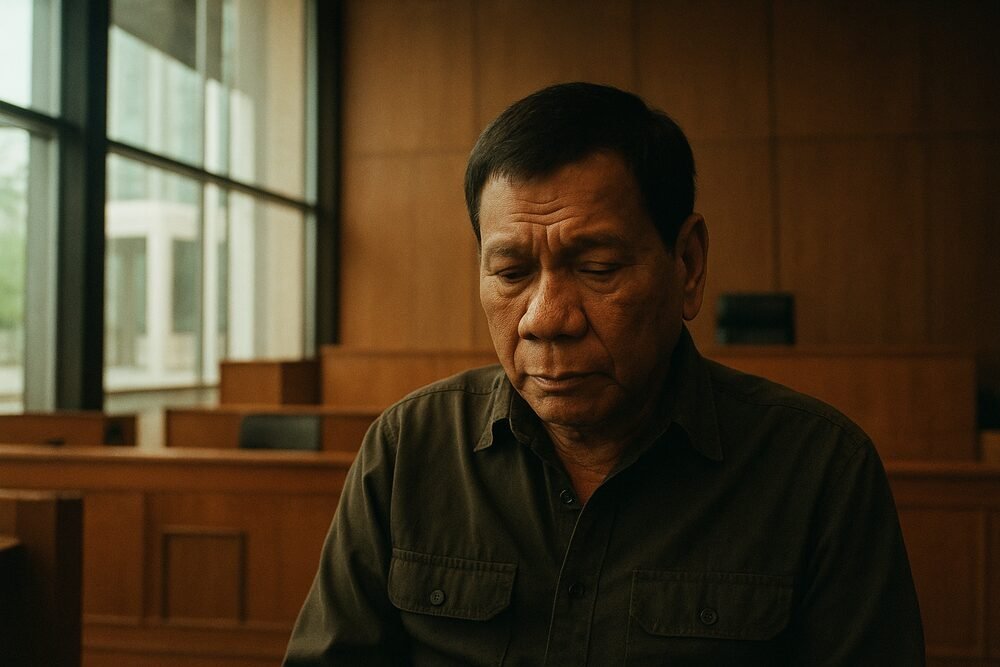
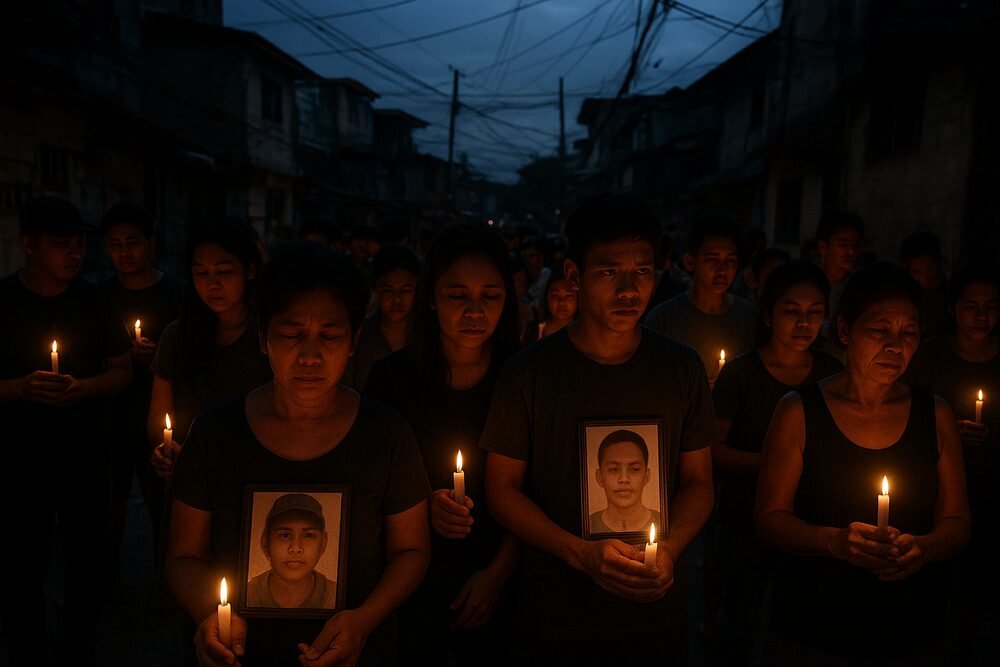
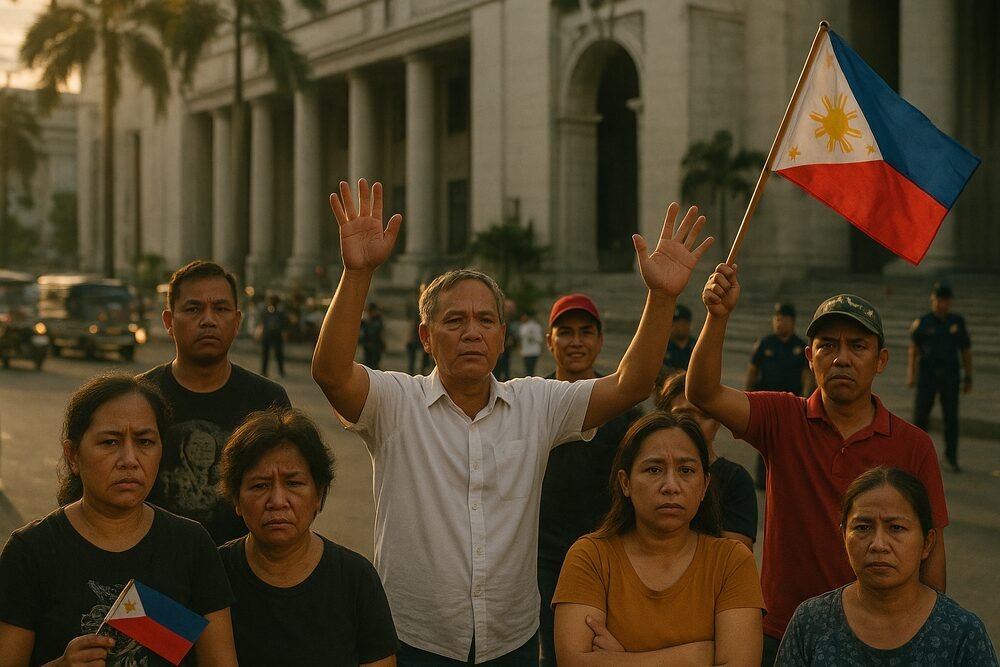
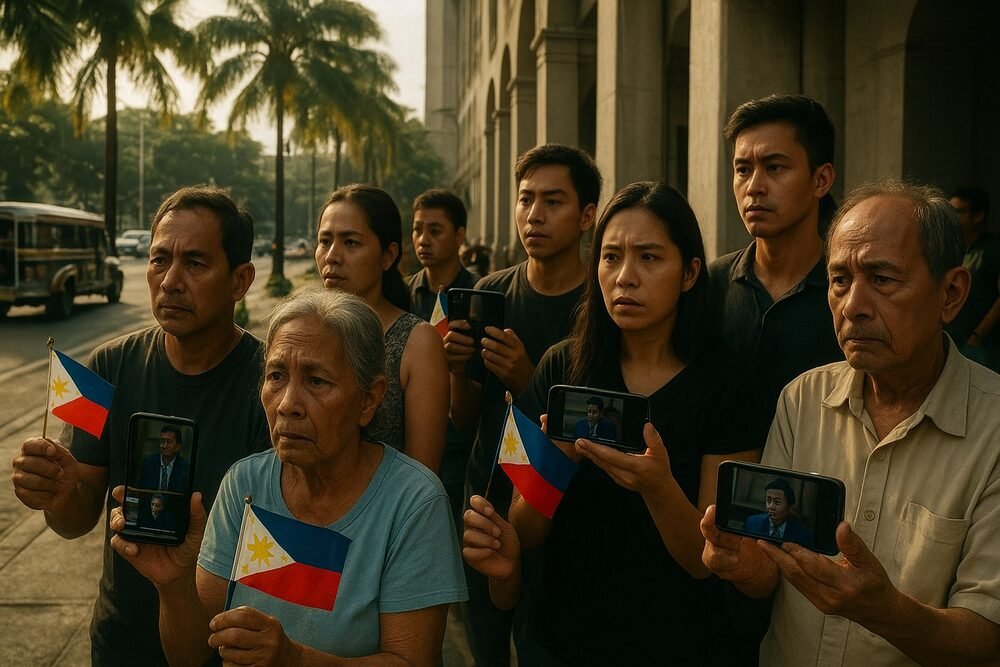
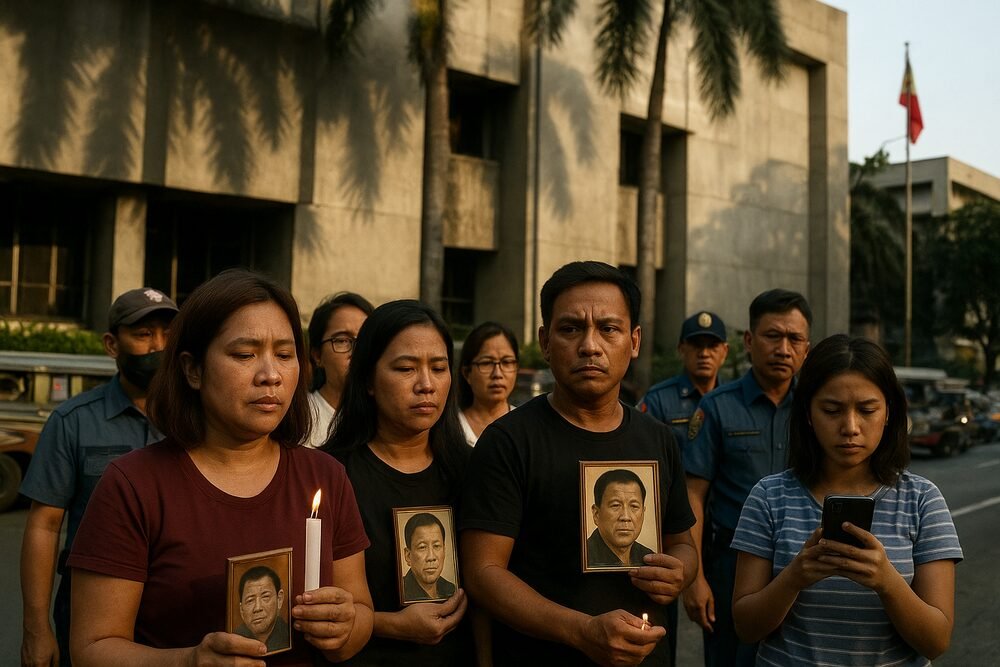
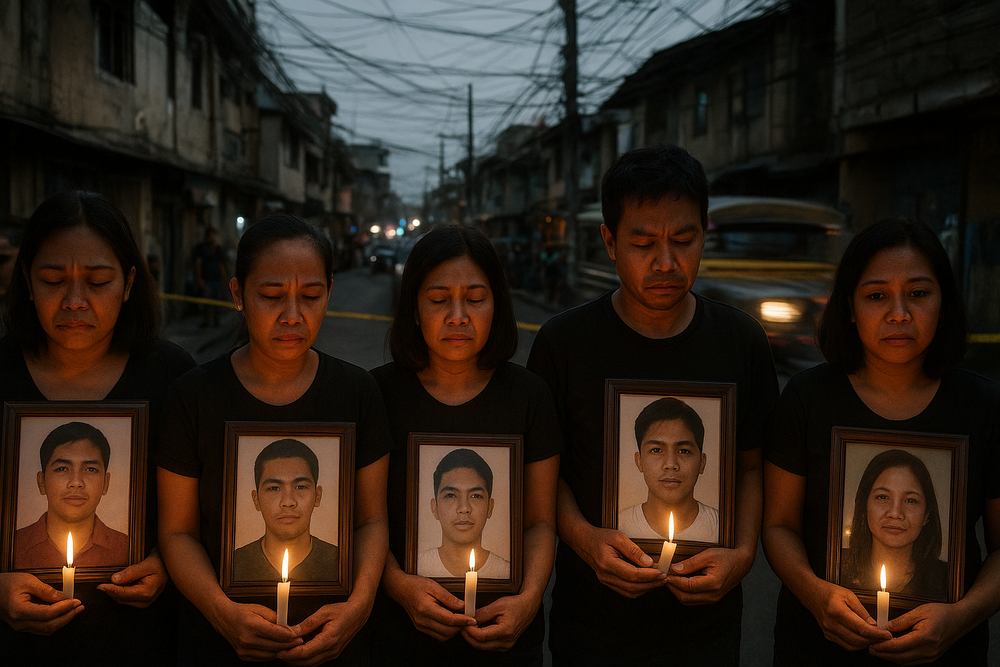
Former Philippine President Rodrigo Roa Duterte is set to face a pivotal week at the International Criminal Court (ICC), as judges in The Hague open hearings on February 23 to determine whether he will stand trial for alleged crimes against humanity committed during his controversial war on drugs. The confirmation of charges hearing marks the most consequential step yet in an unprecedented legal reckoning for a former Asian head of state.
Duterte, in ICC custody since March 12, 2025, was arrested after the court issued a warrant accusing him of murder, torture and rape between November 1, 2011 and March 16, 2019 — the period when the Philippines was a party to the Rome Statute. Judges have twice denied his requests for interim release, most recently reaffirming his detention on January 26, 2026. An appeal is pending.
The Charges and What They Mean
The ICC issued a secret arrest warrant on March 7, 2025, which it made public four days later. Prosecutors allege Duterte bears responsibility as an “indirect co-perpetrator” for crimes against humanity tied to thousands of killings during anti-drug operations.
The upcoming hearing is not a trial. Instead, the court’s pretrial chamber will assess whether prosecutors have presented sufficient evidence to establish “substantial grounds” that Duterte committed the alleged crimes. If judges confirm the charges, the case will proceed to a full trial — a process that could take years.
On February 13, 2026, prosecutors disclosed additional details in an updated charge sheet, sharpening the legal contours of the accusations ahead of the five-day hearing scheduled to run from February 23 to 27.
Why the ICC Says It Has Jurisdiction
The legal battle has centred as much on jurisdiction as on the alleged crimes themselves.
The Philippines signed the Rome Statute on December 28, 2000, ratified it on August 30, 2011, and became bound by it on November 1, 2011. In March 2018, Duterte’s administration notified the United Nations of its withdrawal from the treaty, which took effect on March 17, 2019.
Under Article 127 of the Rome Statute, however, withdrawal does not extinguish jurisdiction over crimes allegedly committed while a state was still a member.
In January 2023, ICC judges authorised prosecutors to resume their investigation, concluding that “The Philippine government had failed to substantiate its assertions that it was taking sufficient action to investigate and prosecute the killings.”
Duterte challenged the court’s authority, but on October 23, 2025, the pretrial chamber dismissed his jurisdictional objection. Judges ruled: “Because the prosecution had commenced its preliminary examination prior to the Philippines’ withdrawal from the Rome Statute, the court could retain jurisdiction in the case.”
Arrest and Surrender
Philippine authorities arrested Duterte on March 11, 2025 after the warrant was made public. He was surrendered to ICC custody the following day and appeared before the court via video link on March 14.
The arrest followed a complex legal backdrop at home. In a 2021 ruling, the Supreme Court of the Philippines held that the country retains obligations to cooperate with the ICC even after withdrawal from the treaty, stating: “The Philippines still has an obligation to cooperate in the ICC proceedings.”
The current administration facilitated Duterte’s surrender, framing it as compliance with international commitments. Allies of the former president have argued that withdrawal from the Rome Statute should have ended any ICC authority and that local courts should have addressed the matter first.
Detention Battles Continue
Duterte’s legal team has repeatedly sought interim release. He first applied on June 12, 2025, with an updated request submitted in August. The pretrial chamber denied the application on October 10, 2025, citing legal criteria for continued detention. Judges upheld that decision on appeal.
During a regular detention review on January 26, 2026, the chamber again ruled that he must remain in custody. Another appeal is pending.
Under ICC procedures, detention is reviewed periodically to ensure it remains justified. The first annual review will take place at the close of the confirmation of charges hearing on February 27.
A Case With Global and Domestic Reverberations
Although the proceedings unfold thousands of kilometres away in The Hague, they continue to shape public discourse in the Philippines and beyond. Human rights advocates maintain that the ICC stepped in only after domestic mechanisms failed to deliver accountability. Duterte’s supporters insist the court is overreaching.
For ordinary Filipinos, the case does not directly alter daily life — there are no immediate economic or policy shifts tied to the hearings. Yet symbolically, the moment is significant. The case tests the limits of state withdrawal from international treaties and underscores the principle that departure does not erase past obligations.
The ICC’s decision this week will determine whether Duterte moves from pretrial proceedings into a full criminal trial. For the former president, once the country’s most powerful political figure, the courtroom now replaces the campaign stage. The judges’ ruling will decide whether the charges proceed — and whether one of the most contentious chapters in modern Philippine history will be examined in full view of the world.