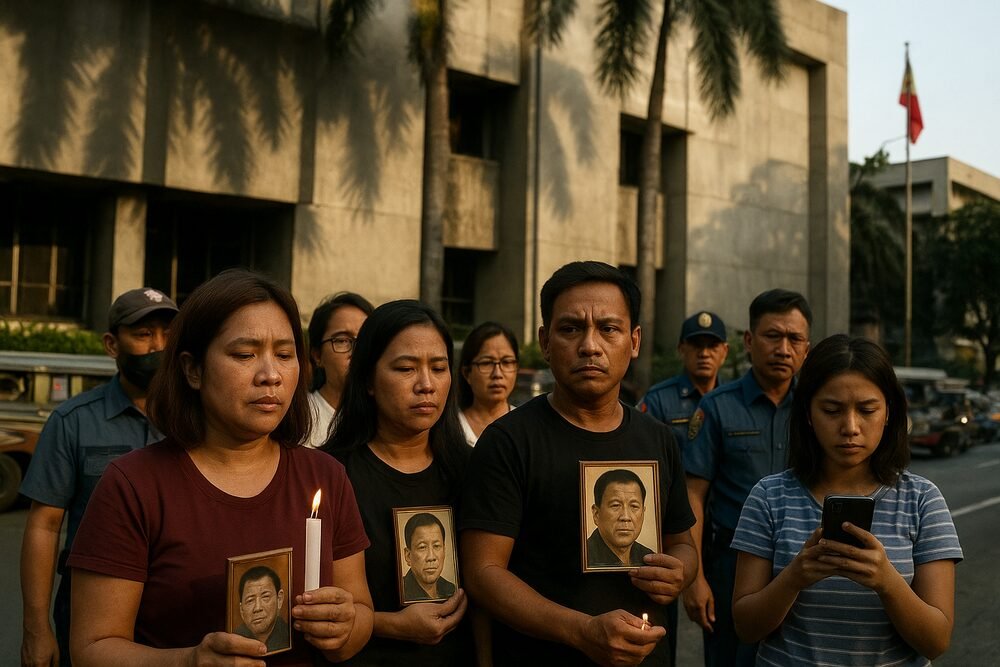
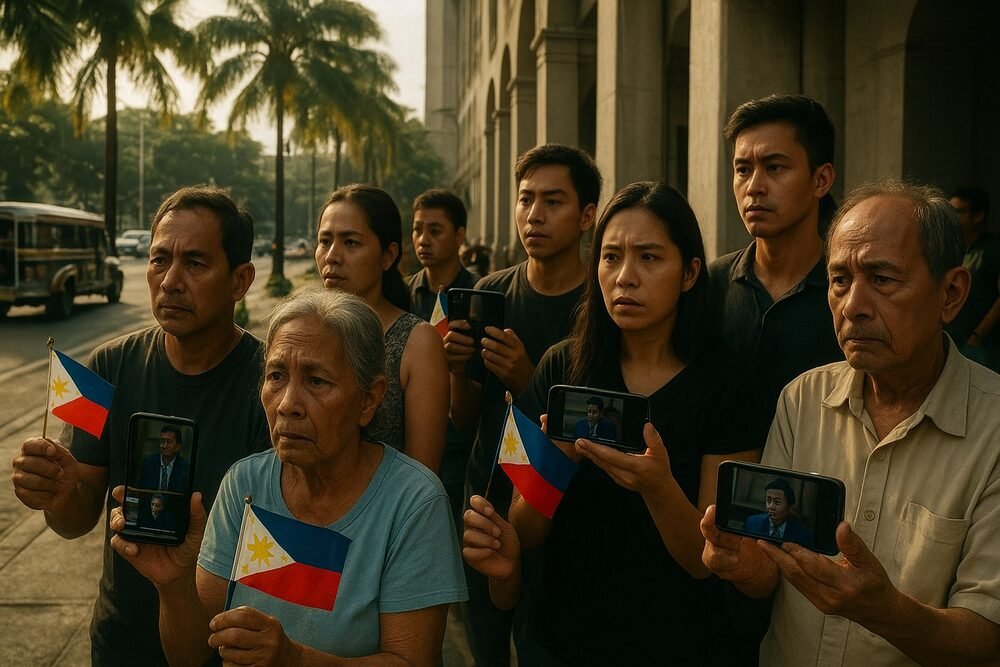
Senator Christopher Lawrence “Bong” Go on Monday called on Filipinos to remain calm and place their trust in the rule of law as the International Criminal Court (ICC) Pre-Trial Chamber I opened its confirmation of charges hearing against former President Rodrigo Duterte over alleged crimes against humanity linked to his controversial anti-drug campaign.
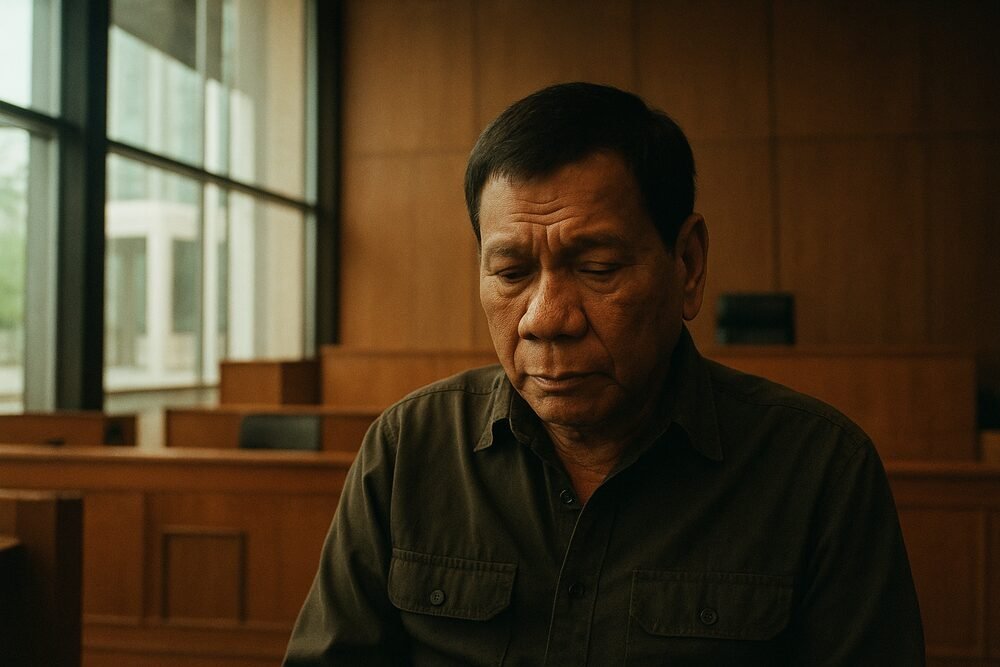
The four-day hearing, which began on February 23, 2026, marks a decisive chapter in the international case stemming from thousands of killings tied to the drug war from 2011 to 2019, a period when the Philippines was still a member of the ICC. Duterte, who was arrested in March 2025, waived his right to attend the proceedings in person.
A Call for Calm as Charges Are Read
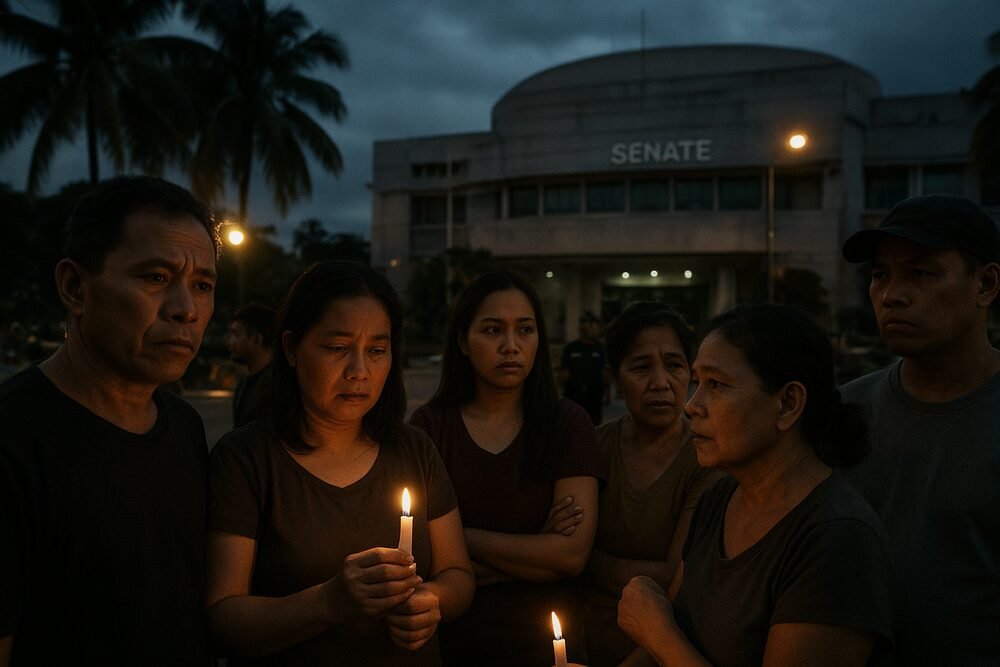
As judges formally read the charges in The Hague, Go — a longtime aide and unwavering ally of Duterte — appealed to the public for restraint.
“Nananawagan ako sa ating mga kababayan na manatiling mahinahon, magtiwala sa proseso ng batas, at huwag mawalan ng pag-asa. Sa huli, ang ating pagkakaisa at pananampalataya ang magbubukas ng daan upang masilayan natin ang tunay na katotohanan,” Go said in a statement on February 23.
He also invoked faith as Duterte faces one of the most consequential legal battles in Philippine political history.
“Nawa’y ipagkaloob ng Panginoon ang karunungan at gabay sa kanyang legal team upang buong husay na maipagtanggol si Tatay Digong. Hinihiling ko rin sa Diyos ang patuloy na tibay ng loob at pagkakaisa ng kanyang pamilya sa harap ng pagsubok na ito,” he said.
The hearing is scheduled to continue on February 24, 26, and 27, during which prosecutors are expected to outline key evidence, followed by submissions from victims’ representatives and the defense.
Allegations of a “Structure of Power”
The case against Duterte centers on accusations that his administration oversaw a systematic campaign of killings targeting alleged drug offenders, amounting to crimes against humanity. Prosecutors have linked these allegations to Duterte’s tenure both as Davao City mayor and later as president.
An ICC document dated February 13, 2026, less redacted than earlier filings, identified Go and Senator Ronald “Bato” dela Rosa as alleged co-perpetrators. The document describes what prosecutors characterize as a “structure of power” that included the so-called Davao Death Squad (DDS).
Go has firmly rejected the accusation.
“I contest these allegations as entirely baseless, one-sided, and unfair, bearing no relation to my actual roles and duties,” he said.
Go served as Duterte’s executive assistant in Davao City from 1998 to 2016 and was appointed Special Assistant to the President in 2018. He is now a sitting senator.
Legal Threshold: Trial or Dismissal
The confirmation of charges hearing is not a trial but a legal filter. Judges must determine whether prosecutors have presented sufficient evidence to proceed to a full trial. Under the Rome Statute, the ICC retains jurisdiction over alleged crimes committed while the Philippines was a member state, despite the country’s withdrawal in 2019.
If the chamber confirms the charges, Duterte will face trial before the court. If not, the case could be dismissed at this stage.
The proceedings unfold against a complex political backdrop in Manila. The Philippine Senate has discussed the tradition of protecting incumbent senators from arrest during active sessions, although Senate leadership has said it has received no official ICC notification concerning Go or dela Rosa.
Political Fault Lines Resurface
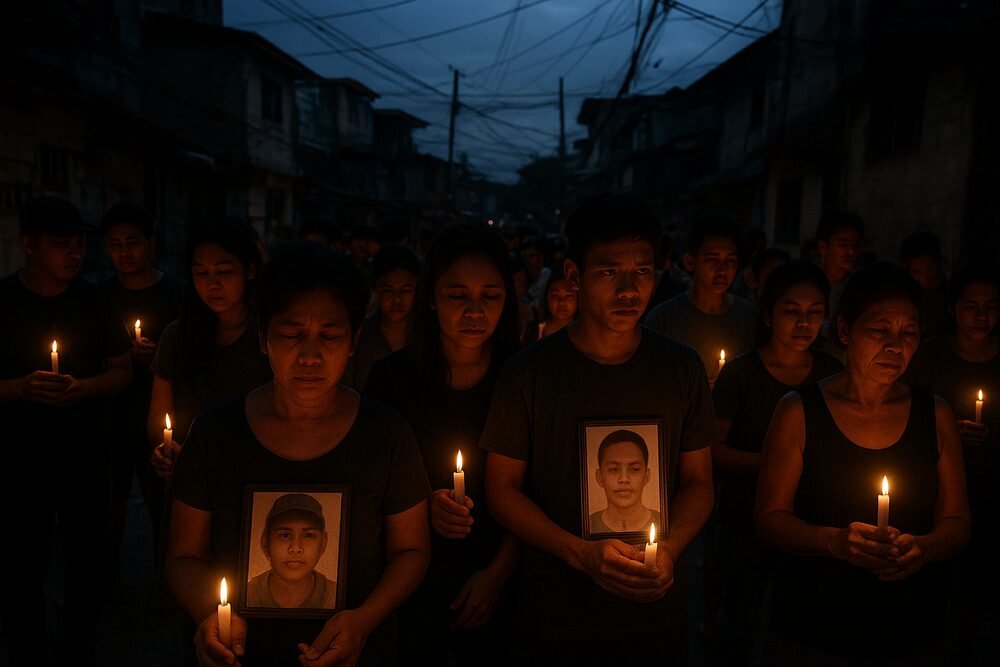
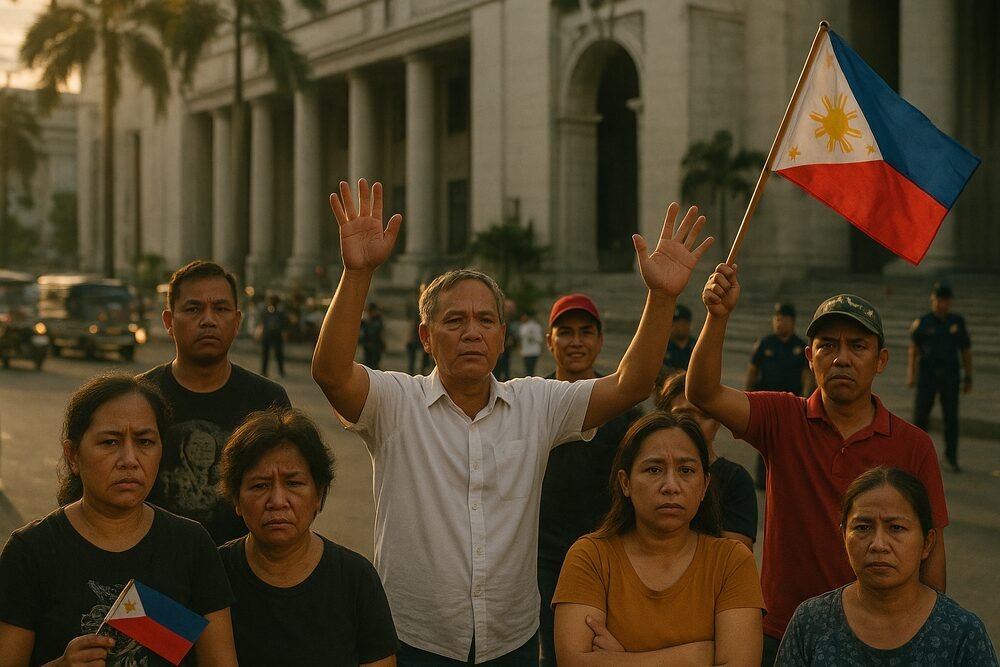
The hearing has once again exposed deep divisions in Philippine politics. Supporters frame the case as politically motivated, while critics argue it represents long-awaited accountability for thousands of families affected by the drug war.
Representative Leila de Lima, a prominent Duterte critic, described the ICC proceedings as a step toward justice.
“We have consistently warned these individuals… Their arrogance is evident. Many will likely go into hiding… Nevertheless, justice will ultimately prevail,” she said.
For many Filipinos, the case revives unresolved questions about security, due process, and human rights. The drug war reshaped communities from Davao City to dense urban centers across the archipelago. While some credited the crackdown with bringing order to neighborhoods, others have pointed to the heavy toll on urban poor communities where many of the killings occurred.
National Stakes Beyond the Courtroom
Though the hearings are taking place thousands of miles away, the implications reach deep into the country’s political fabric. Duterte remains an influential figure, and Go and dela Rosa hold Senate seats critical to legislative priorities, including social welfare and health initiatives.
For now, the ICC chamber’s role is narrow: to weigh evidence and determine whether the case proceeds. Yet symbolically, the hearings mark a moment of reckoning — an international court examining the policies of a sitting head of state turned defendant.
As proceedings continue through the week, Go’s message underscores the fragile balance in Philippine public life: a call for unity and faith on one side, and a demand for justice and accountability on the other. The outcome of this legal threshold could shape not only Duterte’s legacy but also the country’s political trajectory in the years ahead.