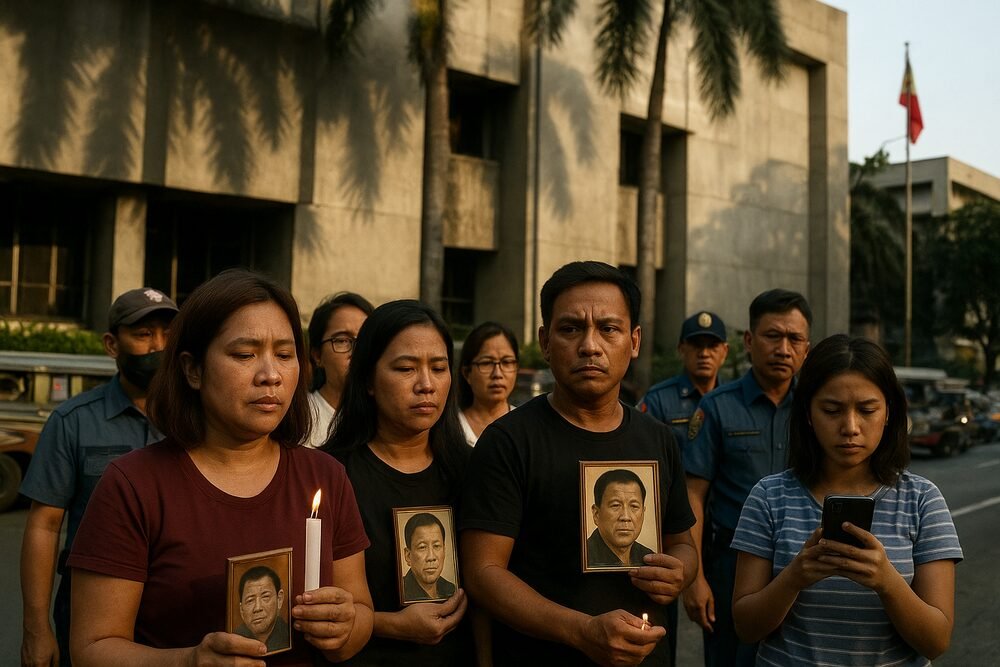
Former Philippine president Rodrigo Duterte has asked the International Criminal Court’s Appeals Chamber to reverse a ruling that keeps him in detention, arguing that judges wrongly ignored medical evidence pointing to a deterioration in his health and cognitive capacity. The appeal, filed on January 28 and made public days later, seeks to overturn a January 26 decision that cleared the way for confirmation of charges hearings over alleged crimes against humanity tied to his brutal anti-drug campaign.
The move marks the latest legal gambit by Duterte’s defence as the case enters a decisive phase. If the Appeals Chamber intervenes, it could reshape the timetable of proceedings that now threaten to put the former strongman president on trial before the world’s highest international criminal court.
A bid to halt detention before a critical hearing
The appeal challenges a ruling by ICC Pre-Trial Chamber I that found no “changed circumstances” warranting Duterte’s release and confirmed he was fit to take part in pre-trial hearings. Those hearings, known as confirmation of charges proceedings, are scheduled to begin on February 23, 2026.
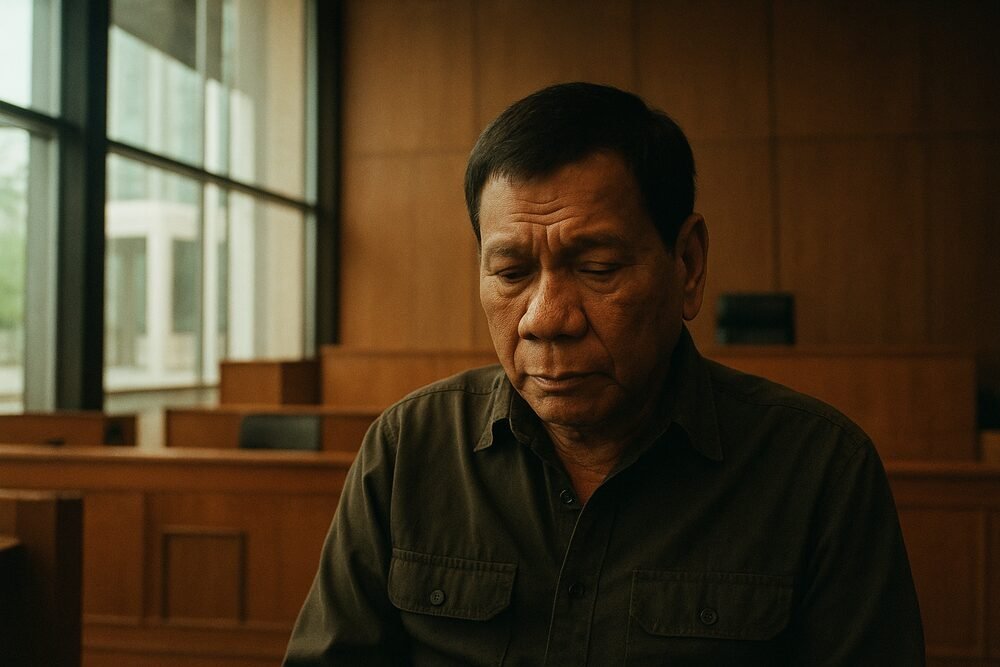
Duterte’s lawyers contend that the judges erred both in law and fact by refusing to consider a defence-commissioned medical report assessing his health. The six-page appeal argues that this report constituted new and relevant evidence that should have weighed heavily in the decision on continued detention.
In a sharply worded submission, lead counsel Nicholas Kaufman accused the judges of sidelining objective medical findings. “The failure of the Pre-Trial Chamber to acknowledge the Medical Report represents a factual mistake,” he wrote, adding that rejecting such evidence “effectively undermines a suspect’s right to a fair trial.”
Medical fitness at the heart of the dispute
At issue is whether Duterte’s health meets the threshold for provisional release under the Rome Statute, the ICC’s founding treaty. The defence maintains that the court failed to properly assess how his medical condition affects the risks cited under Article 58(1)(b), which governs detention pending trial.
Pre-Trial Chamber judges took a different view. In a 25-page decision issued on January 26, they relied on an independent panel of medical experts commissioned by the court, concluding that Duterte was fit to participate in proceedings. While acknowledging the need for “certain measures” to assist him, they ruled that his condition did not justify release or an indefinite postponement.
The chamber also confirmed that it would revisit detention again on February 27, 2026, in line with ICC rules requiring periodic reviews every 120 days.
Crimes tied to a deadly drug war
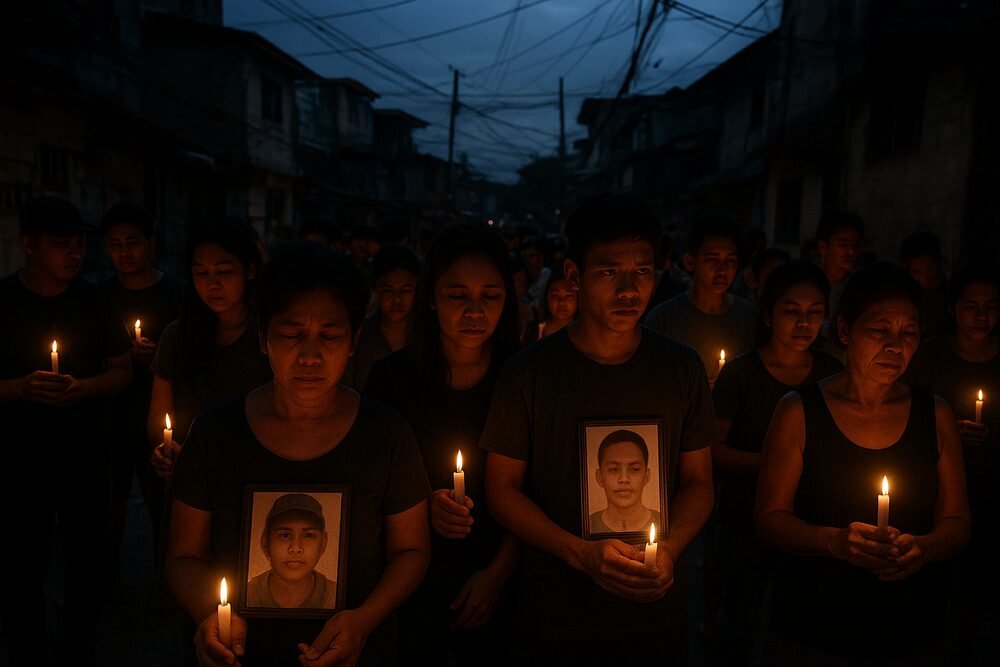
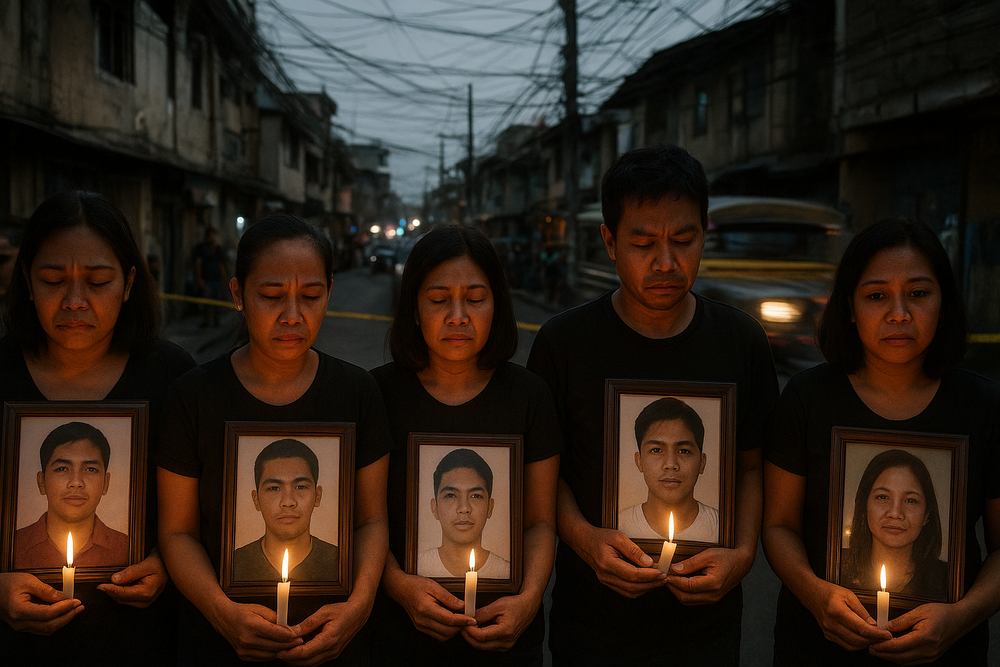
Duterte faces charges of crimes against humanity, including murder and torture, over his years-long war on drugs. Philippine government figures put the death toll at about 6,200, while human rights organisations estimate the number of killings may reach as high as 30,000.
The ICC’s investigation covers alleged crimes committed between November 1, 2011 and March 16, 2019, spanning Duterte’s tenure as mayor of Davao City and his presidency. Judges ruled in January that there were reasonable grounds to believe he bore responsibility for crimes within the court’s jurisdiction.
The case has its roots in complaints filed in 2017 and 2018 by lawyers, legislators and families of victims, long before the Philippines formally withdrew from the Rome Statute. Although the withdrawal took effect in March 2018, the court has held that it retains jurisdiction over crimes committed while the country was still a member.
Victims’ lawyers push back
Lawyers representing victims have warned against allowing the case to stall over medical arguments. Gilbert Andres, an ICC-accredited counsel for victims, said that “‘fitness to stand trial’ is not so much a medical issue as it is a legal one,” explaining that the key test is whether the accused can understand proceedings and exercise his rights.
For families of those killed in anti-drug operations, the rulings are seen as a safeguard against delay. As one analysis put it, the decision signals that victims’ voices “will not be sidelined by technical evasions.”
Political ripples at home and abroad
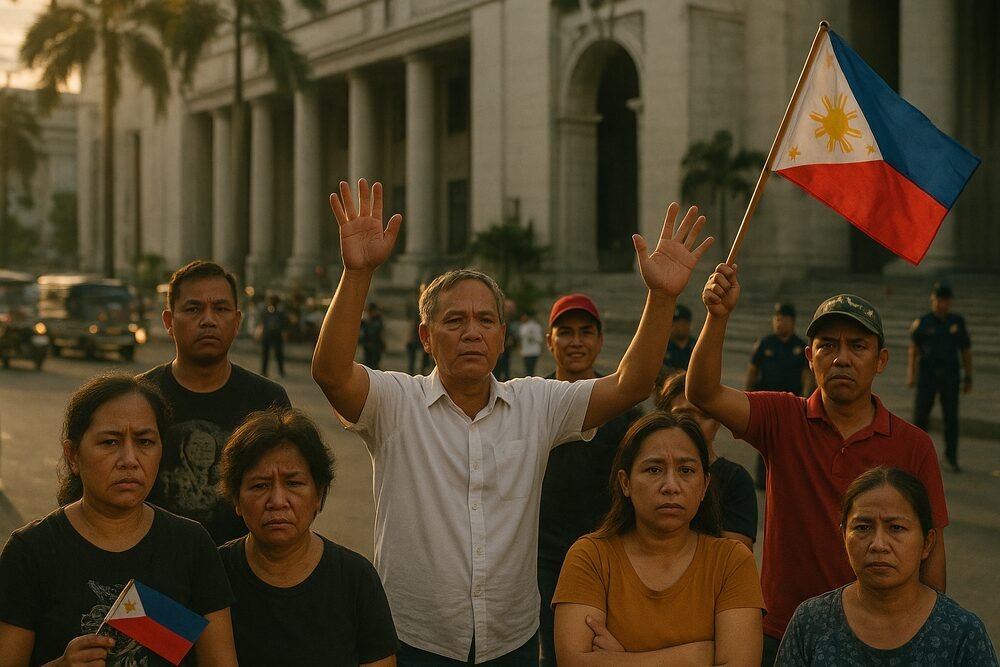
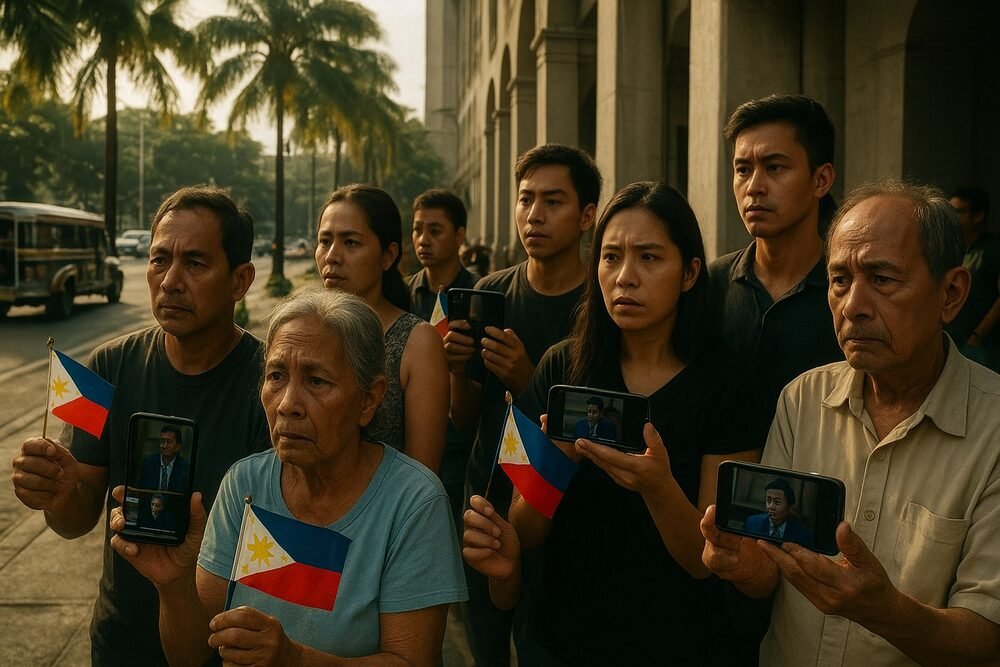
The case continues to reverberate through Philippine politics. The Marcos administration has said it will no longer engage with the ICC, framing the proceedings as unwelcome foreign intervention. At the same time, Vice President Sara Duterte has acknowledged public concern over her father’s legal strategy, saying she would not disclose instructions to his defence team.
Internationally, the proceedings are closely watched as a test of the ICC’s reach when states withdraw from its jurisdiction. For supporters, the case underscores the court’s role as a backstop when domestic justice fails. For critics, it raises unresolved questions about sovereignty and international accountability.
What happens next
The Appeals Chamber must now decide whether to disturb the Pre-Trial Chamber’s findings. If it sides with the defence, Duterte could seek temporary release or further delays. If it refuses, the case will barrel forward toward the February confirmation hearings — the procedural gateway to a full trial.
Nearly nine years after the first complaints were filed, the legal drama has narrowed to a stark question: whether age and infirmity can pause a reckoning over one of the deadliest anti-drug campaigns in modern history, or whether the case will continue at full pace toward judgment.