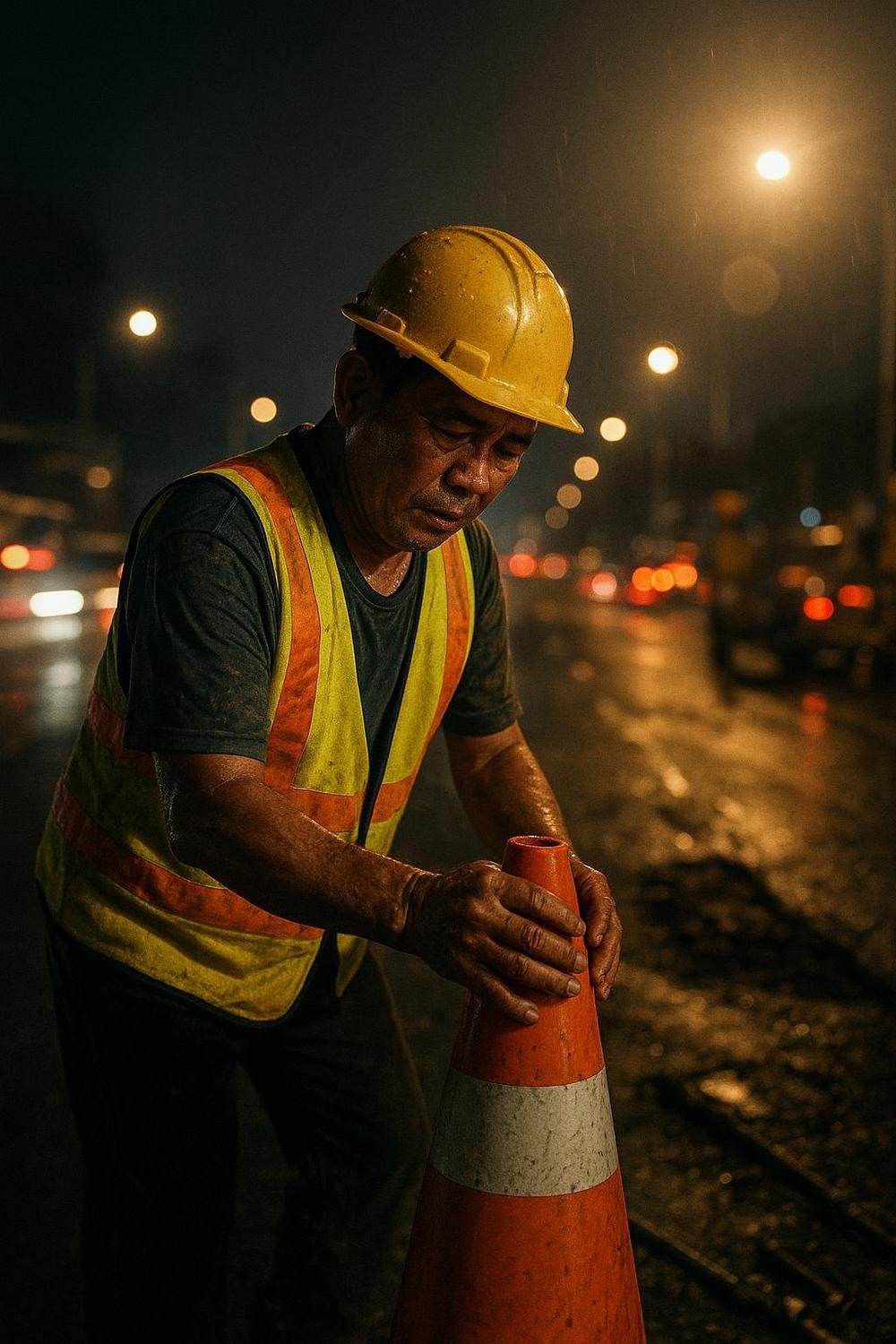
The Department of Public Works and Highways (DPWH) has announced the start of a major rehabilitation project on Epifanio de los Santos Avenue (EDSA), scheduled to begin on Christmas Eve, December 24, 2025. This comprehensive effort aims to address the deteriorating pavement and infrastructure along Metro Manila’s busiest thoroughfare and is set to run intensively over an initial phase spanning the holiday season, with the entire program expected to last approximately eight months. While officials emphasize accelerated work during the season’s traditionally lighter traffic as a strategy to minimize disruption, concerns about potential holiday gridlock have prompted calls for close monitoring of impacts on commuters and commerce.
EDSA Rehabilitation to Start Amid Holiday Traffic
DPWH Secretary Vince Dizon publicly announced the project’s start date on December 17, confirming that the rehabilitation of EDSA will commence at either 11:00 p.m. or midnight on December 24, depending on final operational scheduling. The initial phase will involve round-the-clock work, continuing through the Christmas and New Year period, with an intensive work window lasting until the early hours of January 5, 2026.
“We will be working 24/7 on Edsa during the Christmas and New Year holiday,” Secretary Dizon stated, underlining the department’s commitment to accelerate progress while attempting to contain disruptions.
Scope and Schedule of the Rehabilitation
The DPWH describes the undertaking as a comprehensive rehabilitation aimed at fixing the avenue’s increasingly damaged pavement and related infrastructure, which have long been sources of persistent traffic bottlenecks and safety risks. The project is designed to improve surface durability and road capacity through concentrated and continuous efforts.
The entire rehabilitation program is projected to last about eight months, with the initial phase focused on critical sections of the road that are in the worst condition or vital to traffic flow. According to DPWH, this priority targeting will enable faster, more effective results while containing the extent of lane closures at any given time.
Rationale Behind Holiday Timing
Officials justify commencing works on Christmas Eve by citing historically lower traffic volumes during the holiday season, which they argue allows for more efficient and sustained work with fewer peak-hour disruptions.
This approach also involves 24/7 operations during the holiday window to accelerate construction output, a method intended to compress the overall timeline and reduce the total period during which traffic and commuters will face interruptions.
Concerns Over Traffic and Commuter Impact
Despite official assurances, the decision to undertake major roadworks during a period usually associated with increased holiday travel has raised some public apprehension. Commuters and transport groups have voiced worries that lane closures and construction zones could worsen congestion on a route already infamous for traffic jams, especially with the anticipated return trips and holiday errands.
Since definitive traffic management and rerouting plans have yet to be fully disclosed, stakeholders are calling for transparency and thorough coordination among agencies to mitigate potential gridlock.
Traffic Management and Stakeholder Roles
The Metropolitan Manila Development Authority (MMDA) and local city traffic offices along the EDSA corridor will play key roles in implementing detours, enforcing lane closures, and communicating updates to motorists and commuters. However, detailed plans from these bodies have not yet been publicly shared, keeping many operational specifics pending.
Public transport operators—including bus consortiums and MRT feeder services—may need to adjust routes or schedules in response to phased works, an area requiring coordination to maintain essential services.
Economic and Emergency Service Implications
Beyond commuter impact, businesses reliant on freight transport along EDSA could face delays or logistical challenges during lane restrictions. The rehabilitation’s effects on deliveries, supply chains, and holiday retail activity will require careful monitoring.
Additionally, ensuring uninterrupted access for emergency vehicles remains a critical concern to be addressed rigorously throughout the project duration.
Outstanding Information and Monitoring Needs
Several key details remain to be clarified including the precise work start time, the full list of critical sections slated for immediate attention, lane closure maps, the identity of contractors, project cost, and comprehensive traffic management strategies.
Calls for public dashboards or frequent reporting updates have been made to enhance accountability, especially given the accelerated holiday schedule and 24/7 work approach, which pose heightened risks for possible safety incidents or public inconvenience.
Looking Ahead
With the rehabilitation set to begin in less than two weeks, the coming days will be crucial for authorities to finalize operational details, communicate effectively with the public, and coordinate among agencies and stakeholders. The success of the project—both in terms of engineering outcomes and maintaining manageable traffic flow—will depend on the balance achieved between rapid construction and minimizing disruption to Manila’s densely networked transportation ecosystem.
The DPWH’s assertion that holiday timing reduces disruption will undergo stringent real-world testing as commuters and businesses navigate the impacts. Independent evaluations by traffic experts and ongoing feedback from affected communities will play an important role in shaping future rehabilitation projects across the metro area.