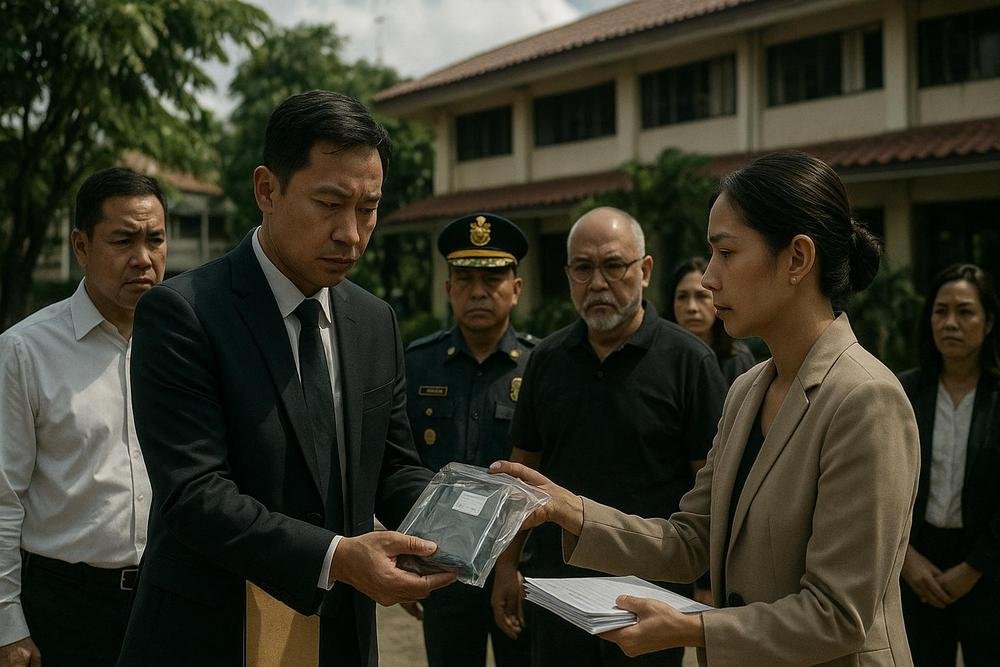
The Department of Public Works and Highways (DPWH) has formally surrendered all computers, digital storage devices, and relevant documents from the late Undersecretary Maria Catalina “Cathy” Cabral’s office to the Office of the Ombudsman. This key development, completed on December 23, 2025, marks a critical step in a growing investigation into alleged irregularities involving flood control and infrastructure projects across the Philippines.
DPWH Complies with Ombudsman’s Subpoena to Facilitate Investigation
The DPWH’s release of computers, electronic equipment, and all files from Cabral’s office came in compliance with a subpoena duces tecum issued by the Ombudsman late last week. These materials are now under the custody of the Ombudsman and will undergo a forensic examination conducted by the Philippine National Police Anti-Cybercrime Group (PNP-ACG). Investigators aim to determine if any data was altered, deleted, or tampered with following the public revelation of the so-called “Flood Control Scandal.”
“DPWH will promptly transfer all data storage devices, granting the authority to submit them for forensic examination by the PNP-ACG, along with all documents and files related to late former undersecretary Catalina Cabral,” a DPWH statement confirmed.
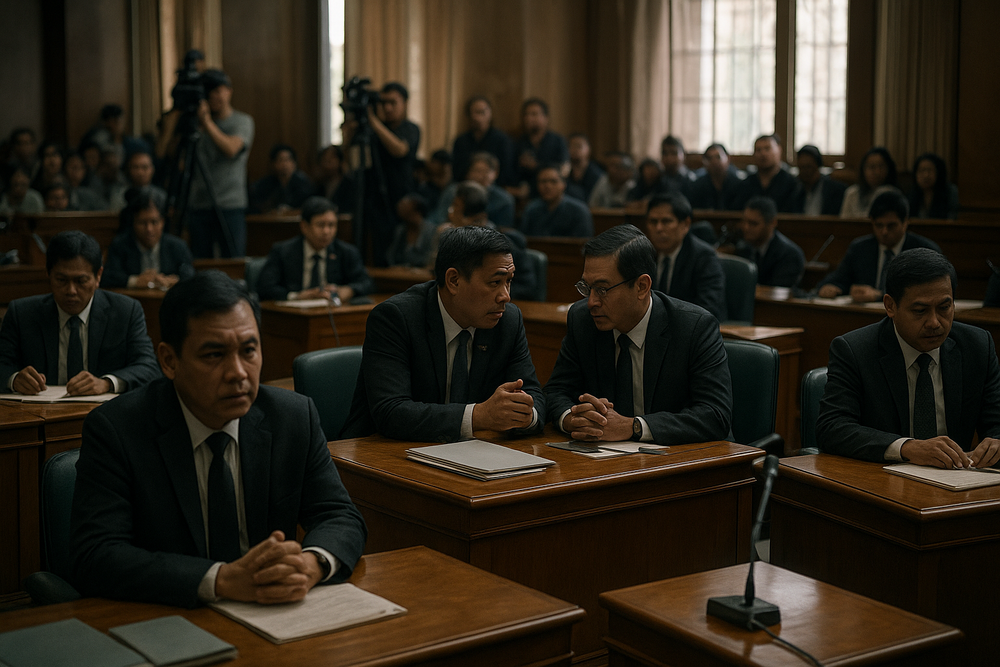
Ombudsman Steps Up Inquiry Amid Growing Concerns
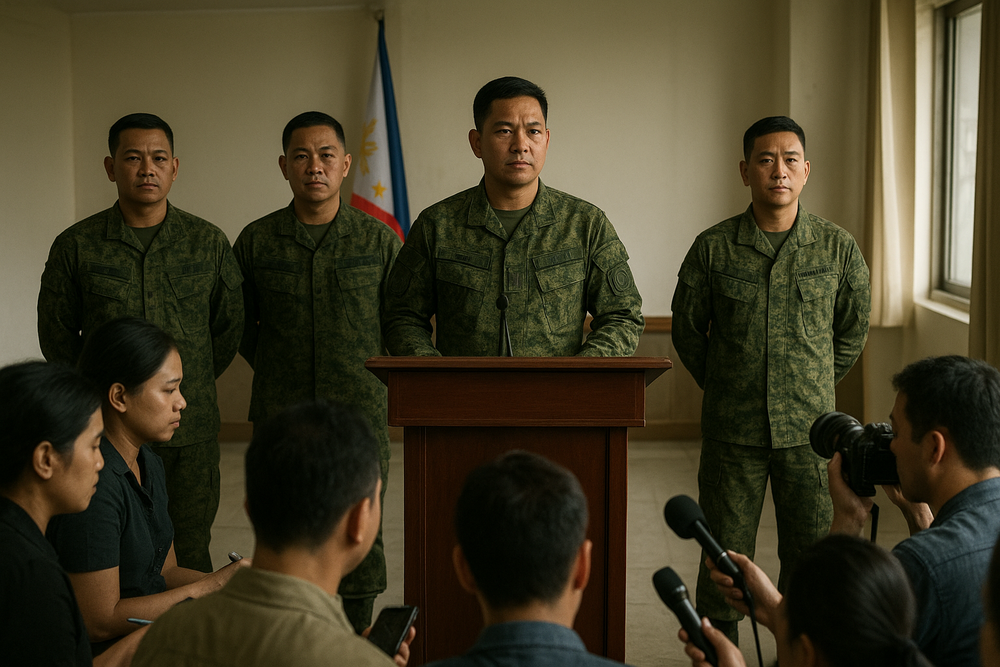
Ombudsman spokesperson Mico Clavano emphasized the importance of forensic integrity in the probe: “Upon turnover, these devices will be subjected to forensic examination by a law enforcement agency to determine whether any data was altered, deleted, or tampered with after the Flood Control Scandal was first made public.”
The investigation centers on suspected irregularities in flood control projects and potential budget insertions linked to the 2026 national budget. While the magnitude of alleged anomalies is reported to involve “billions of pesos,” official quantifications have yet to be established by the DPWH, the Ombudsman, or the Commission on Audit.
From Tragedy to Investigation: A Timeline of Events
- Prior to December 18, 2025: Cabral was reportedly linked to questionable flood control projects. The Independent Commission for Infrastructure (ICI) had already issued a subpoena to her office days before her death.
- December 18, 2025: Cabral was found unconscious near Kennon Road in Tuba, Benguet, after instructing her driver to leave her there.
- December 19, 2025: She was pronounced dead shortly after midnight following a fall into a ravine; authorities are investigating possible suicide.
- December 22, 2025: The Ombudsman issued subpoena duces tecum to the DPWH for Cabral’s computers and related devices; a minority bloc in the House of Representatives filed a resolution seeking a probe into her death and associated anomalies.
- December 23, 2025: DPWH complied with the subpoena and surrendered all demanded materials to the Ombudsman.
Wide-Ranging Implications for Philippine Infrastructure
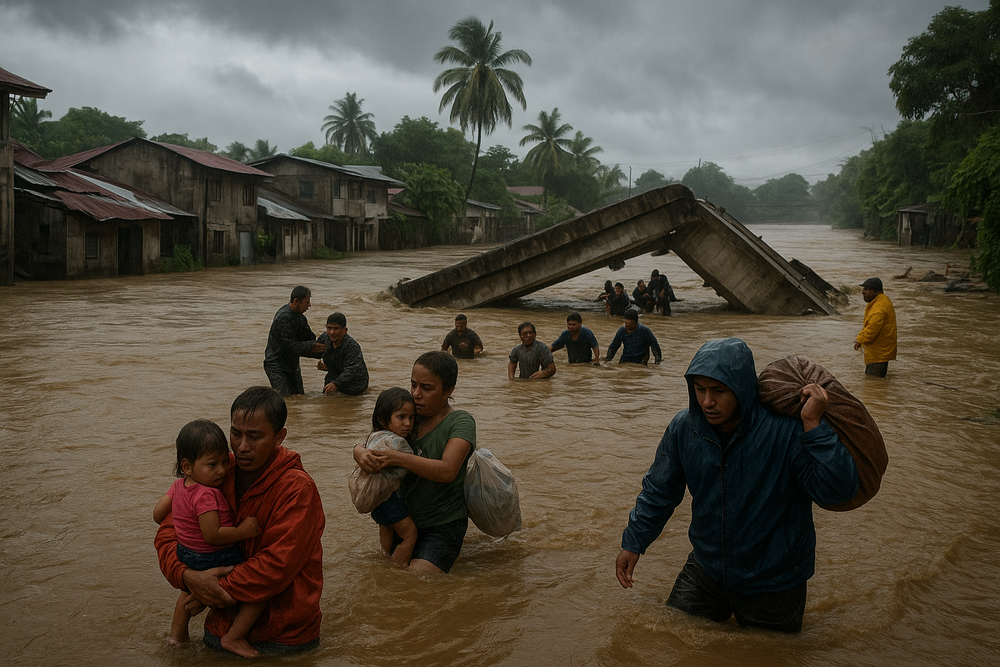
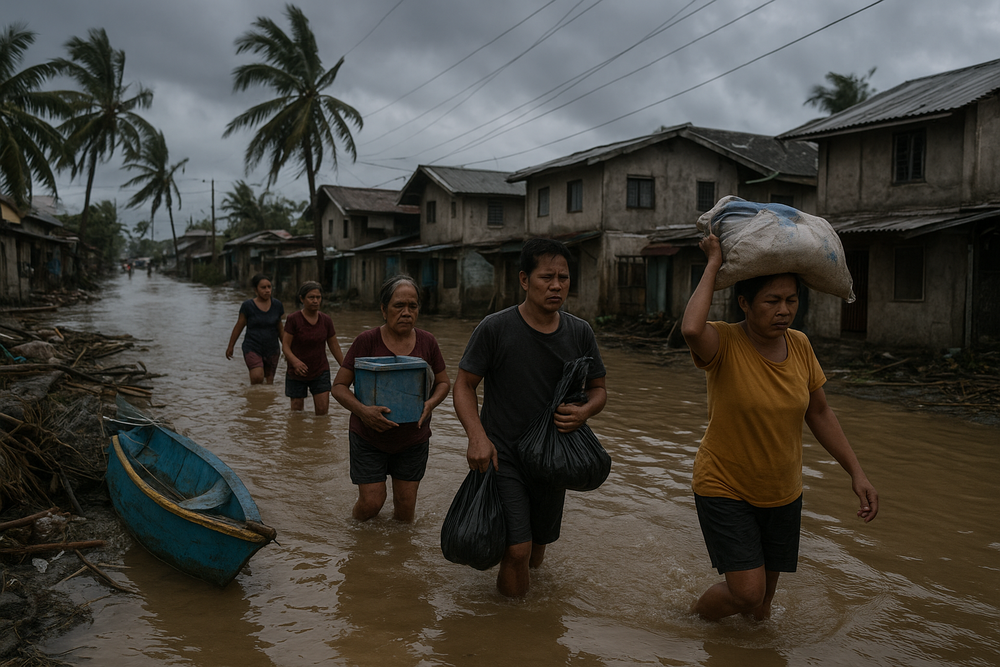
The DPWH holds a vast mandate that spans the entire archipelago, making the investigation’s outcome critical not only for Metro Manila but also for numerous flood-prone provinces across the country. The possibility of misallocated funds or embedded irregularities in flood control efforts raises serious concerns about the safety and well-being of everyday Filipinos — particularly those in vulnerable communities whose homes and livelihoods depend on effective water management.
Anomalous budget insertions may inflate project costs and delay essential works, creating a ripple effect akin to a house built on shifting sands. Public trust in government infrastructure programs will hinge on the thoroughness and transparency of this investigation.
Stakeholders and Diverse Perspectives
- DPWH: Maintains full cooperation, reiterating that Cabral operated with departmental approval and denying knowledge of “ghost” or substandard projects. The department asserts its commitment to transparency and ongoing assistance.
- Ombudsman: Focuses on ensuring forensic examination is conducted with integrity and without prejudice to the scope of the inquiry.
- Minority Lawmakers: Call for a deeper congressional probe, flagging concerns about delays in legal processes such as cyber warrants and demanding full public disclosure of related documents.
- Rep. Leandro Leviste: Advocates for immediate public release of documents to illuminate the full extent of irregularities and identify responsible parties, arguing against indefinite withholding of critical information.
Legal Framework Guiding the Investigation
The subpoena duces tecum issued by the Ombudsman ensures the preservation and collection of evidence, conforming with the mandates under the Ombudsman Act (Republic Act No. 6770). Cyber warrants, referenced by minority lawmakers as necessary for legal digital evidence seizure, appeared delayed in their application, raising procedural concerns.
The PNP-ACG, authorized by the DPWH, carries out forensic protocols in alignment with evidence preservation and data privacy laws, safeguarding the chain of custody as investigators sift through digital footprints.
Looking Ahead: A Call for Accountability and Transparency
The death of Undersecretary Cabral has cast a somber shadow over this investigation, but the public’s demand for clarity and accountability has grown louder. The DPWH’s swift compliance marks a positive step toward revealing the truth, yet much remains to be uncovered.
Senate President Pro Tempore Panfilo Lacson highlighted institutional cooperation: “That said, I have always instructed my staff to consolidate and turn over whatever documents I have, whether from usec Cabral or any other sources, to the ICI, ombudsman or DOJ… as we have been consistently doing.”
As forensic teams delve into Cabral’s digital archives, the lesson for government and citizens alike is clear: the foundations of good governance rest on transparency — especially when the nation’s critical infrastructure and the welfare of its people hang in the balance.