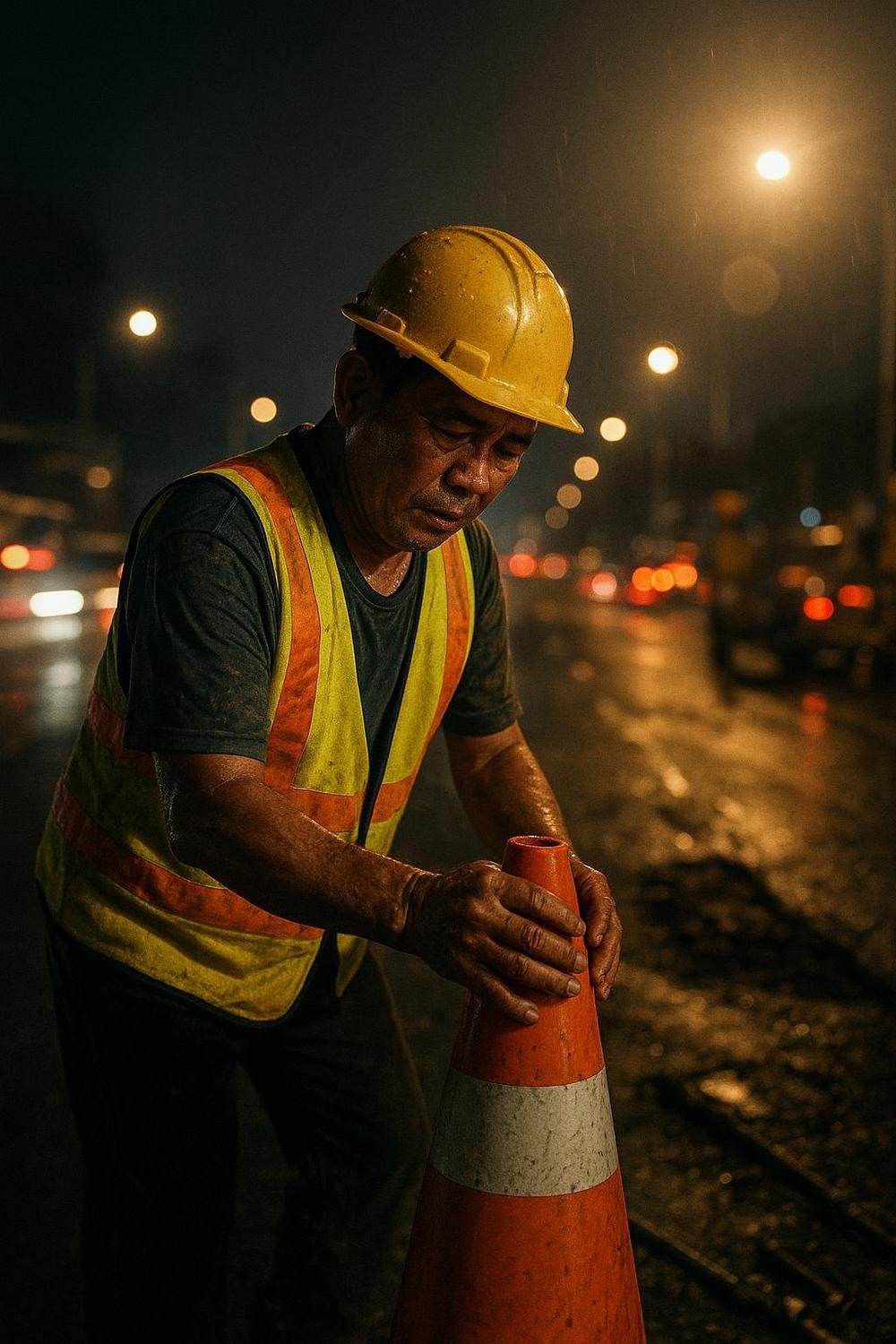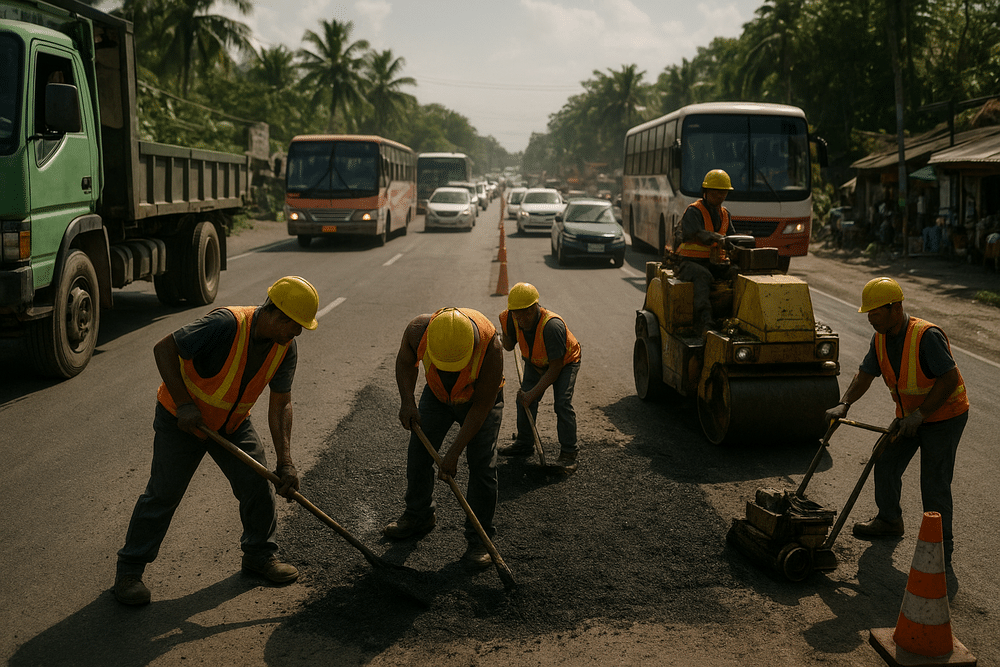
With the Holy Week exodus just days away, government engineers are racing against time to clear and repair long-damaged stretches of the Maharlika Highway, the country’s main land corridor linking Luzon, Visayas and Mindanao. The Department of Public Works and Highways (DPWH) has ordered all ongoing reblocking and roadworks completed before March 29, when millions of Filipinos are expected to head to their provinces.
DPWH Secretary Vince Dizon has directed field offices to ensure that both lanes remain open from Quezon and Bicol down to Samar and Leyte, and that no new sections of pavement be broken if repairs cannot be finished before the holiday rush. “There should be no obstructions or ongoing construction,” Dizon said in a recent briefing. “That’s why there’s a rush to finish everything now. We have instructed that all work must be completed before Holy Week 2026.”
A Backbone Under Strain
The urgency reflects the scale of the highway’s role. The Maharlika Highway serves as the country’s primary transport spine, carrying more than one million Filipinos daily. Cargo trucks, passenger buses, public utility vehicles and private cars depend on its continuity to keep goods and people moving between regions.
Yet by the DPWH’s own assessment, roughly 30 percent of the road is damaged. In some affected stretches, motorists are forced into stop-and-go movement at speeds as low as 5 kilometers per hour, navigating uneven surfaces and partially blocked lanes.
“Malakihang pag-aayos ang kailangan dito. Hindi natin magagawa in months,” Dizon said in mid-March. “Alam niyo naman ang Maharlika Highway, mahigit isang milyon na kababayan ang nadaan diyan araw-araw. Yan ang ating backbone.”
The metaphor is apt. When the backbone stiffens, the body slows. In towns across Quezon, Bicol, Samar and Leyte, delays on the highway ripple through local economies—slowing deliveries to sari-sari stores, increasing fuel consumption for drivers, and cutting into time families would otherwise spend together.
Racing the Calendar
Holy Week in 2026 runs from March 29 to April 5, traditionally one of the busiest travel periods of the year. The DPWH began ramping up inspections in February. On February 1 and 2, Dizon inspected the stretch from Northern Samar to the San Juanico Bridge. On March 9, he returned to Samar, emphasizing that the highway must be passable end to end.
“The Maharlika needs to be completed before Holy Week – from Quezon, Bicol, Samar to Leyte,” he said on March 10 in Tacloban City, where he instructed engineers to keep both lanes open and to avoid starting works that would not be completed before the surge of vehicles.
The secretary acknowledged longstanding frustrations over delayed and poorly executed road repairs. “’Yung mga reblocking na tinatawag nila, notorious diyan, na minsan taon ang binibilang bago matapos ’yan at di naaayos nang tama. Minamadali natin na lahat ng current reblocking works… Kailangan matapos bago mag-Semana Santa. Two weeks away. ’Yan po ang pinipilit natin.”
Early Gains, Persistent Gaps
Some improvements are already visible. Following recent repairs, travel time from Northern Samar to Tacloban City has been reduced to about five hours, down from seven, according to DPWH inspections conducted in early March.
Ongoing reblocking projects in Samar—covering towns such as Motiong, Jiabong, Paranas, Pinabacdao and Santa Rita—are funded under the 2024 regular budget with a total allocation of ₱332.54 million. Crews are focusing on asphalt overlay, drainage works and patching of deteriorated segments.
Still, these are largely temporary measures aimed at ensuring road passability during peak travel. Officials concede that the broader structural issues cannot be fully resolved before the holiday.
Temporary Fixes Now, Full Rehabilitation Later
DPWH plans to initiate procurement and bidding for a more extensive rehabilitation program after Holy Week. The agency has signaled that it will seek larger contractors equipped with advanced technology and foreign consultants to avoid repeating cycles of patchwork repairs.
The effort aligns with directives to fast-track improvements on critical infrastructure corridors, including the Maharlika Highway, under the current national road program.
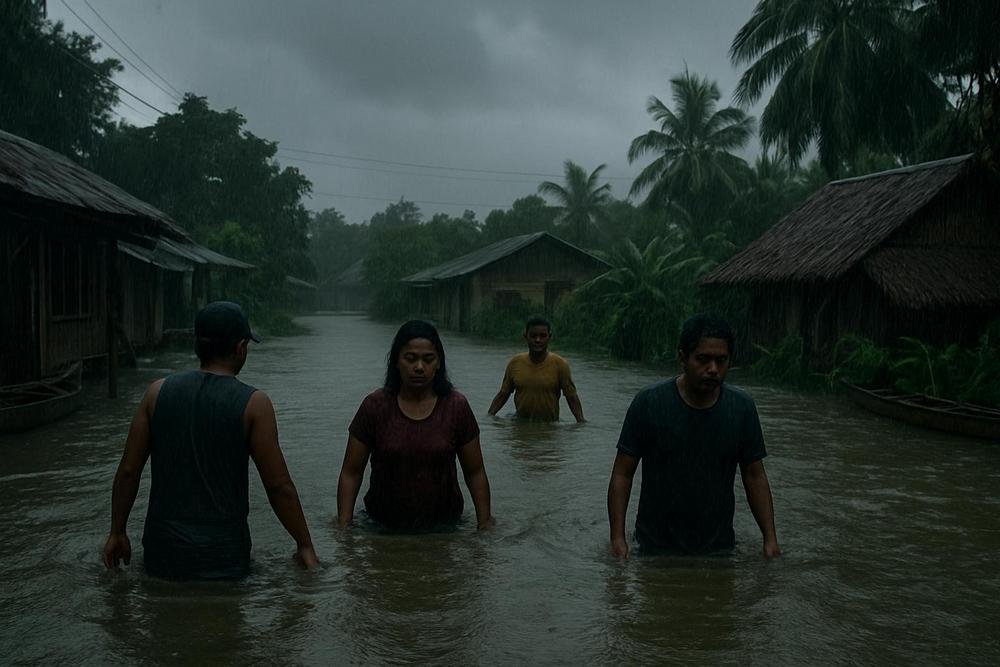
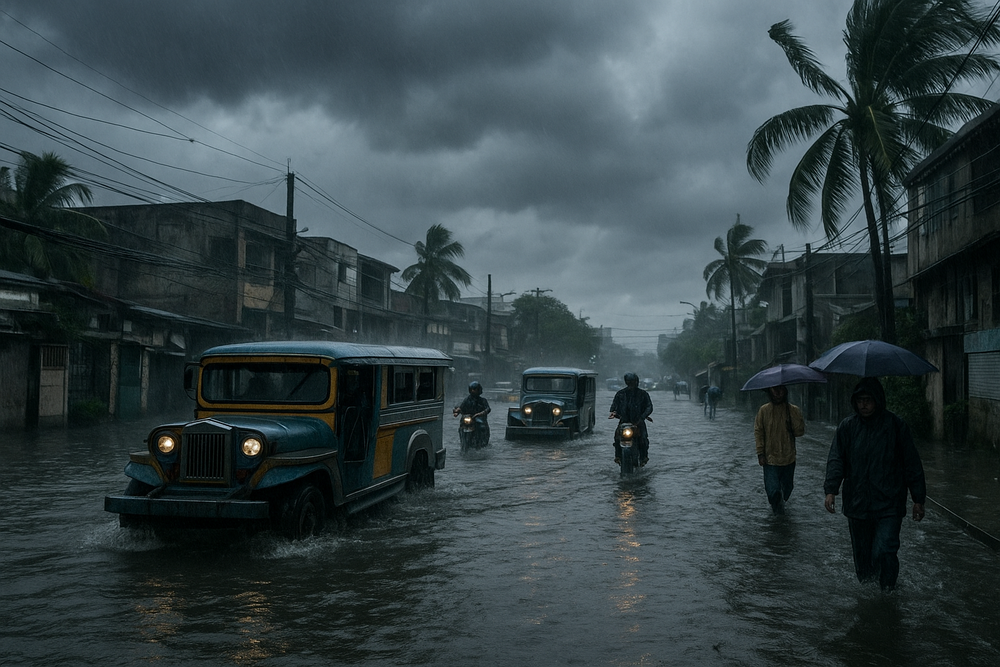
For now, the mission is clear: clear the lanes, smooth the worst stretches, and prevent traffic bottlenecks that could strand thousands along flood-prone and uneven sections of road.
Impact on Ordinary Travelers
For the families who will soon journey home, even modest improvements matter. A reduction of two hours on a long provincial drive can mean arriving before nightfall, saving on fuel, and avoiding mechanical strain caused by uneven pavement. For public utility vehicle operators, fewer chokepoints translate into more predictable schedules and lower maintenance costs.
But the long queues and crawling sections at 5 km/h are reminders of how fragile the corridor remains.
With just days before the first wave of Holy Week travelers heads south and east, engineers are working against a deadline defined not by policy but by tradition. The Maharlika Highway, the country’s transport backbone, must hold.