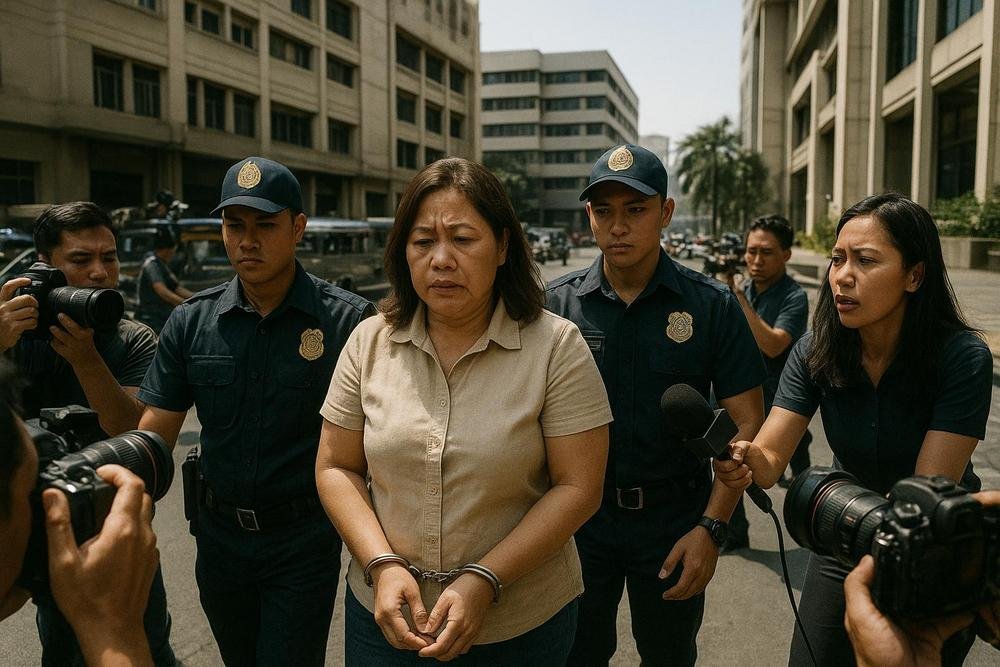
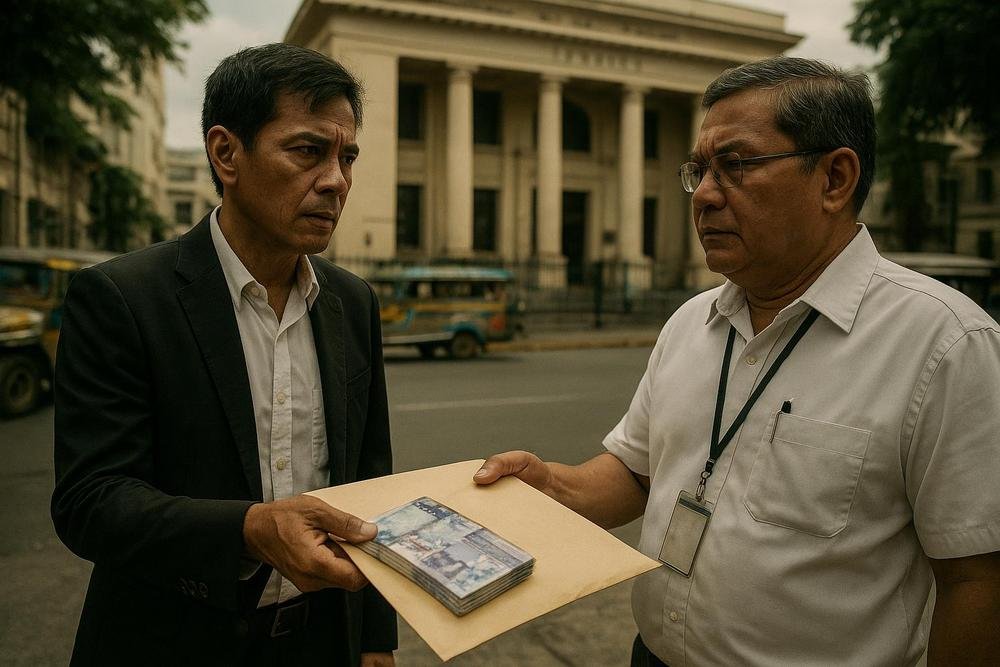
The Department of Public Works and Highways (DPWH) has launched a nationwide recruitment drive aimed at bringing in fresh university graduates to replace corrupt officials and restore credibility to one of the Philippines’ most scrutinised agencies. Through a series of job fairs that began in January 2026, the department is looking to fill more than 2,000 positions for engineers, architects and accountants, signalling what officials describe as a systemic reform effort.
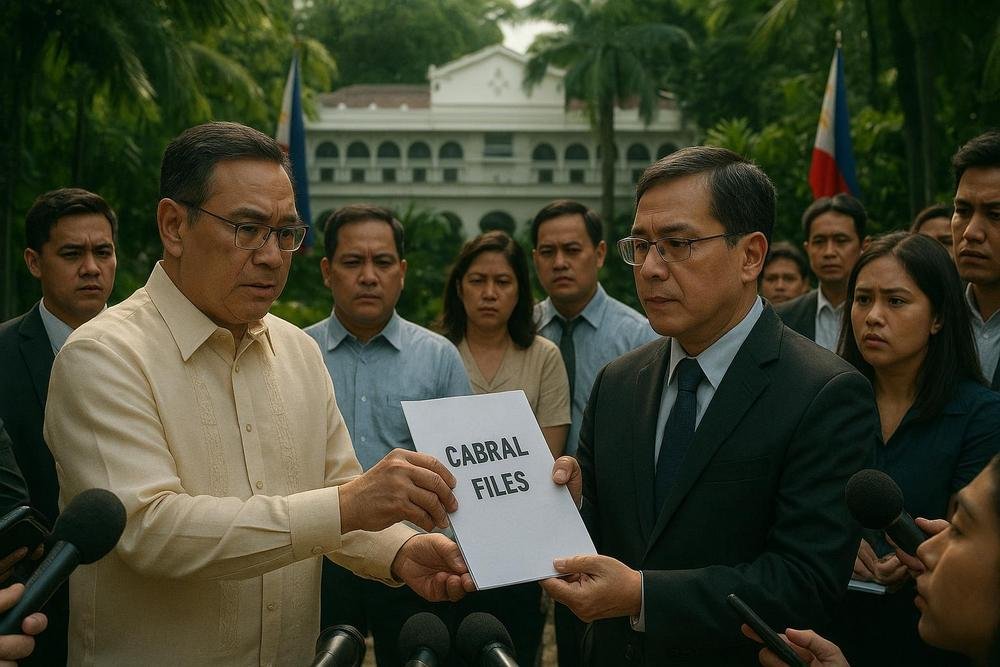
Speaking at a media conference on Friday, DPWH Secretary Vince Dizon acknowledged the agency’s long-standing integrity issues and framed the hiring push as both a practical and symbolic reset.
“Kailangan repormahin na ang ahensya kasi dekada na ’yan eh. Ilang taon na ’yang binibilang nating kalokohan,” Mr Dizon said. (“We need to reform the agency because it has been decades. We’ve counted years of corruption.”)
A Recruitment Drive as Reform Strategy
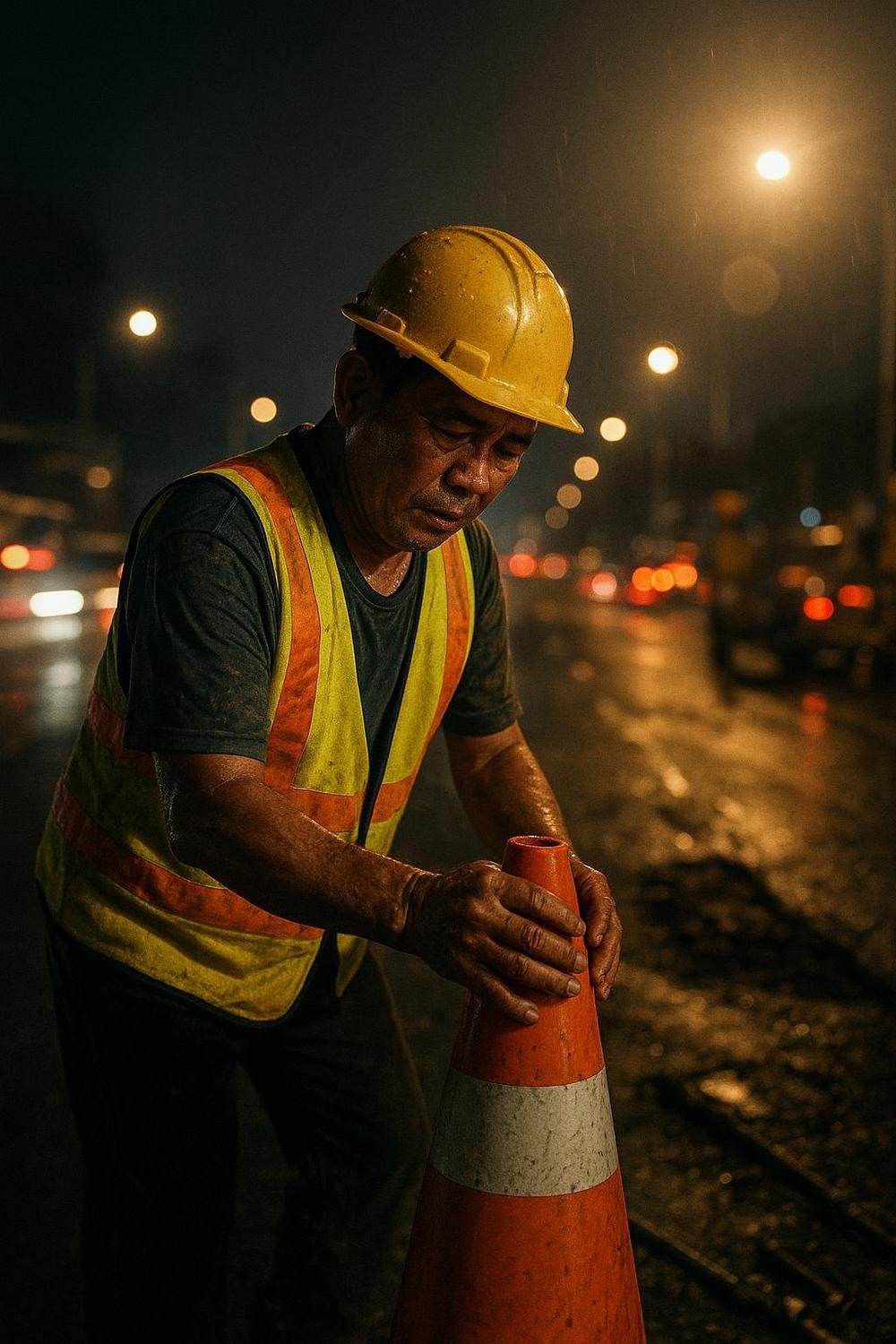
The initiative targets fresh graduates and graduating students in technical and financial fields critical to infrastructure development. The DPWH’s core mandate remains the construction and maintenance of roads and bridges across the archipelago — arteries that carry daily commuters, agricultural goods and emergency services.
“Ang trabaho ng DPWH ay magayos ng kalye, gumawa ng bagong kalye, magayos ng tulay, gumawa ng bagong tulay. Yan ang trabaho ng DPWH. Di trabaho ng DPWH na mag-imbestiga at mag-file ng kaso,” Mr Dizon said. (“The job of DPWH is to fix roads, create new roads, fix bridges, and make new bridges. That is the job of DPWH. The job of DPWH isn’t investigating and filing cases.”)
Instead of pursuing investigations internally, the department said it would continue cooperating with the Office of the Ombudsman, Department of Justice, National Bureau of Investigation and the Philippine National Police by providing documents and evidence for case-building.
Strong Turnout from Universities
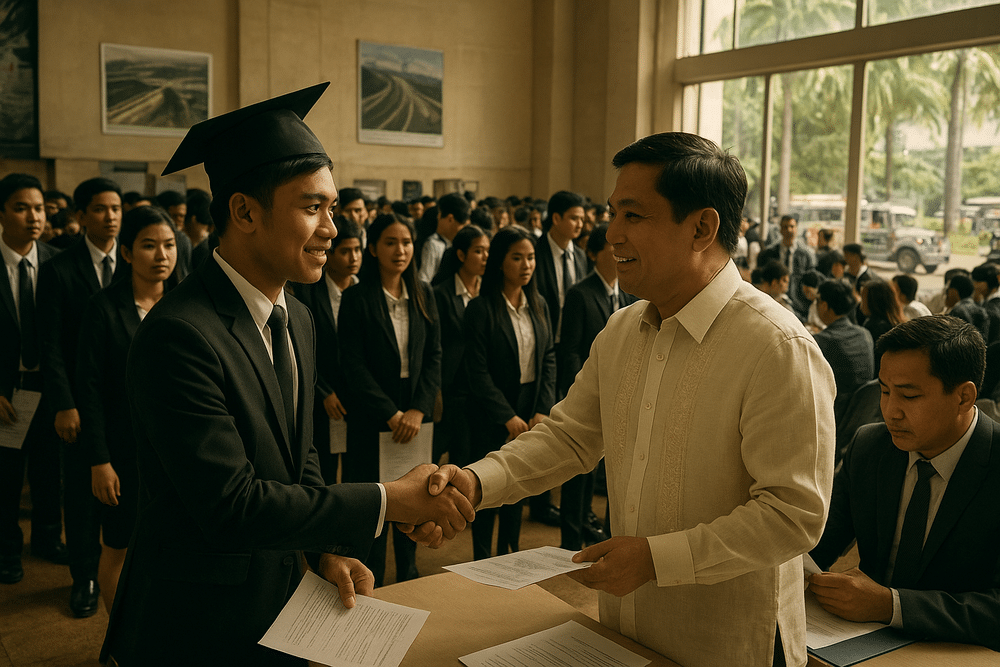
The scale of student interest suggests both optimism and urgency among young professionals. At a job fair held on Thursday at Mapúa University, the DPWH recorded 700 applications. Similar events on Friday at De La Salle University, Batangas State University and the Polytechnic University of the Philippines drew up to 500 applicants each.
Notably, 2026 marks the first time the department has extended these job fairs beyond Metro Manila, opening opportunities to students in regional institutions and accelerating hiring for provincial offices.
Mr Dizon said he was encouraged by the response, despite the agency’s damaged public standing.
“Nakakatuwa naman po na sa kawalan ng tiwala sa DPWH, yung sense of patriotism at sense of gusto mag-participate ng mga kabataan ngayon ay nandiyan pa rin kahit napakasama na ng reputasyon at halos walang tiwala sa DPWH. Gusto pa rin tumulong ng mga kabataan,” he said. (“It’s heartening that despite lack of trust in DPWH, the sense of patriotism and eagerness of today’s youth to participate is still there even with the very bad reputation and almost no trust in DPWH. The youth still want to help.”)
More Than Jobs at Stake
Beyond institutional reform, the hiring campaign offers stable government employment at a time when youth unemployment remains a pressing concern. For engineering, architecture and accounting graduates, public service provides not only job security but an opportunity to shape infrastructure that directly influences daily life.
Well-maintained roads reduce transport costs and travel times. Safe bridges prevent disruptions to trade and emergency access. Efficient project management can mitigate flooding and lower commodity prices by ensuring smoother logistics. In both urban centres such as Metro Manila and rural provinces, effective public works determine the rhythm of daily commerce and mobility.
If successful, the overhaul could function like reinforcing a weakened foundation: new personnel would not simply fill vacancies but strengthen internal controls and technical expertise, potentially reducing opportunities for graft in infrastructure projects.
Balancing Accountability and Mandate
While the DPWH has stopped short of announcing internal investigative mechanisms, it emphasised its role in supporting ongoing probes led by independent authorities. Officials maintained that rebuilding competence and integrity from within is key to regaining public trust.
The approach reflects a dual strategy — pursue accountability through existing legal bodies while simultaneously renewing the agency’s workforce. By focusing recruitment on early-career professionals, the department appears intent on reshaping its culture over the long term.
A Test of Public Confidence
For an agency long associated with allegations of corruption, the job fairs represent a visible attempt at course correction. Filling 2,000 vacancies nationwide will not by itself erase decades of controversy. But the strong turnout, particularly outside the capital, indicates a generation willing to engage rather than disengage.
Whether this recruitment wave can translate into measurable improvements in project delivery and public trust remains to be seen. For now, the department is betting that reform begins not only with investigations, but with the next engineer inspecting a bridge, the next architect designing a safer roadway, and the next accountant guarding the public purse.