The Philippine government faces an unprecedented crisis as the “Cabral Files,” documents linked to the late Department of Public Works and Highways (DPWH) Undersecretary Maria Catalina Cabral, unveil a sprawling scheme involving billions of pesos in fraudulent flood control projects nationwide. The scandal, exposing at least 421 validated “ghost” projects out of 8,000 inspected, has ignited forensic investigations into Cabral’s mysterious death, escalated legislative scrutiny over the 2025 national budget, and challenged the administration’s narrative of infrastructure progress.
Ghost Projects Haunt Nationwide Flood Control Efforts
Authorities have confirmed a staggering ₱30 billion portion of the 2025 flood control budget was allocated to projects later deemed fictional or incomplete. These so-called ghost projects range from minor revetments to multi-million-peso road dikes scattered across Regions I to IX, severely undermining flood mitigation efforts in vulnerable provinces such as Bulacan, Central Luzon, and Davao Occidental.
Among the most notorious figures in the controversy are contractors repeatedly implicated in the scheme, including Wawao Builders, which secured contracts worth close to ₱9 billion in areas like Calumpit and Hagonoy. Another contractor, awarded a ₱289 million road dike project, is also under investigation for alleged malversations and graft.
Cabral’s Death Spurs Forensic and Digital Investigations
The scandal intensified markedly after the death of Undersecretary Maria Catalina Cabral on December 18, 2025. Found at the bottom of a ravine near an overpriced rock-netting project site, Cabral died from blunt force trauma consistent with a feet-first fall from approximately 16.9 meters, according to PNP forensic groups. Autopsy results disclosed the presence of antidepressants in her system, but authorities thus far have ruled out foul play.
Police and digital forensics teams are meticulously examining Cabral’s electronic devices for additional evidence amidst ongoing probes by the DPWH, Independent Commission for Infrastructure (ICI), the Ombudsman, and other justice agencies. The investigation follows the handover of 95 boxes of documents related to 28 ghost projects, a trove that has become central to unmasking the corruption’s network.
Legislative Firestorm Over 2025 Infrastructure Budget
In Congress, revelations stemming from the “Cabral Files” have destabilized the legislative foundation of the ₱500 billion-plus infrastructure agenda outlined in President Marcos’ 2025 State of the Nation Address. Opposition lawmakers, including Batangas Representative Leandro Leviste, have publicly disclosed leaked pages from the files, escalating calls for transparency and accountability.
Meanwhile, Representative Terry Ridon has threatened formal ethics complaints, demanding congressional investigations into implicated officials and contractors. The Senate Blue Ribbon Committee is actively probing 60 potential ghost flood control projects, some flagged directly from data provided by the President’s office, raising concerns over kickback schemes purportedly reaching up to 40 percent of project values.
Government Reacts: Inspections, Recoveries, and Reforms
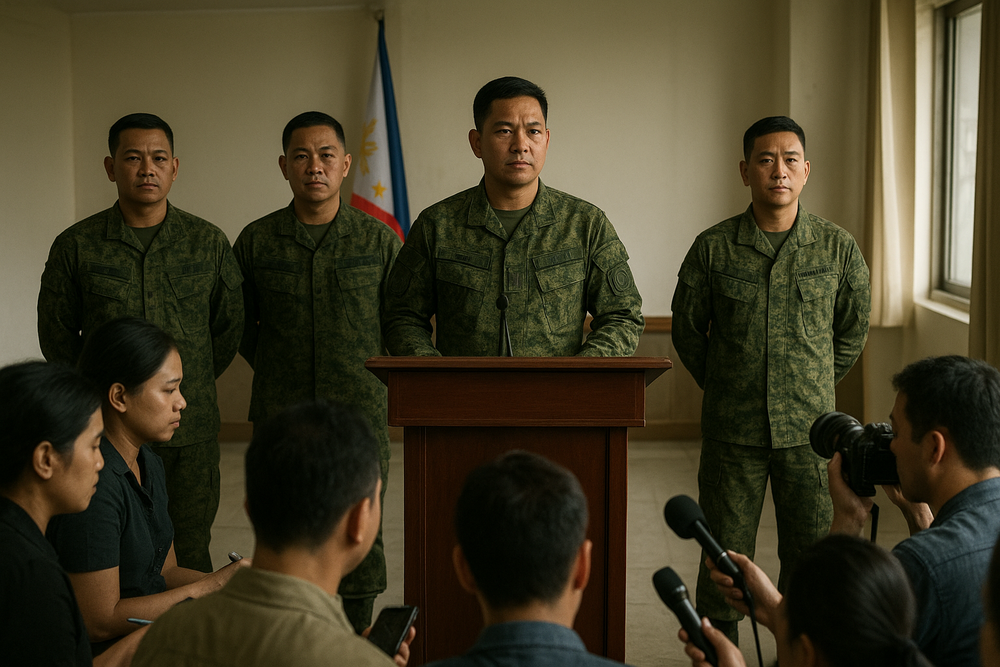
The administration has sought to reassert control, emphasizing its commitment to purification. DPWH Secretary Vince Dizon reported the uncovering of 421 ghost projects during inspections, with the ICI recommending charges against numerous officials, including high-ranking DPWH personnel and contractors. The Office of the Ombudsman has already filed graft and malversation charges based on these findings, underscoring the legal repercussions faced by those involved.
President Marcos has designated a prioritized list of 15 contractors central to the scandal, pledging that only flood control projects meeting stringent compliance—including proper proposals and local government unit clearances—will proceed with allocations exceeding ₱300 billion. However, critics argue these measures arrive too late for communities heaving under persistent floods exacerbated by the failed infrastructure.
Communities Bear the Brunt of Corruption
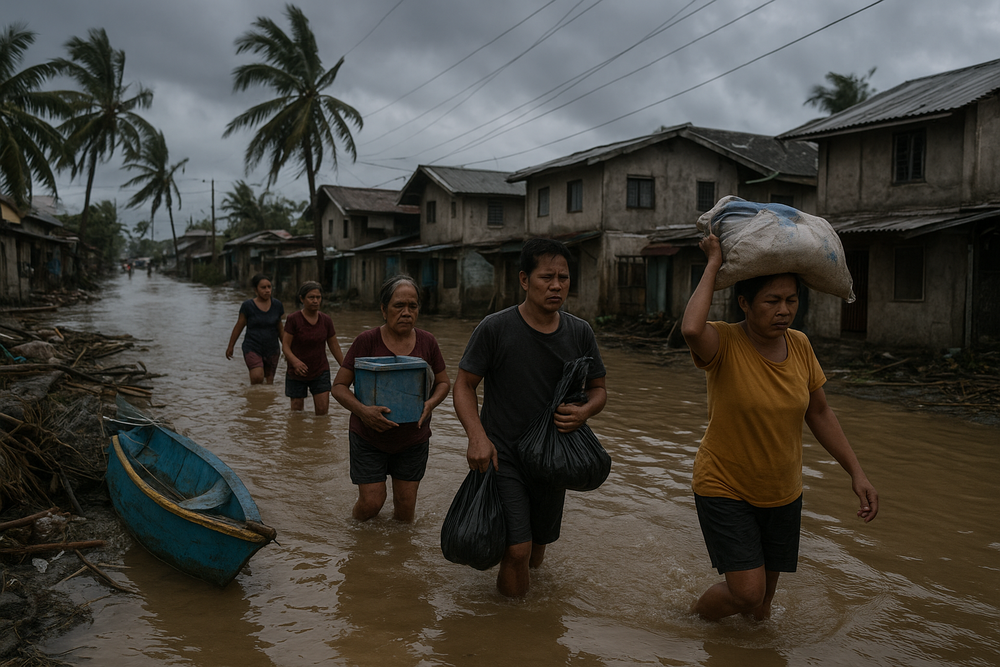
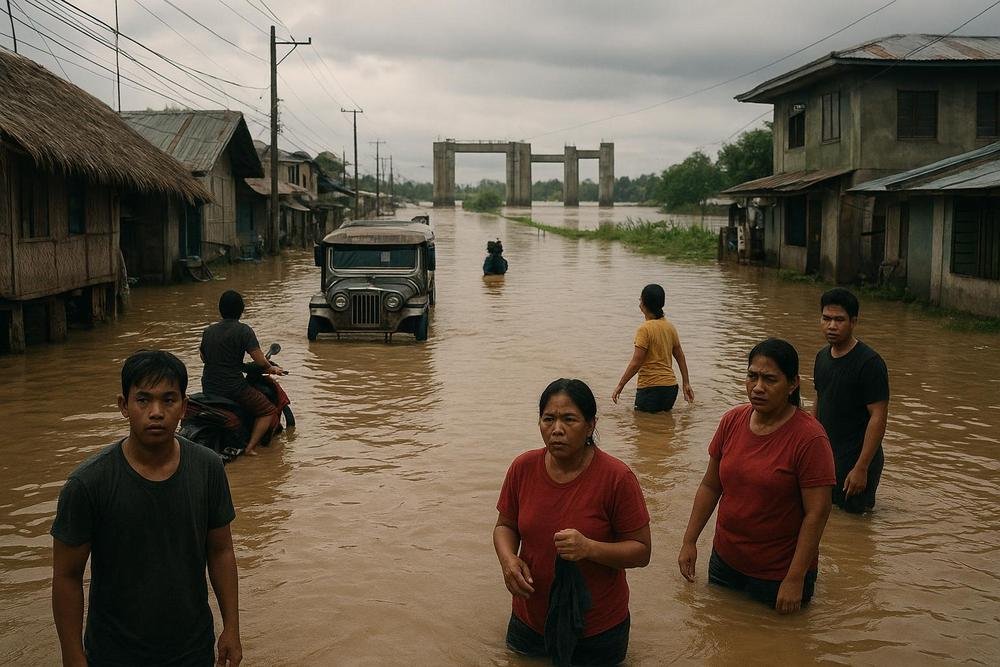
The ramifications of these ghost projects extend far beyond ledger books and courtrooms. Residents in provinces like Hagonoy, Plaridel, and Central Luzon endure chronic flooding, aggravated by incomplete or nonexistent flood control infrastructure. Farmers face submerged farmlands, commuters battle flooded roads, and local economies strain under disrupted supply chains — a tangible manifestation of squandered billions meant to protect livelihoods and promote resilience against intensifying typhoons.
Legal representatives defending certain projects, such as the concrete revetment in Barangay Culaman, deny ghost project allegations, branding themselves as “collateral damage” amid the sweeping scandal. Yet, the widespread pattern suggests a deep-seated infrastructure of corruption undermining national efforts to adapt to climate challenges.
Tracing the Web of Corruption
- 421 ghost flood control projects confirmed out of 8,000 reviewed nationwide.
- Affected projects span multiple regions, including Bulacan, Davao Occidental, and Central Luzon.
- Contracts worth billions awarded to a handful of controversial construction firms.
- Multiple graft and malversation cases filed against officials and contractors.
- Forensic examinations into Cabral’s death suggest accident; investigations ongoing.
- Senate and independent commissions actively pursuing accountability and fund recovery.
The Road Ahead: Healing an Infrastructure Crisis
The “Cabral Files” reveal the Philippines’ infrastructure sector at a crossroads, caught between ambitious modernization and ominous corruption. As forensic scientists sift through digital evidence and lawmakers wrestle with budgetary uncertainty, the nation’s flood-prone populations await meaningful change.
Ensuring transparency and reform will require sustained political will and rigorous oversight to dismantle entrenched graft networks. Only then can flood control projects fulfill their promise—not as phantom endeavors on paper—but as lifelines shielding communities battered by nature’s wrath.