Only 14 of the 421 flood control projects initially flagged as “ghosts” by the Department of Public Works and Highways actually do not exist, the Department of Justice (DOJ) confirmed on Monday, in a revelation that both narrows and sharpens one of the Philippines’ largest public works scandals in recent years.
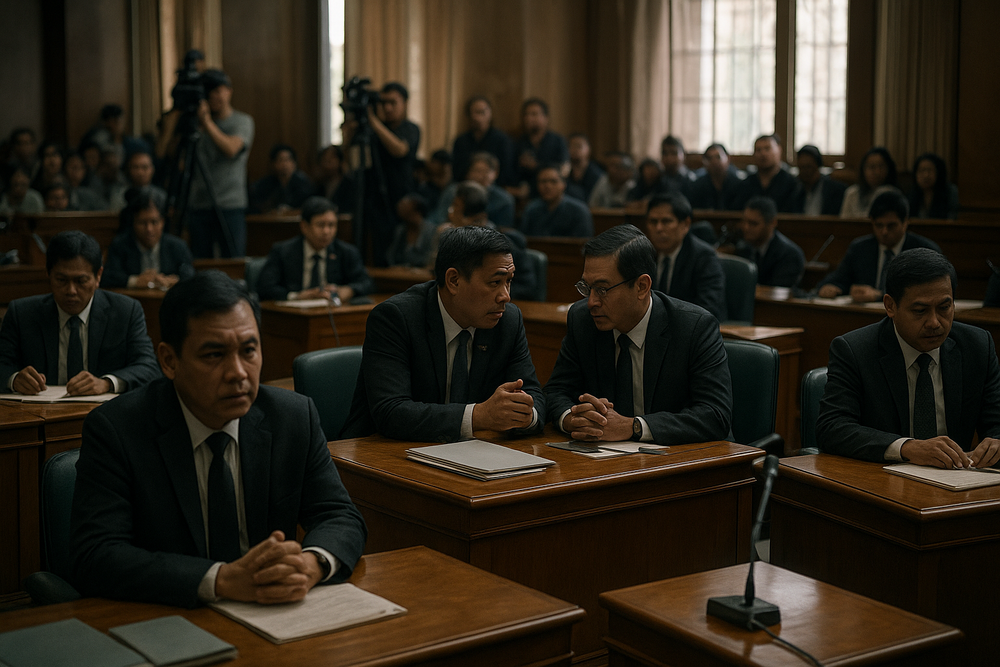
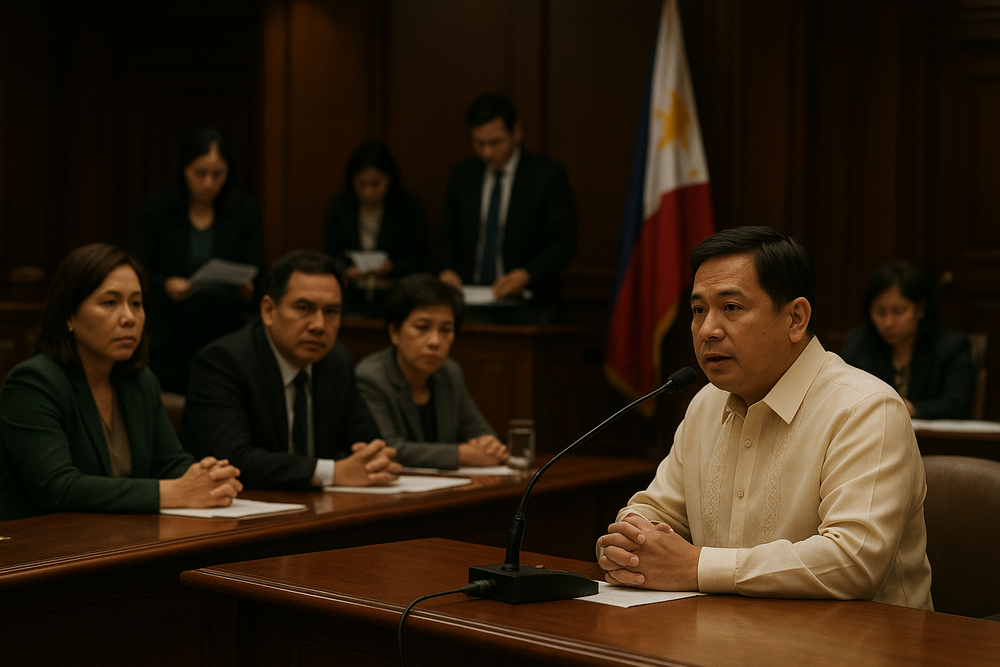
The finding, disclosed during a Senate Blue Ribbon Committee hearing, marks a significant recalibration of a controversy that has hovered over nearly ₱500 billion in flood control spending nationwide. While the number of confirmed non-existent projects is far smaller than first feared, the DOJ said the cases already under review involve serious criminal allegations, including graft and malversation of public funds.
A Smaller Number, but High Stakes
Acting Justice Secretary Fredderick Vida told senators that of the 421 projects reported by DPWH as potentially non-existent, investigators were convinced only 14 qualified as ghost projects after months of document reviews, field validation, and witness accounts.
“Sa iba pang 421 projects, hindi pa kami kumbinsido na ghost projects sila at patuloy kaming nagkakalap ng iba’t ibang ebidensya,” Vida said, explaining that most projects appeared to exist, at least partially, or required further validation.
Of the 14 confirmed ghost projects, two cases have already been filed before the Sandiganbayan, the anti-graft court, while 12 remain under preliminary investigation. The projects are linked to contractors including SYMS Construction Trading, Waowao Construction Trading, and Topnotch Catalyst Builders.
From 8,000 Projects to 14 Confirmed Ghosts
The controversy began in late 2025, when DPWH reported that 421 out of roughly 8,000 flood control projects nationwide could not be physically located, triggering public outrage and a Senate inquiry. Initial claims suggested a vast network of phantom infrastructure swallowing billions of pesos, particularly in flood-prone provinces.
As the DOJ’s investigation progressed, however, prosecutors grew cautious. Vida urged DPWH to refine its data, noting that inaccurate coordinates, overlapping project descriptions, and documentation errors had inflated the list.
“If I may suggest, sana ang DPWH ay maglabas ng datos kung alin ang hindi ghost projects para ma-limit ang universe,” Vida told lawmakers, arguing that a narrowed scope would allow prosecutors to focus on cases with solid evidence.
Contractors and High-Value Projects Under Scrutiny
Despite the reduced number, the projects under investigation involve large sums and politically sensitive areas, particularly in Bulacan, one of Central Luzon’s most flood-prone provinces.
Among the cases is a ₱92.8 million flood control project in Pandi, Bulacan, for which ₱76 million was reportedly disbursed despite the project’s non-existence. The Office of the Ombudsman has already filed graft and malversation charges over this case, which carries non-bailable penalties under Philippine law.
Other projects under scrutiny include:
- ₱96.5 million in Lapu-Lapu City, Cebu
- ₱96.499 million and ₱98.999 million river works along the Bocaue River, linked to Topnotch Catalyst Builders
Waowao Construction Trading, meanwhile, is reported to have secured nearly ₱9 billion in flood control contracts, while Topnotch Catalyst Builders ranked among the top contractors receiving almost 20% of the flood control budget between 2022 and 2025.
Senate Probe: Evidence Over Politics
Senate President Pro-Tempore Panfilo “Ping” Lacson, chair of the Blue Ribbon Committee, defended the inquiry against critics who questioned its scale after the DOJ’s clarification.
“We always go where the evidence leads us,” Lacson said during the hearing, stressing that the investigation was aimed at uncovering systemic failures such as bid rigging and kickbacks, rather than singling out individuals.
Lacson has repeatedly described Bulacan as a “gateway” province where entrenched practices in infrastructure spending could be observed in microcosm, potentially reflecting broader national patterns.
Auditors and Investigators Flag Criminal Violations
The Commission on Audit has separately flagged multiple flood control projects for possible violations of the Revised Penal Code and the Government Procurement Reform Act, citing falsified documents, padded costs, and irregular procurement methods.
Affidavits submitted by the National Bureau of Investigation, including testimony from former DPWH officials, have bolstered prosecutors’ case build-up. The DOJ said these materials formed the backbone of the two cases already filed in court.
Why the Issue Still Matters on the Ground
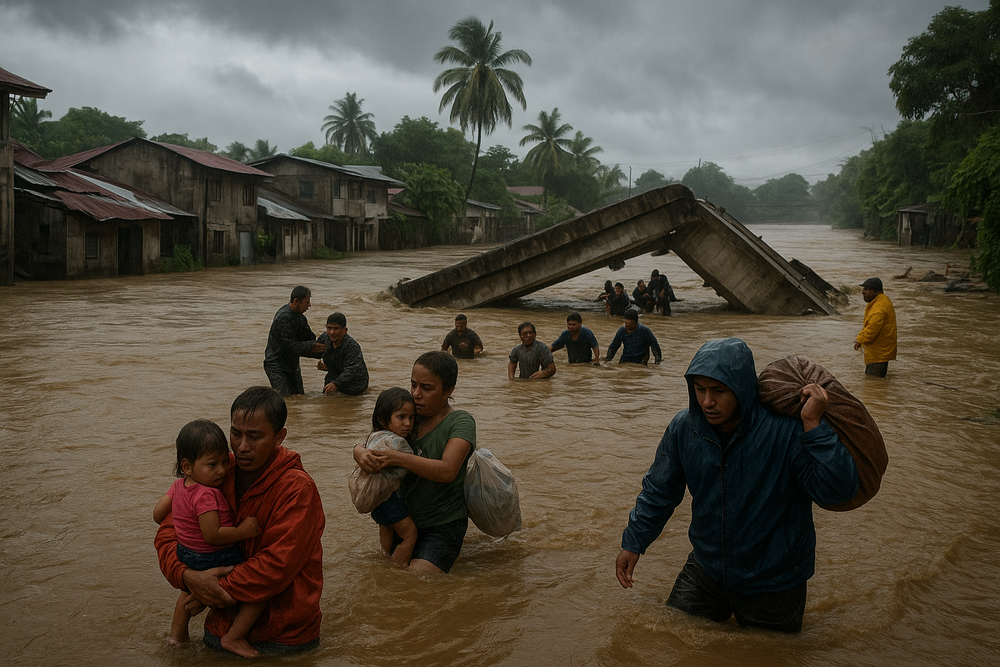
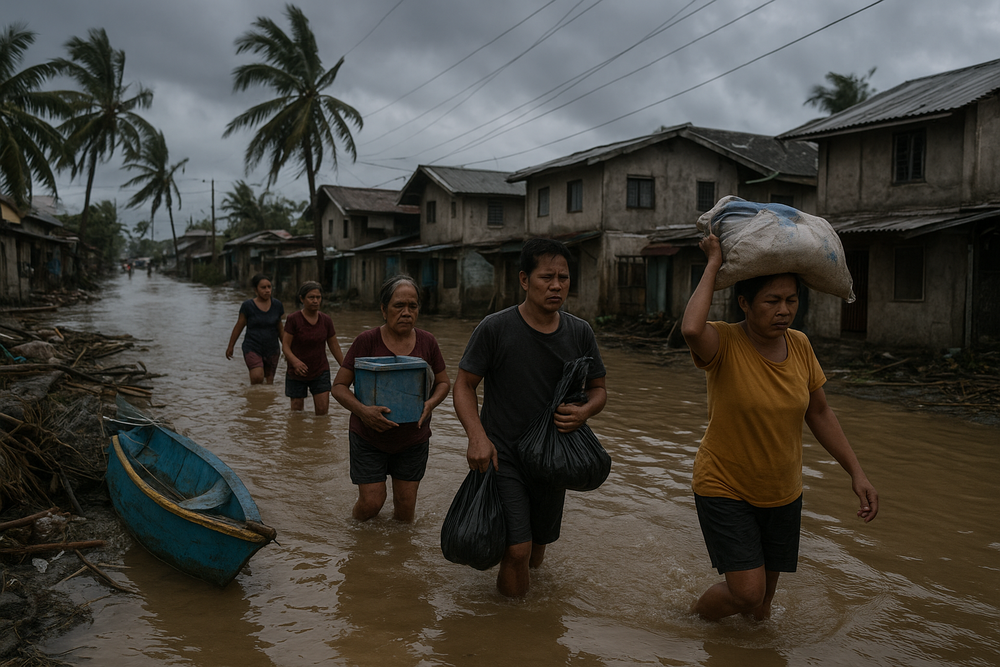
For communities living in low-lying barangays, the debate over numbers offers little comfort. In provinces such as Bulacan, Calumpit, and Hagonoy, absent or substandard flood control structures translate directly into evacuations, crop losses, and weeks without work during typhoon season.
Flood control projects, when they exist only on paper, function like imaginary levees—reassuring in theory, useless in a storm. Roads that should drain quickly remain submerged, delaying commuters and driving up food prices as supply routes are disrupted.
A Narrower Focus, but an Unfinished Reckoning
The DOJ’s confirmation that only 14 projects are proven ghosts reframes the scandal but does not diminish its gravity. Each confirmed case represents public money allegedly taken for infrastructure that was never built, in a country repeatedly battered by floods.
With 12 investigations still ongoing and auditors continuing to review hundreds of other projects, prosecutors say accountability remains the goal—even as the universe of suspects and projects shrinks.
As the Senate inquiry proceeds, one question lingers: whether the exposure of 14 ghost projects will mark the end of a chapter, or merely the first clear accounting in a much larger story of how flood control funds were spent—and misspent—over the past decade.