The Philippine Department of Foreign Affairs (DFA) has warned Filipinos against accepting overseas job offers that may conceal recruitment into foreign armed forces, citing the risk of criminal liability, loss of citizenship and grave personal danger. The advisory, issued on February 11, follows reports of Filipinos caught up in the war between Russia and Ukraine, including one killed and another captured after allegedly being recruited under the guise of civilian employment.
The DFA said that some job offers advertised as logistics or other civilian roles may in fact lead to deployment in active conflict zones. “Recruitment into foreign armed forces, whether directly or indirectly, may violate Philippine laws and lead to loss of citizenship,” the department stated in its advisory.
Disguised Roles, Real Combat
The government’s warning comes after authorities confirmed that a Filipino from Alcala, Pangasinan was captured by Ukrainian forces while fighting for Russia. According to the DFA, he had reportedly been recruited for what was described as a logistics job. His name does not appear in the databases of the Department of Migrant Workers (DMW) or the Overseas Workers Welfare Administration (OWWA), raising concerns about how he was able to leave the country undetected.
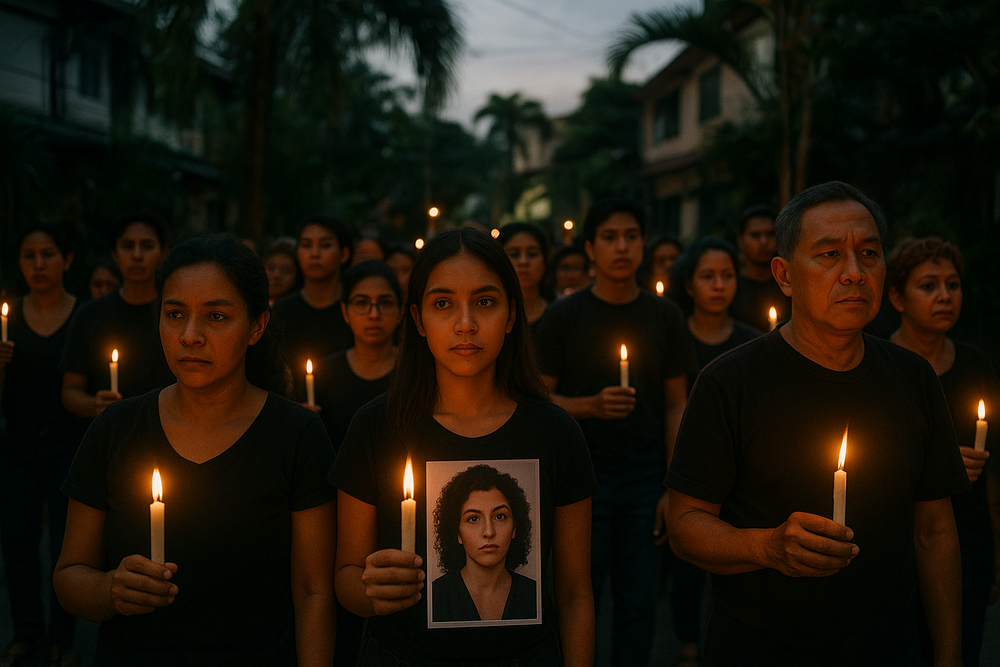
In a separate case, a Filipino was reported killed in the same conflict, prompting renewed scrutiny from Philippine authorities.
The DFA warned that involvement in foreign wars carries consequences far beyond the battlefield. “The involvement in foreign military conflicts places Filipinos in severe peril and may lead to serious legal repercussions,” it said.
Legal Consequences and Loss of Protection
While the advisory does not cite specific statutes, it underscores that joining foreign armed forces can breach Philippine law. The most severe consequence may include the loss of Philippine citizenship, a penalty that effectively severs a citizen’s legal ties to the country.
Beyond citizenship issues, Filipinos who leave the country outside formal overseas employment channels may also forfeit government protection. Because the captured individual was not registered with the DMW or OWWA, he would not automatically qualify for the safeguards and assistance typically extended to documented overseas Filipino workers (OFWs).
This gap exposes families to sudden financial shock. In a country where remittances serve as an economic lifeline, the loss of income from a breadwinner can feel like a ship losing its anchor in rough seas.
Call for Vigilance
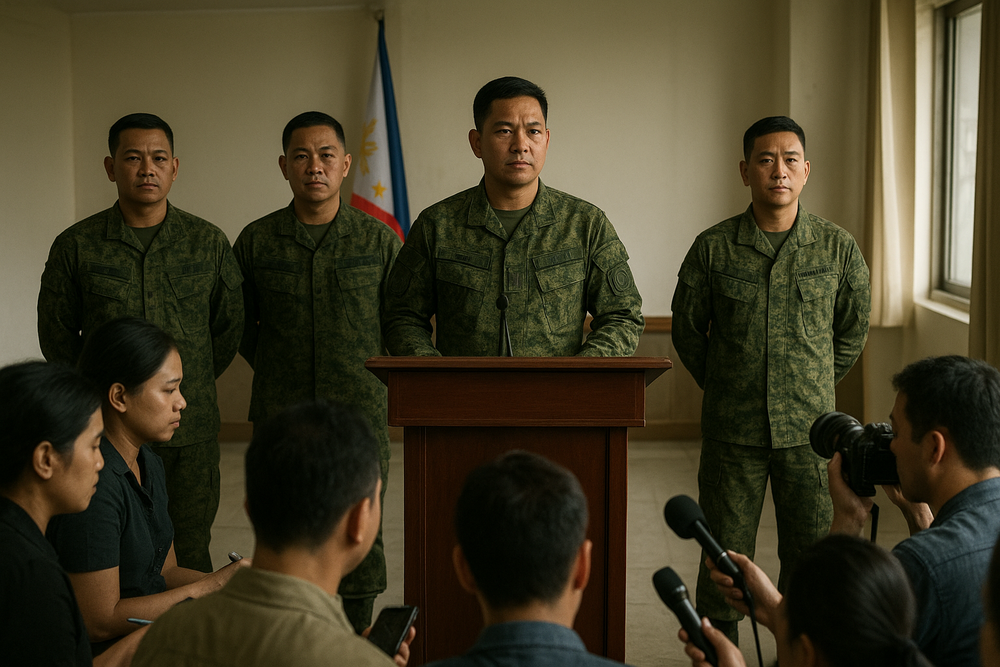
Earlier this month, Armed Forces of the Philippines Public Affairs Spokesman Col. Xerxes Trinidad acknowledged that recruitment of Filipinos for foreign conflicts remains an ongoing concern. He warned of “misleading recruitment” schemes and urged those seeking work abroad to remain alert.
The DFA echoed that call, advising Filipinos to verify overseas job offers directly with the DMW before making commitments. Legitimate overseas employment opportunities typically go through licensed recruitment agencies and government vetting procedures.
Authorities have not released figures on how many Filipinos may have been recruited into foreign armed groups, nor have they disclosed how many may still be in conflict zones.
Protecting Aspiring Overseas Workers
The advisory arrives at a time when many Filipinos continue to look abroad for economic opportunity. With limited domestic job prospects, overseas employment remains a pathway to stability for millions of families.
But officials warned that offers promising high salaries in volatile regions should be treated with caution. Jobs described as “security,” “logistics,” or “technical support” in conflict areas may conceal a combat role.
The DFA’s message is clear: verify first, depart later. Without proper documentation and approval, aspiring workers not only risk their lives but may also face prosecution and permanent legal consequences at home.
As conflicts abroad continue to draw foreign recruits, Philippine authorities say vigilance is essential. For many Filipinos seeking opportunity beyond the archipelago, the line between employment and enlistment may not always be obvious—until it is too late.