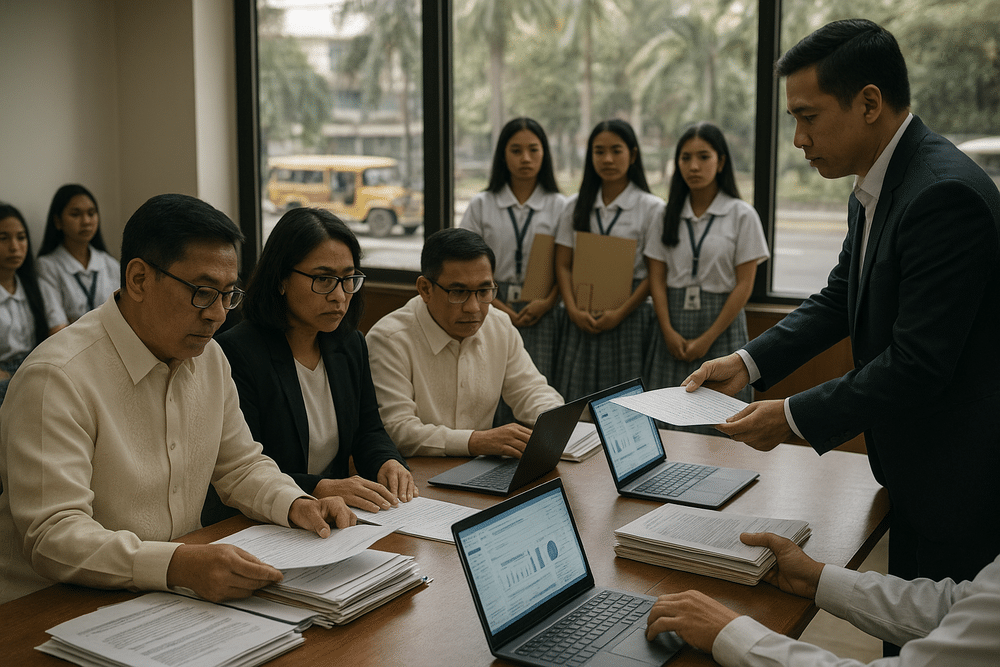
The Department of Education (DepEd) is moving to tighten oversight of its Senior High School (SHS) Voucher Program following audit findings that exposed irregularities ranging from “ghost students” to payments made for ineligible beneficiaries. As applications open for School Year 2025–2026, officials say reforms are underway to safeguard public funds and restore confidence in a program that now supports an estimated 6.7 million students nationwide.
The initiative, designed to help Grade 10 completers enroll in private senior high schools, has long been touted as a cost-effective way to expand access to education and decongest public classrooms. Yet recent scrutiny by the Commission on Audit (COA) and criticism from lawmakers have placed the program under a harsh spotlight.
Audit Flags ‘Ghost Students’ and Ineligible Claims
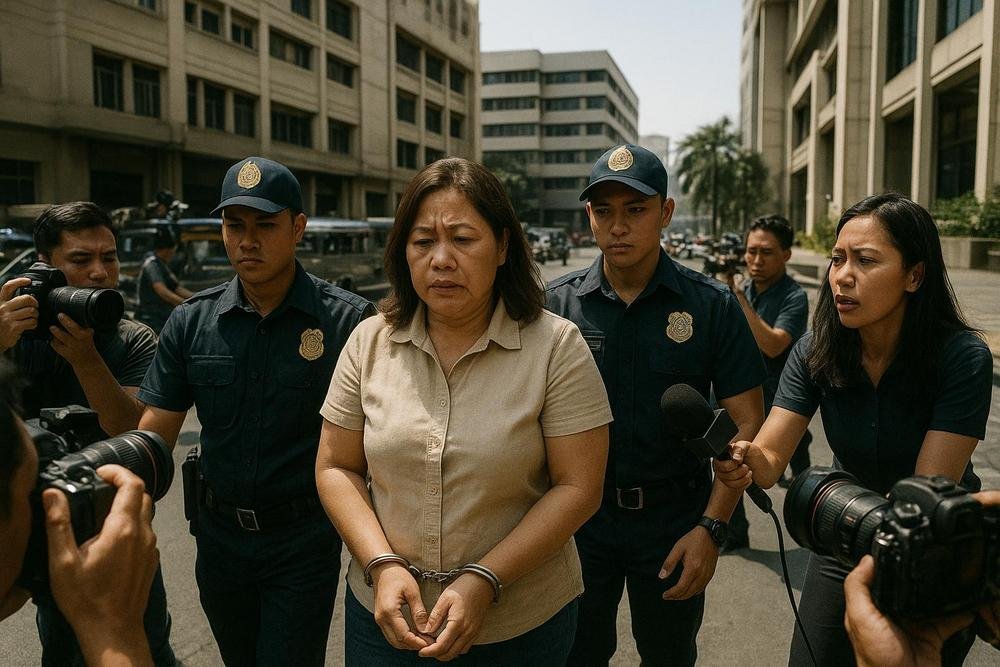
In its review of the program for School Year 2023–2024, the COA identified discrepancies that included payments attributed to so-called “ghost students”, the inclusion of ineligible beneficiaries, and enrolments in higher-cost private schools that raised compliance questions.
These findings prompted renewed scrutiny from the Senate. On January 21, 2026, senators publicly criticized what was described as the “supposed inaction” by DepEd in addressing abuses within the voucher system.
The allegations struck at the core of a program meant to serve students from modest households. For families already stretched by rising living costs, the voucher functions as a financial lifeline. Irregularities do not simply distort paper records; they divert resources from legitimate learners.
DepEd and PEAC Tighten Controls
In response, DepEd and the Private Education Assistance Committee (PEAC), which administers the voucher system, pledged stronger validation and billing controls.
PEAC Executive Director Doris Ferrer underscored the organization’s position: “The [integrity] of the SHS voucher is non-negotiable for us.”
Ferrer detailed reinforced safeguards within the billing process. “We refrain from processing billing documents until schools have been cleared from the prior school year. If issues arise, refunds are mandated. Additionally, sanctions such as suspension or removal from the program may be enforced on schools that violate regulations,” she said.
Under the strengthened controls, voucher recipients are verified through PEAC’s Voucher Management System, cross-referenced against DepEd’s Learner Information System before any payments are released. Schools found non-compliant may face refunds, suspension, or permanent exclusion from the program.
Ferrer emphasized the broader mission: “We are firmly committed to transparency, accountability, and the protection of our learners’ interests. Our mission is to ensure that the voucher program continues to benefit students while maintaining public trust.”
Applications Open for SY 2025–2026
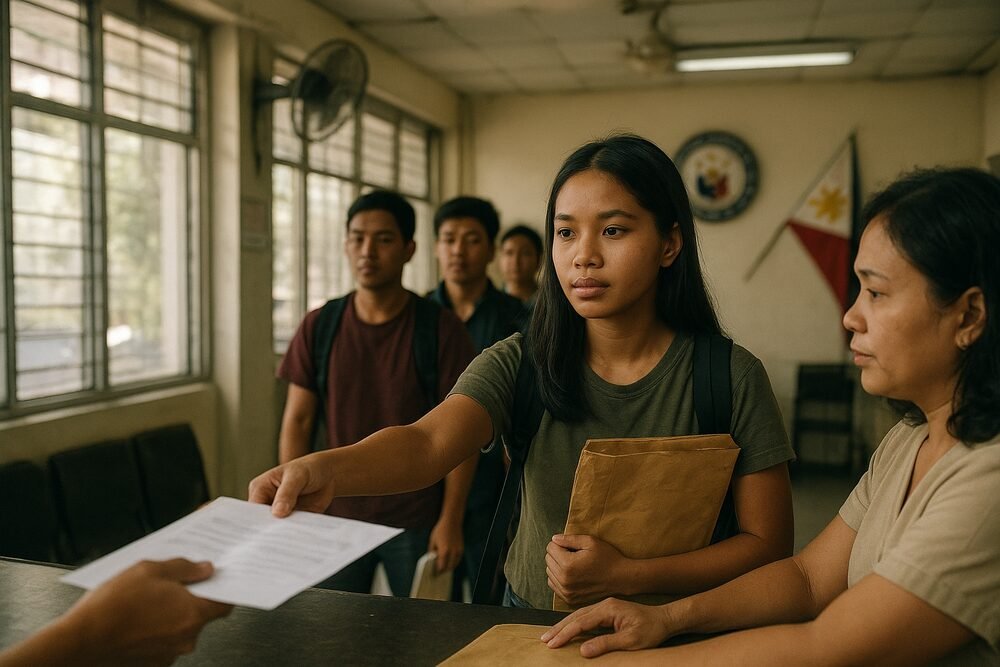
Against this backdrop, DepEd issued Memorandum No. 030, s. 2025 on April 2, 2025, outlining the application and billing timelines for the upcoming academic year. Online applications through the Online Voucher Application Portal (OVAP) ran from April 2 to May 14, 2025.
The application process is free and conducted online. Applicants are required to submit documents such as:
Grade 10 Report Card
PSA-issued Birth Certificate
Recent 2×2 photograph
Signed Data Privacy Notice
Eligibility falls into several categories. Category A covers public junior high school completers and automatically qualifies them for vouchers. Category B includes Education Service Contracting (ESC) grantees from private junior high schools. Other groups—including private school completers, Alternative Learning System passers, and Philippine Educational Placement Test passers—must apply through OVAP and meet specific eligibility baselines.
Students who graduated before 2016, incoming Grade 12 students who were not previously part of the program, and non-Filipino citizens are not eligible.
A Program Rooted in K–12 Reform
The SHS Voucher Program was established under the framework of the Enhanced Basic Education Act of 2013, which institutionalized the K–12 system. The voucher scheme serves as an anchor mechanism—channeling public funds into private institutions to absorb overflow from public schools while expanding access to specialized tracks.
In theory, the arrangement allows the government to stretch limited infrastructure. Instead of building classrooms brick by brick, it rents capacity from private schools, opening doors for students who might otherwise be locked out of senior high education.
The Masa at the Center
For families in rural provinces and underserved regions, the voucher can spell the difference between continuing education and stopping at Grade 10. Covering tuition from Grade 11 to Grade 12, the subsidy helps offset costs that would otherwise be prohibitive.
Yet access to the online portal requires reliable internet connectivity and proper documentation—barriers that persist in geographically isolated areas. The very families the program aims to assist may struggle most with the digital requirements.
As DepEd moves to fortify its controls, the challenge is twofold: eliminate abuse while preserving accessibility. The system must function like a sieve that filters out fraud without straining out deserving students.
Restoring Trust
With millions of beneficiaries and billions in public funds at stake, the SHS Voucher Program occupies a pivotal role in the education sector. Its integrity rests not only on digital cross-checks and compliance audits, but on a transparent accountability chain that reaches from private schools to policymakers.
DepEd and PEAC insist the reforms mark a turning point. Whether the measures will satisfy critics in the Senate—and, more importantly, ensure that subsidies reach legitimate learners—will become clearer as the next school year unfolds.
For now, the department’s message is unequivocal: stricter scrutiny, sharper enforcement, and a renewed commitment to protect the students the program was built to serve.