A vast and punishing winter storm has left much of the United States in crisis, cutting electricity to more than 500,000 homes and businesses and grounding over 11,000 flights in a single day, as snow, ice, and Arctic cold swept from Texas to New England. At least 42 people have died, and governors in more than a dozen states have declared emergencies as refreezing conditions continue to frustrate recovery efforts.
An Ice-Locked Nation
The storm, which intensified rapidly over the weekend, coated roads, power lines, and runways with ice thick enough to snap infrastructure like brittle twigs. At its peak, more than one million customers across eight states lost electricity. By Tuesday morning, over half a million remained in the dark, concentrated mainly in Tennessee, Mississippi, and Louisiana.
In Nashville, the outage struck with particular force. Utility crews restored power to roughly 100,000 customers, but another 135,000 were still without electricity as temperatures hovered well below freezing. Schools were closed for several days, and more than 400 residents sought shelter in warming centres.
Deadly Consequences Beyond the Snow
The human toll extended beyond traffic accidents and exposure. In Tennessee alone, hospitals treated 46 children for carbon monoxide exposure, a grim by-product of people resorting to unsafe heating methods during prolonged blackouts. Local officials also reported two possible storm-related deaths in Nashville, including a 90-year-old woman who fell in the dark during an outage.
Across the country, fatalities were reported from the Northeast to the Plains, underscoring how quickly extreme cold can turn routine disruptions into life-threatening emergencies.
Air Travel Grinds to a Halt
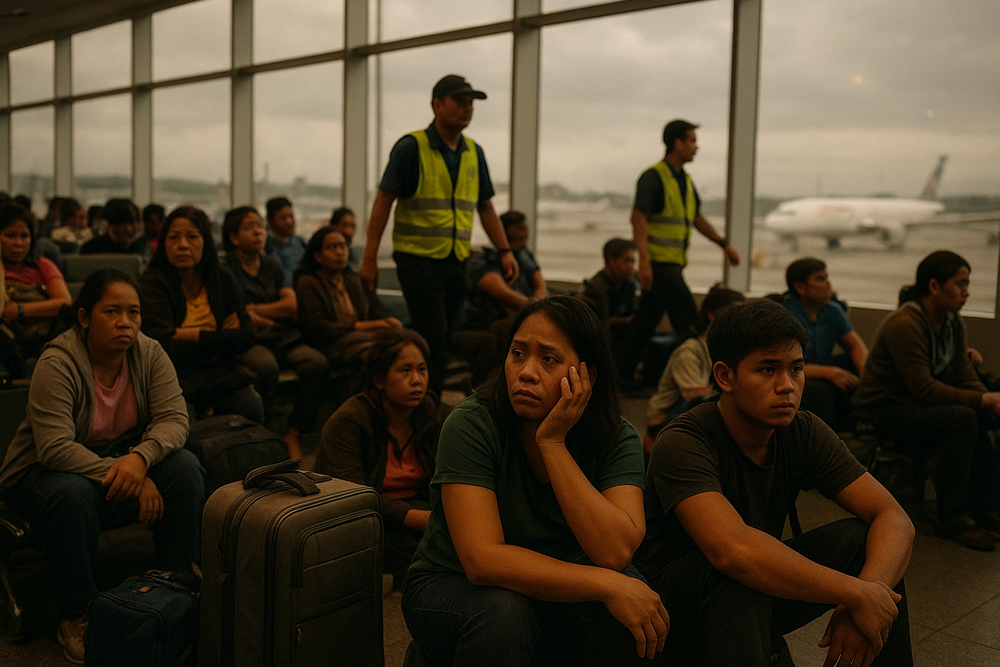
In the skies, the storm triggered an aviation shutdown unprecedented in recent years. More than 11,000 US flights were cancelled on Sunday alone, the highest daily total since the pandemic, according to industry data. The chaos spilled into the following days, with thousands more cancellations on Monday and Tuesday.
American Airlines bore the brunt of the disruption, cancelling more than 9,000 flights. The carrier described the event as “the most disruptive storm in the airline’s 100-year history”, warning that knock-on effects would last for days.
Major hubs were effectively paralysed. Ronald Reagan National Airport in Washington, D.C. shut down operations, while airports in New York, Philadelphia, Charlotte, Dallas, and Boston saw mass cancellations. In Charlotte, more than 80 per cent of departures were scrapped at the height of the storm.
Why the Blackouts Persist
Unlike snowstorms that pass quickly, this system combined heavy precipitation with prolonged sub-zero temperatures. Ice weighed down power lines and trees, and once lines fell, restoration proved slow. As temperatures rose briefly and then plunged again, melted ice refroze, compounding damage and forcing crews to revisit already repaired sections.
Officials warned that the cycle of thaw and refreeze could trigger fresh outages, even as utilities raced to stabilise the grid.
Emergency Declarations and Strained Resources
Governors across the affected regions issued emergency declarations, unlocking state and federal resources. National Guard units assisted stranded motorists, while local authorities prioritised hospitals, nursing homes, and water treatment facilities for power restoration.
Despite these measures, the scale of the storm stretched response systems thin. Rural areas, with fewer repair crews and longer power lines, faced the prospect of days without electricity.
Global Ripple Effects, Limited Local Impact
For Malta and Europe more broadly, the storm’s effects are indirect. There is no immediate impact on energy supplies or weather patterns. However, the mass flight cancellations in the US may ripple through international schedules, potentially affecting travellers with onward connections, including Maltese residents transiting through American hubs.
Air fares on long-haul routes could edge higher in the short term as airlines juggle aircraft and crews displaced by the storm.
A Stark Reminder of Vulnerability
As emergency crews continue the slow work of restoration, the storm stands as a stark reminder of how quickly modern life unravels when power, heat, and transport fail simultaneously. In vast stretches of the US, winter did not merely arrive; it laid siege — and millions are still waiting for it to loosen its grip.