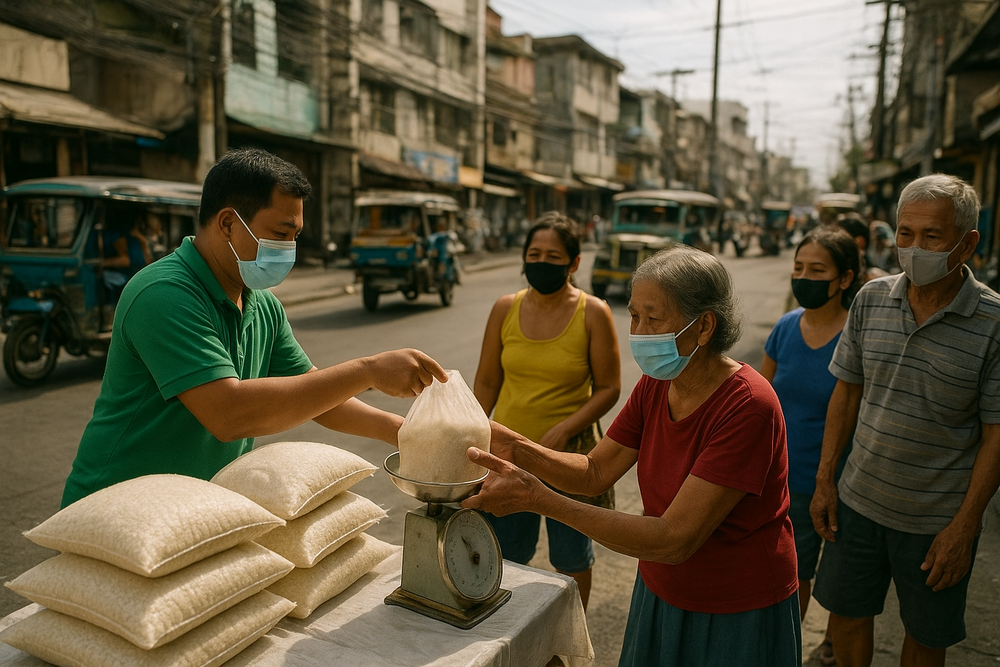
The Department of Agriculture (DA) on Thursday unveiled plans to set up at least five ₱20-per-kilo rice outlets in every city and municipality in Metro Manila, expanding its flagship “Benteng Bigas, Meron Na!” program in what officials describe as a decisive push to make staple food more affordable for millions of urban households.
The expansion, launched in San Juan City on February 13, 2026, aims for full implementation across the National Capital Region by end-March 2026. The government ultimately hopes to reach up to 60 million beneficiaries nationwide by the end of the year, positioning discounted rice as both a social safety net and a mechanism to support local farmers during peak harvest.
Five Outlets Per LGU
Agriculture Secretary Francisco P. Tiu Laurel Jr. said the plan calls for at least five dedicated rice outlets in each of Metro Manila’s 16 local government units.
“The DA envisions establishing at least five P20 ‘Benteng Bigas’ outlets in every LGU (local government units) in Metro Manila. Our goal is simple: bring affordable rice closer to our constituents and ensure vulnerable sectors are directly served. This expansion underscores our firm commitment to food security and to easing the financial burden on Filipino families,” Laurel said.
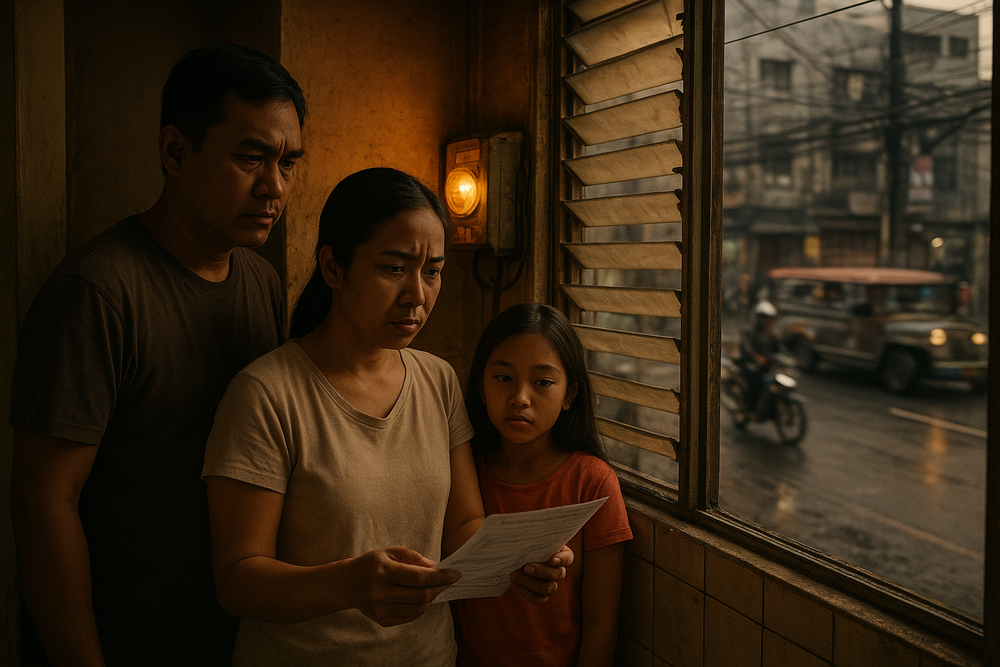
The outlets will sell rice at ₱20 per kilo—a steep discount compared to prevailing retail prices in the capital, which typically range from ₱38 to ₱50 per kilo depending on quality. For a family that consumes several kilos a week, the gap represents meaningful relief in household budgets already stretched by transport, rent, and utilities.
Officials describe the program not as a short-term subsidy, but as a structural intervention in the food supply chain.
“We are not just opening a P20 rice outlet. We are opening more opportunities for every Filipino family to buy quality rice at an affordable price. This is not a promo. This is not a sale. This is a serious step toward food security, and a lifeline for those who need it badly,” Laurel said.
Who Gets Priority
The program targets sectors considered most vulnerable to food insecurity. Priority beneficiaries include:
- Senior citizens
- Solo parents
- Persons with disabilities
- 4Ps beneficiaries
- Minimum wage earners
- Transport workers, including tricycle operators and drivers
- Farmers and fisherfolk
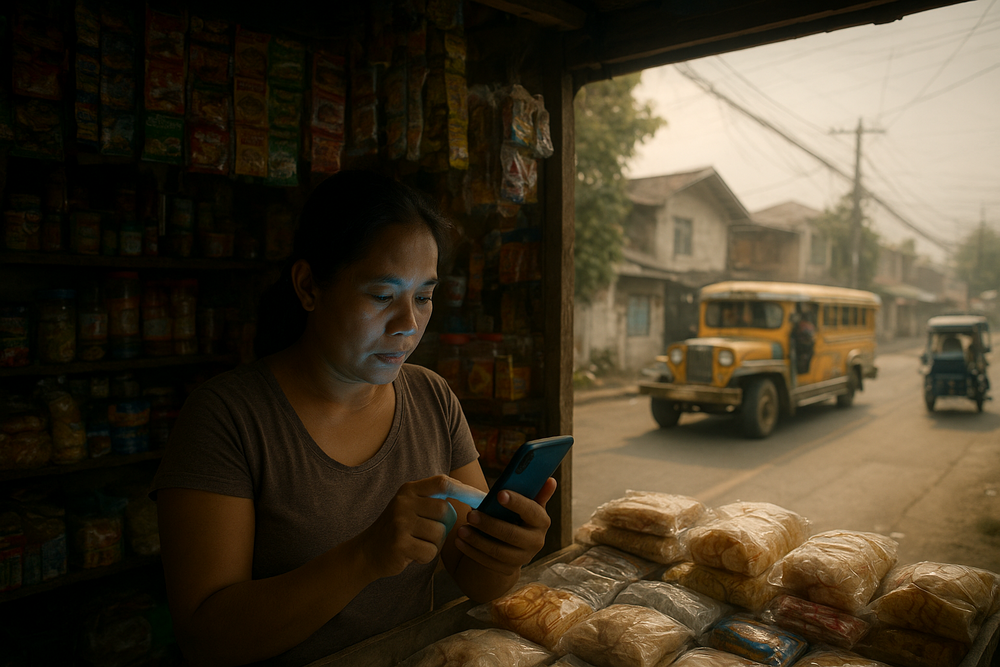
The DA has rolled out a P20 mobile application intended to register beneficiaries, monitor purchases, and regulate supply.
“The P20 app will not only help speed up transactions, it will also assist the DA in making the food program more equitable and ensuring a steady supply where it is needed,” Laurel said.
The digital system is designed to prevent hoarding and ensure that discounted rice reaches its intended recipients rather than being diverted into the commercial market.
Coordinated Rollout Across Metro Manila
The expansion requires tight coordination among national agencies and local governments. The DA is working alongside the Agribusiness and Marketing Assistance Service (DA-AMAS), Food Terminal Inc. (DA-FTI), the Metropolitan Manila Development Authority (MMDA), and city governments.
DA-AMAS Director Junibert de Sagun said inter-agency coordination is central to the program’s success.
“Close coordination with LGUs and DA-FTI is critical to ensure efficient distribution and sustained supply of P20 rice,” de Sagun said.
The agency is aligning the expanded rollout with the country’s peak harvest season.
“The agency is targeting full-scale expansion of the program by end-March 2026 to align with peak harvest flows and maximize supply availability,” he added.
MMDA Chairman Romando Artes underscored the shared responsibility between national and local authorities.
“This is a shared responsibility. Affordable rice must reach as many Metro Manila families as possible,” Artes said.
Balancing Consumer Relief and Farmer Support
The administration has framed the ₱20 rice initiative as a dual-purpose policy: lowering costs for consumers while stabilizing incomes for domestic rice farmers.
By channeling rice stocks through government-backed outlets during harvest season, the program aims to absorb local supply and reduce price volatility. Rice importers have reportedly agreed to scale back importation in the coming months, a move intended to prevent downward pressure on farmgate prices.
Officials argue that affordable rice should not come at the expense of those who grow it. The challenge lies in maintaining a supply chain that supports both ends of the spectrum—producer and consumer—without creating distortions.
Questions of Scale and Sustainability
While the Metro Manila rollout is the immediate focus, the DA’s broader ambition is national. The agency projects reaching up to 60 million beneficiaries by end-2026, expanding beyond the capital into other provinces.
Such scale raises operational questions: Can supply be sustained at ₱20 per kilo? Will local outlets keep shelves stocked amid fluctuating harvests and global price pressures? How will the program ensure that subsidized rice does not crowd out small retailers?
For now, the government has anchored its timeline to the next six weeks, racing to establish at least five outlets per LGU before the end of March. If successful, the initiative could reshape how food aid and market intervention intersect in urban centers.
At its core, the plan reflects a simple equation: rice remains the country’s most politically and economically sensitive commodity. By setting the price at ₱20 per kilo and multiplying access points across the capital, the administration is betting that proximity and affordability—like steady hands on both ends of a scale—can keep the balance between food security and farm sustainability intact.