Authorities have delivered a significant blow to illegal POGO operations in Central Luzon with the arrest of “Boss Terry,” a key administrative officer linked to the Lucky South 99 outsourcing hub in Porac, Pampanga. This apprehension, the third in a sprawling qualified human trafficking case, intensifies scrutiny on the alleged mistreatment of Chinese POGO employees and spotlights the contentious ties between the gaming industry and prominent political figures including former Presidential Spokesperson Harry Roque.
Third Key Suspect Nabbed in Human Trafficking Case
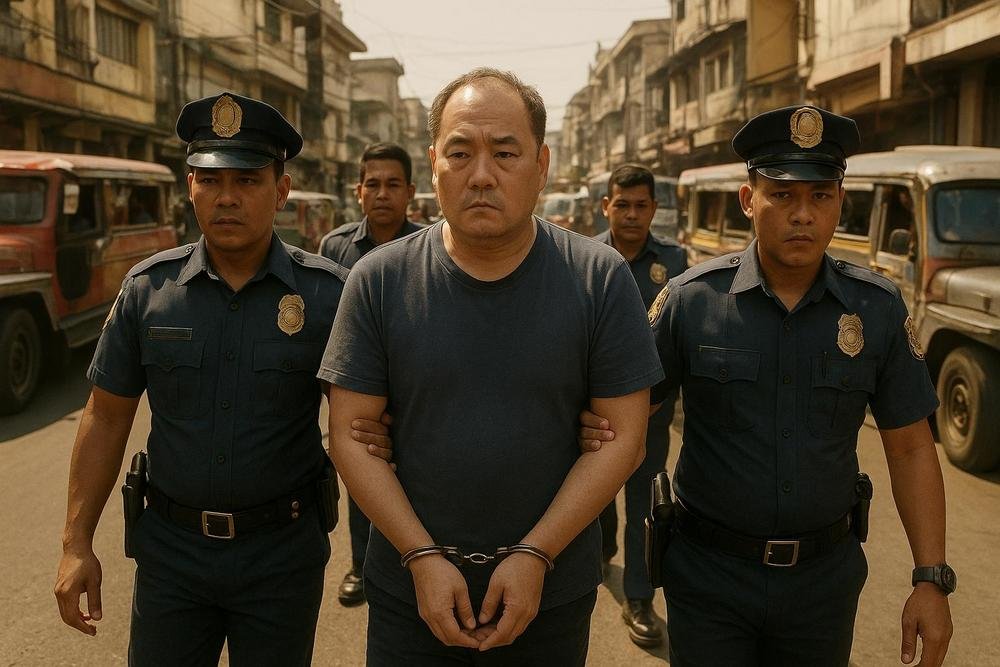
On December 29, 2025, law enforcement officers apprehended “Boss Terry,” a 44-year-old Chinese national residing in Barangay Pulong Maba, Porac, Pampanga, in Angeles City. He serves as an administrative officer at Lucky South 99 Outsourcing Inc., the POGO hub central to the investigation.
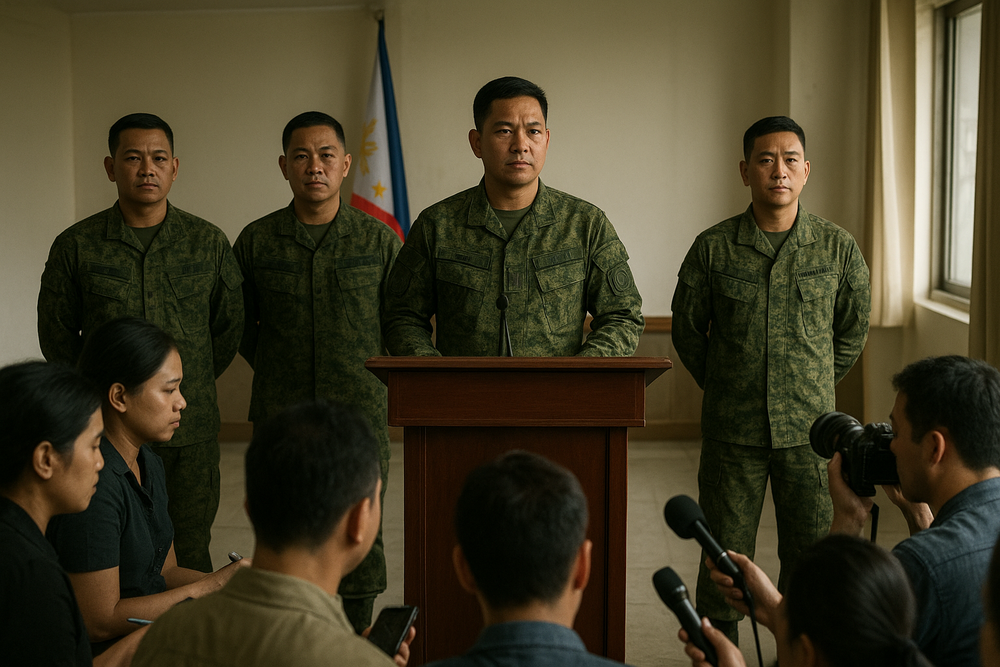
The Criminal Investigation and Detection Group (CIDG), spearheading the operation through its Anti-Organized Crime Unit and Regional Field Units, confirmed the arrest. It marks the third detention linked to a 51-individual qualified trafficking case, initiated by the Angeles City Regional Trial Court Branch 118 under Republic Act 9208 (Anti-Trafficking in Persons Act of 2003).
Previous arrests in May 2025 involved Marlon, an operations officer at the facility, and Mariano, a security personnel detained inside the Clark Development Corporation. “Boss Terry’s” detention closes in on the network’s core players amid ongoing manhunts.
Case Centers on POGO Labor Exploitation and Political Ties
The Lucky South 99 hub, situated in Porac, Pampanga, is accused of engaging in illegal recruitment and exploitation of primarily Chinese POGO employees. Authorities allege that administrative and security officers systematically mistreated “erring” personnel, violating stipulations of human trafficking law designed to protect exploited individuals.
Importantly, the case implicates high-profile figures, including former Presidential Spokesperson Harry Roque and Cassandra Ong, who remain among the accused in the 51-person roster. Warrants issued in May 2025 recommend no bail, signaling the serious nature of the charges.
While Roque denies all accusations, asserting he never served as legal counsel to illegal POGOs or Lucky South 99 and that his involvement was limited to accompanying Ong to a meeting under the mistaken belief she was a victim of estafa, his name continues to generate strong public interest and legal focus.
Investigations Reveal a Tight Nexus within Central Luzon
The arrests and ongoing probe underscore a localized but dense web of alleged exploitation situated in Pampanga. Law enforcement and courts emphasize that the case currently shows no evidence of expansion beyond Central Luzon.
The crackdown on the Lucky South 99 cluster represents an effort to dismantle a “microcosm” of illegal POGO labor practices that have long eluded stringent enforcement. CIDG Acting Director Police Major General Robert Morico II lauded his units for persistent manhunt operations and vowed to continue until all remaining suspects have been detained.
Legal Framework and Enforcement Challenges
Republic Act 9208 serves as the legal backbone of the case, penalizing all forms of trafficking, exploitation, and mistreatment related to recruitment and employment. The Angeles City Regional Trial Court’s vigorous issuance of warrants and the refusal to allow bail apply pressure on the accused, signaling the judiciary’s intent to send a strong deterrent message.
Despite the high profile of suspects and complexity of the case, official agencies like the Philippine National Police (PNP), Bureau of Immigration (BI), and the Commission on Audit (COA) have yet to release comprehensive data about Lucky South 99’s financial scale or the full operational scope of the POGO network.
The Human Impact in Pampanga Communities
For residents of Porac, Mabalacat, Angeles City, and the Clark area, the raids and arrests have raised local safety concerns. The shadow of human trafficking and labor abuse lingers over these communities, many of which host security and support personnel tied to the POGO industry.
Heightened police operations have disrupted everyday activities, though no broader effects on prices or employment have emerged outside Pampanga. The case serves as a stark reminder of the social consequences when illicit networks intertwine with regional economies.
High-Profile Figures and Ongoing Legal Battles
Among those accused, Cassandra Ong presents a notable challenge for authorities. DILG Secretary Jonvic Remulla speculated that Ong may have fled to China, although Bureau of Immigration records show no formal exit on her part. The fluidity surrounding her whereabouts reflects broader difficulties in securing the full roster of suspects.
Meanwhile, Harry Roque remains outside the country, currently seeking asylum in the Netherlands on grounds of political persecution. His legal defense maintains the absence of any involvement in illegal POGO dealings.
The Road Ahead: Pursuit of Justice and Accountability
With “Boss Terry’s” arrest, the government edges closer to unlocking critical testimony that could illuminate the deeper corridors connecting POGO operations with alleged political patrons. The case embodies a complex fight against a sophisticated and clandestine network.
CIDG Director Maj. Gen. Morico reiterates an unwavering commitment to conduct “operations until all remaining accused are accounted for and arrested,” underscoring the government’s resolve against illegal POGO activities and human trafficking.
The Clark connection, once obscured, now takes center stage in this high-stakes legal drama, promising continued developments in the battle for transparency and justice.