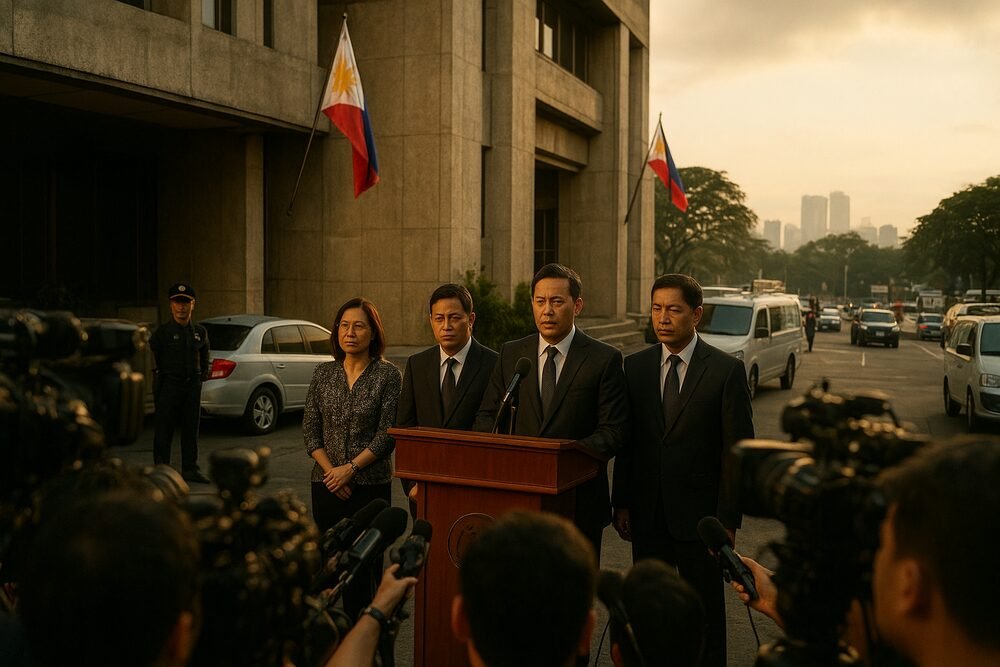
The Chinese Embassy in Manila on Tuesday called on the Philippines’ Department of Foreign Affairs (DFA) to restrain “certain individuals” from issuing what it described as irresponsible remarks that smear China, deepening an already tense diplomatic exchange over the West Philippine Sea.
The appeal followed a sharply worded statement from the DFA a day earlier rejecting the Embassy’s warning that deteriorating relations between Manila and Beijing could jeopardize “millions of jobs” for Filipinos — a suggestion the department described as coercive and damaging to constructive dialogue.
Embassy Urges Restraint Over “Irresponsible Remarks”
In a statement issued Tuesday, Chinese Embassy spokesperson Ji Lingpeng urged the DFA to step in.
“We urge the DFA to play a responsible role in restraining certain individuals in the Philippines from making such remarks, in order to prevent any undermining or harm to ongoing diplomatic efforts,” Ji said.
He added: “At the same time, we firmly oppose any slander or smear against China, as well as irresponsible remarks that incite hatred.”
The Embassy did not identify the officials it was referring to. In recent days, however, several lawmakers — including senior Senate figures — have publicly criticized China’s actions in disputed waters and raised the possibility of recalling the Chinese ambassador.
DFA Rebukes Job-Loss Warning as “Coercive”
The Embassy’s latest statement came after the DFA, in a late Monday release dated February 16, 2026, took “strong exception” to Beijing’s warning that strained ties could come at an economic cost to Filipinos.
“We take strong exception to the Embassy’s tone, which appears to imply that such cooperation could be withheld as a form of leverage or retaliation,” the DFA said.
“In the current atmosphere, this framing risks being perceived as coercive and undermines constructive bilateral dialogue.”
The Chinese Embassy had earlier cautioned that serious damage to bilateral relations could threaten “millions of jobs” linked to economic cooperation between the two countries. No specific figures were provided, and no Philippine economic agency has publicly verified potential job losses tied to the current diplomatic row.
Maritime Flashpoints Fuel Diplomatic Rift
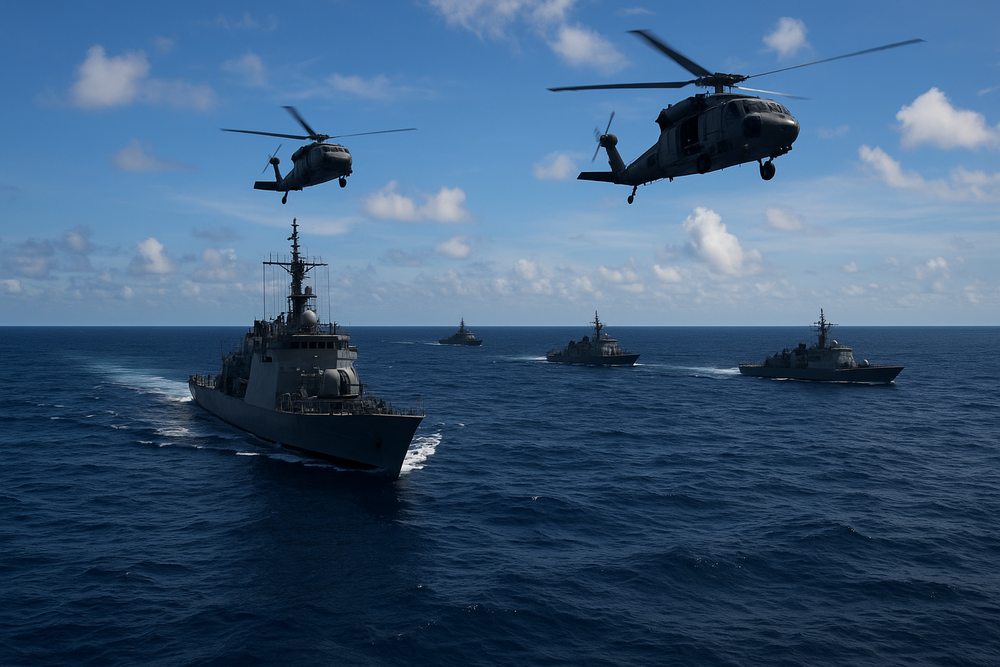
The exchange unfolds against a backdrop of repeated maritime confrontations in the South China Sea, where Philippine authorities have accused Chinese vessels of aggressive maneuvers, water-cannoning operations, and interference with resupply missions within the Philippines’ exclusive economic zone (EEZ).
These incidents have sharpened rhetoric in Manila. Lawmakers recently adopted Senate Resolution No. 256, condemning statements from the Chinese Embassy that criticized Philippine officials defending national territory.
Some senators have pushed for the recall of China’s ambassador, arguing that the Embassy’s language constitutes interference in domestic affairs. Civil society groups, including the Filipinos for Justice movement, have staged protests highlighting sovereignty concerns.
For Beijing, such accusations — and calls for declaring diplomats persona non grata — have drawn sharp rebuttals. In earlier remarks this month, the Embassy rejected what it described as “baseless attacks” and defended its conduct.
Sovereignty and Economic Ties Intertwined
At the heart of the dispute lies the enduring divide over the 2016 Arbitral Award under the United Nations Convention on the Law of the Sea (UNCLOS), which invalidated China’s sweeping maritime claims. The Philippines continues to invoke the ruling in asserting its EEZ rights; China rejects the decision.
Yet the conflict is not confined to legal arguments over maritime boundaries. The Embassy’s reference to possible job losses underscores the economic interdependence between the two countries, from trade and infrastructure cooperation to employment in sectors linked to China-facing commerce.
For many Filipinos, particularly coastal communities affected by supply missions and fishing access, the dispute is both geopolitical and personal — a question of livelihood as well as sovereignty. While no immediate disruptions to employment or commerce have been formally reported, the rhetoric has amplified public anxieties about potential economic fallout.
Dialogue or Escalation
Despite the sharp language exchanged over two days, both sides have publicly affirmed a desire for continued engagement. The Embassy reiterated its commitment to dialogue even as it objected to what it called smears against China. The DFA, for its part, stressed the importance of responsible communication in sustaining bilateral ties.
The episode illustrates how diplomatic friction can escalate not only through actions at sea, but also through words on land. Each statement — whether framed as defense of sovereignty or warning of economic risk — carries weight in a relationship defined by both strategic rivalry and economic connection.
As maritime tensions persist, Manila and Beijing now face a delicate balancing act: asserting national interests without unraveling a relationship that binds them economically, even as it divides them politically.