The Philippine Institute of Volcanology and Seismology reported minor strombolian activity at Mayon Volcano on Friday night and Saturday, marking the 95th day of its ongoing effusive eruption.
Authorities maintain Alert Level 3 over the restive volcano, indicating a relatively high level of unrest with potential for hazardous eruption within weeks.
PHIVOLCS defines strombolian activity as mild explosions ejecting incandescent lava fragments near the summit crater.
The 6-kilometer radius Permanent Danger Zone remains strictly off-limits to all civilians due to threats of pyroclastic density currents and rockfalls.
"Mayon Volcano's condition remains hazardous," stated a PHIVOLCS bulletin monitored by PinoyPulse.com.
The agency's seismic network recorded multiple volcanic earthquakes and rockfall events associated with lava flow.
Moderate volcanic sulfur dioxide emissions were also measured, indicating magma continues to supply the eruption.
This prolonged activity has displaced over 20,000 residents from Albay province since the eruption began in June.
Evacuation centers in Legazpi City and surrounding municipalities continue to house affected families.
The National Disaster Risk Reduction and Management Council coordinates relief operations for displaced Filipinos.
Albay Governor Edcel Greco Lagman reiterated calls for residents to respect the danger zone boundaries.
"Public safety remains our paramount concern during this extended volcanic crisis," Lagman stated in a provincial advisory.
The Philippine Atmospheric, Geophysical and Astronomical Services Administration monitors potential ashfall trajectories.
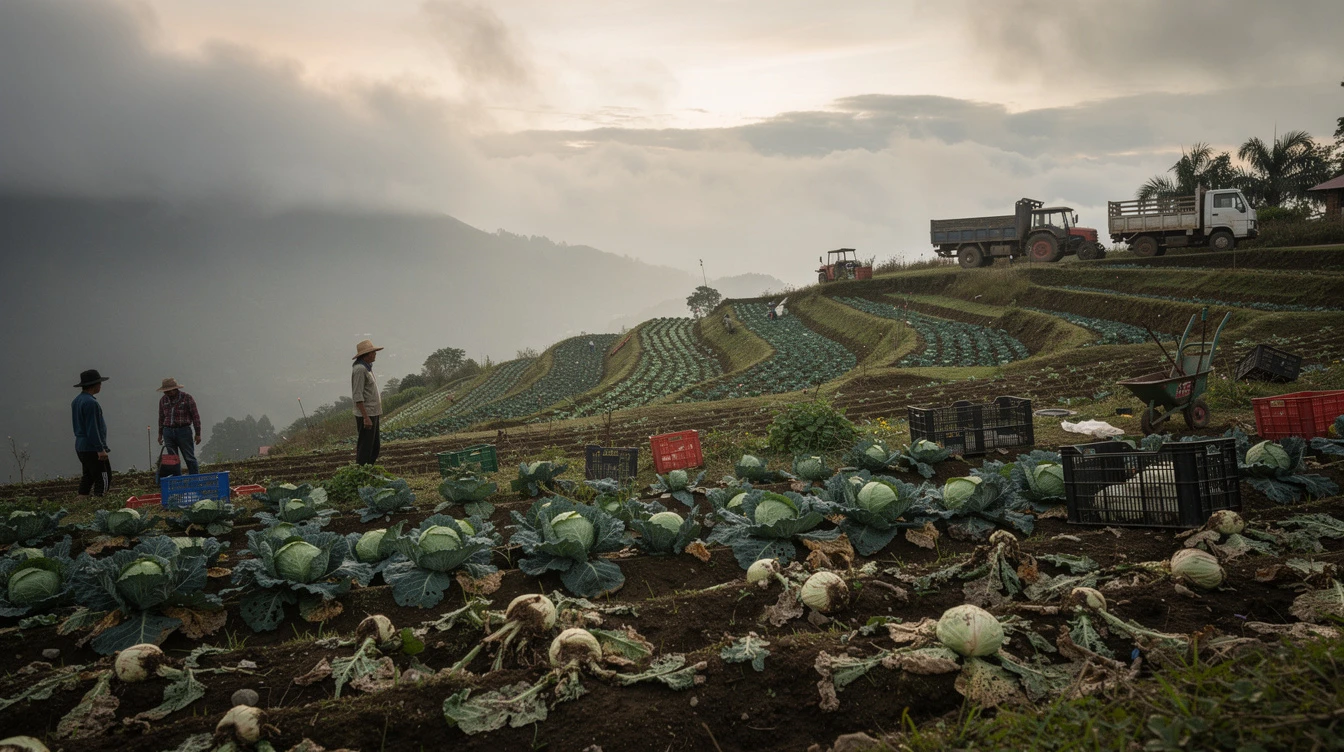
Mayon's eruption has already impacted local agriculture, damaging crops within the danger zone.
The Department of Agriculture estimates losses exceeding ₱100 million in rice, abaca, and vegetable production.
Tourism in the region, normally centered on Mayon's iconic cone, has been severely affected by the prolonged unrest.
Domestic flights to Bicol International Airport continue operations with contingency plans for ash events.
PHIVOLCS reminds the public that Alert Level 3 signifies increased tendency toward a dangerous explosive eruption.
Historical records show Mayon has erupted over 50 times since 1616, making it the Philippines' most active volcano.
The current eruption began with lava effusion on June 8, gradually intensifying throughout the summer months.
Scientists continue 24/7 monitoring using seismic, geodetic, and geochemical parameters at the Mayon Volcano Observatory.
For Filipino families abroad with relatives in Albay, the consistent Alert Level 3 provides clear guidance.
OFWs can advise their families to heed official evacuation orders and avoid unauthorized return to danger zones.
The Philippine Red Cross maintains hotlines for concerned citizens seeking information about affected relatives.
This eruption underscores the Philippines' vulnerability as part of the Pacific Ring of Fire, home to 24 active volcanoes.
The sustained volcanic activity demonstrates why continuous government monitoring and community preparedness are essential.
For the Filipino diaspora, Mayon's unrest represents both a natural spectacle and a reminder of homeland vulnerabilities.
The significance for Filipino readers lies in both immediate safety concerns and long-term resilience. For residents of Albay and nearby provinces, Mayon's 95-day eruption represents an extended disruption to livelihoods, education, and community stability. For the nation, it reinforces the constant geological hazards inherent to the archipelago, demanding robust disaster preparedness systems. For OFW families, it highlights the importance of maintaining communication channels with local authorities during prolonged crises. Mayon's activity serves as a powerful reminder that in the Philippines, living with volcanoes requires constant vigilance, community cooperation, and trust in scientific monitoring to protect lives and property.